
Page Contents
1. Introduction
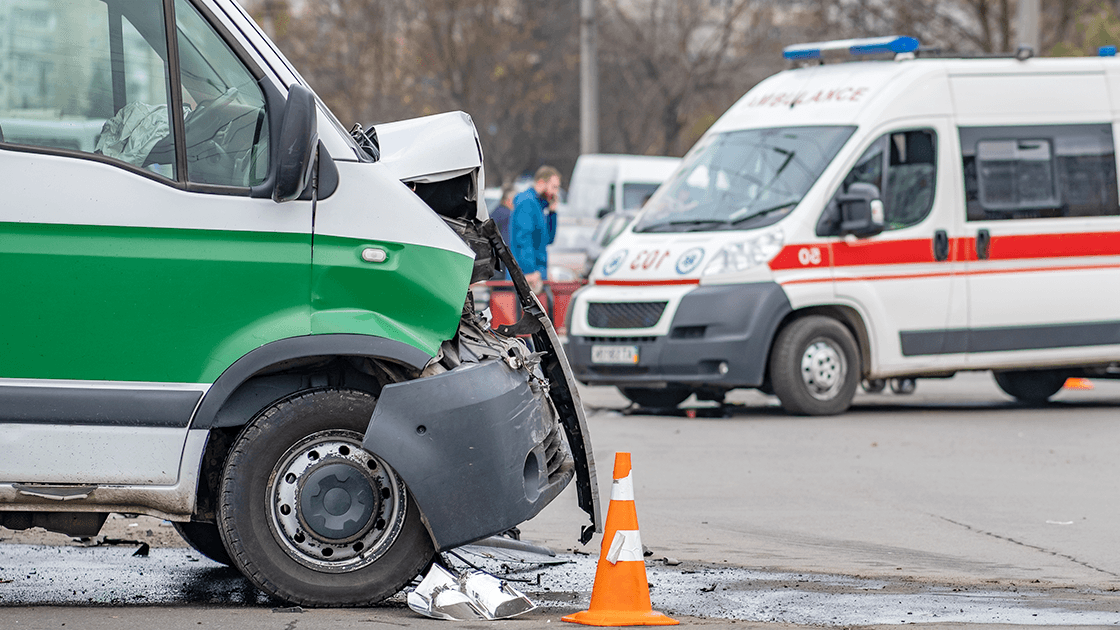
Car accidents often leave behind more than immediate injuries—they can result in chronic pain, mobility issues, and long-term musculoskeletal damage. While traditional rehabilitation helps, it may not fully address the deep-rooted causes of discomfort and dysfunction. That’s where laser therapy comes in. Laser therapy, also known as photobiomodulation, devided into high-level laser therapy and low-level laser therapy, is a non-invasive, drug-free treatment that uses targeted light wavelengths to stimulate cellular repair and reduce inflammation. Instead of merely masking pain, it promotes natural healing at the tissue level. This guide explores how laser therapy supports recovery after car accidents, offering faster relief from pain, reduced reliance on medications, and improved function. From soft tissue injuries to nerve damage, we’ll examine the types of injuries laser therapy treats, how it works, and why it’s gaining traction among healthcare professionals. If you’ve been in an accident, this modern solution might be the key to a quicker, more complete recovery.
2. Understanding Auto Accident Injuries
The biomechanics of motor vehicle collisions create a perfect storm for complex injury patterns that affect multiple body systems simultaneously. Understanding these injury mechanisms is crucial for developing effective treatment strategies that address both immediate trauma and long-term complications.
2.1 Common Types of Injuries
The sudden deceleration and directional forces experienced during car accidents create predictable injury patterns that often involve multiple anatomical regions. Here are the most frequently encountered post-accident injuries:
2.1.1 Whiplash and Neck Strain
- Cervical hyperextension-hyperflexion injuries affecting the atlantooccipital and atlantoaxial joints
- Damage to the cervical facet joints, particularly C5-C6 and C6-C7 levels
- Myofascial strain involving the sternocleidomastoid, scalene, and suboccipital muscle groups
- Potential injury to the cervical intervertebral discs and supporting ligamentous structures
- Associated symptoms including cervicalgia, occipital neuralgia, and cervicogenic headaches
2.1.2 Soft Tissue Injuries and Inflammation
- Myofascial trigger points developing in the trapezius, rhomboids, and paravertebral muscles
- Inflammatory cascade activation leading to increased prostaglandin and cytokine production
- Fascial adhesions and scar tissue formation affecting normal tissue mobility
- Edema and hematoma formation contributing to mechanical compression of neural structures
- Delayed onset muscle soreness (DOMS) affecting multiple muscle groups
2.1.3 Joint and Ligament Strain (shoulders, knees)
- Acromioclavicular and glenohumeral joint dysfunction following impact forces
- Rotator cuff tears or strains, particularly affecting the supraspinatus and infraspinatus tendons
- Knee ligament injuries including medial collateral ligament (MCL) and anterior cruciate ligament (ACL) strains
- Patellofemoral joint dysfunction resulting from dashboard impact injuries
- Capsular restriction and synovial inflammation affecting joint mobility
2.1.4 Back Injuries (herniated discs, sciatica)
- Lumbar disc herniation, most commonly affecting L4-L5 and L5-S1 levels
- Facet joint syndrome with associated lumbar radiculopathy
- Sacroiliac joint dysfunction contributing to lower back and hip pain
- Piriformis syndrome with secondary sciatic nerve compression
- Lumbar strain involving the erector spinae and multifidus muscle groups
2.1.5 Headaches and Nerve Compression
- Post-traumatic headaches with mixed tension-type and cervicogenic characteristics
- Occipital neuralgia resulting from greater and lesser occipital nerve irritation
- Trigeminal neuralgia secondary to facial trauma or temporomandibular joint dysfunction
- Cervical radiculopathy with upper extremity neurological symptoms
- Post-concussion syndrome with associated cognitive and neurological symptoms
2.1.6 Facial Trauma and Jaw Tension (TMJ issues post-impact)
- Temporomandibular joint displacement and disc derangement
- Masseter and temporalis muscle hypertonicity and spasm
- Malocclusion and dental trauma affecting jaw alignment
- Trigeminal nerve irritation contributing to facial pain and paresthesias
- Secondary bruxism and jaw clenching patterns developing post-trauma
2.1.7 Chest and Rib Muscle Strain (from seatbelts or airbag impact)
- Intercostal muscle strain and potential rib fractures
- Pectoralis major and minor muscle contusions and hematomas
- Sternoclavicular joint dysfunction from seatbelt compression
- Costochondral junction inflammation and pain
- Respiratory muscle fatigue and compensatory breathing patterns
2.2 The Long-Term Impact of Untreated Injuries
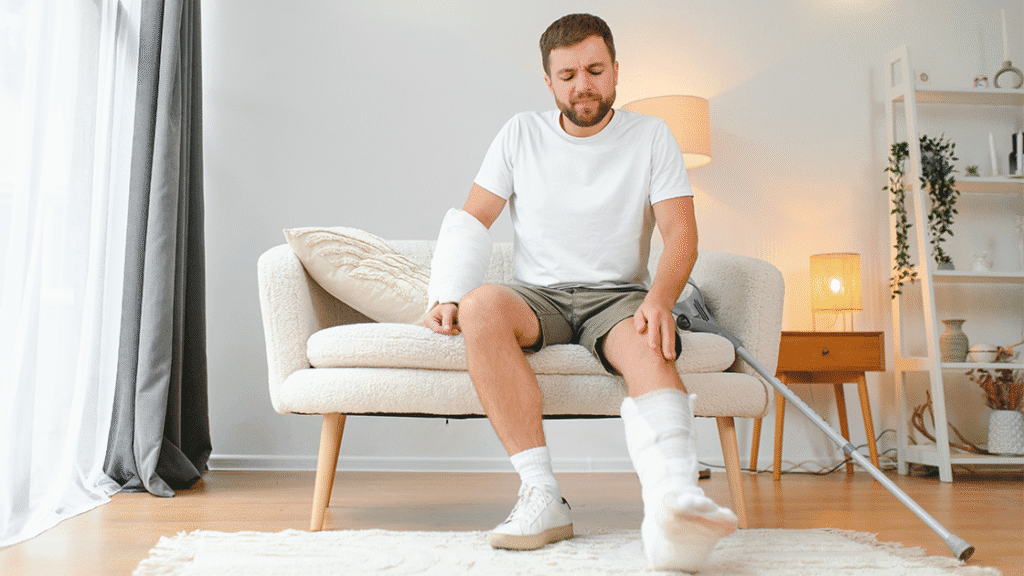
When auto accident injuries go untreated, they can evolve into chronic conditions that significantly impair quality of life and function. Acute injuries may transition into chronic pain syndromes through central sensitization—where the nervous system becomes overly reactive to even mild stimuli. This process, driven by NMDA receptor activation and glial cell activity, can keep pain signals active long after tissues have healed. Studies show around 40% of whiplash patients develop symptoms lasting more than six months. Untreated soft tissue damage often leads to fascial adhesions and scar tissue, restricting movement and causing compensatory patterns. These imbalances can trigger secondary conditions such as shoulder impingement or lumbar strain due to altered biomechanics. Psychologically, chronic pain may lead to fear-avoidance behaviors and reduced physical activity. Over time, this causes deconditioning, muscle loss, and heightened pain sensitivity. Kinesiophobia—the fear of movement—further traps patients in a cycle of inactivity and disability, making full recovery more difficult the longer treatment is delayed.
3. What Is Laser Therapy?
Laser therapy represents a paradigm shift in non-invasive medical treatment, utilizing specific wavelengths of coherent light to stimulate natural healing processes at the cellular level. This sophisticated technology has evolved significantly since its inception, now offering precise therapeutic applications for a wide range of musculoskeletal conditions.
3.1 Definition and How It Works
Laser therapy, or photobiomodulation therapy (PBMT), uses light wavelengths between 660–1000 nm to stimulate cellular repair. Photons penetrate tissue and are absorbed by chromophores like cytochrome c oxidase in mitochondria. This enhances ATP production via oxidative phosphorylation, increasing energy for tissue regeneration, protein synthesis, and cell proliferation. Laser therapy also affects nitric oxide (NO), which competes with oxygen in mitochondria. Light displaces NO, improving oxygen use and boosting blood flow through vasodilation. In addition, PBMT reduces inflammation by modulating the NF-κB pathway, decreasing pro-inflammatory cytokines while increasing anti-inflammatory signals. These combined effects promote pain relief, accelerate healing, and restore function without damaging tissue.
3.2 Types of Laser Therapy Used in Accident Rehab
Laser therapy varies in wavelength and power to target different tissues. Class IV lasers (500 mW–60 W) penetrate deeply using 810nm, 915nm, 980nm, or 1064nm wavelengths—ideal for treating spine, muscles, and joints injured in accidents. Class III lasers (5–500 mW), or cold lasers, use lower power (often 660nm or 810nm) to treat surface injuries, wounds, and sensitive areas like the TMJ. Pulsed laser therapy emits light in controlled bursts to reduce thermal buildup and tailor effects by adjusting pulse rate, duration, and frequency for specific tissue responses. Multi-wavelength systems combine several wavelengths to treat different depths simultaneously, ideal for addressing layered or complex post-accident injuries more efficiently.
4. How Laser Therapy Supports Post-Accident Healing
The multifaceted nature of car accident injuries requires treatment approaches that address various pathophysiological processes simultaneously. Laser therapy’s ability to influence multiple healing mechanisms makes it particularly valuable in post-accident rehabilitation protocols.
4.1 Reducing Pain and Inflammation
Laser therapy eases pain through several mechanisms. It activates A-beta nerve fibers, blocking pain signals at the spinal cord via gate control theory. At the cellular level, it lowers pro-inflammatory cytokines like IL-1β, TNF-α, and NF-κB, while boosting anti-inflammatory agents such as IL-10 and TGF-β. It also regulates COX-2 enzyme activity, reducing inflammatory prostaglandins without disrupting healing functions. Another key mechanism is the release of natural opioids—beta-endorphins, enkephalins, and dynorphins—which provide lasting pain relief by activating descending inhibitory pathways. Together, these mechanisms reduce both acute and chronic pain at the source.
4.2 Speeding Up Soft Tissue Repair
Laser therapy accelerates healing by enhancing collagen production through fibroblast stimulation and improved amino acid uptake. It promotes type I and III collagen synthesis for stronger, better-organized tissue repair. It also boosts mitochondrial ATP and DNA synthesis, speeding cell division and regeneration. Angiogenesis improves through elevated VEGF and endothelial activity, increasing blood supply to injured tissues. Laser therapy also modulates growth factors like PDGF, FGF, and IGF-1, which control tissue repair, cell growth, and regeneration. This comprehensive stimulation of cellular and vascular healing processes leads to faster recovery from muscle, tendon, and ligament injuries.
4.3 Enhancing Circulation and Oxygenation
Laser therapy improves blood flow via nitric oxide-induced vasodilation, relaxing vessel walls and increasing circulation by up to 40%. Long-term, it enhances endothelial function by stimulating eNOS activity, helping vessels better respond to injury and metabolic needs. It also improves microcirculation by making red blood cells more flexible, reducing viscosity, and enhancing capillary flow. Better microcirculation means more oxygen and nutrients reach healing tissues. Lymphatic drainage is also improved, reducing swelling and clearing inflammatory waste. This is especially helpful during the acute post-accident phase when fluid buildup impedes healing.
4.4 Safe Alternative to Pain Medications
Laser therapy provides localized pain relief without systemic side effects. Unlike opioids or NSAIDs, it doesn’t affect the whole body or risk addiction, ulcers, or heart issues. It targets pain at its source—reducing inflammation, improving blood flow, and calming nerves—rather than masking symptoms. This mechanism-based approach often leads to longer-lasting relief and faster return to function. Patients with GI issues, heart problems, or drug sensitivities benefit from its safety. Laser therapy also complements physical therapy, chiropractic care, or massage by enhancing overall treatment outcomes and shortening recovery time.
4.5 Restoring Range of Motion and Function
Laser therapy restores mobility by reducing scar tissue and realigning collagen fibers, which minimizes fascial adhesions and improves tissue flexibility. It decreases muscle spasms by improving cell metabolism and lowering inflammation, relaxing protective muscle tension that limits movement after trauma. Joint function improves through reduced capsule inflammation, better synovial fluid production, and stimulated cartilage activity. These changes relieve stiffness and restore smooth joint motion. Laser therapy also enhances proprioception by modulating nerve sensitivity, helping restore movement awareness and coordination. This reduces re-injury risk and supports a safe, functional recovery.
5. Laser Therapy for Specific Auto Injuries
The versatility of laser therapy allows for targeted treatment protocols that address the unique characteristics and healing requirements of different injury types commonly sustained in motor vehicle accidents.
5.1 Whiplash and Neck Pain
Whiplash from rear-end collisions affects cervical discs, joints, ligaments, and muscles, particularly at C5-C6 and C6-C7. Laser therapy targets these areas using 810nm and 980nm for deep tissues and 660nm for surface muscles. Suboccipital muscles, often tied to headaches, benefit from laser-induced muscle relaxation and circulation enhancement. Facet joints from C2–C7 also respond well, with reduced inflammation and improved synovial fluid aiding mobility. Commonly affected muscles—SCM, scalenes, trapezius, and deep cervical flexors—benefit from reduced spasms and improved tone. Multiple wavelengths ensure complete treatment of superficial and deep muscle layers, easing pain and restoring function.
5.2 Lower Back and Sciatica
Post-accident lumbar pain often stems from disc, joint, or muscle injuries. Class IV laser therapy penetrates deeply to reduce disc inflammation, especially at L4-L5 and L5-S1. It also calms nerve roots affected by herniation or piriformis syndrome, relieving sciatica. Facet joint inflammation, common in hyperextension injuries, responds well to laser-induced circulation and mobility improvements. Paraspinal spasms and capsular restrictions are addressed in tandem. Sacroiliac joint dysfunction, often overlooked, benefits from high-powered laser therapy to reduce inflammation and restore joint stability. These comprehensive protocols help patients recover faster from complex lumbar injuries.
5.3 Shoulder and Knee Injuries
Shoulder trauma from seatbelts or bracing often damages the rotator cuff, AC joint, or joint capsule. Laser therapy supports collagen production and vascularization in injured tendons. Each rotator cuff muscle is treated individually for best results. AC joint injuries respond well to laser’s anti-inflammatory effects, while surrounding muscle treatment improves stability. Frozen shoulder, often from post-injury immobility, benefits from laser therapy’s ability to ease capsular stiffness and restore mobility. Knee injuries from dashboard impact can involve ligaments or the patellofemoral joint. Laser protocols are customized to injury type, reducing pain and enhancing tissue repair at all healing stages.
5.4 Nerve Damage and Neuropathy
Nerve damage from accidents may involve trauma, compression, or inflammation. Laser therapy improves nerve conduction, boosts axonal repair, and reduces demyelination. Its effects on mitochondria aid high-energy nerve cells. For carpal tunnel syndrome, laser reduces median nerve pressure and inflammation. Cervical radiculopathy, often due to whiplash, is treated by addressing both spinal and peripheral nerve pathways. CRPS, a difficult post-injury condition, benefits from laser’s ability to reduce neurogenic inflammation and calm sympathetic overactivity. With nerve-focused protocols, laser therapy promotes healing and restores function in complex neuropathies.
5.5 TMJ and Facial Muscle Strain
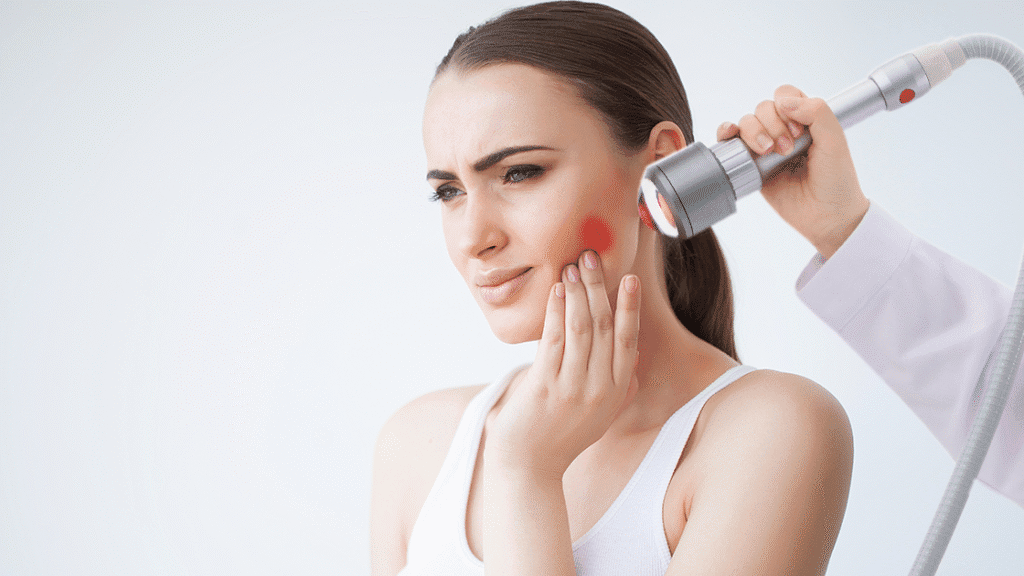
Car accidents can lead to TMJ dysfunction through impact, jaw clenching, or cervical injury. Laser therapy reduces TMJ inflammation and enhances joint lubrication, improving movement. Masseter and temporalis muscles, often tight from post-injury tension, relax under laser treatment, easing jaw pain and related headaches. Laser also supports facial nerve healing by reducing inflammation and restoring function. Trigeminal neuralgia, triggered by trauma or TMJ strain, can improve with carefully targeted laser therapy that modulates nerve sensitivity and reduces pain flare-ups.
5.6 Post-Concussion and Headache Relief
Though laser therapy doesn’t treat brain injury directly, it helps relieve post-concussion symptoms by addressing related cervical and muscular issues. Cervicogenic headaches often improve with laser treatment of suboccipital muscles and upper cervical joints. Tension headaches linked to stress and neck strain also respond well. Laser therapy calms muscles and reduces nervous system overactivity. For PTSD-related muscle tension, laser promotes relaxation. Vestibular symptoms like dizziness may improve indirectly when cervical function is restored. Laser therapy thus supports recovery by easing the physical contributors to post-concussion discomfort.
6. What to Expect During and After Treatment
Understanding the laser therapy treatment process helps patients approach their recovery with realistic expectations and optimal preparation for successful outcomes.
6.1 Preparing for Your First Laser Therapy Session
Before starting laser therapy, patients undergo a full evaluation to determine injury severity, goals, and any health conditions that could affect treatment. A thorough medical history is taken to rule out contraindications like active cancer, pregnancy, or photosensitive disorders. Clothing should allow easy skin access; loose-fitting garments are ideal. Clinics often provide gowns or drapes for privacy. Patients should also inform clinicians of all medications, especially photosensitizing drugs such as certain antibiotics or anti-inflammatories, as these may require adjusted settings. Setting realistic expectations is key. Unlike fast-acting injections, laser therapy delivers cumulative benefits over several sessions. Side effects are usually minimal, but patients should be aware that multiple treatments are typically needed to see significant results.
6.2 What Happens During a Session
Each session starts with proper patient positioning for access and comfort—sitting or lying depending on treatment area. Both patient and clinician wear protective eyewear to avoid retinal damage. The skin is cleaned to remove lotions or oils, ensuring maximum light penetration. Laser types include contact (applicator touches skin) and non-contact (used for wounds or sensitive areas). Treatment parameters—wavelength, power, frequency, duration—are personalized based on the condition. Some systems offer presets, but settings are often customized. During treatment, patients may feel mild warmth or tingling, though some feel nothing. This is normal; the effects happen at the cellular level regardless of sensation.
6.3 Treatment Course and Recovery Timeline
Laser therapy typically spans multiple sessions over several weeks. Acute injuries may respond faster than chronic ones, but both require consistency. Initial treatments (2–3 times/week) target inflammation and pain relief. After 2–4 weeks, frequency often drops to twice weekly, with a focus on healing and functional improvement. Chronic cases may need maintenance sessions weekly or bi-weekly to prevent relapse and support long-term recovery. Most patients notice relief within the first few treatments, with full benefits emerging over 4–8 weeks. Progress is tracked through pain scores, range of motion, and functional tests to adjust treatment as needed.
6.4 Possible Side Effects and Safety Considerations
Laser therapy is very safe. Mild side effects may include redness or warmth, which resolve quickly. Some patients feel temporary symptom flares early on, a sign of tissue activation. Contraindications include cancer in the treatment area, pregnancy (especially abdomen/pelvis), and direct use over eyes or thyroid. People with photosensitivity or on certain medications may need adjusted protocols. Treatment near metal implants is safe with precautions; pacemakers generally aren’t affected, but should be disclosed. Laser therapy rarely interferes with medications. Long-term use is safe, even for chronic issues, as laser therapy doesn’t carry cumulative toxicity like some drug treatments.
7. Who Should Consider Laser Therapy After a Car Accident?
Determining appropriate candidates for laser therapy involves assessing individual patient factors, injury characteristics, and treatment goals to ensure optimal outcomes and resource utilization.
7.1 Ideal Candidates
- Individuals with acute or chronic musculoskeletal injuries: Especially beneficial for those with limited results from conventional treatments or who wish to avoid medication side effects.
- Patients with multiple injury sites: Common in car accidents; laser therapy can treat multiple areas efficiently in a single session.
- Those seeking non-invasive options: Ideal for patients hesitant about injections or surgery, or those with medical comorbidities limiting treatment choices.
- Athletes and active individuals: Suited for people wanting to maintain or quickly return to physical activity while supporting the healing process.
- People with chronic pain unresponsive to traditional care: Laser therapy provides relief through various mechanisms, making it effective when other options fail.
- Patients avoiding opioid use or with medication intolerance: Offers pain relief without systemic side effects, supporting safe, long-term pain management.
- Workers’ compensation and personal injury cases: Delivers objective, trackable outcomes and may reduce overall treatment time and costs—appealing to insurers and case managers.
7.2 When Laser Therapy May Not Be Suitable
- Active cancer in or near the treatment area
- Pregnancy, especially over the abdomen or pelvic region
- Photosensitivity disorders (e.g., lupus, porphyria)
- Use of photosensitizing medications, such as: Tetracycline antibiotics, certain NSAIDs, and some psychiatric drugs
- Direct application over the thyroid gland or eyes
- Open wounds in areas not suited for non-contact treatment
- Pacemakers or implanted electronic devices (disclose to provider—most cases still safe)
- Metal implants—treatment is generally safe, but avoid direct laser contact
- Unrealistic expectations—patients seeking instant results may be disappointed, as therapy requires multiple sessions
7.3 Choosing a Qualified Provider
Choosing the right provider is key to safe and effective laser therapy. Look for practitioners with formal training in laser use, preferably those certified by reputable medical or physiotherapy boards. Experience with post-accident rehabilitation is a plus, as it ensures familiarity with complex, multi-system injuries. Ask whether the clinic uses Class IV lasers for deep tissue conditions and if treatment protocols are customized based on your injury and response. Ensure the provider conducts a thorough assessment, including history, physical exam, and discussion of goals and expectations. Practices that offer progress tracking—like pain scales, ROM tests, or digital assessments—can help you monitor improvement. Lastly, the best providers prioritize patient education, safety, and transparent communication about risks, benefits, and timelines.

8. Recap of Key Benefits with Visual Summary
Laser therapy offers a non-invasive, drug-free, and evidence-backed option for post-accident recovery. Its anti-inflammatory, pain-relieving, and tissue-healing properties make it highly versatile for whiplash, sciatica, shoulder injuries, nerve pain, and more. Unlike medications, laser therapy works at the cellular level, boosting ATP production, reducing oxidative stress, and enhancing blood flow.
Key benefits include:
Reduced pain and inflammation
Faster tissue healing and recovery
Improved joint mobility and muscle function
Fewer side effects compared to medications
Applicability across multiple injury sites
Safe for long-term management
9. FAQs
Ideally within the first few days, once acute bleeding or swelling is controlled. Early treatment helps reduce inflammation and speeds up recovery.
No. Most patients feel a mild warmth or tingling, but the treatment is non-invasive and pain-free. Many find it relaxing.
Some patients feel relief after 1–3 sessions, but lasting results typically require 6–12 sessions, depending on injury severity.
Yes. Laser therapy complements other modalities well, often enhancing results and reducing pain during active rehab.
It depends. Some personal injury or workers’ compensation cases cover it—check with your provider or legal representative.
Generally yes. Laser therapy doesn’t heat metal; providers avoid direct contact and tailor protocols around implants.
 English
 العربية
 Français
 日本語
日本語 Português
 Español
 Русский
 Deutsch