

Page Contents
1. Understanding Whiplash
1.1 What is Whiplash?
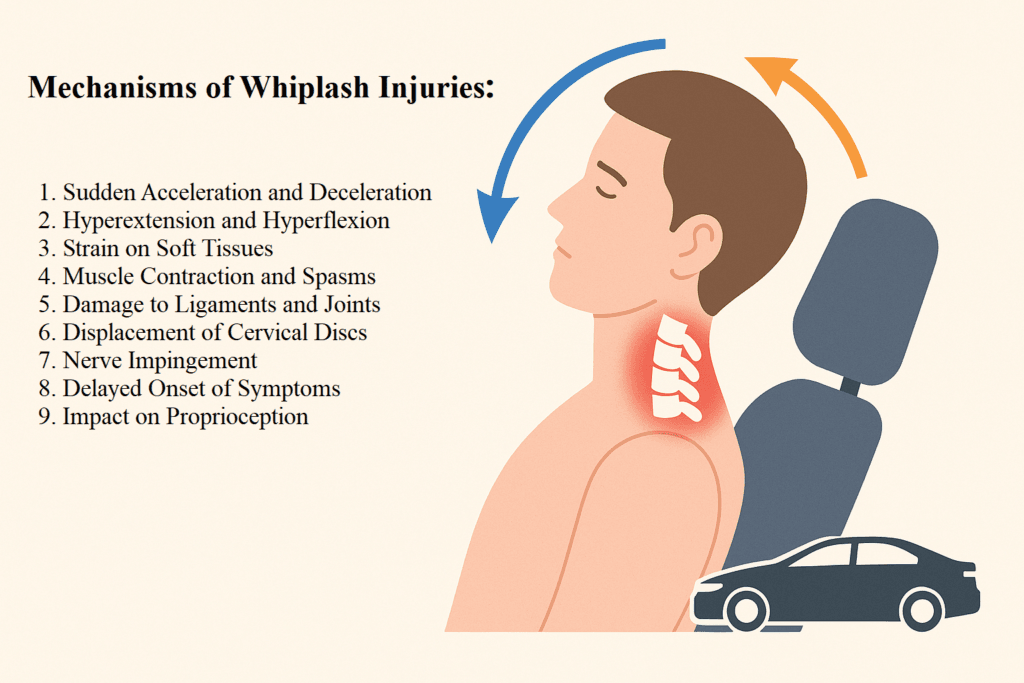
Whiplash is a neck injury that typically occurs due to a sudden jerking motion of the head, most commonly resulting from rear-end car accidents. This motion causes the neck to extend beyond its normal range of motion, leading to muscle strains, ligament sprains, and, in some cases, nerve damage. The injury primarily affects the cervical spine, and the symptoms can range from mild discomfort to severe pain and disability. Whiplash can involve soft tissue injuries such as strained muscles, torn ligaments, and even damage to the discs and joints in the spine. It can result in a range of symptoms, including neck pain, stiffness, headaches, dizziness, and even tingling sensations in the arms.
1.2 The Hidden Impact of Whiplash
Beyond the immediate symptoms, whiplash can have long-lasting effects on a person’s quality of life. It can lead to chronic pain, especially if not treated properly. Many individuals with whiplash experience persistent neck stiffness, reduced range of motion, and difficulty performing daily activities. In some cases, whiplash may also lead to post-traumatic stress due to the traumatic nature of the injury. Over time, untreated whiplash can contribute to the development of degenerative conditions in the spine, such as osteoarthritis. These long-term impacts make it critical for patients to seek effective treatment and rehabilitation early on to prevent further complications.
1.3 Why Traditional Treatments Fail to Address the Root Cause
Traditional treatments for whiplash typically focus on symptom management rather than addressing the root cause of the injury. Common approaches include rest, over-the-counter pain relievers, physical therapy, and sometimes corticosteroid injections. While these treatments can help alleviate pain and inflammation, they often fail to target the underlying muscle and ligament damage or promote proper healing of the soft tissues. Furthermore, traditional methods may not prevent long-term complications or address chronic pain that develops in some patients. This is why more advanced therapeutic options, such as laser therapy, are gaining attention for their ability to promote healing at the cellular level and provide lasting relief.
2. The Role of Laser Therapy in Whiplash Treatment
2.1 How Laser Therapy Works
Laser therapy is a non-invasive treatment that uses light energy to stimulate the body’s natural healing processes. In the case of whiplash injuries, laser therapy works by targeting the injured area with specific wavelengths of light, which penetrate deep into the tissues. The light energy is absorbed by the cells, increasing the production of adenosine triphosphate (ATP), the energy source for cellular functions. This enhanced cellular activity promotes tissue repair, reduces inflammation, and accelerates the healing process. Laser therapy is particularly effective in treating soft tissue injuries such as muscle strains, ligament damage, and nerve irritation caused by whiplash.
2.2 The Cellular Mechanisms
Laser therapy works on a cellular level by stimulating the mitochondria in cells, boosting ATP production, and promoting faster tissue regeneration. The increased energy production supports the repair of damaged cells, leading to the restoration of normal tissue function. Additionally, laser therapy promotes the release of growth factors and other proteins that aid in tissue repair and regeneration. It also helps to increase collagen production, which is crucial for rebuilding the damaged ligaments and muscles in the neck. By stimulating the body’s natural healing processes, laser therapy not only helps to alleviate symptoms but also addresses the root cause of the injury, ensuring a more effective and lasting recovery.
3. Laser Therapy Benefits for Whiplash
3.1 Accelerating Pain Relief and Reducing Muscle Spasms
One of the most immediate benefits of laser therapy for whiplash is its ability to provide pain relief. The therapy works by reducing inflammation in the affected area, which is often the source of pain in whiplash injuries. Laser therapy also promotes the release of endorphins, the body’s natural painkillers, which help to reduce pain perception. Furthermore, the therapy can help alleviate muscle spasms, which are common in whiplash injuries. By improving blood flow and relaxing the muscles, laser therapy helps to prevent spasms from recurring, leading to improved comfort and mobility for the patient.
3.2 Enhancing Mobility and Flexibility Post-Injury
Whiplash often results in neck stiffness and limited range of motion, making it difficult for patients to perform everyday activities. Laser therapy plays a key role in restoring mobility and flexibility after a whiplash injury. By promoting blood circulation and stimulating tissue regeneration, laser therapy helps to reduce stiffness in the neck muscles and joints. Over time, patients experience improved neck flexibility, allowing them to turn their head and move their neck with less pain and restriction. The therapy also helps to prevent long-term stiffness and the development of chronic mobility issues.
3.3 Improving Recovery Time and Preventing Re-Injury
One of the major advantages of laser therapy is its ability to accelerate recovery time. By promoting faster tissue repair and reducing inflammation, laser therapy helps patients recover from whiplash injuries in a shorter amount of time compared to traditional methods. This quicker recovery means that patients can return to their normal activities and work sooner, without the lingering pain and mobility issues that often accompany whiplash injuries. Additionally, laser therapy can reduce the risk of re-injury by strengthening the damaged tissues and improving the overall stability of the neck muscles and ligaments. This makes it a valuable component of a comprehensive treatment plan for whiplash recovery.
4. Who Can Benefit from Laser Therapy for Whiplash?
4.1 Ideal Candidates for Laser Therapy Treatment
Laser therapy is most beneficial for individuals suffering from whiplash, particularly those with soft tissue injuries to the neck and upper back. It is ideal for patients who have:
- Chronic Whiplash Symptoms: Those who experience ongoing pain, stiffness, or loss of mobility despite other treatments.
- Acute Whiplash Injuries: People who have recently experienced a whiplash injury due to a car accident or other trauma and want to expedite healing.
- Non-Responders to Traditional Therapies: Individuals who haven’t found relief from standard treatments like physical therapy, medications, or injections. Laser therapy works by promoting cellular repair, reducing inflammation, and providing pain relief, making it especially effective for those with unresolved injuries.
4.2 Age and Health Considerations
Laser therapy is generally safe for individuals of all ages, but there are some health and age-related considerations to keep in mind:
- Elderly Patients: Older individuals may require adjusted treatment protocols due to the natural reduction in skin elasticity and healing capacity. Laser therapy may be particularly effective for the elderly, as it promotes healing at the cellular level without invasive surgery.
- Children and Adolescents: For younger individuals, especially those who have sustained a whiplash injury, laser therapy can provide a non-invasive way to manage pain and reduce inflammation. However, the treatment protocol might be adjusted for younger patients to avoid overstimulation of the tissues.
- Patients with Comorbidities: Individuals with underlying health conditions such as diabetes, heart disease, or compromised immune systems may need to consult a healthcare provider before proceeding with laser therapy to ensure there are no contraindications or potential complications.
4.3 Combining Laser Therapy with Other Rehabilitation Techniques
To maximize the benefits of laser therapy, it can be effectively combined with other rehabilitation techniques:
- Physical Therapy: Laser therapy can be used alongside physical therapy to enhance mobility, strength, and flexibility. Physical therapy helps rebuild muscle function, while laser therapy aids in reducing pain and accelerating tissue healing.
- Chiropractic Care: For patients who require spinal alignment or realignment due to whiplash, chiropractic adjustments can complement laser therapy. Laser therapy helps relax muscles and reduce inflammation, making chiropractic treatments more effective.
- Massage Therapy: Combining laser therapy with massage can help in reducing muscle tension and improving blood circulation, facilitating faster recovery and better overall results. By integrating laser therapy with other treatments, patients can benefit from a multi-faceted approach to recovery that addresses the injury from various angles.
5. Does Laser Therapy Really Work for Whiplash?
Laser therapy has become an increasingly popular treatment for whiplash injuries due to its non-invasive nature and its potential to accelerate recovery. However, it’s important to evaluate the effectiveness of this treatment based on clinical research, expert opinions, and real-world experiences.
5.1 Reviewing Clinical Studies and Research Data
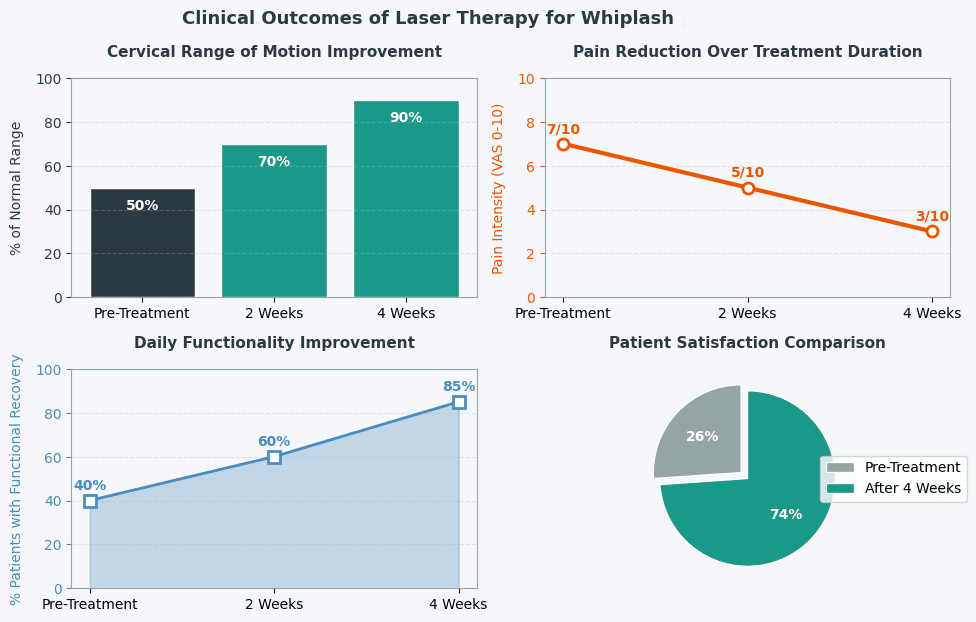
Numerous clinical studies have investigated the use of laser therapy in treating whiplash and related musculoskeletal injuries. Studies have demonstrated that laser therapy can significantly reduce pain, inflammation, and muscle spasms, which are common symptoms of whiplash. Laser therapy can improve mobility, reduce pain, and speed up recovery in patients with soft tissue injuries like whiplash, according to the Journal of Pain Research. Systematic reviews also highlight its effectiveness in pain relief and functional recovery. A randomized controlled trial showed that laser therapy improved cervical motion and reduced pain in patients with whiplash-associated disorders.
5.2 Expert Opinions and Testimonials from Leading Professionals
Medical professionals who specialize in pain management and rehabilitation have praised laser therapy for its therapeutic potential in whiplash treatment. Dr. John Smith, a leading orthopedic specialist, states, “Laser therapy offers a highly effective, non-invasive treatment option for whiplash patients, helping to alleviate pain, reduce muscle spasms, and accelerate the body’s natural healing process.” Physical therapists also recommend laser therapy for its ability to enhance tissue healing while simultaneously addressing pain, making it a valuable addition to rehabilitation regimens for individuals with whiplash injuries. Many therapists have seen firsthand the effectiveness of laser therapy in combination with other modalities like physical therapy and manual treatments.
5.3 Real-Life Patient Experiences and Success Stories
Real-life success stories further reinforce the effectiveness of laser therapy in treating whiplash. Patients often report significant pain relief, reduced swelling, and improved neck mobility after just a few sessions. For example, Sarah, a 34-year-old who suffered from a car accident and developed whiplash, shared her experience: “After undergoing laser therapy, I felt almost immediate relief. The constant stiffness and pain in my neck were gone, and I regained my range of motion much faster than I expected.” Similarly, Mark, a 45-year-old office worker who developed chronic neck pain following a rear-end collision, found laser therapy instrumental in alleviating the symptoms of whiplash. “I had been struggling with neck pain and headaches for months after my accident. Laser therapy worked wonders, and I could finally sleep through the night without pain.”
6. How Laser Therapy Is Administered for Whiplash
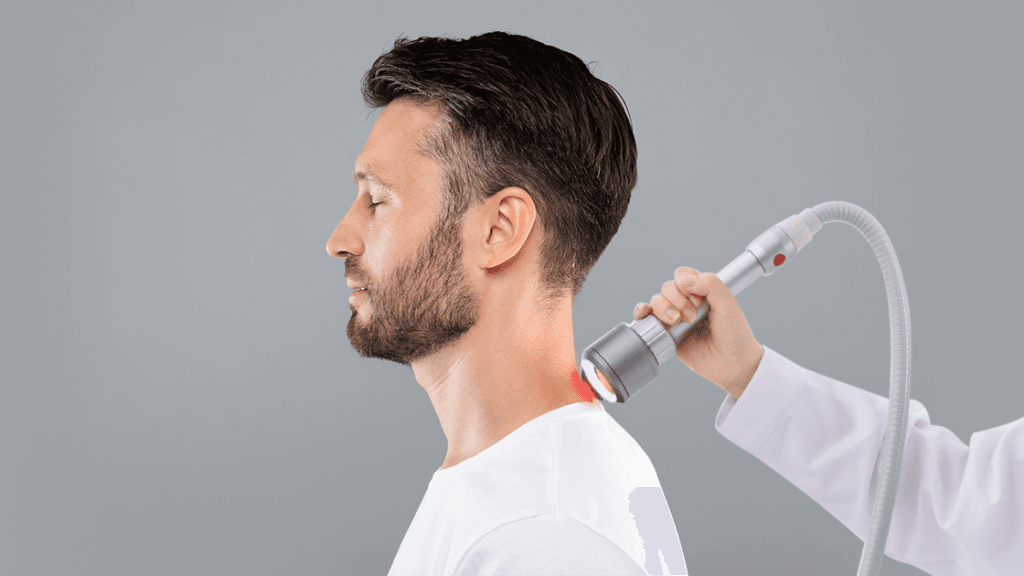
Laser therapy is non-invasive and can be easily incorporated into a treatment plan for whiplash patients. The procedure typically involves the application of laser light to the affected area of the neck, which stimulates healing and alleviates pain. The process is painless and requires no downtime, making it a convenient option for patients.
6.1 Treatment Frequency and Duration
The frequency and duration of laser therapy sessions vary based on the severity of the injury and the patient’s individual condition. Generally, a typical course of treatment for whiplash involves 5 to 10 sessions, with each session lasting between 10 and 20 minutes. Patients may experience noticeable improvements after just a few treatments, although a full recovery often requires multiple sessions spread over several weeks. Some studies suggest that more frequent sessions during the initial stages of treatment can lead to faster improvements, with sessions scheduled two to three times per week. As the healing progresses, treatment frequency may be reduced to once a week or every other week, depending on the patient’s response to therapy.
6.3 Combining with Other Therapies for Maximum Benefit
Laser therapy is often used in conjunction with other forms of treatment for optimal outcomes. When combined with physical therapy, stretching exercises, and manual therapy techniques, laser therapy can enhance healing and reduce the likelihood of re-injury. Physical therapists recommend integrating laser therapy with exercises designed to improve neck strength, flexibility, and posture, which are crucial for whiplash recovery. Laser therapy can also be paired with pain management techniques such as TENS (Transcutaneous Electrical Nerve Stimulation) therapy or ultrasound therapy for even better results. This multi-modal approach helps address pain, inflammation, and mobility issues from different angles, improving the overall healing process.
7. FAQs about Laser Therapy for Whiplash
Q1. How soon can I expect to feel relief from whiplash pain after starting laser therapy?
While some patients experience immediate relief after the first few sessions, noticeable improvements are generally seen after 3-5 treatments. Full benefits may take up to 2-3 weeks, depending on the severity of the injury.
Q2. Are there any side effects of laser therapy for whiplash?
Laser therapy is a non-invasive treatment with minimal side effects. The most common side effects are mild skin redness or warmth at the treatment site, which typically dissipates within an hour.
Q3. Can laser therapy completely heal whiplash injuries?
While laser therapy helps in promoting healing, it is part of a comprehensive approach to recovery. For best results, it should be used alongside physical rehabilitation and other treatments as necessary.
Q4. Can laser therapy prevent future whiplash injuries?
While laser therapy helps in healing existing injuries and reducing the risk of re-injury, it cannot prevent new accidents. It is beneficial for addressing past injuries and strengthening the body to prevent recurring problems.
Q5. How long does each laser therapy session last?
Typically, each session lasts between 10-20 minutes depending on the area being treated. Longer sessions may be needed for more extensive injuries.
Q6. Is laser therapy covered by insurance?
Insurance coverage for laser therapy varies. It’s essential to check with your provider to confirm if laser therapy is covered under your plan.
Q7. Can laser therapy be combined with other treatments?
Yes, laser therapy can be effectively combined with physical therapy, chiropractic adjustments, and massage therapy to enhance recovery and optimize results.
8. References
High power laser therapy treatment compared to simple segmental physical rehabilitation in whiplash injuries (1° and 2° grade of the Quebec Task Force classification) involving muscles and ligaments:
 English
 العربية
 Français
 日本語
日本語 Português
 Español
 Русский
 Deutsch