

Page Contents
1. Introduction
Chronic pain and inflammation have become all too familiar, affecting millions worldwide and limiting daily activities and quality of life. As patients grow wary of long-term medication use and invasive procedures, the search for safer, more effective alternatives intensifies. Enter laser therapy—a modern, non-invasive solution that’s gaining traction in clinics, physical therapy centers, and even homes. By harnessing the power of light at specific wavelengths, laser therapy promotes healing, reduces inflammation, and offers lasting relief for a variety of conditions. But how exactly does it work? What makes it different from traditional methods? And most importantly—can it really deliver results? Let’s begin by understanding the science behind the beam.
2. What Is Laser Therapy?
Laser therapy is more than just a buzzword—it’s a scientifically grounded treatment that uses specific wavelengths of light to stimulate biological processes in the body. Unlike surgical lasers that cut tissue, therapeutic lasers are designed to heal, relieve pain, and reduce inflammation without breaking the skin. The field has rapidly evolved, and today, patients can receive targeted treatment using devices ranging from handheld units to advanced clinical systems. To truly appreciate its impact, we need to first explore the underlying technology and cellular mechanisms at play.
2.1 Understanding the Technology Behind Laser Therapy
At its core, laser therapy uses concentrated light energy at specific wavelengths—typically in the red and near-infrared spectrum. These wavelengths are chosen for their ability to penetrate deep into tissues without damaging them. Devices used in laser therapy emit this light in a focused beam, allowing practitioners to target pain points or inflamed areas with precision. The energy from the laser is absorbed by chromophores—light-sensitive molecules within cells—setting off a cascade of physiological effects. There are different classes of therapeutic lasers. Class III (low-level laser therapy, or LLLT) is generally used for surface-level treatment, while Class IV lasers deliver higher power, allowing for deeper tissue penetration and faster results. Each type has its place in the therapeutic toolkit, and device choice depends on the condition being treated and the setting in which it’s used.
2.2 How Laser Therapy Works on a Cellular Level
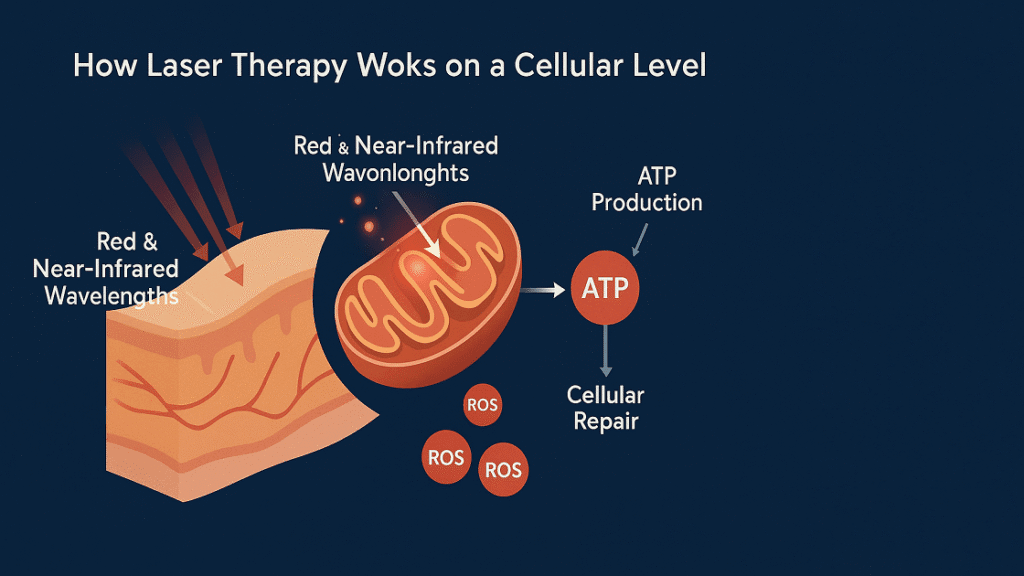
Laser therapy doesn’t merely mask symptoms; it addresses the underlying cellular dysfunction. Once the laser light penetrates the skin and reaches the target tissue, it is absorbed by the mitochondria—the powerhouses of the cell. This absorption stimulates a process known as photobiomodulation, which influences cellular metabolism and accelerates tissue repair. The therapeutic light modulates inflammation, increases blood flow, and enhances oxygen delivery, setting the stage for quicker recovery and less pain.
2.2.1 Photobiomodulation and Its Cellular Impact
Photobiomodulation (PBM) is the cornerstone of laser therapy. It refers to the process in which light energy is absorbed by cellular components, resulting in physiological changes. When light penetrates tissues and interacts with chromophores in the mitochondria—particularly cytochrome c oxidase—it triggers a series of metabolic events. These include increased production of adenosine triphosphate (ATP), modulation of reactive oxygen species, and improved cellular signaling. This leads to faster repair of damaged cells, reduction of oxidative stress, and improved cellular communication. Importantly, PBM also stimulates the release of growth factors and promotes neurogenesis and angiogenesis, which are vital in chronic pain recovery and wound healing. By influencing cells on such a deep level, laser therapy offers more than symptom management—it offers tissue rejuvenation.
2.2.2 ATP Production and Mitochondrial Stimulation
One of the most important effects of laser therapy is the increase in ATP production. ATP, or adenosine triphosphate, is the molecule that fuels nearly all biological processes in the body, from muscle contraction to cell repair. Laser light stimulates cytochrome c oxidase in the mitochondrial respiratory chain, leading to enhanced ATP synthesis. When injured or inflamed tissues receive this energy boost, their recovery accelerates. Cells can regenerate faster, immune responses are regulated, and metabolic functions become more efficient. This is particularly beneficial for tissues with high energy demands, such as nerves, tendons, and muscles. In essence, laser therapy recharges the cell’s battery, providing it with the power needed to heal more effectively.
2.2.3 Vasodilation and Lymphatic Drainage
Another powerful effect of laser therapy is its ability to promote vasodilation—the widening of blood vessels—and stimulate lymphatic activity. Increased blood flow ensures that more oxygen and nutrients reach damaged tissue, which is essential for healing. At the same time, enhanced lymphatic drainage helps remove waste products and reduce swelling. This dual action improves circulation in the treated area, decreases pressure from inflammation, and allows the body’s natural healing processes to proceed more efficiently. For patients dealing with chronic inflammation, post-operative swelling, or fluid buildup from injuries, this benefit is key. It not only reduces discomfort but also accelerates recovery timelines and restores function.
2.3 Devices Used in Clinical and Home Settings
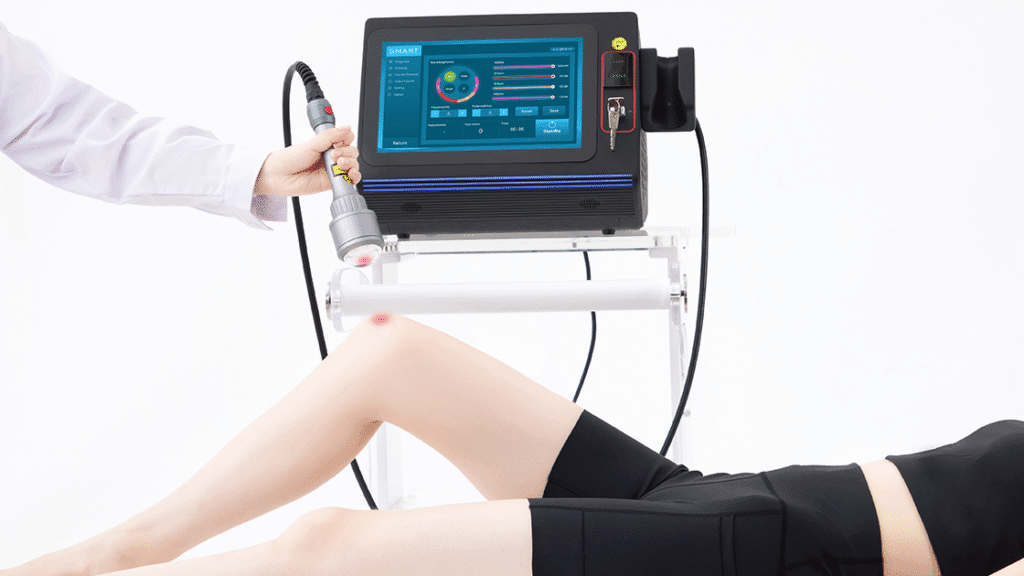
The versatility of laser therapy has led to a wide range of devices tailored to different treatment environments. In clinical settings, high-powered Class IV lasers are commonly used due to their ability to penetrate deep tissues and cover larger treatment areas quickly. These devices often come with adjustable settings, allowing practitioners to customize wavelength, power output, and treatment duration based on the patient’s needs. For home use, portable and user-friendly devices are gaining popularity. While they typically operate at lower power levels (Class I to III), they still provide effective relief for mild to moderate conditions, such as joint pain, muscle stiffness, or early-stage tendonitis. These at-home units offer patients the convenience of daily treatment without the need for frequent clinic visits—making therapy more accessible and cost-effective over time.
3. Laser Therapy’s Role in Pain Management
As pain continues to challenge patients and providers alike, laser therapy has emerged as a non-invasive, drug-free solution. Its multifaceted effects work directly on the root causes of pain—making it more than just a temporary fix. Laser therapy addresses pain through a combination of neuromodulation, inflammation control, and tissue regeneration. Let’s examine how this technology delivers targeted relief.
3.1 Blocks Pain Signals at the Source
Pain is essentially a signal—but when that signal becomes chronic, it disrupts daily life. Laser therapy interrupts this cycle by inhibiting pain transmission at the peripheral nerve level. Specifically, it reduces the firing rate of C-fibers, the nerves responsible for dull, aching sensations. This effect is achieved through photobiomodulation, where laser energy alters cellular metabolism in nerve endings. As a result, patients experience a decrease in perceived pain intensity—often within a few sessions. Importantly, this method doesn’t rely on numbing agents or sedatives. Instead, it restores normal nerve function without the systemic side effects associated with pain medications. That makes it an ideal solution for individuals who want lasting relief without the fog of pharmaceuticals.
3.2 Reduces Inflammatory Markers
Inflammation is at the heart of most pain conditions—from arthritis to acute injuries. Laser therapy combats inflammation at the cellular level by regulating biochemical pathways. It decreases the expression of pro-inflammatory cytokines like IL-1β and TNF-α, while increasing anti-inflammatory agents such as IL-10. The therapy also enhances microcirculation and lymphatic drainage, which helps clear out cellular waste and inflammatory byproducts. This localized reduction in inflammation leads to reduced swelling, pressure, and discomfort. For patients with chronic inflammatory diseases, regular laser therapy can keep flare-ups in check and improve joint or soft tissue mobility over time. The process is natural, non-invasive, and backed by a growing body of clinical evidence.
3.3 Enhances Tissue Healing and Regeneration
One of the most significant advantages of laser therapy is its ability to promote tissue repair. By stimulating mitochondrial activity and ATP production, laser energy fuels the cells responsible for regeneration—fibroblasts, endothelial cells, and myocytes. This leads to faster synthesis of collagen, new capillary formation, and enhanced wound closure. Whether the injury involves muscle, tendon, or nerve tissue, laser therapy accelerates recovery by optimizing the body’s natural healing processes. It also helps reduce scar tissue formation, which can restore flexibility and function more effectively. This makes it particularly useful in post-surgical or sports injury rehabilitation programs.
3.4 Muscle Relaxation and Reduced Spasm
Muscle spasms often arise from injury, poor posture, or chronic tension—and they can be difficult to treat. Laser therapy offers a targeted approach by improving local blood flow and reducing muscle ischemia. Additionally, it decreases nerve hyperexcitability, leading to better control over involuntary muscle contractions. The infrared wavelengths used in Class IV lasers penetrate deep into muscle layers, delivering warmth and relaxation to overactive tissue. This results in improved range of motion and pain relief without the need for muscle relaxants. For patients with conditions like whiplash or chronic neck strain, this effect is both soothing and rehabilitative.
4. Proven Conditions Laser Therapy Treats
Laser therapy’s biological effects translate into real-world relief for many painful conditions. From chronic joint degeneration to acute inflammation, the technology is versatile and adaptable. Below are some of the most common ailments where laser therapy shines as a safe and effective option.
4.1 Chronic Back and Neck Pain
Chronic spinal pain can stem from degenerative disc disease, herniation, or soft tissue strain. Laser therapy addresses these causes through a combination of pain signal modulation, inflammation reduction, and muscle relaxation. By improving blood flow and nerve conduction, it not only reduces discomfort but also restores mobility. For patients who want to avoid long-term use of pain medications or surgery, laser therapy provides a reliable alternative. Clinical studies have shown significant improvements in pain scores and functional capacity after consistent treatment. It’s particularly effective for individuals who spend long hours sitting or working in static postures.
4.2 Join-Related Injuries and Inflammation
Osteoarthritis and rheumatoid arthritis both involve joint inflammation and cartilage degradation. Laser therapy helps slow this process by reducing inflammatory mediators and encouraging joint tissue repair. It can penetrate the joint capsule to reach synovial tissue and bone surfaces, where it promotes chondrocyte activity. Patients often report decreased stiffness and improved movement after just a few sessions. Unlike corticosteroid injections, laser therapy doesn’t come with systemic risks or dependency. It’s safe for long-term use and can be applied across multiple joints during the same session.
4.3 Tendonitis and Bursitis
These soft tissue conditions result from overuse and repetitive strain. Inflammation around tendons or bursae leads to swelling, restricted movement, and localized pain. Laser therapy targets these areas by increasing microcirculation and reducing edema. It also enhances tenocyte activity, helping tendons regenerate faster. For athletes or workers with repetitive motion injuries—like tennis elbow or shoulder bursitis—laser therapy provides faster recovery without invasive interventions. Its precision makes it ideal for treating localized inflammation while preserving the surrounding healthy tissue.
4.4 Fibromyalgia and Myofascial Pain Syndrome
Patients with fibromyalgia often suffer from widespread pain, fatigue, and tender points. Laser therapy offers systemic benefits through its neuromodulatory effects. It helps normalize pain thresholds and reduce hypersensitivity in nerve endings. Additionally, the increased circulation promotes oxygenation and detoxification in muscle tissue. For myofascial pain syndrome, laser therapy softens trigger points and improves fascial glide, reducing referred pain and tension. Patients often describe a reduction in “brain fog” and sleep disturbances after consistent therapy. It’s a gentle yet effective way to manage a condition that often lacks satisfying treatment options.
4.5 Post-Surgical Pain and Swelling
After surgery, managing pain and swelling is crucial for recovery. Laser therapy accelerates the healing timeline by stimulating angiogenesis, collagen remodeling, and lymphatic drainage. It also reduces nociceptor sensitivity, which lowers pain perception at the incision site. Patients recovering from joint replacements, hernia repairs, or cosmetic surgeries benefit from fewer complications and reduced reliance on pain medications. Because laser therapy supports natural tissue regeneration, it also helps minimize scar formation and adhesions.
4.6 Neuropathic Pain (e.g., Sciatica, Trigeminal Neuralgia)
Neuropathic pain is notoriously difficult to treat due to its origin in nerve dysfunction. Laser therapy helps by improving nerve conduction and reducing oxidative stress in affected areas. It also enhances mitochondrial health within neurons, which improves their resilience and function. In cases of sciatica, laser therapy reduces inflammation around the nerve root and alleviates compression. For trigeminal neuralgia, a notoriously painful facial nerve condition, therapy can reduce flare-ups without the sedation often associated with nerve pain medications. With consistent use, many patients experience a longer-lasting reduction in pain episodes.
5. Clinical Evidence and Scientific Support
The therapeutic use of lasers is no longer confined to theoretical discussions; it is backed by robust clinical and experimental research. Numerous randomized controlled trials (RCTs) and meta-analyses confirm laser therapy’s efficacy in reducing musculoskeletal and neuropathic pain. Studies such as those published in Lasers in Medical Science and the Journal of Clinical Medicine demonstrate positive outcomes in patients with knee osteoarthritis, chronic neck pain, and post-herpetic neuralgia. Research highlights not just symptom improvement but also biomarkers of inflammation and cellular recovery. For example, reduced levels of TNF-α and IL-6, and increased mitochondrial activity, are consistently documented. These findings lend credibility to laser therapy’s mechanism of action through photobiomodulation. Moreover, the National Institutes of Health (NIH) and Cochrane reviews increasingly recognize laser therapy as a valuable adjunct to conventional rehabilitation strategies.
6. Safety and Side Effects
Laser therapy, when applied correctly, is considered a safe, non-invasive intervention with minimal risks. However, understanding the nuances of safety profiles and potential side effects is essential for both practitioners and patients.
6.1 Is Laser Therapy Safe?
Yes, laser therapy is generally safe when performed by trained professionals or when home devices are used according to manufacturer guidelines. Most systems are FDA-cleared and designed with safety thresholds. Unlike ablative lasers used in surgery or dermatology, therapeutic lasers do not burn or disrupt tissue. Instead, they work at the cellular level through photochemical effects. The non-ionizing nature of the light also means there’s no risk of DNA mutation or cancer. Proper eye protection remains critical during Class III and IV applications to avoid retinal exposure. When precautions are observed, laser therapy represents one of the safest modalities in physical medicine.
6.2 Common Side Effects and Reactions
While adverse effects are rare, patients may experience transient reactions. Mild erythema (redness), a sensation of warmth, or temporary pain exacerbation may occur after treatment, especially in sensitive individuals or when higher energy doses are used. Occasionally, lightheadedness or fatigue follows therapy—typically a sign of systemic response rather than harm. These effects are short-lived and usually resolve within 24–48 hours. In some cases, overstimulation from inappropriate energy density (measured in J/cm²) can lead to suboptimal outcomes, underscoring the importance of individualized dosing protocols.
6.3 Contraindications: Who Should Avoid It?
Despite its safety profile, laser therapy is contraindicated in certain scenarios. These include direct application over cancerous lesions, the thyroid gland, active hemorrhage, or the uterus during pregnancy. Patients with epilepsy should also be monitored due to the potential for light-induced seizures, although this is exceedingly rare. Caution is advised when treating areas with metallic implants, pacemakers, or in patients using photosensitizing medications. Pregnant patients may benefit from indirect or peripheral applications but should avoid abdominal or lumbar regions unless cleared by a specialist.

7. Who Should Consider Laser Therapy?
With its broad applications and excellent tolerability, laser therapy suits a diverse group of patients—from elite athletes to elderly individuals managing chronic conditions.
7.1 Athletes with Repetitive Injuries
Athletes routinely face microtrauma, muscle strain, and overuse syndromes. Laser therapy accelerates recovery by improving tissue oxygenation, reducing inflammation, and enhancing collagen synthesis. It also offers a drug-free alternative to NSAIDs or corticosteroid injections, reducing systemic risks. For conditions like plantar fasciitis, tennis elbow, or runner’s knee, laser therapy restores functional capacity without interrupting training schedules. Many sports medicine clinics integrate it alongside manual therapy and physiotherapy for comprehensive rehabilitation.
7.2 Seniors with Osteoarthritis or Joint Degeneration
Older adults often struggle with degenerative joint disease, characterized by stiffness, swelling, and chronic discomfort. Laser therapy supports joint health by reducing inflammatory cytokines and enhancing cartilage metabolism. Unlike oral analgesics, which carry gastrointestinal or renal risks, laser treatment is localized and side-effect free. It also complements exercise and mobility programs by improving range of motion and decreasing flare-ups, making it an ideal option for geriatric pain management.
7.3 People Seeking Alternatives to Drugs or Surgery
Many individuals today prefer non-pharmacological approaches to pain. Laser therapy aligns well with holistic or integrative care models. It provides measurable results without reliance on opioids, muscle relaxants, or invasive procedures. Patients with liver disease, GI ulcers, or sensitivities to medications especially benefit from laser’s non-systemic nature. Furthermore, laser therapy serves as a preventive modality, managing inflammation early before it escalates into chronic dysfunction or requires surgery.
7.4 Patients in Post-Surgical Recovery Phases
Postoperative recovery can be complex, involving pain, inflammation, and limited mobility. Laser therapy supports tissue repair by boosting ATP production, increasing local circulation, and reducing edema. This makes it particularly effective in orthopedic surgeries such as joint replacements or spinal procedures. It shortens recovery time, reduces reliance on pain medications, and may help prevent postoperative complications like scar adhesion or chronic pain development. As part of a multidisciplinary rehabilitation plan, laser therapy enhances outcomes and patient satisfaction.
8. Getting Started: Choosing the Right Provider
If laser therapy sounds like the right path for you, the next step is finding a qualified provider. Not all clinics are created equal, and choosing the right one can make a significant difference in your results. Start by looking for providers with experience in therapeutic laser applications, particularly those using FDA-cleared Class III or Class IV devices. Ask about their training, the type of laser system they use, and what conditions they specialize in. A knowledgeable practitioner will conduct a full evaluation, explain the treatment plan, and tailor sessions to your specific needs. Some patients may benefit from in-clinic treatments using high-powered lasers, while others might prefer a home-use device for ongoing maintenance. In this case, the provider can help you choose a safe, effective unit suited for your condition, along with clear instructions for use. Transparency is key—so if a provider promises instant results or claims laser therapy is a miracle cure, consider that a red flag. While the therapy is powerful, it works best as part of a consistent, well-rounded health plan. Look for someone who treats you as a partner in the healing process.
9. FAQs
Yes. Clinical studies show that laser therapy can effectively reduce chronic pain by stimulating tissue repair, reducing inflammation, and blocking pain signals. Many patients report significant improvement after just a few sessions, especially for conditions like arthritis, sciatica, and chronic back or neck pain.
Laser therapy is generally very safe when performed correctly. Side effects are rare and typically mild—such as temporary redness or slight soreness in the treated area. It’s non-invasive, drug-free, and FDA-cleared for various conditions. However, it should always be administered by trained professionals or used according to guidelines for home devices.
Most people start feeling better after 3–5 sessions. Acute injuries may respond faster, while chronic conditions often need 8–12 sessions for optimal results. Consistency is key—results are cumulative and improve over time.
Not at all. Patients usually describe a warm, pleasant sensation during treatment. There’s no burning, stinging, or discomfort. Some even compare it to a gentle heating pad or mild sun warmth.
Absolutely. Laser therapy works well as part of a comprehensive care plan. It’s commonly combined with physical therapy, chiropractic care, massage, or acupuncture. It can also support faster post-surgical recovery.
Home-use laser devices are convenient and useful for ongoing care of mild to moderate conditions. However, clinical lasers—especially Class IV systems—are more powerful and penetrate deeper. For complex or severe issues, clinical treatment is typically more effective, but home devices can help maintain results between sessions.
 English
 العربية
 Français
 日本語
日本語 Português
 Español
 Русский
 Deutsch