

Page Contents
1. Introduction
Low-Level Laser Therapy (LLLT), also known as photobiomodulation, is a non-invasive treatment modality that utilizes specific wavelengths of light to stimulate cellular function, promote healing, and alleviate pain. Over the past few decades, LLLT has gained traction in both clinical and home settings due to its efficacy and minimal side effects. This article delves into the science behind LLLT, its benefits, applications, and how modern devices bring clinical-grade therapy into the comfort of your home.
2. Understanding Low-Level Laser Therapy
2.1 What Is Low-Level Laser Therapy?
Low-Level Laser Therapy (LLLT) is a form of light therapy that utilizes red or near-infrared light to stimulate cellular function and promote healing. Unlike high-power surgical lasers, LLLT does not cut or ablate tissue. Instead, it delivers photons at low intensities (typically below 500 mW) to the skin and subdermal tissues, where they are absorbed by chromophores within cells, particularly cytochrome c oxidase in mitochondria. This interaction initiates a cascade of biological processes, including increased adenosine triphosphate (ATP) production, improved cellular respiration, and reduced oxidative stress. Because of its low intensity and lack of thermal damage, LLLT is suitable for repeated use on sensitive or damaged tissues.
2.2 How Does LLLT Work?
LLLT operates on the principle of photobiomodulation, where specific wavelengths of light penetrate tissue and are absorbed by mitochondrial photoreceptors. This absorption triggers increased ATP synthesis and modulation of reactive oxygen species (ROS), both of which are critical to cellular signaling and repair. Enhanced ATP production provides cells with the energy needed to accelerate regeneration and reduce inflammation. Additionally, LLLT influences gene transcription related to cytokine production and growth factor expression, contributing to improved tissue repair. The treatment also downregulates cyclooxygenase-2 (COX-2) and pro-inflammatory cytokines like TNF-α and IL-1β, reducing inflammation and associated pain.

2.3 Wavelengths and Power Levels: What Science Recommends
Scientific consensus suggests that optimal therapeutic effects occur within specific optical windows—typically between 600–700 nm for superficial tissues and 780–950 nm for deeper tissues. The PowerCure device, for example, utilizes wavelengths like 808 nm and 980 nm, allowing for both superficial and deep penetration depending on treatment needs. These wavelengths target mitochondrial chromophores efficiently while minimizing scattering and absorption by water or melanin. Power output between 100–500 mW per diode is considered low-level but sufficient to activate biological responses without thermal damage. For consistent clinical results, irradiance (power per cm²) should be maintained between 5–50 mW/cm², with fluence (energy per cm²) commonly ranging from 1 to 10 J/cm² depending on the condition being treated.
3. Proven Benefits of Low-Level Laser Therapy
3.1 Effective Pain Relief Without Drugs
LLLT provides a significant advantage over pharmacologic approaches to pain relief by targeting the underlying biological mechanisms rather than masking symptoms. By modulating peripheral nerve conduction and suppressing excitatory neurotransmitters like substance P and glutamate, LLLT reduces nociceptive signaling. Furthermore, it activates endogenous opioid pathways, enhancing the release of β-endorphins and enkephalins that promote analgesia. This multifaceted action allows for rapid and sustained pain relief without the gastrointestinal, hepatic, or addiction-related side effects of NSAIDs or opioids. Clinical applications include chronic low back pain, fibromyalgia, and temporomandibular joint disorders, all of which respond favorably to regular LLLT sessions.
3.2 Reduced Inflammation and Swelling
Inflammation is often the body’s response to tissue damage but can become pathological when prolonged. LLLT attenuates this inflammatory response by reducing the levels of pro-inflammatory cytokines (TNF-α, IL-6, IL-1β) and chemokines while increasing anti-inflammatory cytokines like IL-10. It also inhibits the nuclear factor kappa B (NF-κB) pathway, which plays a central role in chronic inflammation. At the microvascular level, LLLT reduces capillary permeability and edema formation, resulting in visibly decreased swelling. This makes it highly effective in conditions like bursitis, tendonitis, and post-traumatic soft tissue inflammation.
3.3 Accelerated Tissue Repair and Regeneration
By enhancing mitochondrial function, LLLT accelerates the natural healing process. Increased ATP production fuels essential cellular activities, such as fibroblast proliferation, collagen synthesis, and keratinocyte migration. Additionally, laser exposure stimulates the release of growth factors like vascular endothelial growth factor (VEGF) and transforming growth factor-beta (TGF-β), promoting angiogenesis and tissue remodeling. Clinical outcomes include faster healing of ligament sprains, muscle tears, and tendon injuries. LLLT also aids in cartilage regeneration, making it an adjunctive therapy for degenerative joint conditions like osteoarthritis.
3.4 Enhanced Blood Flow and Microcirculation
Improved circulation is crucial for delivering oxygen and nutrients to injured tissue. LLLT promotes vasodilation through the release of nitric oxide (NO) from endothelial cells, leading to improved blood flow and oxygenation. At the microcirculatory level, capillary density increases due to angiogenic stimulation. Enhanced microperfusion facilitates the removal of metabolic waste and inflammatory mediators from damaged tissue, expediting recovery. In ischemic conditions such as diabetic peripheral neuropathy and venous ulcers, this effect can significantly improve tissue oxygenation and wound closure rates.
3.5 Non-Invasive and Safe Alternative to Injections
Unlike corticosteroid or anesthetic injections, which involve needles and carry risks like infection, bleeding, and tissue atrophy, LLLT is entirely non-invasive. It poses no risk of systemic side effects and can be applied repeatedly without compromising tissue integrity. Its safety has been validated through multiple double-blind, placebo-controlled clinical trials, showing minimal adverse effects even in vulnerable populations such as the elderly or those with chronic conditions. This makes LLLT particularly appealing for needle-averse patients or those contraindicated for pharmacologic therapies.
3.6 Cellular Benefits Without Tissue Damage
One of the most distinguishing features of LLLT is its ability to induce profound biological effects without generating heat or causing structural damage. Operating at power levels below 500 mW, the light energy penetrates tissue layers to stimulate photochemical reactions while avoiding thermal injury. This ensures safety in repeated applications, especially over sensitive or compromised tissue. Moreover, photobiomodulation supports genomic stability and cellular homeostasis by reducing DNA oxidative stress and modulating apoptotic signaling pathways. This delicate balance between stimulation and safety underpins the broad applicability of LLLT in both acute and chronic treatment paradigms.
4. Types of Conditions Treated with LLLT
4.1 Chronic Joint and Muscle Pain
Chronic joint and muscle pain—such as that caused by osteoarthritis, rheumatoid arthritis, and fibromyalgia—can significantly reduce quality of life. Low-Level Laser Therapy (LLLT) offers a non-invasive and drug-free solution to manage this discomfort. By targeting deep tissues with low-level light, LLLT stimulates mitochondrial activity, which promotes cellular energy production and tissue repair. This process reduces inflammation and desensitizes nerve endings, effectively diminishing pain. Unlike traditional treatments that often rely on painkillers with side effects, LLLT addresses the root cause of discomfort, improving range of motion and joint flexibility over time. Regular sessions can help patients regain mobility and return to daily activities with greater ease and comfort.
4.2 Neuropathic Pain and Nerve Conditions
Neuropathic pain, often described as burning, shooting, or tingling, arises from damaged or dysfunctional nerves. It is notoriously difficult to treat with conventional methods. LLLT offers hope for conditions like sciatica, diabetic neuropathy, trigeminal neuralgia, and carpal tunnel syndrome. The therapy works by modulating nerve activity and encouraging natural nerve regeneration. It improves microcirculation around nerves, reduces oxidative stress, and restores normal nerve conduction. These effects help alleviate discomfort and restore sensation. Many patients who have struggled with long-standing nerve pain report improved sleep, reduced dependence on medication, and enhanced quality of life after incorporating LLLT into their treatment regimen.
4.3 Acute Sports and Soft Tissue Injuries
Injuries such as sprains, strains, tendonitis, and contusions are common among athletes and active individuals. LLLT accelerates healing by enhancing blood flow, reducing inflammation, and promoting tissue repair at the cellular level. It encourages the formation of new capillaries and collagen—two key elements in tissue regeneration. As a result, swelling and bruising are minimized, pain subsides more quickly, and recovery times are shortened. Many sports clinics now use LLLT immediately after injury to prevent complications and facilitate faster return to activity. Whether it’s a pulled hamstring or a twisted ankle, laser therapy provides a safe and effective tool to support the body’s natural healing process.
4.4 Post-Surgical Recovery
Recovering from surgery can be a slow and painful process, often accompanied by swelling, scarring, and limited mobility. LLLT is increasingly used in postoperative care to speed up healing, reduce inflammation, and relieve pain. It stimulates the production of fibroblasts and collagen, which are essential for wound repair and tissue regeneration. Surgeons and physiotherapists apply LLLT to surgical sites to minimize scar formation and enhance cosmetic outcomes. It also reduces the need for pain medications, helping patients avoid common side effects. From joint replacements to cosmetic surgery, LLLT supports faster, cleaner recoveries with fewer complications.
4.5 Oral and Dental Use Cases
Dentists have found LLLT to be an invaluable tool in managing a wide range of oral conditions. It is effective in reducing inflammation and pain associated with periodontal disease, gingivitis, and temporomandibular joint disorder (TMD). LLLT also speeds up healing after extractions, implants, and other surgical procedures. For patients undergoing orthodontic treatment, it can help reduce the discomfort of tooth movement. Moreover, it supports tissue regeneration and reduces bacterial load in the mouth, contributing to better overall oral hygiene. Dental professionals appreciate LLLT’s ability to provide gentle yet powerful care that complements both traditional and advanced dental treatments.
4.6 Veterinary and Animal Care
Animals, like humans, suffer from conditions such as arthritis, soft tissue injuries, and postoperative pain. LLLT is widely used in veterinary medicine to treat these problems safely and effectively. It is commonly applied to manage inflammation, promote healing, and alleviate pain in dogs, cats, and horses. Veterinary LLLT is particularly useful for older animals with chronic joint issues and pets recovering from surgery. The treatment is non-invasive, stress-free, and well-tolerated—making it ideal for animals who may be anxious or sensitive to handling. Pet owners increasingly seek out clinics offering laser therapy as part of a holistic approach to animal wellness.
4.7 Wound Healing and Ulcer Management
Chronic wounds, such as diabetic ulcers, pressure sores, and surgical incisions, often struggle to heal due to poor circulation and tissue damage. LLLT enhances the body’s natural wound-healing processes by increasing blood flow, reducing inflammation, and stimulating the growth of new tissue. It accelerates re-epithelialization and promotes angiogenesis, key processes in restoring skin integrity. Patients with slow-healing wounds benefit from reduced infection risk and faster recovery times. In both hospital and home settings, LLLT has become a trusted addition to comprehensive wound care programs.
5. Backed by Research: What Science Says About LLLT
5.1 Clinical Trials and Evidence-Based Support
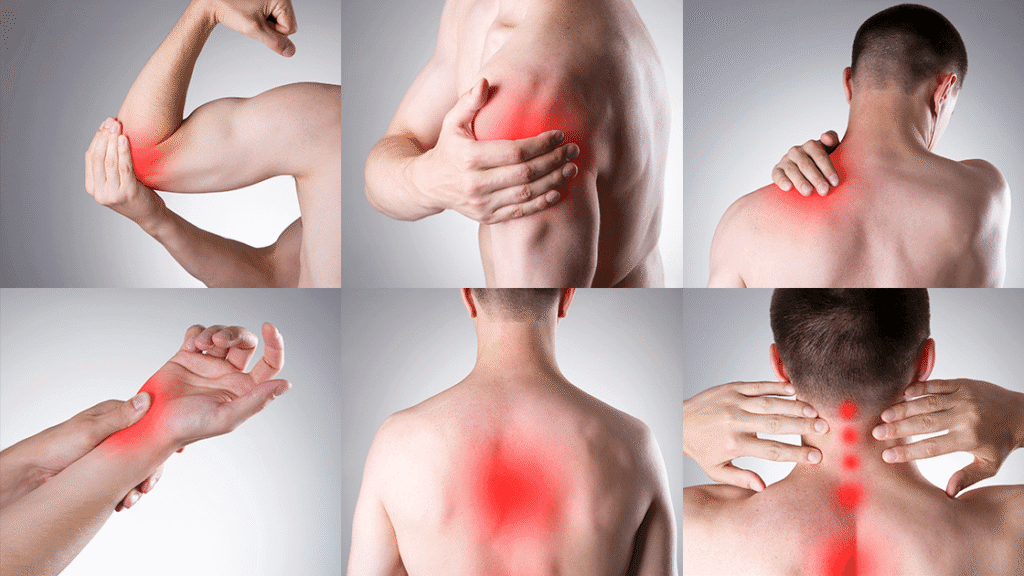
LLLT is one of the most well-researched light therapies available today. Numerous clinical trials and meta-analyses have confirmed its safety and effectiveness across various conditions, from musculoskeletal disorders to neuropathic pain and wound healing. Studies published in respected journals have shown statistically significant improvements in pain relief, inflammation control, and functional recovery. For example, the Cochrane Library and PubMed house multiple reviews supporting LLLT’s efficacy in treating neck pain, knee osteoarthritis, and diabetic foot ulcers. These findings have helped LLLT earn endorsements from professional organizations and gain regulatory approval in many countries.
5.2 Mechanisms Proven in Laboratory Settings
Scientific research has shed light on how LLLT works at the cellular and molecular levels. The therapy enhances mitochondrial function by activating cytochrome c oxidase, which leads to increased ATP production. This boost in energy supports faster cell regeneration, reduced inflammation, and improved tissue repair. LLLT also influences the release of nitric oxide, which improves circulation, and modulates reactive oxygen species (ROS), reducing oxidative stress. These effects have been confirmed in both in-vitro studies and animal models, forming a solid foundation for the therapy’s clinical use. Its ability to trigger biological change without causing thermal damage sets LLLT apart from other physical therapies.
5.3 Long-Term Results and Recurrence Prevention
One of the key advantages of LLLT is its potential to offer long-term benefits without the risks associated with repeated medication or surgery. Patients often report not only immediate symptom relief but also a reduction in flare-ups and recurrence over time. In chronic conditions like arthritis and neuropathy, regular LLLT sessions can lead to sustained improvements in pain, mobility, and daily function. Unlike short-term solutions that merely mask symptoms, LLLT promotes true healing at the cellular level. As such, it serves as a reliable maintenance therapy for those seeking to manage persistent pain or inflammation naturally and safely.
5.4 Global Adoption in Clinical Protocols
The use of LLLT has expanded rapidly around the world, with healthcare providers across disciplines integrating it into their treatment protocols. From hospitals and physiotherapy clinics to dental offices and veterinary practices, LLLT is now considered a mainstream option in many parts of Europe, Asia, and North America. Professional bodies such as the World Association for Photobiomodulation Therapy (WALT) provide guidelines for optimal dosages and treatment parameters. This growing global consensus reflects both clinical success and patient satisfaction. As more practitioners and patients become aware of its benefits, LLLT continues to gain momentum as a preferred non-invasive therapy.
6. Integration Into Clinical Practice
6.1 Physical Therapy and Rehabilitation Centers
Low-Level Laser Therapy (LLLT) is increasingly embraced in physical therapy and rehabilitation settings as a core tool for pain relief, accelerated healing, and functional recovery. Therapists use LLLT to treat musculoskeletal issues such as back pain, arthritis, sprains, tendonitis, and post-operative stiffness. Its ability to penetrate tissues non-invasively and stimulate cellular repair makes it ideal for patients undergoing rehab from injuries or surgeries. LLLT sessions are often combined with manual therapy, stretching, and strength training to enhance therapeutic outcomes. In chronic cases, LLLT helps reduce reliance on pain medications and allows for earlier progression to active therapy. Clinics typically integrate LLLT into personalized treatment plans, tailoring dosages and wavelengths to specific conditions. The therapy’s pain-reducing effects also allow patients to tolerate more intensive exercises, ultimately speeding up their rehabilitation timeline.
6.2 Dental and Oral Health Applications
Dentists and oral surgeons now use LLLT as both a therapeutic and preventive measure. It’s a cornerstone in treating conditions like periodontal disease, root sensitivity, and jaw pain related to temporomandibular joint disorders (TMD). The ability of LLLT to promote soft tissue regeneration and reduce bacterial load makes it especially useful after surgeries such as extractions, gum grafts, or implant placements. In orthodontics, LLLT can help alleviate discomfort from braces and speed up tooth movement by stimulating the periodontal ligament. Many dental clinics also use it to manage oral mucositis in patients undergoing cancer treatments and to enhance healing from cosmetic procedures. Because the treatment is painless and non-invasive, it is well-tolerated by anxious patients, including children and the elderly. Its integration into routine dental care reflects a broader trend toward technology-driven, patient-friendly dentistry.
6.3 Sports Medicine and Athletic Recovery
In the realm of sports medicine, LLLT has become a go-to solution for athletes seeking faster recovery and pain relief without pharmaceuticals. Whether used by professional teams or weekend warriors, laser therapy aids in managing acute injuries like sprains and muscle tears, as well as chronic issues such as tendonitis or bursitis. Sports medicine specialists use LLLT to reduce inflammation, promote muscle repair, and prevent scar tissue buildup. It’s often applied before or after workouts, physical therapy sessions, and even competitive events to maintain peak performance. Athletic trainers appreciate the portability of LLLT devices, which can be used on-site during games or training sessions. As athletes increasingly prioritize long-term joint health and drug-free recovery methods, LLLT stands out as a safe, performance-enhancing technology with minimal risk.
6.4 Veterinary Practices
Veterinary clinics have embraced LLLT for its ability to improve outcomes in animals with minimal stress and discomfort. From arthritic pets to performance horses, animals benefit from laser therapy in much the same way humans do—through pain reduction, accelerated healing, and improved mobility. Vets commonly use LLLT for post-surgical recovery, joint inflammation, wounds, and soft tissue injuries. It’s particularly effective for managing age-related degenerative conditions in older pets who may not be good candidates for surgery or chronic medications. The quick, non-invasive nature of treatments makes it ideal for animals that are difficult to restrain or those with anxiety. Some practices even offer mobile LLLT services for farm animals or in-home pet care. As more pet owners seek holistic and non-invasive therapies, LLLT continues to grow as a trusted tool in modern veterinary medicine.
7. Clinical Power Meets Home Convenience
7.1 How Home Laser Devices Match Clinical Performance
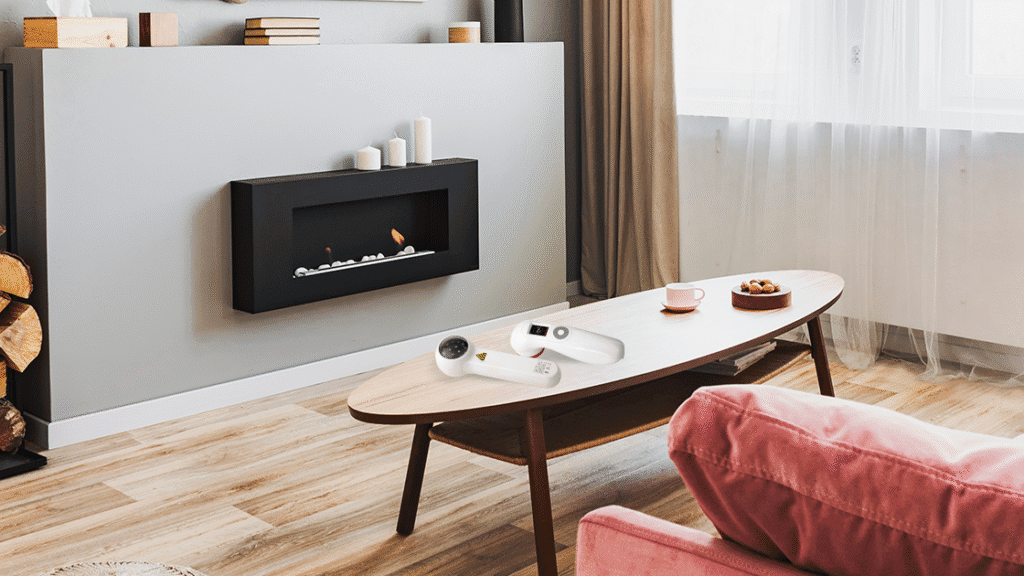
Recent advancements in photobiomodulation have brought clinical-grade Low-Level Laser Therapy (LLLT) into the comfort of patients’ homes. Home-use laser devices now offer comparable therapeutic parameters—including wavelength, power output, and treatment area coverage—to those used in professional settings. Devices operating within the 800–980 nm wavelength range penetrate deeply into musculoskeletal tissue, targeting joints, nerves, and muscles. High-quality portable lasers employ continuous wave and pulsed modes to address both acute and chronic conditions effectively. Their portability and ease of use enable patients to maintain consistent treatment schedules, which is critical for conditions that require long-term management. As a result, home LLLT devices are bridging the gap between clinic and home, delivering outcomes that once required multiple office visits.
7.2 Why PowerCure is Leading the Home Laser Movement
Among the new generation of at-home LLLT devices, PowerCure has emerged as a leader by offering a well-balanced combination of performance, versatility, and ease of use. Utilizing dual wavelengths (810 nm and 980 nm), the PowerCure system targets both superficial and deeper tissue layers. This dual-targeting strategy enhances cellular repair, improves microcirculation, and ensures comprehensive pain relief. The device features multiple preset modes for specific conditions—such as joint pain, neuropathy, and inflammation—making it user-friendly even for individuals with no medical training. The device is also designed with Class IIIb to Class IV performance benchmarks in mind, offering power output levels that support therapeutic depth without risking tissue overheating. Its ergonomic design and intuitive interface make PowerCure a go-to choice for individuals seeking clinic-level results at home.
7.3 PowerCure Pro: Deeper Relief, Better Results
For users requiring more robust treatment, PowerCure Pro offers an upgraded experience with professional-grade capabilities. With enhanced power output and optimized beam focusing, the Pro model ensures deeper penetration into dense tissue structures such as lumbar muscles, tendons, and larger joints. This makes it ideal for athletes, chronic pain sufferers, and post-surgical patients seeking faster results and longer-lasting relief. The PowerCure Pro also incorporates dynamic pulse modulation and adjustable frequency ranges to tailor each session based on the condition being treated—ranging from acute injury to long-term degenerative disorders. With added features like auto-dosing timers and rechargeable battery packs, the device seamlessly blends therapeutic strength with user convenience.
7.4 Safety and Ease-of-Use for Individuals
Safety remains a top priority in the design of at-home LLLT devices. PowerCure integrates multiple safeguards, including automatic shut-off, eye protection mechanisms, and preset intensity levels aligned with international photobiomodulation safety standards. The device operates within non-ionizing, non-thermal parameters, ensuring no risk of burns or tissue damage. In addition, its lightweight design and ergonomic grip make it accessible for individuals with limited hand strength or dexterity—such as elderly users or those recovering from upper limb injuries. Easy-to-follow user guides, online video tutorials, and customer support further ensure that users can administer treatments confidently and correctly. This combination of safety and simplicity allows PowerCure to extend clinical-grade therapy to nearly anyone, anywhere.
8. Wrap-Up: Bringing Clinical Laser Power to Your Daily Life Anytime, Anywhere
Low-Level Laser Therapy is no longer confined to specialty clinics and rehabilitation centers. Thanks to innovative technologies like PowerCure, individuals can now experience the proven benefits of photobiomodulation therapy from the comfort of their own homes. By merging high therapeutic efficacy with portability, PowerCure devices empower users to manage pain, accelerate healing, and enhance mobility without relying on pharmaceuticals or frequent clinic visits. Whether you’re an athlete recovering from injury, a senior managing arthritis, or a busy professional seeking drug-free relief, LLLT offers a safe, science-backed solution. As awareness and access expand, laser therapy is poised to become a staple in modern home healthcare—improving lives one beam at a time.
9. FAQs about LLLT
Not exactly. While LLLT often uses near-infrared wavelengths (typically 700–1000 nm), it specifically refers to laser-based light that produces biological effects without thermal damage. Infrared therapy can be delivered via non-coherent light sources and is generally less targeted than laser therapy.
Treatment frequency depends on the condition being treated. For chronic pain, 3–5 sessions per week are typical in the initial phase. As symptoms improve, users can reduce frequency to a maintenance schedule, such as once or twice a week.
No. LLLT is completely non-invasive and pain-free. Users may feel a gentle warming or tingling sensation during use, but there is no discomfort or downtime associated with treatments.
Yes—with professional guidance. LLLT is widely used in pediatric physical therapy and veterinary care. Devices like PowerCure are suitable for animals and children, provided protocols and safety measures are strictly followed.
Side effects are rare and typically mild, such as temporary redness or increased sensitivity in the treatment area. It is important to avoid direct eye exposure and follow the user manual to ensure proper application.
 English
 العربية
 Français
 日本語
日本語 Português
 Español
 Русский
 Deutsch