

Page Contents
1. Introduction
Modern healthcare is rapidly embracing non-invasive treatments that promote healing while minimizing side effects. Among these, Class IV laser therapy stands out as a transformative solution in pain management and tissue repair. Also known as high-power laser therapy or photobiomodulation therapy (PBMT), it uses concentrated light energy to stimulate cellular regeneration, reduce inflammation, and relieve pain—targeting the root causes rather than just masking symptoms. Unlike conventional treatments that rely heavily on medications or surgery, Class IV laser therapy supports the body’s natural healing, offering a safer, more sustainable path to recovery. As healthcare systems face rising costs, opioid concerns, and increasing demand for effective care, this therapy provides a proven, evidence-based alternative. Its integration into modern health plans reflects a shift toward patient-centered, long-term wellness strategies. With applications across musculoskeletal injuries, chronic pain, post-surgical recovery, and more, Class IV laser therapy is redefining therapeutic standards and elevating patient outcomes.
2. How Class IV Laser Therapy Works
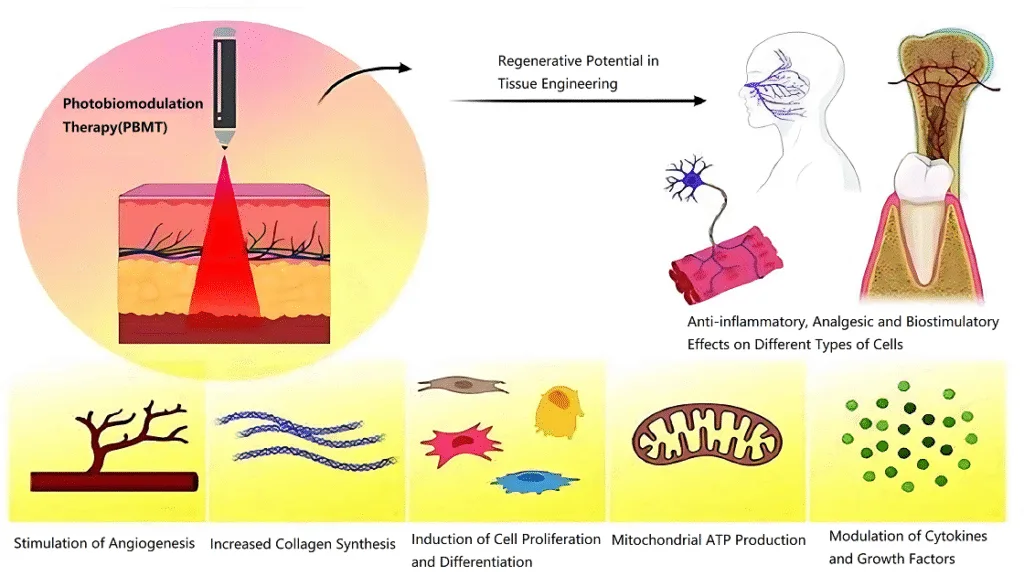
The therapeutic efficacy of Class IV laser therapy stems from its ability to deliver high-powered, concentrated light energy deep into tissues, initiating a cascade of beneficial biological responses through the process of photobiomodulation. Understanding these fundamental mechanisms is essential for appreciating how Class IV laser therapy achieves its remarkable therapeutic outcomes and why it has become an indispensable component of modern comprehensive health plans.
2.1 Cellular ATP Production Enhancement
Class IV laser therapy boosts cellular energy by stimulating ATP production through the activation of cytochrome c oxidase in mitochondria. This photobiomodulation process enhances metabolic activity by absorbing specific light wavelengths, leading to increased oxygen utilization and energy output. Elevated ATP levels support faster protein synthesis, tissue repair, and immune function. This is especially beneficial for patients with chronic pain or delayed recovery, where cellular energy deficits hinder healing. The therapy creates a metabolic feedback loop: more ATP improves tissue performance, which promotes further regeneration. As a cornerstone of the laser’s therapeutic effects, ATP enhancement directly influences the speed and quality of healing across a range of conditions, from musculoskeletal injuries to post-operative recovery.
2.2 Mitochondrial Function Optimization
Beyond energy production, Class IV laser therapy enhances overall mitochondrial function. It improves electron transport chain efficiency and stabilizes mitochondrial membrane potential, reducing oxidative stress and maintaining calcium balance. These effects create a healthier intracellular environment that promotes resilience under stress. The therapy also helps regulate reactive oxygen species and boosts beneficial signaling pathways, further supporting tissue repair. Conditions like fibromyalgia, chronic fatigue, and age-related degeneration often involve mitochondrial dysfunction, making this optimization crucial. By restoring efficient cellular respiration, laser therapy improves both short-term healing and long-term cellular vitality, offering a foundational strategy for managing complex, energy-depleted conditions.
2.3 Anti-Inflammatory Cascade Activation
Class IV laser therapy modulates inflammation by reducing pro-inflammatory cytokines, stabilizing cell membranes, and limiting immune cell infiltration. It also enhances circulation and oxygenation, accelerating removal of inflammatory waste and supporting natural tissue recovery. One of its most advanced effects is the activation of specialized pro-resolving mediators (SPMs), which not only reduce inflammation but actively guide tissues back to homeostasis. This approach differs from drug-based anti-inflammatory methods that suppress symptoms without resolving underlying issues. The result is reduced pain, minimized swelling, and a lower risk of chronic inflammation—key in managing conditions like arthritis, soft tissue injuries, and neuropathies.
2.4 Enhanced Circulatory and Lymphatic Response
Class IV laser therapy improves both blood and lymph flow, promoting efficient nutrient delivery and waste removal. It induces vasodilation by stimulating nitric oxide release and relaxing vascular smooth muscle, increasing oxygen and nutrient availability in injured tissues. Simultaneously, it activates lymphatic drainage, helping clear cellular debris, proteins, and inflammatory byproducts. This dual action supports healing while reducing swelling and inflammation. The benefits are especially critical for tendons, ligaments, and cartilage—tissues with limited blood supply. Enhanced microcirculation ensures that even these difficult-to-reach areas receive the metabolic support needed for effective recovery and regeneration.
3. Clinical Integration of Class IV Laser Therapy in Modern Health Plans
The versatility and efficacy of Class IV laser therapy have led to its widespread integration across diverse medical specialties and clinical applications, making it an invaluable component of comprehensive health plans that prioritize evidence-based, patient-centered care. The following sections explore the specific ways Class IV laser therapy enhances treatment outcomes across various clinical scenarios and patient populations.
3.1 Pain Management in Chronic Conditions
Chronic pain represents one of the most challenging aspects of modern healthcare, affecting millions of individuals worldwide and placing significant burdens on healthcare systems, patients, and their families. Class IV laser therapy has emerged as a particularly effective tool for managing chronic pain conditions through its ability to address multiple underlying mechanisms simultaneously while providing both immediate symptom relief and long-term therapeutic benefits.
3.1.1 Joint-Related Pain Treatment
Class IV laser therapy effectively treats joint pain by penetrating deep into tissues and reducing inflammation. In osteoarthritis, it targets cartilage degeneration, synovial inflammation, and subchondral bone pain. Laser energy stimulates chondrocyte activity, reduces pro-inflammatory cytokines, and improves synovial fluid production, aiding joint lubrication and function. Its photobiomodulation enhances cell metabolism and tissue repair in joints. For inflammatory arthropathies like rheumatoid arthritis, it modulates immune responses and reduces joint swelling, stiffness, and pain. Patients intolerant to or requiring support alongside DMARDs may benefit from this non-invasive option. By addressing both structural and inflammatory contributors to joint disorders, Class IV laser therapy improves mobility and quality of life without relying solely on medication.
3.1.2 Fibromyalgia and Widespread Pain Syndromes
Class IV laser therapy offers a drug-free solution for fibromyalgia, targeting both peripheral pain and central sensitization. It reduces inflammation, restores cellular energy, and enhances blood flow in muscle tissues, relieving pain at trigger points and improving tissue oxygenation. Laser therapy also supports systemic healing by improving mitochondrial function—essential for patients with chronic fatigue. By normalizing nociceptive input, it may help interrupt abnormal pain processing and improve sleep, mobility, and energy. This multi-layered approach makes it a valuable option for managing fibromyalgia symptoms that often resist conventional therapies, offering a safe and well-tolerated complement to other treatments.
3.1.3 Neuropathic Pain and Nerve Disorders
Class IV laser therapy supports nerve repair while easing neuropathic pain, including diabetic neuropathy and post-herpetic neuralgia. It enhances mitochondrial activity, stimulates microcirculation, and reduces inflammation, which aids nerve regeneration and pain relief. In diabetic neuropathy, where mitochondrial dysfunction leads to nerve damage, laser therapy restores cellular energy and promotes healing. For post-infectious nerve pain, it reduces lingering inflammation and modulates central sensitization. This dual effect—nerve healing and analgesia—makes it a promising option for patients seeking alternatives to medications, especially those struggling with chronic nerve pain and reduced function.
3.2 Sports Medicine and Athletic Performance Enhancement
The demanding physical requirements of athletic performance and the high incidence of sports-related injuries have made Class IV laser therapy an essential component of modern sports medicine programs. The therapy’s ability to accelerate healing, reduce recovery time, and support performance optimization makes it invaluable for athletes at all levels, from weekend warriors to professional competitors.
3.2.1 Muscle Strain and Sports Injury Recovery
Class IV laser therapy aids muscle strain recovery by reducing inflammation, boosting cellular metabolism, and enhancing tissue repair. Applied immediately after injury, it helps control inflammation and supports ATP production, crucial for protein synthesis and muscle healing. Chronic strains and overuse injuries also benefit from its effects on collagen remodeling and improved circulation. These actions strengthen muscle fibers, prevent scar tissue buildup, and reduce re-injury risks. Laser therapy also improves lymphatic drainage, clearing waste products that delay recovery. Whether for acute strains or ongoing soft tissue issues, it accelerates healing while maintaining tissue health and resilience.
3.2.2 Tendonitis and Ligament Healing
Class IV laser therapy supports tendon and ligament healing by overcoming poor blood supply and slow tissue regeneration. Conditions like Achilles tendinopathy and tennis elbow involve chronic inflammation and degeneration, which laser therapy addresses through improved cellular metabolism and collagen production. It stimulates tenocytes to repair tissue and reorganize collagen fibers, restoring strength and flexibility. Anti-inflammatory effects reduce persistent swelling and pain, while enhanced circulation aids nutrient delivery to these avascular areas. The result is faster healing, better tissue quality, and restored function—ideal for managing chronic tendon and ligament injuries non-invasively.
3.2.3 Performance Optimization and Injury Prevention
Class IV laser therapy enhances performance and prevents injuries by boosting tissue health, recovery, and resilience. Pre-training sessions improve tissue readiness, while post-training treatments speed recovery by increasing circulation and reducing fatigue-causing waste buildup. Its cellular benefits help muscles adapt to intense workloads, reducing strain and overuse risks. Regular use can detect and treat minor dysfunctions before they become injuries. Athletes benefit from sustained performance, reduced soreness, and faster bounce-back between sessions. This proactive approach makes Class IV laser therapy a powerful tool for staying at peak condition and minimizing downtime.
3.3 Post-Surgical Recovery and Wound Healing
The post-operative period represents a critical time when optimal healing conditions can significantly impact both short-term recovery and long-term outcomes. Class IV laser therapy has proven invaluable for supporting post-surgical recovery through its comprehensive effects on healing processes, inflammation control, and tissue repair mechanisms.
3.3.1 Accelerated Tissue Repair Mechanisms
Class IV laser therapy accelerates post-surgical healing by increasing ATP production, which fuels cellular repair and regeneration. Enhanced metabolism boosts protein synthesis, including collagen and elastin, which are vital for rebuilding strong, flexible tissue. The therapy also stimulates the production of growth factors and signaling molecules that guide tissue repair. This comprehensive cellular activation promotes faster, more organized healing, reducing downtime after surgery. By energizing cells and enhancing communication between them, laser therapy creates ideal conditions for efficient tissue repair and regeneration.
3.3.2 Reduced Inflammation and Swelling
Excessive post-surgical inflammation can delay healing and increase discomfort. Class IV laser therapy modulates inflammation by limiting harmful inflammatory mediators while promoting pro-resolving ones. This helps maintain necessary healing responses without tipping into damaging overactivity. Additionally, the therapy enhances lymphatic drainage, clearing fluid and debris from surgical areas to reduce swelling and tissue pressure. This dual action of inflammation control and fluid management creates a more favorable environment for healing, reduces complications, and supports faster recovery with less pain and stiffness.
3.3.3 Minimized Scar Formation
Class IV laser therapy minimizes scarring by regulating collagen production and improving tissue remodeling. It encourages organized, flexible scar tissue rather than dense, rigid fibrosis. By modulating fibroblast activity and controlling inflammation, the therapy helps form mature, functional scars with better cosmetic and functional outcomes. Early use post-surgery can prevent hypertrophic or keloid scars by controlling excessive collagen buildup. The result is healthier tissue structure, reduced long-term complications, and improved skin mobility and appearance following surgery.
3.4 Musculoskeletal Disorders and Rehabilitation
Musculoskeletal disorders represent one of the leading causes of disability and healthcare utilization worldwide, making effective treatment approaches essential for maintaining population health and quality of life. Class IV laser therapy has proven particularly effective for treating various musculoskeletal conditions through its comprehensive effects on tissue healing, pain control, and functional restoration.
3.4.1 Back Pain and Spinal Conditions
Class IV laser therapy offers a non-invasive solution for back pain, targeting both acute and chronic issues by addressing inflammation, tissue damage, and muscle dysfunction. It is particularly effective for lumbar disc problems such as herniation and degenerative disc disease, reaching deep tissues to reduce inflammation and promote healing. Additionally, it alleviates muscle spasms and myofascial pain by enhancing ATP production and improving circulation. This supports muscle relaxation and removes metabolic waste that causes tightness and discomfort. The therapy provides localized relief and functional improvement without the need for medication or invasive procedures.
3.4.2 Neck Pain and Cervical Dysfunction
Neck pain from conditions like cervical spondylosis, whiplash, and radiculopathy can be challenging due to the region’s complex structure. Class IV laser therapy safely penetrates cervical tissues, offering targeted relief by reducing inflammation and restoring tissue function. It is especially helpful for facet joint issues and soft tissue dysfunctions, delivering healing effects directly where needed. The therapy also helps reduce tension and trigger point pain linked to cervicogenic and tension headaches. By improving circulation and cellular activity, laser therapy addresses both the symptoms and causes of cervical discomfort and dysfunction.
3.4.3 Shoulder and Rotator Cuff Injuries
Shoulder conditions like rotator cuff injuries and frozen shoulder respond well to Class IV laser therapy. Its deep tissue penetration supports tendon repair and reduces inflammation in affected areas. For rotator cuff tendinopathy or partial tears, the therapy enhances metabolism and collagen production essential for healing. In adhesive capsulitis, it reduces stiffness and promotes capsular mobility. By improving circulation and relieving chronic inflammation, the therapy restores range of motion and reduces pain, helping patients regain daily function without relying on invasive treatments or long recovery times.

4. Benefits of Class IV Laser Therapy in Wellness Plans
The integration of Class IV laser therapy into comprehensive wellness plans provides numerous advantages that extend far beyond simple symptom management, creating a foundation for optimal health and well-being that addresses both immediate therapeutic needs and long-term health goals. These benefits collectively contribute to enhanced patient outcomes, improved quality of life, and more sustainable healthcare approaches.
4.1 Reduced Dependence on Opioid Medications
Class IV laser therapy offers a safe, effective alternative to opioids by relieving pain through natural, non-pharmacological mechanisms. It stimulates the body’s own pain-relief systems without causing dependence or tolerance. Over time, patients often report improved symptoms and reduced need for medication. For those currently on opioids, laser therapy can serve as a supportive treatment that helps reduce dosages under supervision. By treating inflammation and promoting tissue healing, it offers sustainable pain management without the risks tied to long-term drug use.
4.2 Minimal Risk of Adverse Reactions
With proper administration, Class IV laser therapy poses minimal risks. Unlike medications or surgery, it’s non-invasive and avoids systemic side effects. It works through natural cellular processes, enhancing the body’s healing response. Contraindications are few—mainly involving light sensitivity or certain medical conditions—making it broadly suitable. This safety profile is especially beneficial for patients with multiple health issues or those who can’t tolerate medications.
4.3 Suitable for Long-term Management
Laser therapy is ideal for chronic conditions needing ongoing care. Unlike drugs that lose effectiveness over time, laser treatments build upon cellular healing with cumulative benefits. Continued use supports tissue repair, reduces inflammation, and enhances overall function. Treatment frequency can be adjusted to patient needs, making it a flexible and low-risk long-term solution. It also avoids the escalating costs and complications of prolonged drug use or repeated surgeries.
4.4 Enhanced Cellular Metabolism
Laser therapy boosts cellular metabolism by increasing ATP production and improving nutrient exchange. This powers vital processes like protein synthesis, DNA repair, and detoxification. The result is better immune function, faster tissue repair, and greater resilience. Beyond treating specific issues, this metabolic boost supports overall health, energy levels, and stress recovery—benefits that extend to general wellness and vitality.
4.5 Improved Blood Circulation and Oxygenation
Class IV lasers stimulate better blood flow and oxygen delivery to tissues, accelerating healing. Improved microcirculation enhances nutrient supply, reduces waste buildup, and supports healthy cell function. The therapy’s vasodilatory effects can even aid cardiovascular health and blood pressure regulation. These systemic improvements support both localized healing and broader physiological wellness.
4.6 Faster Return to Activities
Laser therapy accelerates recovery, enabling patients to resume work, exercise, and daily activities sooner. Reduced downtime improves quality of life and productivity, especially for active individuals and athletes. By addressing pain, inflammation, and tissue dysfunction simultaneously, it promotes thorough healing and lowers the chance of relapse or chronic problems—helping patients maintain their routines with confidence.
4.7 Cost-Effective Healthcare Solutions
Laser therapy can significantly lower healthcare costs by reducing medication needs, avoiding surgeries, and minimizing treatment time. It decreases pharmaceutical use, side effect management, and hospital visits. Preventing surgical interventions saves substantial expenses. Overall, its effectiveness, safety, and long-term benefits make it an economical choice for patients and providers alike.
4.8 Improved Quality of Life and Functional Outcomes
By restoring function and reducing pain, Class IV laser therapy helps patients live fuller, more active lives. It addresses root causes rather than just symptoms, leading to lasting improvements in mobility, independence, and daily functioning. Patients often feel more energized, socially engaged, and mentally uplifted. These physical and psychological gains contribute to a higher overall quality of life.
5. Patient Selection and Candidacy Criteria
Optimal outcomes with Class IV laser therapy depend on appropriate patient selection and careful consideration of individual factors that influence treatment response and safety. Understanding candidacy criteria, contraindications, and patient expectations is essential for successful integration of laser therapy into comprehensive health plans.
5.1 Ideal Candidates for Class IV Laser Therapy
The versatility and safety profile of Class IV laser therapy make it suitable for a wide range of patients and conditions, though certain characteristics and circumstances make some individuals particularly ideal candidates for this therapeutic modality.
5.1.1 Chronic Pain Sufferers
Class IV laser therapy is ideal for chronic pain sufferers, as it targets root causes like inflammation and tissue damage, not just symptoms. Many patients who’ve failed to find relief from medications or other therapies report significant improvements with laser treatment. The therapy reduces pain by enhancing circulation, calming nerves, and promoting natural healing—all without causing tolerance or dependence. It’s particularly beneficial for those seeking drug-free alternatives due to concerns about long-term medication risks. Patients with conditions such as arthritis, fibromyalgia, or nerve pain often experience progressive relief and restored function. For individuals labeled as “incurable” or facing lifelong medication use, Class IV laser therapy offers a hopeful, side-effect-free option that improves quality of life and supports long-term health goals.
5.1.2 Post-Operative Patients
Post-surgical patients benefit greatly from Class IV laser therapy’s ability to reduce inflammation, ease pain, and speed tissue repair. The therapy promotes faster recovery for orthopedic surgeries like joint replacements or spinal procedures by penetrating deep into tissues to stimulate healing at the cellular level. It’s particularly useful for individuals at risk for poor healing—such as older adults or those with diabetes or heart disease—by improving circulation and cellular energy. Patients experience less post-operative discomfort, reduced reliance on pain medications, and faster return to mobility. Class IV laser therapy helps minimize scar tissue formation and lowers the risk of complications, making it a valuable addition to post-operative rehabilitation protocols for better functional outcomes and overall recovery.
5.1.3 Athletes and Active Individuals
Athletes and active individuals turn to Class IV laser therapy to recover faster, prevent injuries, and enhance performance. The therapy supports muscle and joint recovery by increasing blood flow and reducing inflammation after intense workouts or competitions. It accelerates healing for sprains, strains, tendonitis, and other sports-related injuries, helping athletes avoid downtime. Preventively, it conditions tissues to better withstand training stress, making it popular among professionals and serious fitness enthusiasts. Recreational athletes benefit as well, especially those dealing with repetitive use injuries. By enhancing tissue repair and reducing pain without medications, Class IV laser therapy keeps active individuals performing at their best—safely, consistently, and with fewer interruptions from injury.
5.2 Contraindications and Safety Considerations
Class IV laser therapy is generally safe, but certain situations require caution. Contraindications include direct application over cancerous lesions, the uterus during pregnancy, or the thyroid gland. Patients with active bleeding disorders or infections may also need alternative approaches. Proper eye protection is essential to prevent retinal damage. While rare, improper use or poor technique can cause burns or tissue irritation. Providers must follow manufacturer guidelines and assess each patient’s medical history to minimize risks. With appropriate screening and clinical judgment, Class IV laser therapy offers a favorable safety profile for a wide range of conditions.
5.2.1 Pregnancy and Pediatric Considerations
Laser therapy is not recommended over the abdomen or lower back in pregnant patients due to unknown effects on fetal development. However, peripheral use (e.g., wrist or ankle) may be considered with caution. In pediatrics, Class IV laser can be effective for pain and inflammation, but dosages must be adjusted for smaller, more sensitive tissues. Clinical oversight and parental consent are crucial. Though data is limited, early evidence suggests laser therapy may safely support pediatric recovery from musculoskeletal injuries when carefully managed by trained professionals.
5.2.2 Cancer Treatment Interactions
Laser therapy should not be applied directly over known or suspected malignancies due to the theoretical risk of stimulating tumor growth. However, it can be used safely in other areas to address treatment-related side effects like neuropathy or joint pain. Coordination with oncology providers is essential. In cancer survivors or those in remission, Class IV laser therapy may improve quality of life, but careful screening and informed consent are key. When used responsibly, laser therapy complements cancer care without interfering with systemic treatments.
5.2.3 Photosensitivity and Medication Interactions
Some medications increase photosensitivity, making laser therapy less suitable or requiring dose adjustment. These include certain antibiotics (like tetracyclines), NSAIDs, and chemotherapy agents. A thorough medication review helps prevent adverse skin reactions or burns. Patients with known light sensitivity conditions, such as lupus, may also need alternative therapies. Educating patients about potential risks and monitoring responses during initial sessions ensures treatment safety and effectiveness.
5.3 Pre-Treatment Screening and Patient Expectations
Before starting therapy, patients should undergo a comprehensive assessment, including medical history, medications, and current symptoms. Clear communication about what to expect—warmth during treatment, potential for temporary soreness, and the cumulative nature of results—is vital for compliance. While many feel relief after a few sessions, optimal outcomes often require multiple treatments. Setting realistic goals ensures patient satisfaction and long-term success. Documenting progress through pain scales or mobility tests also reinforces treatment value.
6. Frequently Asked Questions About Class IV Laser Therapy
Class IV lasers deliver higher power (typically over 500 mW), allowing deeper tissue penetration and faster treatment times. Unlike lower classes (Class I-III), Class IV lasers are effective for treating deep musculoskeletal pain, inflammation, and tissue damage. They provide both analgesic and regenerative effects.
No, most patients describe the sensation as soothing warmth during treatment. The therapy is non-invasive and does not involve needles or incisions. Some people may feel mild tingling or heat, especially in areas with inflammation, but it’s generally well tolerated.
Some patients experience relief after just one to three sessions, especially with acute conditions. Chronic issues may require 6–12 sessions for significant and lasting improvement. The response depends on the condition’s severity, duration, and individual health status.
Class IV laser therapy is generally very safe when administered by trained professionals. Temporary redness or slight soreness in the treated area may occur. It should be avoided over cancerous tissue, the thyroid, or directly over the eyes without proper protection.
Yes, Class IV laser therapy is often combined with physical therapy, chiropractic care, acupuncture, or medications to enhance recovery. It complements other modalities by accelerating tissue healing and reducing inflammation, often leading to reduced medication use.
Contraindications include pregnant women (over the abdomen/lower back), individuals with active cancer, people with untreated epilepsy, or those taking photosensitizing medications. A thorough pre-treatment screening ensures the therapy is safe and appropriate.
7. Conclusion: Integrating Class IV Therapy into Your Wellness Journey
Class IV Laser Therapy isn’t just an advanced treatment—it’s a powerful addition to your long-term wellness strategy. Its ability to boost cellular metabolism, enhance circulation, and relieve pain without pharmaceuticals positions it as a cornerstone of modern, integrative healthcare. Whether you’re an athlete, a chronic pain sufferer, or recovering from surgery, incorporating Class IV Laser Therapy into your health plan can lead to faster healing, reduced drug dependence, and a higher quality of life. Partner with your healthcare provider to explore this safe, effective, and transformative therapy tailored to your needs.
 English
 العربية
 Français
 日本語
日本語 Português
 Español
 Русский
 Deutsch