

Page Contents
1. Understanding TMJ Disorders
Temporomandibular joint (TMJ) disorders are a range of conditions that affect the joint connecting the jaw to the skull. This joint is crucial for the normal movement of the jaw, which we use for talking, chewing, and even swallowing. When something goes wrong with the TMJ, it can lead to severe pain and discomfort, disrupting daily life.
1.1 What is TMJ Disorder?
TMJ disorder refers to a group of conditions affecting the temporomandibular joint (TMJ), which connects your jaw to your skull. This joint is responsible for the movement of the jaw during activities like speaking, eating, and swallowing. When the TMJ becomes damaged or misaligned, it can lead to a range of symptoms:
- Jaw pain: Often accompanied by tenderness and discomfort around the jaw joint.
- Headaches: Recurrent, sometimes debilitating headaches due to jaw tension and misalignment.
- Clicking or popping sounds: Sounds that occur when opening or closing the mouth.
- Limited range of motion: Difficulty opening the mouth fully or discomfort during chewing or speaking.
- Teeth grinding (bruxism): Clenching and grinding teeth, especially during sleep, which exacerbates TMJ symptoms.
1.2 The Impact of TMJ on Daily Life
The impact of TMJ disorders can be profound. Many sufferers report chronic pain that affects their ability to perform basic tasks, such as eating, speaking, or even smiling. Jaw stiffness can limit movement, causing discomfort during everyday activities. The constant pain can also lead to secondary issues like headaches, earaches, and neck pain, significantly reducing quality of life. Individuals may also experience difficulty sleeping or be prone to mood swings due to the persistent discomfort.
1.3 Diagnosing and Understanding the Severity of TMJ
Diagnosis of TMJ disorders often involves a physical examination and the evaluation of symptoms. Doctors may use imaging tests like X-rays, MRIs, or CT scans to assess the jaw’s alignment and rule out other conditions. The severity of TMJ varies widely, with some individuals experiencing mild, intermittent pain, while others suffer from continuous, debilitating symptoms. The right diagnosis is key to selecting the most effective treatment.

2. Introduction to Laser Therapy
Cold laser therapy, also known as Low-Level Laser Therapy (LLLT) or Photobiomodulation (PBM), is a non-invasive treatment that uses light to promote healing, reduce pain, and alleviate inflammation. This innovative approach has gained widespread recognition in the medical field for its effectiveness in treating a variety of conditions, from musculoskeletal injuries to chronic pain disorders. It utilizes specific wavelengths of light to target injured or affected tissues, promoting natural healing without the need for invasive procedures or medications. It’s commonly used for conditions like joint pain, muscle stiffness, arthritis, and TMJ disorders. Its non-surgical nature and ability to provide relief without relying on drugs make it an appealing option for many patients seeking alternative treatments. Laser therapy’s widespread use is attributed to its versatility, ease of application, and the growing body of research supporting its therapeutic benefits. It is a treatment that not only offers relief but also helps improve the overall quality of life for patients dealing with chronic conditions like TMJ. For those looking for a drug-free, non-invasive alternative to more traditional treatments, laser therapy presents an exciting and effective option.
3. How Laser Therapy Works
Laser therapy works by emitting specific wavelengths of light that penetrate deep into tissues. This light interacts with the cells in the targeted area, stimulating biochemical processes that promote healing and regeneration. Through these processes, laser therapy addresses various issues related to TMJ, including pain, inflammation, and tissue damage.
3.1 How Light Stimulates Healing at a Cellular Level
Photobiomodulation (PBM) is the mechanism through which laser therapy works. When light energy is absorbed by cells, it triggers a series of chemical reactions that increase cellular metabolism, promote tissue repair, and boost circulation. The process encourages the mitochondria in cells to produce more ATP (adenosine triphosphate), which is the energy source for cellular activities. This increased energy helps cells repair themselves more efficiently, reducing the overall healing time for damaged tissues. Additionally, this process aids in collagen production, an essential protein for maintaining healthy joints and tissues.
3.2 Reducing Pain and Muscle Tension
One of the most immediate benefits of laser therapy is pain relief. The light from the laser stimulates the body’s production of endorphins, natural pain-relieving chemicals. Endorphins block pain signals and promote feelings of relaxation and well-being. For TMJ sufferers, laser therapy can help to relax tense muscles around the jaw and neck, reducing muscle spasms and stiffness. This alleviates pain caused by muscle tension, which is a common symptom of TMJ disorders. Laser therapy also contributes to long-term pain management. Regular treatments help to reset the balance in the affected tissues, reducing the frequency and intensity of flare-ups over time.
3.3 Repairing Damaged Tissue and Promoting Healing
Laser therapy accelerates tissue regeneration by stimulating cell activity in the affected area. This process can be particularly beneficial for individuals with TMJ who experience joint degeneration or damage to the surrounding soft tissues. The light energy encourages cells to divide and repair, leading to faster healing of damaged ligaments, tendons, and cartilage. It’s particularly useful for addressing joint degeneration, a common cause of TMJ discomfort, as it helps to regenerate healthy tissue in the jaw joint. Additionally, laser therapy promotes the production of collagen, an essential protein that helps rebuild and strengthen tissues, which improves joint function and mobility. For TMJ sufferers, this means less stiffness and better jaw movement.
3.4 Reducing Inflammation
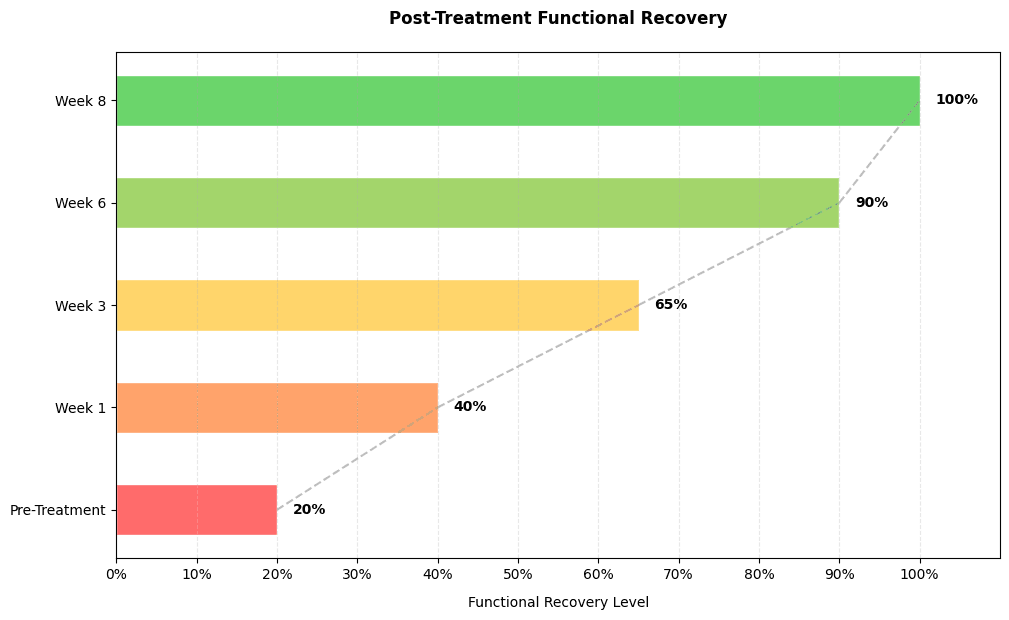
Inflammation is a hallmark of TMJ disorders. It causes swelling, pain, and a decreased range of motion. Laser therapy helps reduce inflammation by targeting it at the cellular level. The light penetrates the tissues and stimulates processes that decrease the inflammatory response. This not only reduces swelling and pain but also helps speed up the body’s natural healing process. In many cases, laser therapy results in significant improvements in joint mobility and overall function, as inflammation is often the primary obstacle to healing.
4. Benefits of Laser Therapy for TMJ
Laser therapy offers a wide range of benefits for individuals suffering from Temporomandibular Joint (TMJ) disorders. From providing immediate pain relief to promoting long-term healing, this non-invasive treatment is becoming an increasingly popular choice for patients seeking to manage their symptoms effectively. Below are some of the key benefits that laser therapy brings to TMJ sufferers.
4.1 Immediate Pain Relief and Long-Term Comfort
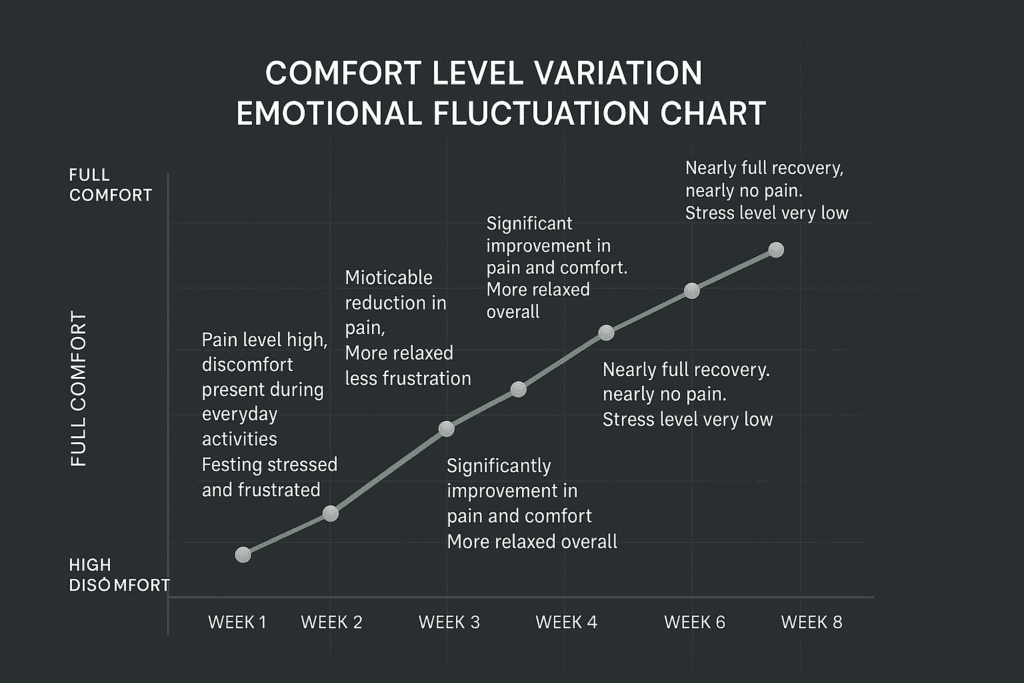
One of the most immediate benefits of laser therapy is pain relief. Many TMJ patients experience sharp or dull pain in the jaw, neck, and surrounding areas, which can interfere with daily activities. Laser therapy works quickly to reduce pain, often providing relief after just one or a few sessions. This relief comes from the stimulation of endorphins, the body’s natural painkillers, as well as the reduction of muscle tension in the jaw. Over time, with continued treatment, laser therapy can provide long-term comfort by addressing the root causes of pain, such as inflammation and muscle stiffness, offering patients sustained relief without the need for ongoing medication.
4.2 Non-Invasive and Drug-Free Treatment
Unlike traditional treatments for TMJ, which may involve invasive procedures or long-term use of pain medications, laser therapy offers a non-invasive, drug-free alternative. This makes it an appealing option for individuals looking to avoid the potential side effects associated with medications or surgery. Laser therapy involves no needles, no surgery, and no recovery time, making it a convenient treatment option that can be easily incorporated into a patient’s daily routine. This non-invasive nature also reduces the risk of complications and makes laser therapy suitable for a wider range of patients, including those who may not be ideal candidates for surgery or those who wish to explore a holistic approach to pain management.
4.3 Promotes Faster Healing and Tissue Repair
One of the most compelling benefits of laser therapy is its ability to promote faster healing. TMJ disorders often result in damaged tissues, whether it’s muscle strain or inflammation within the joint itself. Laser therapy stimulates the body’s natural regenerative processes, helping to accelerate tissue repair. The light energy from the laser helps stimulate the production of collagen, a protein essential for tissue healing and joint health. This process promotes tissue regeneration, reduces scarring, and enhances the overall repair of damaged tissues in the jaw. For TMJ patients, this means a quicker recovery from both acute flare-ups and chronic conditions. It can also improve the health of the joint itself by enhancing the regeneration of cartilage and other tissues, contributing to better joint function and reduced pain over time. As tissue repair progresses, jaw mobility improves, allowing patients to regain normal function and flexibility.
4.4 Reduces Inflammation and Swelling
Inflammation is a primary cause of pain and discomfort in TMJ disorders, often leading to swelling, irritation, and difficulty in jaw movement. Laser therapy targets inflammation directly, reducing swelling and alleviating pain. By improving circulation and nutrient delivery to the affected area, the laser helps the body combat inflammation at its source, rather than just masking the symptoms with painkillers. In addition to reducing immediate swelling, laser therapy helps control long-term inflammation, offering ongoing relief. Patients often experience a reduction in the frequency and severity of TMJ flare-ups, making laser therapy an essential tool for managing chronic inflammation. For many, this results in better long-term control over their condition and an enhanced ability to carry out daily tasks without discomfort.
4.5 Improved Quality of Life
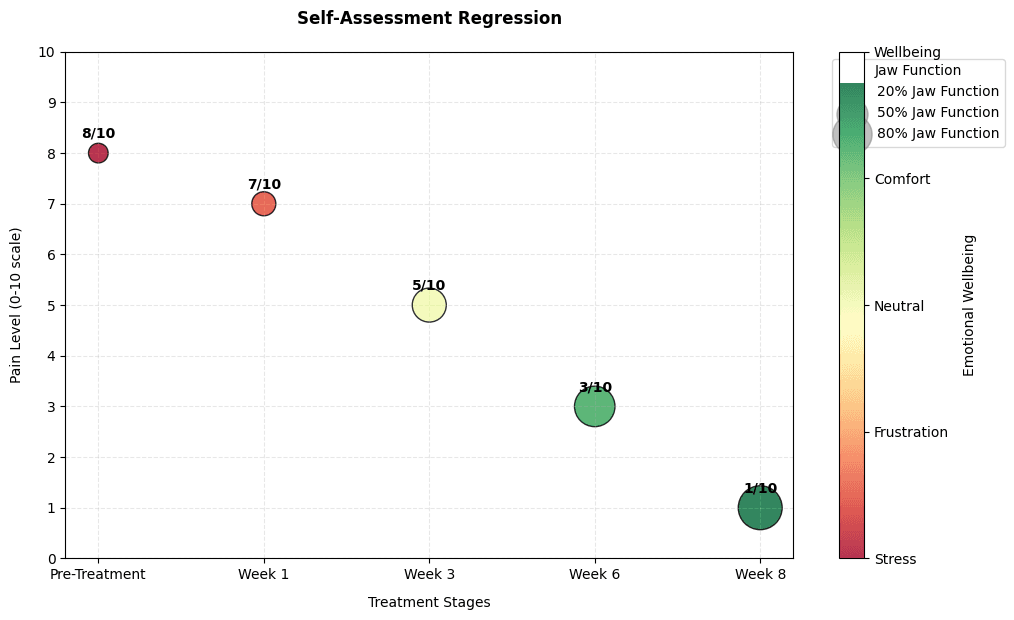
Beyond the physical benefits, laser therapy significantly improves the overall quality of life for TMJ patients. By reducing pain and promoting healing, individuals can regain full function of their jaw and enjoy a greater range of motion. This restoration of normal function means that daily tasks, such as eating, speaking, and smiling, no longer cause discomfort. Laser therapy has been shown to boost mental well-being. Chronic pain often takes a toll on a person’s mental health, leading to stress, anxiety, and even depression. By alleviating pain and promoting a quicker recovery, laser therapy helps restore a sense of normalcy, reducing the mental burden associated with TMJ disorders. For active individuals, laser therapy can speed up recovery, allowing them to resume their daily activities, workouts, or sports sooner. With fewer restrictions and less pain, patients often find themselves enjoying a more active and fulfilling lifestyle.
5. Ideal Candidates for Laser Therapy
Laser therapy is a versatile treatment that can benefit a wide range of individuals, particularly those dealing with TMJ disorders. While it is effective for most patients, certain groups are particularly well-suited for this therapy.
5.1 Chronic Pain and Stiffness Sufferers
If you’ve been struggling with chronic TMJ pain and stiffness, laser therapy can offer significant relief. Individuals who experience ongoing pain and muscle tightness due to TMJ often find laser therapy effective in alleviating their symptoms and improving mobility.
5.2 Individuals with Muscle Tension and Jaw Clenching
Many TMJ sufferers also experience muscle tension or jaw clenching, both of which can contribute to pain and discomfort. Laser therapy is particularly helpful for reducing muscle stiffness and promoting relaxation in the jaw muscles. It can be a valuable treatment for individuals whose TMJ symptoms are aggravated by clenching or grinding their teeth.
5.3 Those Seeking Non-Surgical Treatment Options
Laser therapy is an ideal option for individuals who want to avoid surgery. For those who have been advised against surgery or simply prefer a non-invasive approach, laser therapy provides a safe and effective alternative. This option can be especially helpful for people who wish to explore less invasive treatments before considering more aggressive measures.
5.4 Patients with Inflammation and Swelling
If you’re dealing with inflammation and swelling due to TMJ, laser therapy can help reduce these symptoms. By targeting the root cause of inflammation, laser therapy provides relief that goes beyond simply masking symptoms. It’s particularly beneficial for those who experience regular flare-ups of swelling and discomfort.
5.5 People Seeking Faster and Drug-Free Solutions
For individuals who are seeking a faster recovery from TMJ without relying on medication, laser therapy is an excellent choice. With its ability to stimulate healing and reduce pain naturally, laser therapy offers a drug-free solution for those who want to avoid long-term medication use.
6. Get Started Today for a More Comfortable Tomorrow
If you’re ready to experience the benefits of laser therapy for TMJ and start your journey toward pain relief, the PowerCure Cold Laser Therapy Device is the perfect solution to help you achieve long-lasting comfort from the comfort of your home. Designed with advanced technology, the PowerCure brings professional-grade laser therapy right to your fingertips, offering an affordable, non-invasive treatment for TMJ disorders, muscle pain, and inflammation. Unlike traditional methods that require frequent office visits, the PowerCure is a convenient, portable, and user-friendly solution for individuals looking for effective, drug-free relief. With its ability to target pain at the cellular level, it accelerates the body’s natural healing process, reduces inflammation, and promotes tissue regeneration—all without the need for surgery or medications. This device is especially beneficial for those dealing with chronic TMJ pain, jaw stiffness, and muscle tension. By incorporating the PowerCure device into your daily routine, you can experience immediate pain relief and long-term comfort in the comfort of your own home. Whether you’re looking to relieve stress and discomfort after a long day or need a faster recovery from TMJ flare-ups, it is designed to provide the relief you deserve.
7. FAQs
Q1. Can laser therapy be used alongside other treatments for TMJ?
Yes, laser therapy can complement other TMJ treatments like physical therapy, massage, or medications. It helps by accelerating healing, reducing pain, and relaxing jaw muscles. However, consult your healthcare provider to ensure compatibility with your other treatments.
Q2. Is the PowerCure Cold Laser Therapy Device easy to use at home?
Absolutely! The PowerCure device is lightweight, portable, and user-friendly. It comes with clear instructions on how to position the device and how long to use it for the best results. You can easily incorporate it into your daily routine.
Q3. Can laser therapy prevent TMJ from worsening over time?
Yes, regular laser therapy use can help manage symptoms and prevent TMJ from worsening. It promotes healing, reduces inflammation, and improves jaw function, potentially decreasing the risk of joint degeneration or other complications.
Q4. How does laser therapy promote faster healing in TMJ?
Laser therapy enhances blood flow to the affected tissues, which improves nutrient and oxygen delivery needed for tissue repair. It also stimulates collagen production, helping to maintain healthy tissues and speed up recovery from inflammation and pain.
Q5. Is the PowerCure Cold Laser Therapy Device effective for both muscle pain and joint pain in TMJ?
Yes, the PowerCure device targets both muscle and joint pain associated with TMJ. It reduces inflammation, relieves muscle tension, and promotes healing in both the muscles and joints of the jaw, offering relief from discomfort.
8. References
Low-level laser therapy in temporomandibular joint disorders: a systematic review:
https://pmc.ncbi.nlm.nih.gov/articles/PMC8169142
The use of low level laser therapy in the treatment of temporomandibular joint disorders. Review of the literature:
https://pmc.ncbi.nlm.nih.gov/articles/PMC3731088
Effectiveness of Laser Therapy in Treatment of Temporomandibular Joint and Muscle Pain: