

Page Contents
Modern medicine continues to evolve with innovative therapeutic approaches that harness the power of light to promote healing and enhance cellular function. Among these advancing technologies, photobiomodulation has emerged as a revolutionary treatment modality that utilizes specific wavelengths of light to stimulate natural healing processes at the cellular level. This comprehensive guide explores the fascinating science behind laser therapy and its growing applications in contemporary healthcare.
1. Introduction: Getting to Know Laser Therapy and PBM
The intersection of physics and biology has given rise to remarkable therapeutic possibilities, with photobiomodulation representing one of the most promising developments in non-invasive medical treatments. Understanding the fundamentals of this technology provides insight into how light can be transformed into a powerful healing tool that addresses diverse health conditions across multiple medical specialties.
1.1 What Is Laser Therapy and How Is It Used?
Laser therapy encompasses a broad spectrum of medical applications that utilize focused light energy to achieve therapeutic outcomes through various mechanisms. In the context of healing and rehabilitation, laser therapy primarily refers to the therapeutic application of specific wavelengths of light that interact with cellular components to promote beneficial biological responses. These treatments involve the delivery of photonic energy to target tissues using either laser devices or light-emitting diodes, with parameters carefully selected based on the specific condition being treated. The therapy operates through non-thermal mechanisms, meaning it does not generate significant heat that could damage tissues. Instead, it relies on photochemical and photophysical interactions that occur when light photons are absorbed by cellular chromophores, initiating cascades of beneficial biological processes.
1.2 What Does Photobiomodulation (PBM) Really Mean?
Photobiomodulation (PBM) is a noninvasive photonic-based therapy, capable of dealing with immune-inflammatory, neurological, and musculoskeletal disorders, as well as healing oral and chronic skin wounds. The term “photobiomodulation” literally translates to “light-biological-change,” accurately describing the fundamental process by which specific wavelengths of light modulate cellular activity and biological functions. This scientific terminology replaced earlier terms like “low-level laser therapy” to better reflect the mechanism of action and avoid confusion about power levels. PBM encompasses the use of red and near-infrared light wavelengths that are absorbed by cellular photoacceptors, particularly mitochondrial enzymes, leading to enhanced cellular metabolism and function. The modulation aspect emphasizes that this therapy optimizes cellular processes rather than forcing unnatural responses, working with the body’s inherent healing mechanisms to achieve therapeutic benefits.
1.3 Why PBM Is Gaining Attention in Modern Treatments
The growing interest in photobiomodulation reflects a convergence of scientific advancement, clinical evidence, and the healthcare industry’s movement toward non-invasive, drug-free therapeutic options. Photobiomodulation (PBM) uses red and infrared light for therapeutic benefits, working by stimulating growth and proliferation. The implications of photobiomodulation have been studied in several neurodegenerative disease models. It has been shown to improve cell survival, decrease apoptosis, alleviate oxidative stress, suppress inflammation. The therapy’s ability to address multiple pathophysiological processes simultaneously makes it particularly attractive for treating complex conditions that involve inflammation, pain, and impaired healing. Additionally, the excellent safety profile and minimal side effects associated with properly administered PBM make it suitable for diverse patient populations, including those who cannot tolerate pharmaceutical interventions. The growing body of peer-reviewed research and clinical studies continues to validate its efficacy across numerous applications.
1.4 Where Laser Therapy Is Commonly Used Today
PBM has been effectively used in the clinic to enhance wound healing and mitigate pain and inflammation in musculoskeletal conditions, sports injury, and dental applications for many decades. Contemporary applications span multiple medical specialties including dermatology, orthopedics, neurology, dentistry, and physical therapy. Sports medicine practitioners utilize PBM for injury prevention and recovery enhancement, while dermatologists employ it for wound healing, acne treatment, and skin rejuvenation. Neurological applications are expanding rapidly, with research exploring PBM’s potential in treating traumatic brain injury, stroke recovery, and neurodegenerative conditions. Dental practices incorporate photobiomodulation for periodontal therapy, post-surgical healing, and temporomandibular joint disorders. The veterinary field has also embraced PBM for treating various conditions in companion animals. This widespread adoption reflects the therapy’s versatility and demonstrated efficacy across diverse clinical scenarios.
2. How Photobiomodulation Works: The Science Made Simple
The mechanisms underlying photobiomodulation involve sophisticated interactions between light photons and cellular components, creating a cascade of beneficial biological responses. Understanding these processes illuminates how specific wavelengths of light can be transformed into therapeutic energy that enhances healing and cellular function.
2.1 What Happens Inside Your Cells During PBM
The cellular events triggered by photobiomodulation begin when photons of specific wavelengths penetrate tissues and are absorbed by specialized cellular components called chromophores. These photoacceptor molecules, primarily located within mitochondria, undergo conformational changes when they absorb light energy, initiating a series of biochemical reactions that enhance cellular metabolism and function.
2.1.1 How Light Interacts with Mitochondria
Photons from RL and NIR are absorbed by endogenous photoreceptors including mitochondrial cytochrome C oxidase (COX). Activation of COX leads to the following changes: modulation of mitochondrial adenosine triphosphate (ATP), generation of reactive oxygen species (ROS), and alterations in various cellular processes. Mitochondria, often called the powerhouses of cells, contain numerous light-sensitive molecules that serve as primary targets for photobiomodulation. When near-infrared and red light photons penetrate cellular membranes, they are readily absorbed by mitochondrial chromophores, particularly cytochrome c oxidase, the terminal enzyme in the respiratory chain. This absorption process triggers conformational changes in the enzyme structure, optimizing its function and enhancing electron transport efficiency. The improved mitochondrial function results in increased energy production, better cellular oxygenation, and enhanced overall cellular health and resilience.
2.1.2 The Role of Cytochrome c Oxidase in Energy Production
The first, and most investigated, entails the intracellular targeting of mitochondrial cytochrome C oxidase (CcO), an enzyme capable of absorbing red light. Cytochrome c oxidase serves as the primary photoacceptor in photobiomodulation, functioning as both the terminal enzyme in mitochondrial respiration and the key target for therapeutic light wavelengths. This copper-containing enzyme complex is responsible for the final step in cellular respiration, where oxygen is reduced to water while generating the proton gradient necessary for ATP synthesis. When activated by appropriate light wavelengths, cytochrome c oxidase undergoes enhanced catalytic activity, improving oxygen utilization and electron transport efficiency. The enzyme’s unique spectral properties make it particularly responsive to red and near-infrared wavelengths, explaining why these specific light ranges are most effective for photobiomodulation applications.
2.1.3 How PBM Boosts ATP and Cell Activity
PBM modulates cellular activity through increased production of ATP, NO, ROS, and intracellular calcium. COX is the major intracellular acceptor of photons in PBM. RL to NIR light is absorbed by COX, which promotes upregulation of cellular metabolism through increased ATP synthesis, ROS, and other beneficial cellular mediators. The enhancement of cytochrome c oxidase activity directly translates to increased adenosine triphosphate (ATP) production, providing cells with additional energy for repair, regeneration, and optimal function. This energy boost enables cells to perform essential processes more efficiently, including protein synthesis, DNA repair, and cellular division. The increased ATP availability also supports active transport mechanisms, allowing cells to maintain proper ion gradients and membrane potentials. Additionally, the enhanced cellular metabolism promotes the production of beneficial signaling molecules, including nitric oxide and controlled levels of reactive oxygen species, which serve as important cellular messengers that coordinate healing responses.

2.2 What Types of Lasers and Light Wavelengths Are Used
The selection of appropriate light sources and wavelengths represents a critical factor in achieving optimal therapeutic outcomes with photobiomodulation. Different device types and spectral ranges offer unique advantages and applications based on the specific therapeutic goals and target tissues being treated.
2.2.1 Comparing Low-Level Lasers vs. High-Power Class IV Devices
Therapeutic laser devices are broadly categorized based on their power output and intended applications, with each category offering distinct advantages for specific clinical scenarios. Lower-power devices, typically operating below 500 milliwatts, provide gentle stimulation suitable for superficial conditions and sensitive applications. These devices offer excellent safety profiles and are often used for home therapy and maintenance treatments. Higher-power Class IV devices, operating above 500 milliwatts, can deliver greater energy densities and achieve deeper tissue penetration, making them suitable for treating more severe conditions and deeper anatomical structures. The increased power allows for shorter treatment times while delivering therapeutic doses to target tissues. However, higher-power devices require greater expertise to operate safely and effectively, as inappropriate parameter selection can lead to thermal effects or tissue damage.
2.2.2 Popular Healing Wavelengths: 630–1064nm
If the target is CCO, it is well accepted that red light (630 to 670 nm) or near-infrared light (780 to 940 nm) will have positive effects, using fluences in the stimulatory range. The therapeutic window for photobiomodulation encompasses wavelengths from approximately 630 to 1064 nanometers, with specific ranges offering unique penetration depths and biological effects. Red wavelengths between 630-670nm are readily absorbed by cytochrome c oxidase and are particularly effective for superficial conditions and skin-related applications. Near-infrared wavelengths from 780-940nm provide deeper tissue penetration while maintaining strong absorption by mitochondrial chromophores. The results suggest that the 1064nm laser may be particularly effective for deep tissue applications due to its superior penetration characteristics. The selection of specific wavelengths depends on the target tissue depth, condition being treated, and desired biological effects.
2.3 How Red and Near-Infrared Light Help Tissues Heal
The therapeutic effects of red and near-infrared light come from their optimal absorption by biological chromophores. These wavelengths penetrate tissues effectively while maintaining therapeutic energy levels. They fall within the “optical window” of biological tissues, where water and hemoglobin absorb less light. This allows for efficient light penetration and strong therapeutic effects. Research shows that near-infrared light above 750 nm penetrates deeply into mitochondria. This boosts ATP production, aiding tissue healing and easing pain and inflammation in muscles and joints. The photochemical reactions triggered promote cellular repair, improve circulation, reduce inflammation, and stimulate tissue regeneration. These effects occur through multiple pathways simultaneously. Because the process is non-thermal, it delivers benefits without causing tissue damage or discomfort during treatment.
3. How PBM Affects the Body
The physiological effects of photobiomodulation extend beyond cellular changes to create systemic improvements in healing, pain management, and overall tissue function. These multifaceted benefits result from the complex interplay between enhanced cellular metabolism and the body’s natural healing mechanisms.
3.1 What Changes Happen in Cells and Molecules
Photobiomodulation initiates a cascade of molecular and cellular changes that collectively enhance tissue health and function. At the molecular level, the therapy stimulates increased production of growth factors, cytokines, and signaling molecules that coordinate healing responses. Enhanced protein synthesis supports tissue repair and regeneration, while improved DNA repair mechanisms help maintain cellular integrity. The modulation of gene expression patterns promotes beneficial cellular phenotypes, including increased proliferation of beneficial cell types and enhanced differentiation processes. Cellular membrane stability improves through enhanced lipid metabolism and reduced oxidative stress. Additionally, the therapy promotes beneficial changes in cellular pH, calcium homeostasis, and membrane potential that optimize cellular function. These molecular changes translate to improved cellular survival, enhanced repair capacity, and increased resistance to stress and injury.
3.2 How PBM Calms Inflammation
The anti-inflammatory effects of photobiomodulation occur through multiple mechanisms that address both acute and chronic inflammatory processes. The therapy modulates the production and activity of inflammatory mediators, including prostaglandins, leukotrienes, and pro-inflammatory cytokines, shifting the inflammatory response toward resolution rather than perpetuation. Enhanced cellular energy production through increased ATP synthesis provides cells with the resources necessary to maintain normal function during inflammatory challenges. The therapy also promotes the production of anti-inflammatory mediators and supports the activation of resolution programs that actively terminate inflammatory responses. Improved microcirculation enhances the delivery of anti-inflammatory nutrients and the removal of inflammatory waste products. Additionally, photobiomodulation supports the function of regulatory immune cells that help maintain inflammatory balance and prevent excessive tissue damage during healing processes.
3.3 How It Speeds Up Healing and Tissue Repair
Accelerated healing through photobiomodulation results from enhanced cellular energy production, improved circulation, and optimized cellular communication during the repair process. The increased ATP availability provides cells with the energy necessary for rapid proliferation, protein synthesis, and extracellular matrix production essential for tissue repair. Enhanced collagen synthesis and organization improve the structural integrity of healing tissues while reducing excessive scar formation. The therapy stimulates angiogenesis, promoting the formation of new blood vessels that improve oxygen and nutrient delivery to healing areas. Stem cell activation and migration to injury sites are enhanced, supporting tissue regeneration and repair. Growth factor production increases, coordinating the complex processes involved in tissue healing. Additionally, the therapy supports the function of various cell types involved in healing, including fibroblasts, endothelial cells, and immune cells, creating an optimal environment for rapid and complete tissue restoration.
3.4 How Laser Light Helps with Pain Relief
The analgesic effects of photobiomodulation involve multiple mechanisms that address both peripheral and central pain processing pathways. The therapy modulates nerve conduction and neurotransmitter production, reducing pain signal transmission from injury sites to the central nervous system. Enhanced endorphin production provides natural pain relief that can persist for hours or days following treatment. The anti-inflammatory effects reduce tissue swelling and pressure on pain-sensitive structures, providing additional analgesic benefits. Improved cellular energy production helps restore normal nerve function and reduces the hypersensitivity associated with chronic pain conditions. The therapy also modulates the activity of pain-processing centers in the spinal cord and brain, reducing the amplification of pain signals. Additionally, improved circulation enhances the delivery of natural pain-relieving compounds while removing pain-producing metabolites from affected tissues.
3.5 How It Improves Blood Flow and Microcirculation
Photobiomodulation enhances vascular function through multiple mechanisms that improve both macro and microcirculation. The therapy stimulates nitric oxide production in endothelial cells, promoting vasodilation and improved blood flow to treated areas. Enhanced endothelial function improves the regulation of vascular tone and reduces vascular resistance. The formation of new blood vessels (angiogenesis) is stimulated, creating additional pathways for oxygen and nutrient delivery. Improved red blood cell deformability enhances their ability to navigate through small capillaries, optimizing oxygen delivery to tissues. The therapy also reduces blood viscosity and promotes beneficial changes in platelet function that improve circulation while maintaining appropriate clotting responses. Additionally, the enhanced cellular metabolism in vascular smooth muscle cells and endothelial cells supports optimal vascular function and responsiveness to physiological demands.
4. Medical Uses of PBM and Laser Therapy
The clinical applications of photobiomodulation continue to expand as research validates its efficacy across diverse medical conditions and specialties. This versatility stems from the therapy’s ability to address fundamental biological processes that underlie many pathological conditions.
4.1 Managing Pain and Chronic Discomfort
Photobiomodulation has demonstrated significant efficacy in managing various pain conditions, from acute injuries to chronic pain syndromes. The therapy addresses pain through multiple mechanisms, including direct modulation of nerve function, reduction of inflammation, and enhancement of natural pain-relieving processes. Chronic pain conditions such as fibromyalgia, arthritis, and neuropathic pain often respond favorably to regular photobiomodulation treatments. The therapy’s ability to improve cellular energy production helps restore normal nerve function and reduce the sensitization processes that perpetuate chronic pain. Unlike pharmaceutical pain management approaches, photobiomodulation provides relief without side effects or dependency risks. Treatment protocols can be customized based on pain severity, location, and underlying pathophysiology. The non-invasive nature of the therapy makes it suitable for patients who cannot tolerate other pain management interventions.
4.2 Helping Wounds Heal and Skin Rejuvenate
Wound healing represents one of the most well-established applications of photobiomodulation, with extensive research demonstrating accelerated healing across various wound types. The therapy enhances all phases of wound healing, from initial inflammation through tissue remodeling and scar maturation. Enhanced cellular proliferation, improved collagen synthesis, and increased angiogenesis contribute to faster wound closure and better healing quality. Chronic wounds, including diabetic ulcers and pressure sores, often show remarkable improvement with photobiomodulation therapy. The antimicrobial effects help reduce infection risk while promoting beneficial bacterial balance. For skin rejuvenation applications, the therapy stimulates collagen remodeling, improves skin texture and tone, and reduces signs of photoaging. The enhanced cellular turnover promotes healthier skin appearance while improving barrier function. Treatment parameters can be adjusted based on wound characteristics, healing stage, and desired outcomes.
4.3 Treating Nerve, Joint, and Muscle Conditions
Musculoskeletal applications of photobiomodulation encompass a wide range of conditions affecting muscles, joints, tendons, and nerves. The therapy’s anti-inflammatory effects, combined with enhanced tissue repair and pain relief, make it particularly effective for treating sports injuries, arthritis, and repetitive strain injuries. Enhanced cellular energy production helps restore normal muscle function and reduces fatigue following injury or intense activity. Joint conditions benefit from reduced inflammation, improved cartilage health, and enhanced synovial fluid production. Nerve conditions, including peripheral neuropathy and nerve entrapment syndromes, often respond to photobiomodulation through improved nerve conduction, reduced inflammation, and enhanced nerve regeneration. The therapy can be applied directly to affected areas or used to treat trigger points and referred pain patterns. Treatment protocols are often combined with physical therapy and other rehabilitation approaches for optimal outcomes.
4.4 Laser Therapy in Sports and Injury Recovery
Sports medicine applications of photobiomodulation focus on both injury treatment and performance enhancement through improved recovery and injury prevention. Athletes utilize the therapy to accelerate healing from acute injuries, reduce exercise-induced inflammation, and enhance recovery between training sessions. The enhanced cellular energy production and improved circulation support faster muscle recovery and reduced delayed-onset muscle soreness. Pre-competition treatments may help optimize performance by enhancing cellular function and reducing injury risk. Post-exercise applications help clear metabolic waste products and promote tissue repair. The therapy’s ability to reduce inflammation without compromising the beneficial aspects of exercise-induced adaptation makes it particularly valuable for athletic populations. Treatment timing and parameters can be optimized based on training schedules, competition demands, and individual athlete responses.
4.5 New Applications: Brain Health and Immune Boosting
Emerging applications of photobiomodulation include neurological conditions and immune system enhancement, representing exciting frontiers in therapeutic light therapy. The predominant mechanism underlying PBM revolves around cytochrome c oxidase (CCO), an essential component in the respiratory chain of mitochondria, making it particularly relevant for brain health applications where mitochondrial function is critical. Research in traumatic brain injury, stroke recovery, and neurodegenerative diseases shows promising results with transcranial photobiomodulation. The therapy may help improve cognitive function, reduce neuroinflammation, and support neuroprotection through enhanced mitochondrial function in brain cells. Immune system applications focus on modulating immune cell function, enhancing wound healing in immunocompromised patients, and supporting overall immune balance. The therapy’s ability to enhance cellular energy production and reduce oxidative stress may help optimize immune cell function and responsiveness. These emerging applications require further research to establish optimal protocols and validate long-term safety and efficacy.
5. Is Photobiomodulation Safe and Effective?
The safety and efficacy profile of photobiomodulation has been extensively studied, with a growing body of clinical evidence supporting its therapeutic benefits across numerous applications. Understanding the safety considerations and evidence base helps inform appropriate treatment decisions and expectations.
5.1 Are There Any Side Effects to Know About?
Mild side effects like temporary skin redness or warmth may occur but usually fade within hours.
Some patients experience slight fatigue initially due to increased cellular activity.
Rarely, symptoms may worsen temporarily as healing begins but typically improve with ongoing treatment.
Eye protection is essential during therapy to prevent retinal damage from direct laser exposure.
Photosensitizing medications can increase skin sensitivity, requiring adjustments in treatment settings.
5.2 Who Shouldn’t Get Laser Therapy
Pregnancy is generally a contraindication due to limited safety data; caution is advised.
Patients with active cancer in the treatment area should avoid PBM to prevent potential tumor growth stimulation.
Use of photosensitizing drugs may require treatment modifications or temporary pauses.
Individuals with immune system issues, infections, or bleeding disorders need careful evaluation before therapy.
Age is not a barrier; both children and elderly patients can receive appropriate treatment.
Avoid treating over implanted electronic devices to prevent possible interference.
5.3 Scientific Proof That PBM Works
The scientific evidence supporting photobiomodulation efficacy has grown substantially over the past several decades, with hundreds of peer-reviewed studies demonstrating therapeutic benefits across diverse applications. Systematic reviews and meta-analyses have confirmed significant effects for pain management, wound healing, and inflammatory conditions. Randomized controlled trials have established efficacy for specific conditions including oral mucositis, temporomandibular joint disorders, and various musculoskeletal conditions. Laboratory studies have elucidated the cellular and molecular mechanisms underlying therapeutic effects, providing scientific rationale for clinical applications. The growing body of evidence has led to adoption of photobiomodulation in clinical practice guidelines for several conditions. However, optimal treatment parameters and protocols continue to be refined through ongoing research. The quality of evidence varies across different applications, with some conditions having more robust research support than others. Continued research efforts focus on standardizing protocols, identifying optimal parameters, and expanding evidence for emerging applications.
6. What to Expect Before, During, and After Treatment
Understanding the treatment process helps patients prepare appropriately and maximize therapeutic benefits while minimizing potential complications. The photobiomodulation treatment experience is generally comfortable and straightforward, though individual responses may vary.
6.1 How to Prepare and What the Doctor Will Check
Pre-treatment preparation involves comprehensive assessment to ensure appropriate treatment selection and parameter optimization. Healthcare providers will review medical history, current medications, and previous treatments to identify potential contraindications or interactions. Physical examination includes assessment of treatment areas, skin condition, and baseline measurements for monitoring progress. Photosensitivity evaluation may involve questioning about medications, supplements, or conditions that could increase light sensitivity. Treatment goals and expectations are discussed to ensure realistic understanding of potential outcomes and timeline. Baseline photography or measurements may be taken to document treatment response. Patients should arrive with clean skin free of cosmetics, lotions, or other topical products that could interfere with light penetration. Comfortable clothing that allows access to treatment areas is recommended. Pre-treatment instructions may include avoiding sun exposure or certain medications that could affect treatment response.
6.2 What Happens During a Typical Session
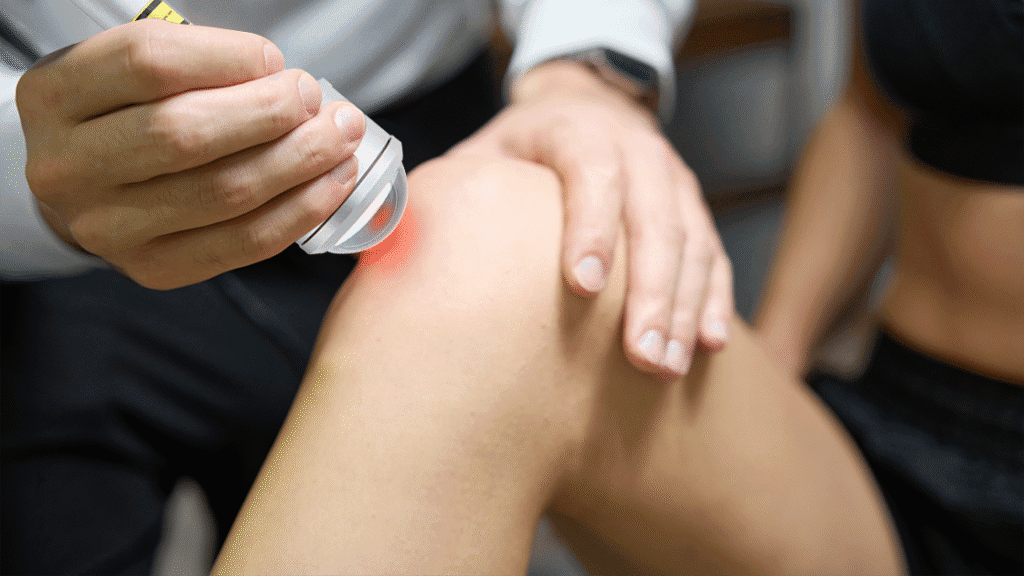
Photobiomodulation treatment sessions are generally comfortable and relaxing experiences that require minimal patient involvement. Patients are positioned comfortably to allow optimal access to treatment areas while maintaining safety and modesty. Appropriate eye protection is provided when treating areas near the eyes or when using higher-power devices. The treatment device is positioned at the appropriate distance from the skin, typically in direct contact or within a few centimeters of the treatment area. Patients may feel slight warmth or tingling sensations, but the treatment should not cause pain or significant discomfort. Treatment duration varies based on the condition being treated, device specifications, and treatment parameters, typically ranging from a few minutes to 20 minutes per session. Multiple areas can be treated during a single session if appropriate. Patients can typically read, listen to music, or relax during treatment. Communication with the healthcare provider is encouraged to report any unusual sensations or concerns.
6.3 How Long and How Often Treatments Take
Treatment duration and frequency depend on multiple factors including the condition being treated, severity, patient response, and device specifications. Acute conditions may require daily treatments initially, with frequency gradually reduced as healing progresses. Chronic conditions often benefit from 2-3 treatments per week initially, transitioning to maintenance schedules based on individual response. Individual treatment sessions typically range from 5-30 minutes, depending on the size of treatment areas and energy density requirements. Most conditions require multiple treatments to achieve optimal results, with initial improvement often noticed after 3-6 sessions. Complete treatment courses may involve 10-20 sessions or more for chronic conditions. Some patients experience immediate benefits following initial treatments, while others require several sessions before noticing significant improvement. Maintenance treatments may be recommended to sustain benefits, particularly for chronic conditions. Treatment schedules are individualized based on patient response, lifestyle factors, and specific therapeutic goals.
6.4 Post-Treatment Tips and Results Timeline
Patients can usually resume normal activities immediately after treatment.
Staying well-hydrated supports cellular healing and recovery.
Sun protection may be recommended, especially for areas treated with red light due to temporary increased photosensitivity.
Use gentle, fragrance-free skin care products to maintain healthy skin post-treatment.
Physical activity restrictions are rarely needed unless treating acute injuries that require rest.
Results vary: acute conditions may improve within hours or days, while chronic issues often need weeks or months.
Improvements can be gradual and cumulative or appear suddenly during the treatment course.
Ongoing communication with healthcare providers helps adjust treatment and monitor progress effectively.
7. Wrapping Up: The Bright Future of PBM
Photobiomodulation is transforming medicine by offering a safe, non-invasive way to promote healing through the body’s natural cellular processes. Scientific research continues to confirm its benefits and expand its uses, making it a promising therapy for health and wellness. Advances in understanding light-tissue interactions are driving more precise and effective treatments. The future is especially bright for neuroprotection, regenerative medicine, and personalized care. As technology improves and protocols standardize, photobiomodulation will become a key part of healthcare across many fields. For patients seeking alternatives to drugs or surgery, this therapy provides a hopeful option with strong clinical evidence and a proven safety record. Photobiomodulation’s combination of science, effectiveness, and safety makes it an important tool in modern medical care.
 English
 العربية
 Français
 日本語
日本語 Português
 Español
 Русский
 Deutsch