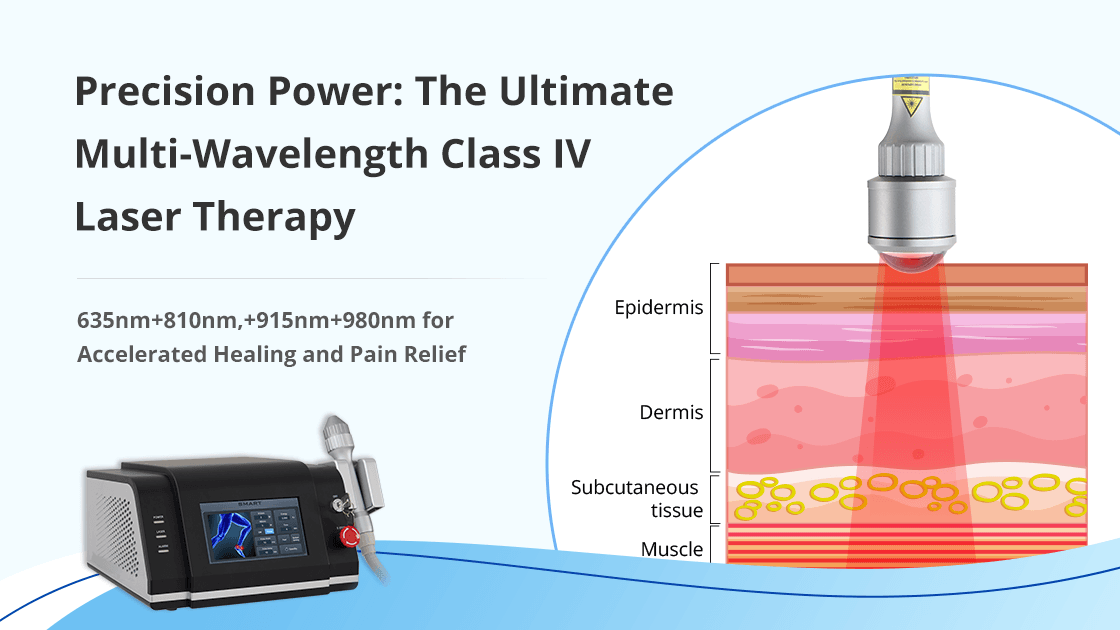
Cardiovascular laser therapy benefits include improved circulation, reduced inflammation, and enhanced tissue repair—making it a promising adjunct to traditional heart treatments. From managing chronic ischemic heart disease to supporting post-heart attack recovery, laser therapy is emerging as a non-invasive ally in cardiovascular care.
Laser therapy has become an increasingly popular and effective treatment for individuals suffering from peripheral neuropathy. Whether caused by diabetes, chemotherapy, or age-related degeneration, laser therapy offers a non-invasive, pain-free solution to alleviate symptoms and promote nerve regeneration. By stimulating cellular repair, improving blood flow to nerve tissues, and reducing
Diabetic wounds are notoriously difficult to heal, often leading to serious complications if left untreated. This comprehensive guide explores how laser therapy—particularly Class IV lasers—offers a breakthrough in wound management. From accelerating tissue repair and reducing inflammation to improving circulation and quality of life, we dive into the science, real-world
Laser therapy, particularly photobiomodulation (PBM), offers promising support in spinal cord injury (SCI) rehabilitation by enhancing neuronal survival, promoting axonal regeneration, and reducing inflammation. While early animal and human studies report improvements in motor recovery and pain relief, standardized treatment protocols and more robust clinical trials are needed. Experts emphasize
Equine laser therapy has emerged as a powerful, non-invasive solution that not only accelerates healing in injured horses but also enhances performance in active equine athletes. Backed by scientific evidence and embraced by veterinarians, Class IV laser treatments support tissue repair, reduce inflammation, and provide pain relief—all without drugs or