

Page Contents
1. Introduction
Muscle strains represent one of the most prevalent injuries across all levels of athletic participation and daily activities, affecting millions of individuals annually and resulting in significant time lost from sports, work, and recreational pursuits. These injuries, characterized by microscopic or macroscopic tearing of muscle fibers, create immediate pain, functional limitations, and potential long-term complications if inadequately managed. The complexity of muscle strain pathophysiology, involving inflammatory cascades, tissue damage, and repair processes, demands sophisticated treatment approaches that address both immediate symptoms and underlying healing mechanisms.
1.1 Why Muscle Strains Are So Common in Sports and Daily Life
The ubiquity of muscle strains stems from the fundamental biomechanical demands placed on muscle tissue during both athletic and everyday activities. Muscle fibers are particularly vulnerable during eccentric contractions, where muscles lengthen while under tension, creating maximal stress on individual sarcomeres and their connecting structures. This vulnerability is magnified in activities involving rapid acceleration, deceleration, or directional changes, explaining why muscle strains are so prevalent in sports requiring explosive movements. Risk factors contributing to muscle strain frequency include inadequate warm-up protocols, muscle imbalances, previous injury history, fatigue, and age-related changes in muscle elasticity and strength. The hamstring, quadriceps, gastrocnemius, and adductor muscle groups demonstrate particular susceptibility due to their biarticular nature and high force production demands. Environmental factors such as cold temperatures, dehydration, and poor conditioning further increase strain risk, creating a multifactorial injury model that requires comprehensive prevention and treatment strategies.
1.2 Rising Demand for Non-Invasive, Drug-Free Muscle Strain Treatments
Contemporary healthcare trends emphasize non-pharmacological interventions that address root causes rather than merely masking symptoms, driving increased interest in advanced therapeutic modalities like Class IV laser therapy. Growing awareness of opioid-related complications and the limitations of traditional NSAID therapy has created demand for evidence-based alternatives that provide effective pain relief without systemic side effects or dependency risks. Class IV Laser Therapy allows sports medicine professionals to tailor treatment plans based on the unique needs of individual athletes, providing precisely targeted therapeutic energy to specific muscle groups, joints, or injury sites. This personalized approach aligns with modern precision medicine principles while offering the rapid treatment times and measurable outcomes demanded by today’s active populations. The therapy’s ability to accelerate healing while reducing treatment duration appeals to athletes, weekend warriors, and active professionals seeking efficient recovery solutions.
2. Understanding Class IV Laser Therapy
The evolution of therapeutic laser technology has culminated in Class IV systems that represent a significant advancement over earlier generations of photobiomodulation devices. These high-powered systems deliver therapeutic energy at unprecedented depths and intensities, creating new possibilities for treating musculoskeletal conditions that previously required invasive interventions or prolonged rehabilitation periods.
2.1 What Is Class IV Laser Therapy?
Class IV laser therapy utilizes high-powered therapeutic lasers exceeding 0.5 watts output power to deliver photobiomodulation energy to target tissues. FDA approved the first Class 4 laser (greater than 0.5 watts) for the relief of minor muscle and joint pain, recognizing these systems as biostimulation lasers with therapeutic applications. Unlike lower-powered systems, Class IV lasers achieve therapeutic tissue temperatures and penetration depths necessary for treating deep muscle injuries and promoting cellular healing responses. The classification system, established by the American National Standards Institute (ANSI) and International Electrotechnical Commission (IEC), categorizes lasers based on their potential for causing biological damage. Class IV designation indicates these systems require appropriate safety protocols while providing therapeutic benefits not achievable with lower-powered alternatives. Modern Class IV systems incorporate advanced safety features, precise power control, and multiple wavelength options optimized for different tissue types and treatment objectives.
2.2 How Class IV Laser Works: Deep Tissue Penetration
The therapeutic efficacy of Class IV laser therapy relies on its ability to deliver sufficient photonic energy to target tissues at depths of 5-10 centimeters or more, reaching deep muscle structures and promoting healing at the cellular level. The higher wattage Class 4 lasers allow for sufficient laser energy to be passed onto nerve, muscle, ligament, tendon, and/or capsular tissue in a reasonable amount of time, with normal treatment sessions ranging from 3-10 minutes. Wavelengths between 630-980nm demonstrate optimal tissue penetration characteristics, with different wavelengths targeting specific chromophores and achieving distinct therapeutic effects. The 630-670nm red light spectrum primarily targets cytochrome c oxidase in mitochondria, while near-infrared wavelengths (780-940nm) penetrate deeper and influence multiple cellular processes. At 980nm, much of the energy is converted to heat and absorbed by the water/blood in the tissue, which supports blood circulation, reduction of inflammation, and enhanced cellular metabolism.
2.3 Photobiomodulation: Cellular Effects & Healing
Photobiomodulation is the core mechanism of Class IV laser therapy, where targeted red (630–670 nm) and near-infrared (780–940 nm) light is absorbed by cellular chromophores like cytochrome c oxidase. This triggers a cascade of beneficial effects, notably boosting ATP (adenosine triphosphate) production to accelerate cellular repair. Enhanced mitochondrial function drives protein synthesis, collagen production, and modulation of inflammatory mediators—together speeding tissue healing, reducing pain, and restoring function. The therapy also stimulates nitric oxide release, improving local circulation and oxygen delivery. Angiogenesis (new blood vessel formation) further supports recovery, while modulation of inflammatory cytokines creates optimal healing conditions. Effects on nerve conduction and neurotransmitter release provide both immediate and sustained pain relief. Collectively, these cellular and biochemical effects explain why Class IV laser therapy delivers faster and deeper healing for muscle strains, positioning it as an evidence-based and drug-free alternative for musculoskeletal injuries.
2.4 Class IV vs. Low-Level Laser Therapy (LLLT): What’s Different?
Class IV laser therapy offers distinct advantages over low-level laser therapy (LLLT), going beyond just higher power. Unlike Class III lasers, which research shows lack significant clinical effect for acute musculoskeletal injuries, Class IV systems deliver deeper tissue penetration and sufficient therapeutic energy in short 5–10 minute sessions. This improves healing efficiency, accelerates pain relief, and fits better in busy clinical workflows. Class IV’s adjustable power and energy density allow personalized treatments tailored to each patient’s tissue depth and injury severity. In contrast, LLLT often struggles to reach deeper structures and typically requires longer, less effective sessions. Faster treatment times and superior outcomes with Class IV laser enhance patient compliance and clinic efficiency, while deeper penetration ensures lasting benefits for both superficial and deep muscle strains. These differences make Class IV laser therapy a practical, modern solution for sports medicine and rehabilitation.
2.5 How Class IV Laser Fits into Modern Sports Medicine & Rehab
Class IV laser therapy plays a transformative role in modern sports medicine and rehab by accelerating biological healing alongside traditional interventions. It consistently reduces pain, minimizes tissue damage, and speeds repair of strained muscles—resulting in stronger, more resilient healed tissues. Physical therapists combine laser therapy with manual therapy, targeted exercise, and functional training to optimize recovery and reduce downtime. Sports medicine physicians value its rapid onset for acute injuries, while its tissue regeneration effects help prevent recurrence. The technology’s precision allows targeted application to specific muscle groups without disrupting ongoing rehab. As part of a multidisciplinary approach, Class IV laser therapy bridges biological and functional recovery, supporting athletes, active individuals, and older adults alike. This evidence-backed modality complements exercise-based rehab by stimulating cellular repair processes, ultimately shortening recovery timelines and enhancing long-term outcomes.
3. Evidence-Based Benefits for Muscle Strain Recovery
The therapeutic benefits of Class IV laser therapy for muscle strain recovery are supported by extensive research demonstrating its effects on pain, inflammation, tissue healing, and functional recovery. These evidence-based advantages make it an invaluable tool in the comprehensive management of muscle injuries across diverse patient populations.
3.1 Rapid Pain Relief and Reduced Muscle Spasm
Class IV laser therapy provides immediate analgesic effects through multiple mechanisms that address both the sensory and neurological components of muscle strain pain. The therapy modulates nerve conduction velocity, reduces inflammatory neuropeptide release, and stimulates endogenous opioid production, creating rapid and sustained pain relief. Patients typically experience significant pain reduction within the first treatment session, with effects continuing to improve throughout the treatment course. The anti-spasmodic effects result from the therapy’s influence on muscle spindle sensitivity and motor neuron excitability. By normalizing neuromuscular control and reducing protective muscle guarding, Class IV laser therapy allows for earlier initiation of movement and functional activities. This reduction in muscle spasm not only provides symptomatic relief but also prevents the development of secondary complications such as joint stiffness and compensatory movement patterns that can perpetuate dysfunction.
3.2 Accelerated Tissue Healing and Regeneration
The regenerative effects of Class IV laser therapy on muscle tissue represent perhaps its most significant therapeutic advantage, addressing the fundamental pathophysiology of muscle strains at the cellular level. Enhanced ATP production provides the energy necessary for protein synthesis, cell division, and tissue repair processes. The therapy stimulates satellite cell activation, promoting muscle fiber regeneration and the formation of new myofibrils to replace damaged tissue structures. Collagen synthesis is significantly enhanced, improving the tensile strength and organization of healing muscle tissue. The therapy promotes optimal scar tissue formation while preventing excessive fibrosis that could limit function or predispose to re-injury. Growth factor release, including insulin-like growth factor-1 (IGF-1) and fibroblast growth factor (FGF), supports comprehensive tissue regeneration and restoration of normal muscle architecture and function.
3.3 Decreasing Inflammation and Swelling
The anti-inflammatory properties of Class IV laser therapy address both acute and chronic inflammatory processes associated with muscle strains. The therapy modulates pro-inflammatory cytokine production, including interleukin-1β, tumor necrosis factor-α, and prostaglandin E2, while promoting anti-inflammatory mediator release. This balanced inflammatory response promotes healing while preventing excessive tissue damage and prolonged recovery periods. Enhanced lymphatic drainage and improved microcirculation facilitate the removal of inflammatory mediators and metabolic waste products from injured tissues. The reduction in tissue edema improves oxygen and nutrient delivery while reducing pressure-related pain and functional limitations. These anti-inflammatory effects contribute to faster resolution of acute symptoms and prevention of chronic inflammatory complications that can delay return to full activity.
3.4 Improving Functional Recovery and Range of Motion
Functional recovery represents the ultimate goal of muscle strain treatment, and Class IV laser therapy consistently demonstrates significant improvements in strength, flexibility, and movement quality. The combination of pain relief, reduced inflammation, and enhanced tissue healing creates optimal conditions for progressive functional training and return to activity. Patients experience earlier restoration of normal movement patterns and reduced compensatory strategies that can predispose to secondary injuries. Range of motion improvements result from reduced muscle tension, improved tissue extensibility, and decreased pain-related movement restrictions. The therapy’s effects on fascial tissue and connective structures contribute to improved muscle compliance and joint mobility. Enhanced proprioception and neuromuscular control support functional movement restoration and reduce the risk of re-injury during return to activity progressions.
3.5 Lowering Recurrence Risk and Scar Tissue Formation
The quality of tissue healing significantly influences long-term outcomes and re-injury risk, making Class IV laser therapy’s effects on tissue regeneration particularly valuable. The therapy promotes organized collagen deposition and optimal scar tissue formation, creating healed muscle tissue with mechanical properties approaching those of uninjured tissue. This high-quality healing reduces the likelihood of re-injury at the same site and maintains normal muscle function throughout the healing process. Prevention of excessive scar tissue formation preserves muscle extensibility and prevents the development of adhesions that could limit function or create stress concentrations predisposing to future injury. The therapy’s effects on tissue vascularization ensure adequate blood supply to healing tissues, supporting long-term tissue health and adaptive capacity. These protective effects make Class IV laser therapy particularly valuable for athletes and active individuals who must return to high-demand activities.
4. Treatment Protocols, Patient Experience & Recovery Tips
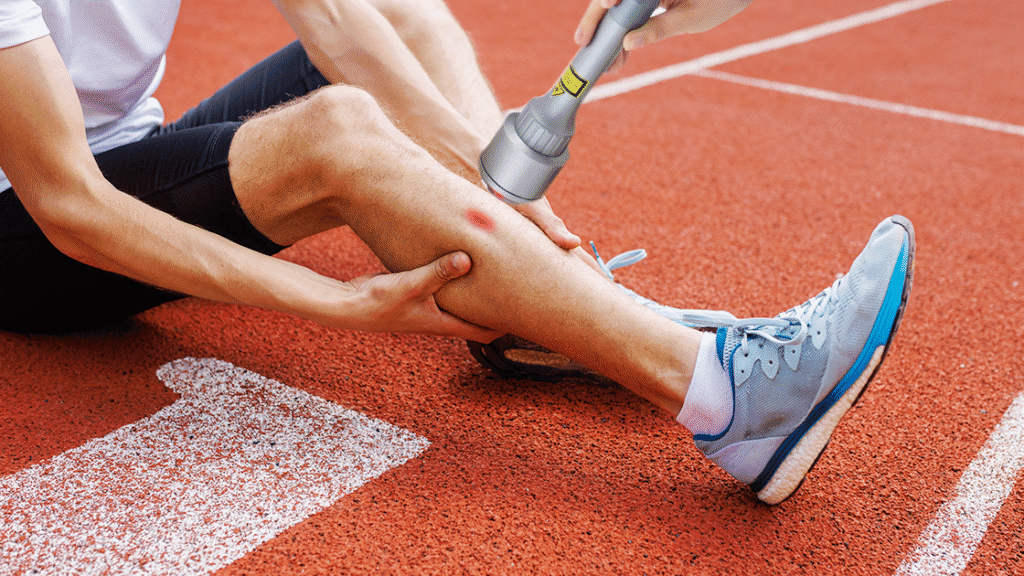
Successful implementation of Class IV laser therapy for muscle strain treatment requires careful attention to protocol selection, patient education, and integration with complementary therapeutic interventions. Understanding optimal treatment parameters and patient experience helps ensure maximum therapeutic benefit while maintaining safety and treatment efficiency.
4.1 Typical Session Length, Frequency & Duration
Standard treatment protocols for muscle strains typically involve sessions lasting 5-15 minutes, depending on the size and depth of the affected muscle group and the specific therapeutic objectives. Treatment frequency generally ranges from daily sessions during the acute phase to 2-3 times weekly as healing progresses and symptoms improve. The total treatment duration usually spans 6-12 sessions over 2-4 weeks, though complex or chronic conditions may require extended protocols. Energy density calculations consider factors including tissue depth, injury severity, and patient response patterns, with typical dosages ranging from 4-8 J/cm² per treatment point. Multiple treatment points are often utilized to ensure comprehensive coverage of the affected muscle area, with particular attention to sites of maximum tenderness and functional limitation. Treatment progression involves gradual increases in energy density and expansion of treatment areas as healing advances and tolerance improves.
4.2 What a Treatment Feels Like: Heat, Comfort & Safety
Class IV laser therapy treatments are generally well-tolerated, with most patients experiencing a gentle warming sensation in the treated area. The thermal effects are carefully controlled to remain within therapeutic ranges, typically creating tissue temperature increases of 2-4°C that promote circulation and cellular activity without causing discomfort or tissue damage. Some patients may feel slight tingling or pulsing sensations corresponding to the laser’s pulsing patterns, but pain or significant discomfort is unusual. Safety protocols include appropriate eye protection for patients and practitioners, proper positioning to ensure optimal treatment delivery, and continuous monitoring of patient comfort and response. Modern Class IV systems incorporate safety features such as automatic shut-offs, temperature monitoring, and preset treatment protocols that prevent excessive energy delivery. Patient communication throughout treatment ensures comfort and allows for real-time adjustment of treatment parameters based on individual tolerance and response.
4.3 Combination with Physical Therapy and Exercise
Integration of Class IV laser therapy with physical therapy interventions creates synergistic effects that exceed the benefits of either treatment alone. The optimal sequencing typically involves laser treatment prior to therapeutic exercise, as the analgesic and anti-inflammatory effects improve exercise tolerance and effectiveness. Post-exercise laser application can help manage exercise-induced symptoms and accelerate recovery between sessions. Progressive exercise protocols can be advanced more aggressively when supported by regular laser treatments, as the therapy’s tissue healing and pain-relieving effects provide a foundation for increased activity demands. Manual therapy techniques such as soft tissue mobilization and joint manipulation are often more effective when combined with laser therapy, as reduced muscle tension and improved tissue quality enhance treatment responses. The multidisciplinary approach addresses all aspects of muscle strain recovery while optimizing patient outcomes.
4.4 Home Care & Recovery Tips After Laser Therapy
Stay gently active to boost circulation and avoid stiffness, but do not overload healing tissues.
Use light movement and stretching exercises to preserve flexibility and support laser-stimulated healing.
Drink enough water daily to aid cellular metabolism and flush out metabolic waste.
Focus on balanced meals rich in protein, vitamins, and minerals essential for tissue repair.
Limit or avoid NSAIDs unless prescribed, since excessive inflammation suppression may reduce laser therapy’s healing effects.
Aim for adequate rest, as most tissue repair and growth hormone release occur during deep sleep.
Get educated on posture, lifting techniques, and recognizing warning signs to reduce reinjury risk and manage daily activities safely.
5. Who Can Benefit & Safety Considerations
Class IV laser therapy offers therapeutic benefits for diverse patient populations, though proper screening and protocol selection are essential for optimizing outcomes while ensuring safety. Understanding appropriate candidate selection and potential contraindications helps maximize therapeutic success while preventing complications.
5.1 Athletes, Active Individuals & Older Adults
Elite and recreational athletes represent ideal candidates for Class IV laser therapy due to their need for rapid, effective treatment that allows quick return to activity. The therapy’s ability to accelerate healing while maintaining tissue quality makes it particularly valuable for individuals who must return to high-demand activities. Weekend warriors and fitness enthusiasts benefit from the therapy’s efficiency and non-invasive nature, allowing continued participation in desired activities while addressing injuries. Older adults often experience enhanced benefits from Class IV laser therapy due to age-related changes in healing capacity and increased susceptibility to medication side effects. The therapy’s ability to stimulate cellular activity and promote tissue regeneration can partially compensate for diminished natural healing responses. Additionally, the non-pharmacological approach avoids potential drug interactions and side effects that are of particular concern in older populations with multiple comorbidities.
5.2 Contraindications & Precautions
Absolute contraindications for Class IV laser therapy include pregnancy, active malignancy in the treatment area, and direct treatment over the thyroid gland or growth plates in skeletally immature patients. The precautionary principle guides these restrictions, as insufficient research exists to establish safety in these populations. Patients with photosensitizing medications or conditions requiring extreme light sensitivity require careful evaluation before treatment initiation. Relative contraindications include severe peripheral vascular disease, uncontrolled diabetes, and certain autoimmune conditions where immune system stimulation might be problematic. These conditions require individualized assessment and potential protocol modification rather than absolute treatment avoidance. Patients with metallic implants in the treatment area can generally receive therapy safely, though treatment parameters may require adjustment to prevent excessive heating of metal components.
5.3 Potential Side Effects and How to Minimize Them
Class IV laser therapy side effects are typically mild and transient when proper protocols are followed. The most commonly reported effects include temporary skin redness or irritation at treatment sites, usually resolving within hours of treatment completion. Some patients experience temporary fatigue or drowsiness following treatment, likely related to the body’s healing response and energy expenditure during tissue repair processes. More serious complications are rare but can include burns from excessive energy delivery or improper technique. Risk minimization involves proper operator training, appropriate safety protocols, and careful monitoring of patient response throughout treatment. Treatment parameters should be adjusted based on individual tolerance and tissue characteristics, with gradual progression to higher energy densities as healing advances. Patient education regarding normal versus concerning post-treatment responses helps ensure timely communication about potential complications.
6. Clinical Research and Expert Insights
The evidence base supporting Class IV laser therapy for muscle strain treatment continues to grow, with recent research providing compelling support for its clinical effectiveness across diverse patient populations and injury types. Expert perspectives from sports medicine physicians, physical therapists, and researchers help contextualize research findings within clinical practice frameworks.
6.1 What Scientific Studies Show
Clinical research consistently demonstrates significant benefits of Class IV laser therapy for muscle strain treatment, with studies showing superior outcomes compared to placebo treatments and traditional therapeutic modalities. Systematic reviews and meta-analyses report moderate to large effect sizes for pain reduction, functional improvement, and accelerated healing when comparing laser-treated patients to control groups. The consistency of positive findings across different study populations and treatment protocols strengthens the evidence for clinical effectiveness. Recent investigations have focused on optimal treatment parameters, with studies examining dose-response relationships and treatment timing effects. Research indicates that higher energy densities generally produce superior outcomes for acute muscle strains, though individual patient factors influence optimal dosing strategies. Comparative studies demonstrate Class IV laser therapy’s superiority over lower-powered laser systems and traditional physical therapy modalities for both symptom relief and functional recovery.
6.2 Insights from Sports Medicine Doctors and Therapists
Sports medicine physicians increasingly integrate Class IV laser therapy into comprehensive treatment protocols, recognizing its ability to address multiple aspects of muscle injury pathophysiology simultaneously. Practitioners report high patient satisfaction rates and improved clinical outcomes when laser therapy is combined with appropriate rehabilitation exercises and activity modification. The therapy’s rapid onset of action makes it particularly valuable for treating acute injuries where early intervention can significantly influence healing outcomes. Physical therapists emphasize the technology’s ability to enhance traditional rehabilitation approaches by improving exercise tolerance and accelerating functional recovery. Many practitioners report that patients can progress through rehabilitation phases more rapidly when laser therapy is included in treatment protocols. The therapy’s analgesic effects allow for more aggressive mobilization and strengthening exercises, while its tissue healing properties support the biological adaptations necessary for optimal recovery.
7. Practical Tips to Maximize Results
Success with Class IV laser therapy depends not only on appropriate treatment delivery but also on patient compliance with recommended protocols, realistic expectations, and integration with supportive lifestyle modifications. Understanding how to optimize treatment outcomes helps ensure maximum therapeutic benefit from this advanced technology.
7.1 Start Treatment Early for Best Outcomes
Early intervention with Class IV laser therapy, ideally within 24-48 hours of injury occurrence, generally produces superior outcomes compared to delayed treatment. The therapy’s ability to modulate acute inflammatory responses and prevent secondary tissue damage is most effective when initiated during the early phases of injury response. Prompt treatment can significantly reduce the overall recovery time and minimize the risk of complications such as excessive scar tissue formation or chronic pain development. Patient education about the importance of early treatment encourages appropriate help-seeking behavior and prevents unnecessary delays that could compromise healing outcomes. Healthcare providers should have protocols in place for rapid evaluation and treatment initiation, particularly for athletes and active individuals who require quick return to activity. The therapy’s excellent safety profile makes it suitable for early intervention even when the full extent of injury may not be completely characterized.
7.2 Follow Full Treatment Plan and Re-assess Progress
Compliance with the complete treatment protocol, including all scheduled sessions and recommended frequency, significantly influences outcomes with Class IV laser therapy. The biological effects are cumulative, with each treatment session building upon previous sessions to optimize healing responses. Patients who discontinue treatment early due to initial symptom improvement may experience incomplete healing and increased risk of re-injury or symptom recurrence. Regular reassessment using objective measures such as pain scales, functional assessments, and range of motion testing helps track progress and guide treatment modifications. Treatment protocols should be adjusted based on individual response patterns, with some patients requiring extended treatment courses for optimal outcomes. Communication between patients and providers ensures appropriate modification of treatment plans based on progress and changing needs throughout the recovery process.

7.3 Maintain Healthy Lifestyle & Targeted Strengthening
Lifestyle factors significantly influence tissue healing capacity and treatment outcomes with Class IV laser therapy. Adequate nutrition, including sufficient protein intake for tissue repair and anti-inflammatory nutrients to support healing processes, optimizes the body’s response to treatment. Proper hydration maintains cellular function and facilitates waste product removal from healing tissues, while adequate sleep supports growth hormone release and tissue regeneration. Progressive strengthening exercises targeting the affected muscle group and surrounding structures help restore normal function while preventing re-injury. The timing and intensity of strengthening protocols should be coordinated with laser treatments to optimize benefits while avoiding overloading healing tissues. Functional movement training ensures proper biomechanics and load distribution, reducing stress concentrations that could predispose to future injuries.
7.4 Prevent Future Injuries with Proper Warm-up and Load Management
Long-term success with Class IV laser therapy extends beyond initial healing to include strategies for preventing recurrent injuries. Comprehensive warm-up protocols that include dynamic stretching, progressive loading, and sport-specific movements help prepare tissues for activity demands while reducing injury risk. Education about proper biomechanics and movement patterns helps prevent the development of compensatory strategies that could predispose to future problems. Load management principles, including progressive activity advancement and adequate recovery between training sessions, help prevent overuse injuries and maintain the benefits achieved through laser therapy. Regular maintenance treatments may be beneficial for individuals exposed to high injury risk or those with predisposing factors such as previous injury history or anatomical variations. The proactive use of Class IV laser therapy for injury prevention represents an emerging application that may significantly reduce injury incidence in high-risk populations.
8. Key Takeaways
Class IV laser therapy is an evidence-based, non-invasive treatment that effectively addresses both pain and healing in muscle strains. By delivering high-powered laser energy deep into tissues, it stimulates cellular repair, reduces inflammation, and accelerates recovery—all in brief sessions of about 5–15 minutes. This makes it practical for busy clinics and highly valued by athletes, active individuals, and older adults alike. Compared to traditional therapies, it offers faster pain relief and better functional outcomes. Success relies on proper patient selection, following tailored treatment protocols, and combining therapy with stretching, exercise, and lifestyle changes. Starting treatment early, staying compliant, and maintaining good habits significantly lower the risk of recurrence. Supported by growing clinical research, Class IV laser therapy stands out as a first-line option for muscle strains, providing a safe, drug-free alternative that promotes real tissue regeneration and long-term recovery, rather than just masking symptoms.
9. Frequently Asked Questions (FAQs)
Many patients notice pain relief within 24 hours, but full benefits often build over several sessions as inflammation drops and tissues heal.
No, most people feel soothing warmth and slight tingling. The treatment is safe, comfortable, and intensity is adjusted to your tolerance.
Often yes, many athletes continue modified training with their therapist’s guidance. The laser accelerates recovery so you stay active safely.
Side effects are rare and mild, like slight temporary redness or warmth. Serious risks are minimal when performed by trained professionals.
Most protocols include 3–8 sessions over 2–3 weeks. Your therapist will customize frequency based on strain severity and your recovery progress.
 English
 العربية
 Français
 日本語
日本語 Português
 Español
 Русский
 Deutsch