

Page Contents
The landscape of photobiomodulation therapy has evolved dramatically over the past decades, presenting healthcare practitioners and patients with increasingly sophisticated options for non-invasive treatment of musculoskeletal conditions, pain management, and tissue healing. Among the most debated topics in laser therapy is the comparative effectiveness of Class IV laser therapy versus cold laser therapy (also known as low-level laser therapy or LLLT). Both modalities utilize the principle of photobiomodulation to stimulate cellular processes, but they differ significantly in power output, tissue penetration depth, and clinical applications. This comprehensive analysis examines the scientific evidence, clinical outcomes, and practical considerations surrounding these two therapeutic approaches to determine whether Class IV laser therapy truly offers superior benefits over its lower-powered counterpart.
1. Introduction
Understanding the distinctions between different laser therapy classifications is crucial for making informed decisions about treatment options and optimizing patient outcomes. This section provides foundational knowledge about laser therapy principles and establishes the framework for comparing these two prominent therapeutic modalities.
1.1 What Is Laser Therapy?
Laser therapy, scientifically termed photobiomodulation therapy (PBMT), represents a non-invasive therapeutic modality that utilizes specific wavelengths of coherent light to stimulate beneficial cellular processes within targeted tissues. The fundamental mechanism involves the absorption of photons by cellular chromophores, particularly cytochrome c oxidase within mitochondria, leading to enhanced cellular metabolism and therapeutic responses. Laser and LED light induce a photobiomodulation effect which increases cell viability by stimulating mitochondrial synthesis of ATP, with PBM enhancing COX mediated ATP production and enabling activation of various cell-signaling mechanisms responsible for reducing pain, inflammation, and stimulating wound healing. The therapy operates through precise wavelength selection, typically in the red (630-700 nm) and near-infrared (700-1000 nm) spectrum, to achieve optimal tissue penetration and cellular interaction. Modern laser systems deliver controlled energy doses measured in joules per square centimeter, allowing practitioners to customize treatment parameters based on specific clinical conditions and patient needs.
1.2 Why Compare Class IV and Cold Laser Therapy?
The comparison between Class IV and cold laser therapy has become increasingly relevant as healthcare providers seek to optimize treatment outcomes while managing cost considerations and patient safety requirements. Class III lasers have insufficient power and penetration capabilities to provide long-lasting healing and pain relief, while Class IV therapeutic lasers have increased depth of penetration and produce effective, longer-lasting results due to a higher wavelength. The fundamental differences in power output—with cold lasers typically operating below 500 milliwatts and Class IV systems exceeding 500 milliwatts to several watts—create distinct therapeutic profiles and clinical applications. Understanding these differences enables practitioners to select appropriate modalities based on condition severity, tissue depth requirements, and treatment objectives. The comparison also addresses practical considerations including treatment duration, supervision requirements, equipment costs, and patient comfort levels that influence clinical decision-making and practice efficiency.
1.3 Benefits of Laser Therapy for Musculoskeletal Conditions
- Reduces pain by modulating nociceptor sensitivity and activating inhibitory pain pathways.
- Anti-inflammatory effects occur by decreasing pro-inflammatory cytokines and increasing anti-inflammatory mediators.
- Tissue healing is accelerated through enhanced collagen synthesis, angiogenesis, and cellular metabolism.
- Muscle recovery improves via increased ATP production, reduced oxidative stress, and enhanced protein synthesis.
- Joint mobility is enhanced due to decreased pain, reduced inflammation, and improved tissue elasticity.
- Effective for tendinopathies, muscle strains, ligament injuries, arthritis, fibromyalgia, and post-surgical recovery.
2. Understanding Cold Laser Therapy (Low-Level Laser Therapy, LLLT)
Cold laser therapy, historically the first widespread application of photobiomodulation in clinical practice, has established itself as a foundational treatment modality with extensive research support and proven clinical efficacy. This section explores the scientific principles, applications, and evidence base underlying LLLT.
2.1 Definition and Mechanism: Photobiomodulation Explained
Low-Level Laser Therapy utilizes laser devices operating at power outputs typically ranging from 1-500 milliwatts to deliver therapeutic light energy without generating significant thermal effects in treated tissues. The leading hypothesis is that photons dissociate inhibitory nitric oxide from cytochrome C oxidase, leading to increased electron transport, mitochondrial membrane potential and ATP production, as light absorption by cytochrome C stimulates the electron transport chain to increase adenosine triphosphate production within mitochondria. The mechanism involves specific wavelength absorption by cellular chromophores, particularly cytochrome c oxidase in the mitochondrial electron transport chain. This photon absorption triggers a cascade of beneficial cellular responses including enhanced oxidative metabolism, increased protein synthesis, improved cellular repair mechanisms, and modulation of inflammatory pathways. The “cold” designation refers to the absence of thermal tissue heating, distinguishing it from surgical lasers that use heat for tissue cutting or coagulation.
2.2 Common Uses and Indications
- Cold laser therapy is effective for managing acute and chronic pain, including arthritis, tendinitis, and myofascial pain syndromes.
- It accelerates wound healing, reduces inflammation, and improves cosmetic outcomes for both acute wounds and chronic ulcers.
- In sports medicine, it supports muscle recovery, injury prevention, and performance optimization for athletes and active individuals.
- Neurological conditions, such as neuropathy and certain headaches, respond positively to LLLT protocols.
2.3 Advantages of Cold Laser Therapy
- Lower power levels allow safe unsupervised use, enabling clinicians to treat multiple patients efficiently.
- Excellent safety profile permits prolonged sessions without risk of thermal injury or tissue damage.
- Non-thermal nature avoids contraindications related to metal implants, pregnancy, or compromised circulation.
- Cost-effective due to lower equipment cost, maintenance, and simplified staff training.
- Highly accepted by patients because treatments are painless and free of significant side effects.
- Can be safely combined with most medications and other therapies.
- Home-use devices are available, providing convenient ongoing treatment options.
2.4 Limitations and Challenges
- Limited tissue penetration (1–2 cm) may be insufficient for deep muscles or large joints.
- Sessions can be lengthy (20–30 minutes), impacting clinic efficiency and patient convenience.
- Therapeutic effects may be subtle, delaying patient-perceived improvement and affecting compliance.
- Some patients, especially with severe or chronic conditions, may not respond adequately to low energy levels.
2.5 Evidence-Based Studies Supporting Cold Laser Therapy
The scientific literature supporting cold laser therapy includes numerous randomized controlled trials, systematic reviews, and meta-analyses demonstrating efficacy for various conditions. Systematic reviews have shown significant ulcer reduction in LLLT compared with traditional treatment methods, though some studies focusing on venous leg ulcers and decubitus ulcers claimed LLLT could not improve wound healing. Pain reduction studies consistently demonstrate significant improvements in visual analog scale scores and functional outcomes compared to placebo treatments. Tissue healing research shows accelerated collagen synthesis, improved wound closure rates, and reduced healing time in controlled studies. Anti-inflammatory effects are documented through decreased inflammatory marker levels and reduced tissue edema in clinical trials. Neurological applications show improved nerve conduction velocity and reduced neuropathic pain symptoms in diabetic and chemotherapy-induced peripheral neuropathy studies. Sports medicine research demonstrates enhanced muscle recovery, reduced delayed onset muscle soreness, and improved athletic performance markers following LLLT protocols.
3. Understanding Class IV Laser Therapy
Class IV laser therapy represents the high-powered evolution of photobiomodulation, offering enhanced tissue penetration and potentially superior clinical outcomes through increased energy delivery. This section examines the technical specifications, mechanisms, and clinical applications of Class IV laser systems.
3.1 Definition and Technical Specifications
Class IV laser therapy utilizes high-powered laser systems operating above 500 milliwatts, with many clinical devices delivering 10-15 watts or more of continuous or pulsed laser energy. Class IV laser therapy, also known as photobiomodulation therapy, utilizes high-powered lasers to deliver concentrated light energy deep into tissues, with Class IV lasers penetrating deeper and reaching muscles, bones, and other structures unlike low-level lasers. The classification system established by the International Electrotechnical Commission defines Class IV as laser systems that exceed the maximum permissible exposure limits and pose potential hazards to skin and eyes during operation. Technical specifications include wavelengths typically ranging from 800-1000 nanometers for optimal tissue penetration, continuous wave or pulsed delivery modes, and sophisticated beam delivery systems including fiber optics and scanning mechanisms. Power density calculations consider spot size, treatment duration, and tissue characteristics to optimize therapeutic dosing while maintaining safety parameters.
3.2 Mechanism of Action: Deep Tissue Penetration and Photobiomodulation
Class IV laser therapy achieves therapeutic effects through enhanced photobiomodulation mechanisms enabled by higher power outputs and superior tissue penetration capabilities. The increased photon density reaches deeper tissue layers, affecting structures up to 5-7 centimeters below the skin surface, including deep muscles, joints, and bone. The mechanisms of photobiomodulation on cellular level are based on the electronic excitation of CuA and CuB chromophores in cytochrome c oxidase molecule, modulating the redox status and functional activity of the molecule. Higher energy levels create more robust cellular responses including increased ATP synthesis, enhanced protein synthesis, accelerated angiogenesis, and more significant anti-inflammatory effects compared to lower-powered systems. The thermal component, while controlled to prevent tissue damage, may contribute additional therapeutic benefits through mild hyperthermia effects that enhance circulation and cellular metabolism. Advanced delivery systems allow for precise energy distribution and treatment customization based on tissue depth and clinical objectives.
3.3 Applications in Sports Medicine, Physical Therapy, and Post-Surgical Recovery
- Widely used in sports medicine to treat acute muscle strains, ligament sprains, tendinopathies, and overuse injuries.
- It helps athletes and active individuals accelerate recovery timelines for rapid return to activity.
- Physical therapy applications focus on pain reduction, inflammation control, and functional restoration within rehabilitation programs.
- Post-surgical protocols use Class IV lasers to reduce inflammation, accelerate wound healing, and minimize scar tissue formation.
- Professional sports teams increasingly incorporate Class IV laser therapy for injury treatment and performance optimization.
- Chronic pain management benefits include conditions resistant to conservative treatments, such as fibromyalgia, chronic low back pain, and osteoarthritis.
3.4 Clinical Benefits: Pain Relief, Muscle Recovery, and Inflammation Reduction
- Class IV lasers provide deeper tissue penetration, reducing pain by up to 70% in certain musculoskeletal conditions.
- Pain relief occurs through endorphin release, nerve desensitization, and reduction of inflammatory mediators.
- Muscle recovery is enhanced via accelerated lactate clearance, reduced oxidative stress, improved protein synthesis, and mitochondrial function.
- Inflammation is reduced through modulation of inflammatory cascades, lymphatic drainage, and anti-inflammatory cytokine production.
- Tissue healing is accelerated by stimulated angiogenesis, increased collagen synthesis, and enhanced cellular proliferation and migration.
3.5 Potential Risks and Safety Considerations
- Mandatory eye protection is required for both patients and operators due to retinal damage risks.
- Skin thermal injury can occur if treatment parameters exceed safe limits or cooling systems fail.
- Special precautions are needed for pregnant women, patients with active malignancies, or photosensitivity disorders.
- Metal implants may require parameter adjustments to prevent excessive heating, though modern systems include safety protocols.
- Operator training and certification are more stringent than for cold lasers due to higher power levels.
3.6 Evidence-Based Studies Supporting Class IV Laser Therapy
The research supporting Class IV laser therapy continues to expand, with growing evidence demonstrating superior clinical outcomes compared to lower-powered alternatives in many applications. Larger laser therapeutic dosage levels produce improved clinical outcomes as illustrated in case and interventional studies, with certain Class IV lasers providing both the wavelengths and output power levels necessary to trigger optimal therapeutic responses. Randomized controlled trials comparing Class IV to Class III systems show significantly greater improvements in pain reduction, functional capacity, and healing timeframes. Dose-response studies demonstrate that higher energy densities, within safe parameters, correlate with enhanced therapeutic outcomes for most conditions. Long-term follow-up studies indicate sustained benefits and reduced recurrence rates following Class IV laser therapy protocols. Meta-analyses of Class IV laser research show consistent positive outcomes across diverse patient populations and clinical conditions, supporting its growing adoption in evidence-based practice.
4. Direct Comparison: Class IV vs Cold Laser Therapy
This comprehensive comparison examines key performance parameters and clinical outcomes to evaluate the relative merits of each therapeutic approach across various treatment scenarios and patient populations.
4.1 Depth of Tissue Penetration and Power Output
The fundamental distinction between Class IV and cold laser therapy lies in their respective power outputs and resulting tissue penetration capabilities, which directly influence their therapeutic applications and clinical effectiveness. Cold laser systems typically operate between 1-500 milliwatts with tissue penetration depths of 1-2 centimeters, making them suitable for superficial structures including skin, superficial muscles, and small joints. Class IV systems operate at power levels exceeding 500 milliwatts, often ranging from 10-15 watts, achieving tissue penetration depths of 5-7 centimeters or more, enabling treatment of deep muscle groups, large joints, and spinal structures. The increased photon density delivered by Class IV systems creates more robust cellular responses and enables treatment of conditions previously inaccessible to photobiomodulation therapy. Power density calculations demonstrate that Class IV systems can deliver therapeutic doses to deep tissues in minutes rather than the extended treatment times required by cold lasers for superficial conditions.
4.2 Effectiveness for Acute and Chronic Pain
Comparative studies examining pain relief efficacy demonstrate distinct advantages for Class IV laser therapy in both acute and chronic pain management scenarios. For acute injuries, Class IV therapy provides rapid pain relief through enhanced endorphin release, superior tissue penetration, and more robust modulation of inflammatory processes compared to cold laser applications. Chronic pain conditions show particularly marked improvement with Class IV therapy, as the enhanced energy delivery can address deep tissue pathology and break cycles of chronic inflammation that may be inadequately addressed by lower-powered systems. Clinical trials comparing the two modalities consistently report greater magnitude and duration of pain relief with Class IV therapy, particularly for deep tissue conditions such as chronic low back pain, shoulder impingement, and knee osteoarthritis. Patient-reported outcome measures show higher satisfaction scores and greater functional improvements following Class IV protocols compared to equivalent cold laser treatments.
4.3 Healing Speed and Tissue Regeneration
The accelerated healing capabilities of Class IV laser therapy stem from its ability to deliver higher energy doses that create more significant biological responses at the cellular and tissue levels. Enhanced ATP production, protein synthesis, and angiogenesis occur at accelerated rates with Class IV therapy, leading to faster tissue repair and regeneration compared to cold laser applications. Clinical studies documenting healing timeframes consistently show 30-50% reduction in recovery periods for various conditions when Class IV therapy is utilized compared to cold laser or conventional treatments. Collagen synthesis and organization occur more rapidly with Class IV protocols, resulting in stronger, more functional tissue repair. Inflammatory resolution happens more quickly due to enhanced circulation and lymphatic drainage stimulated by the higher energy doses. Return to function and activity occurs earlier with Class IV therapy, making it particularly valuable for athletes and individuals requiring rapid recovery.
4.4 Treatment Duration, Convenience, and Patient Comfort
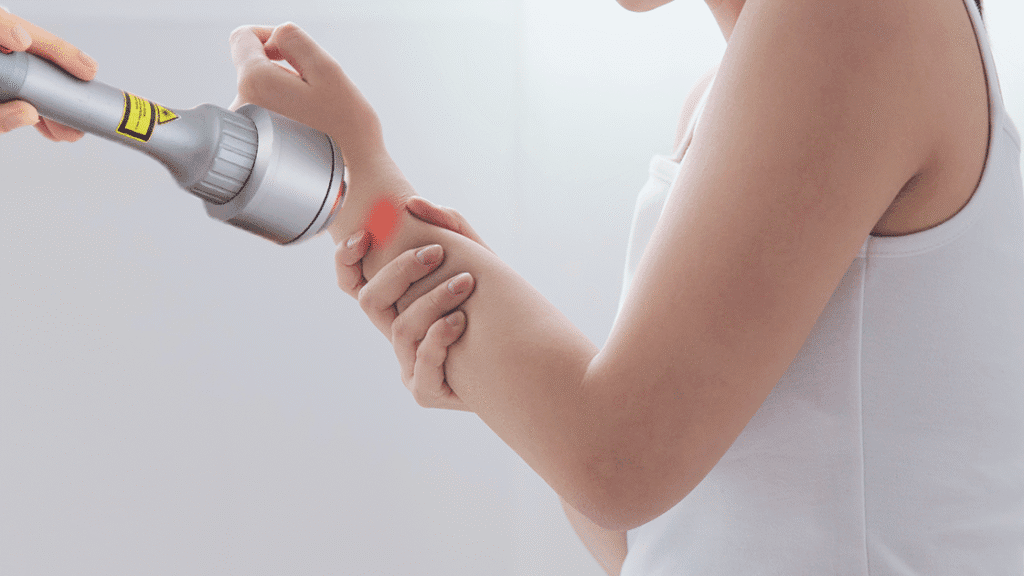
Treatment efficiency represents a significant practical advantage of Class IV laser therapy, with typical sessions lasting 3-8 minutes compared to 15-30 minutes for equivalent cold laser treatments. The shorter treatment duration improves clinic efficiency, allows for higher patient volume, and enhances patient convenience and satisfaction. Patient comfort is generally excellent with both modalities, though Class IV systems may produce mild warming sensations that many patients find pleasant and reassuring. The rapid treatment delivery of Class IV systems reduces the likelihood of patient movement and positioning issues that can affect treatment consistency. However, Class IV systems require constant operator supervision for safety reasons, while cold laser systems can often be left unattended during treatment. Setup and calibration procedures are typically more complex for Class IV systems but are offset by the reduced per-session treatment time.
5. Practical Applications in Healthcare
Real-world applications of both laser therapy modalities span diverse healthcare settings, with specific advantages emerging based on clinical context, patient populations, and treatment objectives. This section explores practical implementation considerations across various medical specialties.
5.1 Sports Medicine and Athletic Injury Recovery
Sports medicine applications demonstrate clear performance distinctions between Class IV and cold laser therapy, with Class IV systems showing particular advantages for treating deep tissue injuries and accelerating return-to-play timelines. Professional sports teams increasingly favor Class IV therapy for acute muscle strains, ligament sprains, and tendinopathies due to its ability to provide rapid pain relief and accelerated healing. The deeper tissue penetration enables treatment of injuries affecting large muscle groups, joint spaces, and spinal structures commonly encountered in athletic populations. Treatment efficiency is crucial in sports settings where multiple athletes require care within limited timeframes, making the 3-5 minute Class IV sessions particularly valuable. Cold laser therapy maintains relevance for superficial injuries, overuse conditions, and maintenance protocols where gentle, prolonged treatment may be preferred. Combination protocols using both modalities strategically can optimize outcomes while managing cost considerations and treatment logistics.
5.2 Physical Therapy and Rehabilitation
Physical therapy integration of laser therapy varies based on clinic specialization, patient populations, and treatment philosophies, with both modalities finding appropriate applications within comprehensive rehabilitation programs. Class IV laser therapy excels in treating conditions requiring deep tissue intervention, including chronic low back pain, shoulder impingement syndromes, and post-surgical rehabilitation where rapid inflammation reduction and pain control are prioritized. The treatment efficiency allows physical therapists to provide laser therapy as an adjunct to manual therapy and therapeutic exercise without significantly extending session duration. Cold laser therapy remains valuable for patients requiring gentler intervention, multiple treatment site coverage, or conditions where prolonged therapeutic exposure may benefit tissue healing. Many physical therapy practices utilize both modalities, selecting appropriate systems based on specific patient presentations and treatment objectives. Integration with other modalities including manual therapy, therapeutic exercise, and patient education creates comprehensive treatment approaches that optimize functional outcomes.
5.3 Post-Surgical Recovery
Post-surgical recovery applications demonstrate significant potential for both laser therapy modalities, with selection often based on surgical type, tissue depth, and healing objectives. Class IV laser therapy shows particular promise for orthopedic surgical recovery where deep tissue healing, reduced inflammation, and accelerated return to function are prioritized. The enhanced tissue penetration enables treatment of post-surgical inflammation and pain in deep structures while promoting angiogenesis and collagen synthesis necessary for optimal healing. Incision site treatment with either modality can accelerate wound healing, reduce scar formation, and improve cosmetic outcomes. Cold laser therapy may be preferred for superficial procedures or patients with sensitivity to thermal effects. Treatment timing protocols typically begin 24-48 hours post-surgery and continue throughout the healing process, with parameters adjusted based on healing progression and patient tolerance. Integration with post-surgical rehabilitation programs enhances overall recovery outcomes and patient satisfaction.
5.4 Chronic Pain Management
Chronic pain management represents one of the most challenging applications for both laser therapy modalities, requiring sustained treatment protocols and realistic outcome expectations. Class IV laser therapy demonstrates particular effectiveness for chronic conditions involving deep tissue pathology, including fibromyalgia, chronic low back pain, and osteoarthritis where conventional treatments provide limited relief. The enhanced energy delivery can address underlying tissue dysfunction and inflammatory processes that perpetuate chronic pain cycles. Treatment protocols often require multiple sessions over extended periods, with many patients experiencing progressive improvement over weeks to months. Cold laser therapy remains valuable for patients with multiple pain sites, those requiring gentler intervention, or individuals seeking home treatment options for ongoing management. Combination approaches using both modalities strategically throughout treatment courses can optimize outcomes while managing cost considerations. Success in chronic pain management requires realistic patient expectations, comprehensive treatment approaches, and ongoing monitoring to adjust protocols based on treatment response.
6. Choosing the Right Laser Therapy
Optimal laser therapy selection requires careful consideration of patient factors, condition characteristics, and clinical objectives to maximize therapeutic outcomes while ensuring safety and cost-effectiveness. This section provides guidance for making informed treatment decisions.
6.1 Ideal Candidates for Cold Laser Therapy
- Ideal for patients with superficial soft tissue injuries, wound healing needs, and dermatological conditions.
- Individuals requiring multi-site treatment benefit from multi-diode systems for efficient coverage.
- Patients sensitive to heat, with circulation issues, or with medical devices that preclude high-power lasers find cold laser therapy safer.
- Pediatric and geriatric populations tolerate cold laser therapy well due to its gentle, low-risk nature.
- Home-use portable cold laser devices allow ongoing self-management of chronic conditions.
- Budget-conscious patients and clinics find cold laser therapy more accessible while still providing meaningful therapeutic effects.
6.2 Ideal Candidates for Class IV Laser Therapy
- Suitable for conditions requiring deep tissue penetration and higher therapeutic intensity.
- Athletes and active individuals benefit from accelerated healing and superior pain relief for acute injuries.
- Patients with deep tissue conditions like chronic low back pain, large joint arthritis, or large muscle group injuries require Class IV penetration.
- Chronic conditions unresponsive to conservative treatments may respond better to the higher energy delivery of Class IV lasers.
- Busy patients appreciate shorter treatment sessions and potentially faster recovery timelines.
- Clinics with high patient volume can optimize efficiency using Class IV protocols while adhering to safety guidelines.
6.3 Contraindications and Safety Precautions
- Absolute contraindications include active malignancy in the treatment area, pregnancy for abdominal/pelvic treatment, and direct eye exposure.
- Class IV lasers require mandatory eye protection, enhanced operator training, and careful monitoring of skin temperature.
- Photosensitizing medications may necessitate treatment modification or avoidance, especially with Class IV systems.
- Metal implants usually require parameter adjustments and careful monitoring, but are not absolute contraindications.
- Patients with compromised sensation or circulation need modified treatment protocols and careful assessment.
6.4 Combining Laser Therapy with Exercise, Nutrition, and Other Treatments
- Exercise should be integrated during or shortly after laser therapy, progressing from gentle range-of-motion to strengthening and functional activities.
- Adequate protein intake, anti-inflammatory nutrients, and proper hydration support tissue repair and healing.
- Manual therapy, including massage, joint mobilization, and soft tissue techniques, complements laser therapy by improving biomechanics and circulation.
- Other modalities such as electrical stimulation, ultrasound, and heat/cold therapy can be combined with laser therapy for synergistic effects.
- Patient education on activity modification, ergonomics, and self-management ensures sustained benefits and prevents recurrence.
7. Final Verdict: Is Class IV Laser Therapy Better?
The question of whether Class IV laser therapy is “better” than cold laser therapy depends on clinical application, patient characteristics, safety, and cost. Class IV lasers excel for deep tissue conditions, acute injuries needing rapid healing, and chronic cases resistant to other treatments, providing superior pain relief, functional improvement, and treatment of large muscle groups, joint spaces, and spinal structures. Clinical studies show up to 70% pain reduction and long-term benefits for conditions like Achilles tendinopathy and chronic epicondylitis. Cold laser therapy, meanwhile, offers safety, versatility, and cost-effectiveness, making it ideal for superficial conditions, multiple treatment sites, and patients or practices requiring gentler, accessible therapy. Evidence supports a complementary approach: Class IV for intensive, deep interventions, and cold laser for safer, broader applications. The “better” choice depends on aligning the modality with individual patient needs, condition severity, and treatment objectives, rather than viewing the therapies as competing alternatives.
 English
 العربية
 Français
 日本語
日本語 Português
 Español
 Русский
 Deutsch