
Page Contents
Introduction
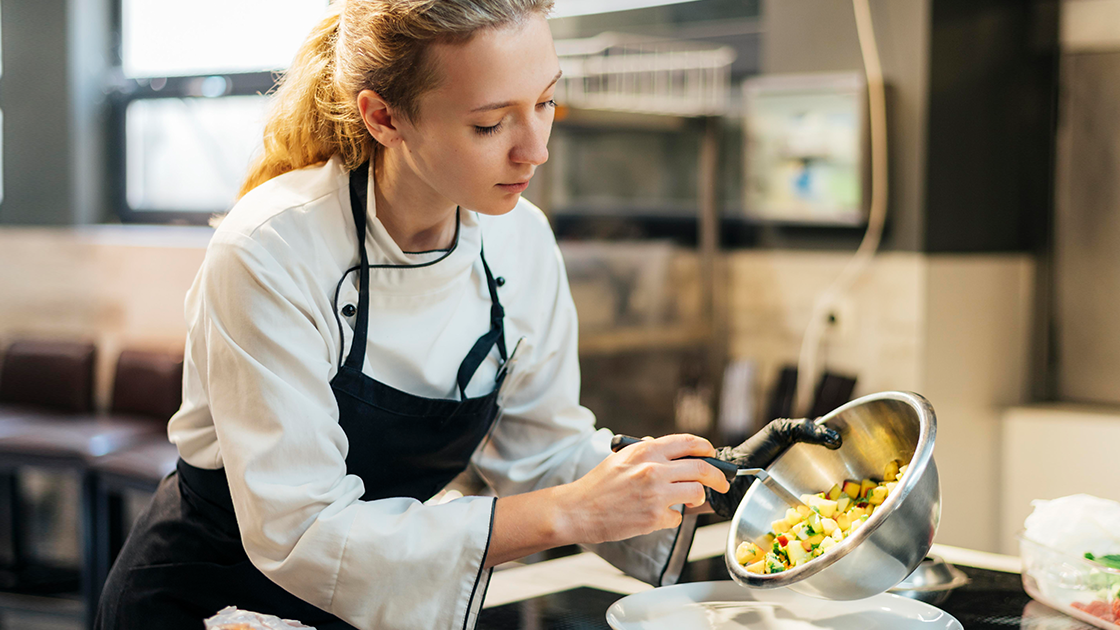
Chefs and culinary professionals perform repetitive hand and wrist movements for hours every day, from chopping and kneading to plating and carrying heavy dishes. Over time, this workload can lead to chronic hand strain, tendonitis, and joint discomfort, affecting both career longevity and quality of life. While traditional approaches like rest, ice, and anti-inflammatory medications provide temporary relief, they rarely address underlying tissue damage. Class IV Laser Therapy offers a non-invasive, science-backed solution that targets inflammation, accelerates cellular repair, and restores hand and wrist function. This article explores causes, benefits, treatment mechanisms, lifestyle strategies, and long-term maintenance for culinary professionals seeking effective hand health solutions.
1. Understanding Hand and Wrist Strain in Culinary Professionals
Repetitive strain injuries are common among chefs due to high-intensity hand usage, often combined with stressful kitchen environments. Understanding the causes and symptoms is crucial for timely intervention.
1.1 Causes of Chronic Hand Strain
Chronic hand strain in chefs arises from repetitive movements, sustained grip, and forceful actions like chopping, kneading dough, and lifting heavy pots. Overuse of flexor and extensor tendons leads to microtears and inflammation, while high-paced kitchen conditions limit recovery time. Environmental factors such as heat, humidity, and slippery surfaces contribute to muscular fatigue. Left untreated, these microtraumas accumulate, increasing the risk of tendonitis, joint degeneration, and long-term functional decline. Recognizing these risk factors allows professionals to combine preventive strategies with advanced therapeutic solutions.
1.2 Common Symptoms and Effects
Affected individuals often experience wrist and finger stiffness, soreness, and tenderness along tendons. Pain may radiate to the forearm or palm, accompanied by swelling, decreased grip strength, and tingling sensations. These symptoms can reduce precision, slow work pace, and compromise safety during high-volume food preparation. Over months or years, untreated strain may result in chronic tendonitis or carpal tunnel syndrome, affecting not only professional performance but also daily life activities. Early intervention is critical to prevent progressive deterioration.
2. How Class IV Laser Therapy Works
Class IV Laser Therapy delivers high-intensity light energy to damaged tissues, stimulating cellular repair and reducing inflammation. Its non-invasive nature makes it ideal for busy professionals seeking rapid recovery without downtime.
2.1 Mechanism of High-Power Laser
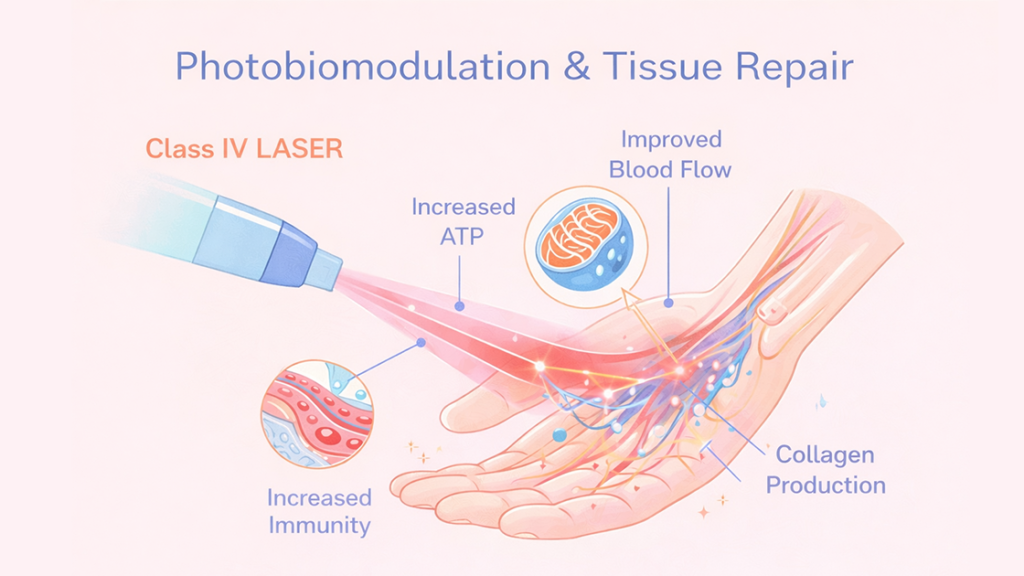
Class IV lasers emit high-power infrared light, penetrating deep into soft tissues to stimulate mitochondrial activity. This photobiomodulation increases adenosine triphosphate (ATP) production, enhancing cellular energy for tissue repair. Additionally, laser exposure reduces pro-inflammatory mediators, improves local blood flow, and accelerates collagen synthesis. The result is faster tendon and joint recovery, diminished pain, and restoration of hand function. By targeting the root of tissue injury rather than just symptoms, Class IV lasers offer long-term benefits beyond temporary relief.
2.2 Advantages Over Traditional Treatments
Unlike oral medications or topical creams that provide symptomatic relief, Class IV Laser Therapy addresses underlying tissue pathology. It is non-surgical, safe, and requires no downtime, making it compatible with demanding kitchen schedules. Compared to physical therapy alone, laser treatment accelerates recovery by enhancing cellular repair mechanisms. Ice packs and anti-inflammatory medications may reduce swelling temporarily, but lasers promote true tissue regeneration, reducing the risk of recurrence and chronic damage.
3. Benefits for Chefs and Restaurant Workers
Class IV Laser Therapy delivers practical advantages for culinary professionals, restoring function, alleviating pain, and enhancing occupational performance.
3.1 Pain Relief and Function Restoration
Laser therapy reduces tendon and joint inflammation, relieving chronic pain associated with repetitive kitchen work. By stimulating fibroblast activity and collagen production, the therapy enhances tissue resilience and flexibility. Improved grip strength and dexterity allow chefs to perform tasks with precision and efficiency. Many professionals report noticeable relief after the first few sessions, which encourages adherence to treatment plans. Over time, laser therapy supports long-term functional recovery, minimizing interruptions to busy workdays.
3.2 Faster Recovery Between Shifts
One of the main advantages of Class IV Laser Therapy is its compatibility with professional schedules. Sessions are typically brief, lasting 10–20 minutes per area, and can be performed between shifts or during short breaks. By accelerating tissue repair and improving circulation, laser therapy reduces cumulative fatigue, enabling faster recovery and sustained performance. This rapid recovery is particularly beneficial during high-demand periods in the restaurant industry, allowing chefs to maintain productivity without sacrificing hand health.
4. Lifestyle and Ergonomic Tips
While Class IV Laser Therapy is effective, combining it with proper hand care and ergonomics maximizes outcomes and prevents re-injury.
4.1 Daily Hand Care and Exercises
Simple stretching exercises for fingers, wrists, and forearms can enhance flexibility and reduce tendon stress. Strengthening exercises, such as grip squeezes and resistance band movements, fortify hand muscles and improve endurance. Maintaining proper hydration and applying topical moisturizers help preserve skin integrity and joint lubrication. Incorporating these routines before or after shifts complements laser therapy, promoting faster recovery and long-term tendon health.
4.2 Workplace Ergonomics
Adjusting workstation heights, using anti-fatigue mats, and ensuring proper knife and tool grip angles reduce stress on hand and wrist tendons. Scheduled micro-breaks during peak hours allow muscles and tendons to recover. Proper lifting techniques and avoiding excessive wrist flexion during repetitive tasks prevent cumulative strain. Integrating ergonomic adjustments with Class IV Laser Therapy establishes a holistic approach to preventing chronic hand and wrist injuries in culinary settings.
5. Long-Term Maintenance and Prevention
Sustainable hand health requires combining periodic laser therapy with preventive practices tailored to chefs’ occupational needs.
5.1 Regular Laser Therapy Sessions
Maintaining tendon integrity and joint flexibility requires consistent follow-up treatments. Most professionals benefit from sessions every 4–6 weeks, depending on injury severity and workload. Regular monitoring by a trained clinician ensures optimal dosage and treatment parameters, enhancing safety and effectiveness. Consistent therapy mitigates chronic inflammation, prevents flare-ups, and supports long-term occupational performance.
5.2 Preventing Future Injuries
Preventive measures include continued ergonomic awareness, stretching routines, and appropriate nutrition to support tendon and joint health. Adequate protein intake, vitamins C and D, and omega-3 fatty acids enhance tissue repair and collagen synthesis. Integrating these measures into daily routines, alongside scheduled laser therapy, ensures chefs maintain functional hands and wrists, reducing the likelihood of chronic injury and extending their professional longevity.
FAQ
How many laser sessions are typically needed for relief?
Most chefs notice improvement after 2–3 sessions, with significant pain reduction by 6 sessions.
Is Class IV Laser Therapy safe for all skin types?
Yes, parameters can be adjusted to safely treat all skin tones and tissue sensitivities.
Can therapy be done during busy work schedules?
Yes, sessions are brief and can fit between shifts without interrupting kitchen workflow.
Are there side effects?
Mild warmth or temporary redness may occur but generally resolves within hours.
How long do benefits last?
With regular maintenance and ergonomic care, results can be sustained for months or years.
Conclusion
Chronic hand and wrist strain is a significant occupational hazard for chefs and culinary professionals. Class IV Laser Therapy provides a non-invasive, science-backed solution to reduce inflammation, accelerate tissue repair, and restore hand function. Combined with daily hand care, ergonomic adjustments, and nutritional support, this therapy offers a sustainable strategy to prevent injury and maintain peak professional performance. By addressing both symptoms and underlying tissue damage, chefs can achieve long-term hand health, enhanced productivity, and career longevity.
References
Smart Laser Therapy. “Class IV Laser Therapy Overview.”
https://smartlasertherapy.com/how-class-iv-laser-therapy-elevates-your-health-plan/
Bjordal, J. M., et al. “Photobiomodulation in Musculoskeletal Pain: Clinical Evidence.” Photomedicine and Laser Surgery.
https://www.liebertpub.com/doi/10.1089/pho.2010.2897
Hamblin, M. R. “Mechanisms and Applications of Low-Level Laser (Light) Therapy.” American Journal of Physical Medicine & Rehabilitation.
 English
 العربية
 Français
 日本語
日本語 Português
 Español
 Русский
 Deutsch