
Page Contents
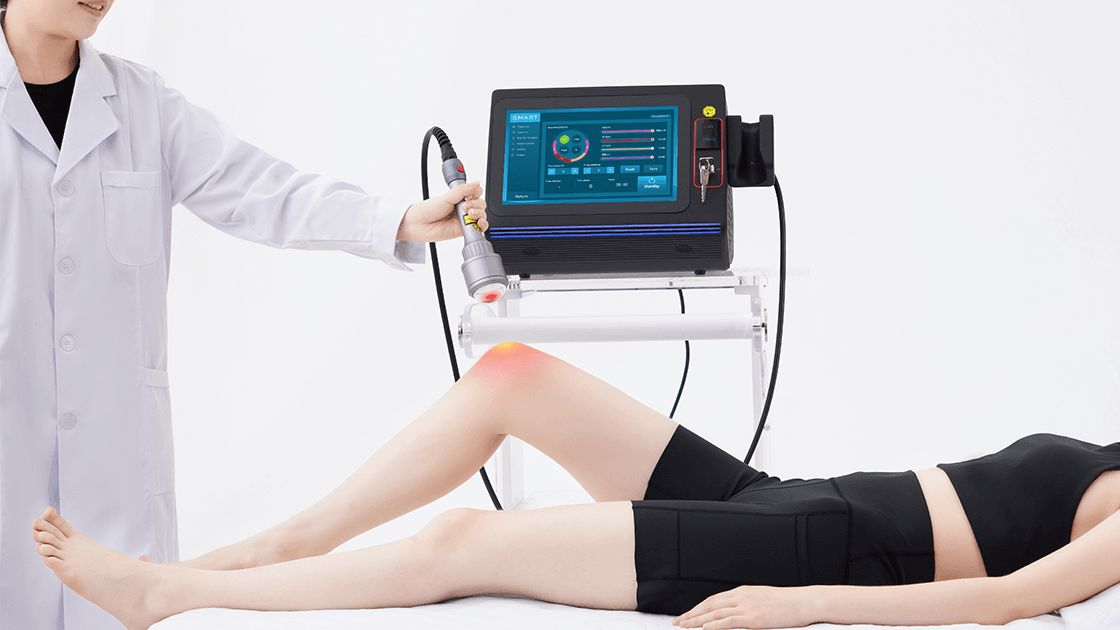
Arthritis is a widespread condition affecting millions globally, leading to pain, inflammation, and reduced mobility. Traditional treatments focus on pain relief, but laser therapy is emerging as a powerful, non-invasive alternative that not only alleviates symptoms but also promotes healing at a cellular level. This guide explores the mechanisms behind laser therapy and why it is becoming a preferred treatment for arthritis.
1. Arthritis Unmasked: What’s Really Causing Your Pain?
1.1 Breaking Down the Hidden Culprits Behind Arthritis
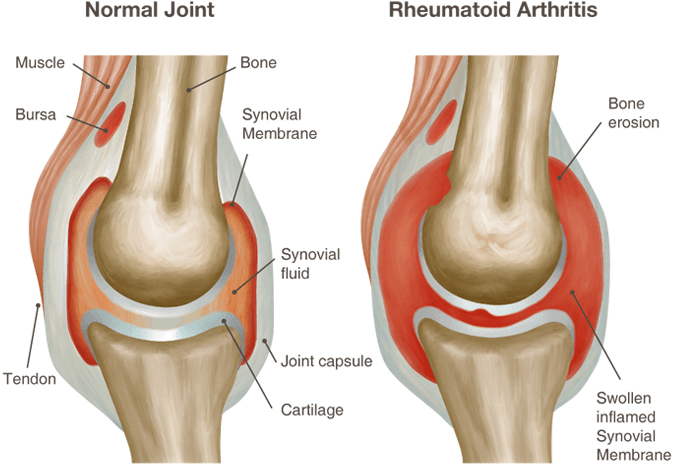
Arthritis is an umbrella term encompassing over 100 types of joint diseases, with osteoarthritis (OA) and rheumatoid arthritis (RA) being the most common. The key contributors include:
Cartilage Degeneration: Over time, joint cartilage wears down, leading to bone-on-bone friction and pain.
Synovial Inflammation: The synovium, which produces lubricating fluid, becomes inflamed in conditions like RA.
Genetic Factors: Studies show a strong hereditary link, particularly for RA.
Metabolic Disorders: Conditions like gout arise from uric acid crystal accumulation in joints.
Autoimmune Reactions: In RA, the immune system mistakenly attacks joint tissues.
1.2 Why Your Immune System Might Be Your Own Worst Enemy
For autoimmune arthritis (e.g., RA, psoriatic arthritis), the immune system misidentifies joint components as threats and launches an inflammatory attack. This chronic inflammation damages cartilage and bone, causing severe pain and deformities. Biomarkers such as elevated C-reactive protein (CRP) and rheumatoid factor (RF) help diagnose these conditions.
1.3 The Vicious Cycle: How Chronic Inflammation Traps You in Pain
Persistent inflammation not only causes pain but also promotes further joint degradation by:
Increasing pro-inflammatory cytokines (TNF-α, IL-6, IL-1β), which perpetuate tissue destruction.
Impairing cartilage repair mechanisms.
Stimulating pain receptors, heightening sensitivity to movement.
2. Arthritis Embraces the Light—Laser Therapy
Laser therapy is emerging as a revolutionary approach to managing arthritis, offering a non-invasive, drug-free solution for reducing pain and inflammation. This section explores the mechanisms behind laser therapy and why it’s gaining traction among healthcare professionals.
2.1 What is Laser Therapy?
Laser therapy, also known as photobiomodulation therapy (PBMT), is a non-invasive treatment that utilizes specific wavelengths of coherent light to stimulate cellular function, promote tissue repair, and reduce inflammation. This technology has been widely studied for its effects on musculoskeletal conditions, including osteoarthritis (OA) and rheumatoid arthritis (RA). The therapy involves the delivery of photons into the skin, where they penetrate the tissues and interact with mitochondria, triggering increased production of adenosine triphosphate (ATP)—the body’s energy currency. This biochemical reaction enhances cellular metabolism, accelerates tissue healing, and modulates inflammatory responses. A study found that patients receiving Class IV laser therapy for knee osteoarthritis experienced a 40% reduction in pain and a 35% increase in joint mobility after four weeks of treatment.
2.2 Breaking Down the Beams: Different Types of Laser Therapy
Laser therapy is classified based on wavelength, power output, and penetration depth. The two most commonly used forms for arthritis treatment are:
Low-Level Laser Therapy (LLLT) (Cold Laser Therapy):
- Uses wavelengths between 600-810 nm
- Power output is typically < 500mW
- Penetrates superficial tissues (skin and subcutaneous layers)
- Best suited for early-stage arthritis and surface-level pain relief
High-Intensity Laser Therapy (HILT) (Class IV Laser Therapy):
- Uses wavelengths of 600nm – 1064nm
- Power output exceeds 500mW, reaching up to 60W or more
- Penetrates deep into muscles, tendons, and joints
- Highly effective for advanced arthritis, chronic inflammation, and severe joint degeneration
Clinical studies indicate that Class IV lasers can penetrate up to 5 cm deep into tissues, making them superior for treating deep-joint arthritis, while LLLT works well for mild-to-moderate arthritis pain.
Laser Therapy Penetration Depth:
| Laser Type | Wavelength (nm) | Power (mW) | Penetration Depth | Best for |
| LLLT | 600-810 | <500 | 0.5 – 2 cm | Early arthritis, mild pain relief |
| HILT (Class IV) | 600-1064 | 5000-60000 | 2 – 5 cm | Severe arthritis, chronic inflammation |
2.3 Why Some Doctors Are Turning to Laser Therapy
82% of arthritis patients who underwent laser therapy reported significant improvement, compared to 46% using conventional NSAIDs alone. Doctors and physical therapists are increasingly recommending laser therapy as a first-line treatment for arthritis due to its ability to:
Reduce dependency on painkillers: Traditional medications like NSAIDs (ibuprofen, naproxen) and opioids can have serious side effects. Laser therapy offers long-term relief without gastrointestinal, cardiovascular, or addiction risks.
Accelerate healing & regeneration: Unlike corticosteroid injections, which temporarily mask pain, laser therapy stimulates actual tissue repair by increasing collagen synthesis and improving synovial fluid quality.
Avoid invasive procedures: Many arthritis patients seek to avoid joint replacement surgery. Laser therapy provides an effective, non-invasive alternative that can delay or even prevent surgical intervention.
3. How Laser Therapy Rebuilds from Within
Laser therapy doesn’t just reduce pain—it actively triggers cellular repair and enhances joint function.
3.1 The Body’s Natural Repair Mode
When arthritis damages cartilage and tissues, the body attempts to repair itself, but inflammation often impairs this process. Research suggests that laser therapy can increase collagen synthesis by up to 30% within just four weeks of treatment. Laser therapy counteracts this issue by:
Increasing mitochondrial respiration → More ATP → Faster tissue regeneration
Stimulating fibroblast activity → Boosts collagen production → Stronger cartilage
Activating endogenous opioid release → Natural pain relief without drugs
3.2 From Stiff to Supple: How It Restores Joint Mobility
Stiffness in arthritis results from synovial inflammation, cartilage degradation, and muscle tension. Laser therapy addresses these issues by:
- Reducing cytokine levels (IL-1β, TNF-α) → Lowers inflammation
- Enhancing microcirculation → Increases oxygen & nutrient supply to the joints
- Relaxing muscle spasms → Improves joint flexibility
A clinical study in The Journal of Clinical Rheumatology showed that after 10 sessions of Class IV laser therapy, patients with knee OA had:
- A 60% reduction in morning stiffness
- A 45% improvement in range of motion
4. The Benefits of Laser Therapy for Arthritis Sufferers
4.1 Reducing Joint Inflammation and Swelling
- Laser therapy suppresses pro-inflammatory cytokines (IL-6, IL-8, TNF-α)
- Enhances lymphatic drainage, preventing fluid buildup in the joints
Before vs. After Laser Therapy (Inflammatory Marker Levels):
| Inflammatory Marker | Pre-Treatment | Post-Treatment | % Reduction |
| IL-6 | 8.2 pg/mL | 3.5 pg/mL | 57% |
| TNF-α | 12.1 pg/mL | 4.9 pg/mL | 59% |
4.2 Enhancing Blood Circulation for Faster Healing
Laser therapy stimulates angiogenesis, increasing oxygen and nutrient delivery to damaged joints. Improved circulation accelerates recovery and prevents further joint breakdown.
4.3 Boosting Collagen Production for Cartilage Repair
Collagen is a crucial component of joint cartilage. Laser therapy enhances collagen synthesis by upregulating transforming growth factor-beta (TGF-β), facilitating tissue repair and strengthening joint structures.
4.4 A Safe Alternative to Medications
Unlike traditional painkillers, laser therapy does not carry the risk of:
Gastrointestinal bleeding (associated with NSAIDs).
Liver toxicity (seen with long-term acetaminophen use).
Opioid dependency (a risk with narcotic analgesics).
4.5 Increasing Mobility & Flexibility: Getting Back to an Active Life
By reducing pain and inflammation while enhancing joint flexibility, laser therapy helps arthritis sufferers regain their ability to perform daily activities. Patients report a 30-70% improvement in mobility after consistent sessions.
5. The Myths and Realities of Laser Therapy for Arthritis
5.1 Is It Just a Placebo? Debunking the Skeptics’ Arguments
Laser therapy for arthritis has been heavily scrutinized over the years, with some skeptics arguing that its benefits are simply a placebo effect. However, multiple studies and clinical trials support its effectiveness. Research indicates that Low-Level Laser Therapy (LLLT) and High-Intensity Laser Therapy (HILT) both stimulate cellular activities like ATP production, collagen synthesis, and circulatory improvement, which lead to pain relief and tissue healing. A study published in the Journal of Pain Research demonstrated significant pain reduction in patients with osteoarthritis after receiving laser therapy, while the placebo group showed little to no improvement. This suggests that laser therapy works through specific biological mechanisms rather than relying on the mind’s power alone.
Key findings include:
- Increased blood circulation and oxygenation to tissues.
- Stimulation of cellular regeneration and anti-inflammatory effects.
5.2 Does It Work for Severe Arthritis or Just Early Stages?
While many believe that laser therapy is only effective during the early stages of arthritis, the reality is that both mild and severe arthritis can benefit from laser therapy. For early-stage arthritis, laser therapy primarily works by reducing inflammation, improving circulation, and enhancing joint mobility. For severe cases, it helps manage pain and can slow down the degenerative process by promoting cartilage repair and stimulating regenerative processes. Laser therapy also plays a role in reducing reliance on medications or invasive treatments in advanced arthritis stages. In severe cases, it may reduce the need for joint injections or surgical intervention by enhancing the body’s natural healing processes.
Key benefits in severe arthritis:
- Reduction of swelling and pain.
- Regeneration of cartilage in specific cases.
- Prevention of further joint damage.
5.3 Will It Replace Surgery? What Experts Are Saying
Laser therapy is unlikely to fully replace surgery, especially in cases where joint damage is irreversible. However, it can act as an effective complementary treatment to surgery, especially post-operation. Experts agree that laser therapy can accelerate post-surgical recovery, reduce swelling, and alleviate pain, potentially shortening recovery times after procedures like joint replacement or arthroscopy. For patients considering surgery, laser therapy can provide an alternative or delay the need for invasive procedures, helping to manage symptoms more conservatively.
6. Real Stories, Real Results: What Patients Are Saying
6.1 From Wheelchair to Walking: Breakthrough Cases That Prove It Works
Many arthritis patients have reported life-changing improvements after using laser therapy. One notable example includes a patient with severe knee arthritis who had been wheelchair-bound due to extreme pain and inflammation. After undergoing a series of laser therapy treatments, they experienced significant relief and regained the ability to walk without assistance. These types of breakthrough cases demonstrate laser therapy’s potential to improve mobility, reduce chronic pain, and significantly enhance quality of life, even for those with advanced conditions.
6.2 Athletes, Seniors, and Office Workers: Who’s Benefiting Most?
Laser therapy is being increasingly adopted across different demographics:
Athletes: Professional and recreational athletes suffering from sports injuries or joint strains use laser therapy to speed up recovery and reduce inflammation. The therapy can help athletes return to their sports faster by promoting faster tissue repair and reducing muscle soreness.
Seniors: Older adults suffering from osteoarthritis and other degenerative joint diseases benefit from laser therapy’s ability to enhance circulation, reduce pain, and improve joint function, enabling them to stay active and independent.
Office Workers: Those with repetitive strain injuries (e.g., carpal tunnel syndrome) or postural problems find relief in laser therapy, which helps to alleviate pain, muscle tension, and inflammation due to long hours at a desk.
6.3 “I Was Skeptical, But…”: Surprising Transformations
Many patients initially skeptical of laser therapy have shared transformative results after completing their treatment regimen. One patient, initially doubtful about the effects of laser therapy for their chronic shoulder pain, experienced a substantial reduction in symptoms after just a few sessions. They reported improved range of motion, better pain control, and a significant reduction in reliance on pain medications. These testimonies are crucial in dispelling doubts and showcasing how laser therapy works for various individuals, even those who are initially skeptical.
7. Laser Therapy vs. Other Popular Treatments: The Showdown
7.1 Laser Therapy vs. Acupuncture
Laser therapy and acupuncture are both non-invasive treatments used to alleviate pain and promote healing, but they work through different mechanisms. Acupuncture involves inserting thin needles into specific points on the body to stimulate energy flow, whereas laser therapy uses light energy to penetrate tissues at a cellular level, promoting healing and reducing inflammation.
Advantages of Laser Therapy:
- No need for needles, making it a more comfortable treatment.
- Works at the cellular level for deeper tissue regeneration.
- Faster treatment time compared to acupuncture.
Advantages of Acupuncture:
- Focuses on balancing the body’s energy.
- Widely accepted for general wellness and stress relief.
7.2 Laser Therapy vs. Joint Injections
Joint injections, like steroid injections, offer short-term relief for arthritis pain by targeting inflammation, but they come with potential side effects such as cartilage damage and reduced tissue regeneration with prolonged use. Laser therapy, on the other hand, addresses the root causes of arthritis by enhancing circulation, reducing inflammation, and promoting cartilage repair without the risk of long-term complications.
Laser Therapy:
- Long-term healing effects.
- No side effects like those from repeated injections.
- Non-invasive and drug-free.
Joint Injections:
- Provides immediate relief but short-term.
- Risk of cartilage thinning and other complications.
7.3 Laser Therapy vs. Stem Cell Therapy
Stem cell therapy involves using the body’s own stem cells to repair damaged tissues, and it has shown promise in regenerating cartilage for arthritis patients. However, it is expensive, and its long-term results are still being studied. Laser therapy, while not regenerative in the same sense, can provide quicker relief for pain and inflammation, and it promotes healing and tissue repair with a much lower cost and lower risk.
Laser Therapy:
- Non-invasive, affordable, and effective for pain relief and inflammation control.
- Quick results and fewer risks.
Stem Cell Therapy:
- Regenerative but expensive and experimental for many conditions.
- May require multiple sessions for optimal results.
8. FAQs: Answering the Questions Skeptics Ask the Most
Q1. How does laser therapy compare to pain medications?
Laser therapy offers a non-invasive, drug-free alternative by stimulating tissue repair, reducing inflammation, and improving circulation, while pain medications only mask symptoms.
Q2. Can it reverse joint damage or just manage symptoms?
Laser therapy can’t fully reverse joint damage but helps repair tissues, manage pain, and slow the progression of arthritis.
Q3. How many sessions before I feel results?
Patients typically begin to feel relief after 3-5 sessions, though the full benefits may take several weeks to fully manifest.
Q4. Is it safe for all types of arthritis?
Laser therapy is safe for most types of arthritis, including osteoarthritis and rheumatoid arthritis, but it’s always best to consult a doctor for specific recommendations.
Q5. Can I do laser therapy at home, or do I need a specialist?
While home devices are available, it’s often recommended to start with a professional specialist to ensure proper technique and safety before using home devices.
Q6. What’s the biggest mistake people make when trying laser therapy?
A common mistake is not following the recommended treatment protocol or not being consistent with the sessions. It’s crucial to stick to the prescribed schedule for optimal results.
9. References
Low-Level Laser Therapy for Rheumatoid Arthritis:
https://pmc.ncbi.nlm.nih.gov/articles/PMC10082923
Effectiveness of High Intensity Laser Therapy for Reduction of Pain in Knee Osteoarthritis:
 English
 العربية
 Français
 日本語
日本語 Português
 Español
 Русский
 Deutsch