
Page Contents
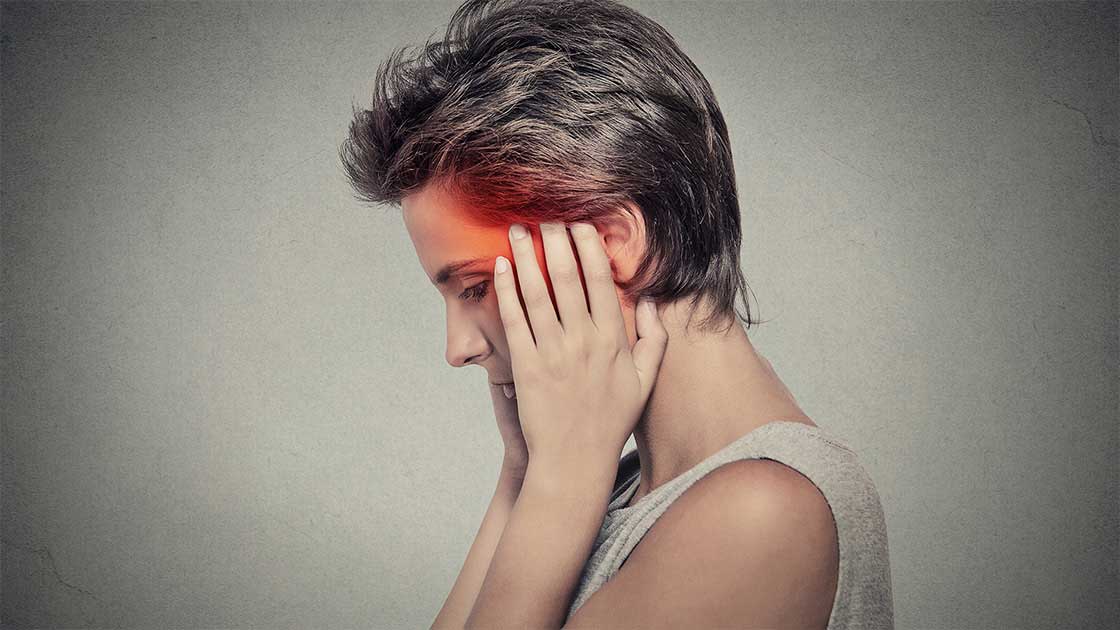
Headaches are among the most common medical complaints worldwide, affecting millions of people each year. They can range from mild tension headaches to debilitating migraines or cluster headaches, severely impacting daily life. While traditional treatments—such as over-the-counter medications and lifestyle adjustments—remain standard, many individuals are exploring alternative approaches like laser therapy. This blog post delves into the potential benefits, mechanisms, and limitations of laser therapy for headaches relief.
Understanding Headaches
Headaches are defined as pain or discomfort in the head, scalp, or neck region. There are various types of headaches, each with unique symptoms and causes. The most common types include:
- Tension Headaches: Often linked to stress or muscle strain in the neck and scalp.
- Migraines: Severe headaches that may include nausea, vomiting, and sensitivity to light or sound.
- Cluster Headaches: Intense, recurring headaches typically around one eye, often with accompanying symptoms like a runny nose.
- Sinus Headaches: Caused by inflammation and blockage in the sinus cavities, often accompanied by sinus pressure and congestion.
Common triggers include stress, dehydration, sleep disturbances, poor posture, and food sensitivities. Treatment options depend on the headache type and its severity, ranging from medications and physical therapy to lifestyle modifications.
Laser Therapy Explained
Low-Level Laser Therapy (LLLT), also known as Cold Laser Therapy, is a non-invasive treatment that uses low-intensity light to stimulate tissue regeneration and reduce pain. The light penetrates the skin and tissues, reaching the targeted areas such as the head, neck, or sinuses. By stimulating the mitochondria in cells, LLLT enhances the production of adenosine triphosphate (ATP), the energy currency of cells. This, in turn, accelerates healing, reduces inflammation, and promotes improved circulation.
Laser therapy for headaches may be administered in two forms:
- Transcranial Laser Therapy (TCLT): The laser light is applied directly to the scalp or forehead, targeting the brain and surrounding tissues.
- Intranasal Laser Therapy: A small laser probe is inserted into the nasal cavity to deliver light directly to the sinuses, where it can reduce inflammation and improve sinus drainage.
In addition to LLLT, there are other emerging treatments, such as Transcranial Magnetic Stimulation (TMS), which involves using magnetic fields to stimulate brain cells, and Photobiomodulation (PBM), which uses specific wavelengths of light to modulate biological processes.
Potential Benefits of Laser Therapy for Headaches
Research has shown promising results for laser therapy as a treatment for various types of headaches. Several studies indicate that LLLT can significantly reduce both the frequency and intensity of headaches. In a meta-analysis published in The Journal of Alternative and Complementary Medicine, laser therapy was found to be significantly more effective than placebo in reducing headache intensity and frequency.
One study published in the Journal of Clinical Laser Medicine & Surgery found that patients with migraines reported reduced pain and fewer attacks after receiving laser therapy. Similarly, TMS therapy has shown efficacy for migraine sufferers, with over 60% of participants experiencing pain reduction after a six-week treatment regimen. Laser therapy works by reducing inflammation and improving circulation, both of which play a role in alleviating headache pain. By enhancing cellular function and reducing pain-causing inflammation in the brain and neck muscles, laser therapy can promote quicker recovery from headaches.
The Relationship Between Laser Therapy and Headaches
Headaches can stem from multiple factors, including tension, inflammation, poor blood flow, and nerve dysfunction. Laser therapy targets these issues at a cellular level, providing relief by:
- Reducing inflammation: Laser therapy can reduce the inflammation that causes pressure and pain in tissues surrounding the head, neck, or sinuses.
- Improving circulation: The therapy improves blood flow, which helps deliver essential nutrients and oxygen to the affected tissues, aiding in healing.
- Stimulating cellular repair: Laser energy accelerates the body’s natural healing processes by stimulating mitochondria to produce more ATP, which is critical for cellular regeneration.
Considerations and Limitations
While laser therapy is generally safe and non-invasive, it can have potential side effects. These may include mild skin irritation or temporary discomfort, like a slight headache. It’s important to note that laser therapy might not work for everyone. Its effectiveness can depend on the type of headache and its underlying causes. Availability also varies by location, and insurance may not cover it, making it less accessible for some. As with any treatment, consult a healthcare professional before starting to determine if it’s right for you.
In conclusion, laser therapy shows promise as a natural headache relief option. While research is ongoing, it’s not a one-size-fits-all solution. It’s crucial to work with a healthcare provider to find the best treatment for you. Although still evolving, laser therapy offers a non-invasive, drug-free alternative for those suffering from chronic headaches.
 English
 العربية
 Français
 日本語
日本語 Português
 Español
 Русский
 Deutsch