

Page Contents
1. Introduction: Shining a New Light on Wound Care
Wound healing represents one of medicine’s most fundamental challenges, affecting millions of patients worldwide who struggle with delayed recovery, chronic ulcerations, and compromised tissue repair. Traditional wound management approaches, while effective in many cases, often fall short when dealing with complex healing scenarios that require advanced therapeutic interventions.
1.1 Why Traditional Wound Treatments Fall Short
Conventional wound care protocols typically rely on moisture management, debridement, and antimicrobial treatments. However, these approaches frequently prove inadequate for patients with compromised circulation, diabetes mellitus, or immunocompromised states. Traditional dressings and topical medications often fail to address the underlying cellular dysfunction that prevents proper tissue regeneration, leaving healthcare providers searching for more effective therapeutic modalities.
1.2 The Rise of Laser Therapy in Clinical Wound Management
Laser therapy has emerged as a revolutionary non-invasive treatment modality that addresses wound healing at the cellular level. Also known as photobiomodulation therapy, this innovative approach utilizes specific wavelengths of light to stimulate cellular metabolism and accelerate the natural healing cascade. Healthcare facilities worldwide are increasingly incorporating laser therapy into their wound care protocols, recognizing its potential to transform patient outcomes.
1.3 Backed by Science: Laser Therapy’s Growing Evidence Base
Extensive clinical research and peer-reviewed studies have demonstrated laser therapy’s efficacy in wound healing applications. Meta-analyses and randomized controlled trials consistently show improved healing rates, reduced pain scores, and enhanced tissue quality outcomes. This growing body of evidence has led to increased acceptance among wound care specialists, podiatrists, and plastic surgeons who seek evidence-based treatment options for their patients.
2. What Is Laser Therapy?
Understanding the fundamental principles of therapeutic laser technology is essential for appreciating its clinical applications in wound management. Laser therapy operates through precise light delivery systems that target specific chromophores within injured tissues, initiating beneficial photochemical reactions that promote healing.
2.1 Understanding the Basics of Therapeutic Lasers
Therapeutic lasers emit coherent, monochromatic light at specific wavelengths typically ranging from 660 to 1064 nanometers. These devices generate non-thermal photons that penetrate tissue layers without causing thermal damage or ablation. The term “laser” stands for Light Amplification by Stimulated Emission of Radiation, describing the precise mechanism by which these devices produce their therapeutic effects through controlled photon delivery to target tissues.
2.2 Classifications: Class III vs. Class IV Laser Therapy
The FDA classifies therapeutic lasers into distinct categories based on their power output and safety profiles. Class III lasers, also called cold lasers, operate at power levels below 500 milliwatts and primarily affect superficial tissues. Class IV lasers deliver higher power outputs exceeding 500 milliwatts, enabling deeper tissue penetration and broader therapeutic applications while requiring enhanced safety protocols and specialized training for operators.

2.3 How Laser Therapy Accelerates Wound Healing
The mechanisms underlying laser therapy’s wound healing benefits involve complex photobiological processes that occur at the cellular and molecular levels. These interconnected pathways work synergistically to create an optimal healing environment through multiple therapeutic mechanisms.
2.3.1 Stimulates ATP Production for Faster Cell Repair
Photobiomodulation enhances mitochondrial function by stimulating cytochrome c oxidase, the terminal enzyme in the electron transport chain. This process increases adenosine triphosphate (ATP) synthesis, providing cells with enhanced energy resources for protein synthesis, DNA repair, and cellular division. Elevated ATP levels accelerate fibroblast proliferation and keratinocyte migration, fundamental processes in wound closure and tissue regeneration.
2.3.2 Enhances Collagen Synthesis and Tissue Remodeling
Laser therapy upregulates collagen production by stimulating fibroblast activity and modulating growth factor expression. Increased collagen types I and III synthesis strengthens the extracellular matrix and improves tensile strength of healing tissues. This enhanced collagen deposition occurs alongside improved tissue remodeling processes, resulting in better organized scar tissue and reduced risk of contracture formation in healing wounds.
2.3.3 Increases Blood Flow and Oxygenation
Photobiomodulation promotes vasodilation and angiogenesis through nitric oxide release and vascular endothelial growth factor (VEGF) upregulation. Enhanced microcirculation delivers increased oxygen and nutrients to healing tissues while facilitating waste product removal. This improved perfusion is particularly beneficial for wounds in areas with compromised circulation, such as diabetic foot ulcers and pressure sores affecting elderly patients.
2.3.4 Reduces Inflammation to Speed Up Recovery
Laser therapy modulates inflammatory responses by reducing pro-inflammatory cytokines including tumor necrosis factor-alpha (TNF-α) and interleukin-1 beta (IL-1β). Simultaneously, it increases anti-inflammatory mediators and promotes M2 macrophage polarization, creating a healing-conducive environment. This balanced inflammatory response prevents chronic inflammation while maintaining necessary immune functions for proper wound healing and infection prevention.
3. Types of Wounds Laser Therapy Can Treat
Laser therapy demonstrates remarkable versatility in treating diverse wound types across various patient populations. Clinical applications span from acute traumatic injuries to complex chronic ulcerations that have failed conventional treatment approaches.
3.1 Chronic Wounds
Chronic wounds represent a significant healthcare challenge, affecting millions of patients and consuming substantial healthcare resources. These persistent wounds, defined as those failing to heal within expected timeframes despite appropriate care, often require advanced therapeutic interventions like laser therapy to achieve closure.
3.1.1 Diabetic Foot Ulcers
Diabetic foot ulcerations affect approximately 15% of diabetes patients and represent the leading cause of non-traumatic lower extremity amputations. These wounds typically develop due to neuropathy, peripheral arterial disease, and impaired immune function. Laser therapy addresses these complex pathophysiological factors by enhancing cellular metabolism, improving microcirculation, and accelerating epithelialization processes essential for ulcer healing and limb preservation.
3.1.2 Venous Leg Ulcers
Chronic venous insufficiency leads to leg ulcerations in approximately 1% of the adult population, with higher prevalence among elderly individuals. These wounds develop due to venous hypertension, inflammation, and impaired tissue oxygenation. Laser therapy effectively addresses the underlying microcirculatory dysfunction while promoting granulation tissue formation and epithelial cell migration necessary for sustained wound closure and prevention of ulcer recurrence.
3.1.3 Pressure Sores (Decubitus Ulcers)
Pressure ulcers affect up to 2.5 million Americans annually, particularly impacting immobilized patients in healthcare facilities. These wounds result from prolonged pressure, shear forces, and tissue ischemia affecting bony prominences. Laser therapy enhances tissue perfusion, accelerates cellular repair mechanisms, and promotes angiogenesis in ischemic tissues, making it particularly effective for treating pressure sores in various stages of development.
3.2 Acute Wounds
Acute wounds typically heal predictably through normal physiological processes, but laser therapy can significantly accelerate recovery times and improve final cosmetic outcomes. These applications are particularly valuable for patients requiring rapid return to normal activities or those at risk for healing complications.
3.2.1 Surgical Incisions
Post-operative wound healing can be enhanced through prophylactic laser therapy applications that reduce inflammation and accelerate tissue repair. Treatment protocols typically begin immediately post-surgery and continue throughout the proliferative phase of healing. This approach reduces surgical site infection risks, minimizes scar formation, and enables earlier suture removal while improving patient comfort and satisfaction with surgical outcomes.
3.2.2 Cuts, Scrapes, and Lacerations
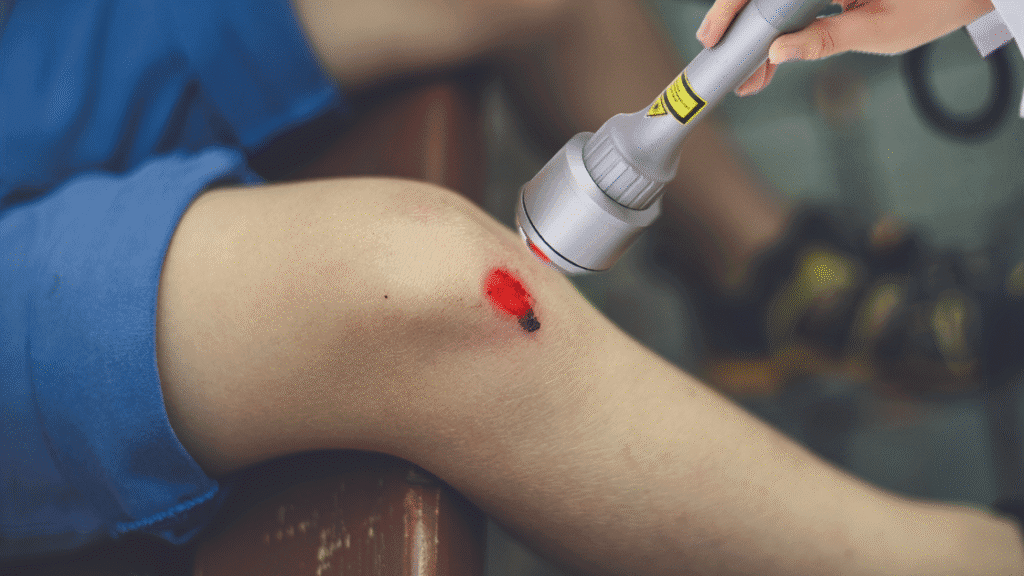
Traumatic wounds benefit from laser therapy’s ability to accelerate hemostasis, reduce pain, and promote rapid epithelialization. Treatment of minor lacerations and abrasions with appropriate laser parameters can significantly reduce healing times from weeks to days. This acceleration is particularly beneficial for athletes, active individuals, and patients with occupational requirements that necessitate rapid wound closure and return to normal function.
3.2.3 Burns (First and Second Degree)
Thermal injuries involving partial-thickness skin damage respond exceptionally well to laser therapy protocols designed to minimize inflammation and accelerate re-epithelialization. Treatment reduces pain levels, prevents infection, and significantly improves final cosmetic outcomes. Laser therapy is particularly effective for treating sunburns, kitchen burns, and other common thermal injuries that affect daily activities and quality of life.
3.3 Infected or Slow-Healing Wounds
Wounds complicated by bacterial colonization or biofilm formation present unique challenges requiring comprehensive treatment approaches. Laser therapy’s antimicrobial properties and ability to enhance host immune responses make it valuable for managing these complex cases.
3.3.1 Post-surgical Infections
Surgical site infections occur in 2-5% of patients undergoing clean procedures and up to 20% of those with contaminated surgeries. Laser therapy provides antimicrobial effects against common pathogens including Staphylococcus aureus and Pseudomonas aeruginosa while enhancing local immune function. Treatment protocols combine direct antimicrobial action with improved tissue oxygenation and white blood cell function to resolve infections and promote healing.
3.3.2 Trauma Wounds with Poor Circulation
Wounds in areas with compromised blood supply, such as those affecting the lower extremities in patients with peripheral arterial disease, benefit significantly from laser therapy’s vasodilatory and angiogenic effects. Treatment improves tissue perfusion, enhances oxygen delivery, and promotes collateral circulation development. This approach is particularly valuable for trauma wounds in elderly patients or those with cardiovascular comorbidities affecting wound healing capacity.
3.4 Post-Radiation or Chemotherapy-Related Wounds
Cancer treatment-related skin damage represents a unique category of wounds requiring specialized therapeutic approaches. Laser therapy offers significant benefits for managing these treatment-induced complications while supporting overall cancer care objectives.
3.4.1 Radiation Dermatitis
Radiation-induced skin reactions affect up to 95% of cancer patients receiving external beam radiotherapy. These wounds range from mild erythema to severe desquamation and ulceration. Laser therapy reduces inflammation, accelerates epithelial regeneration, and minimizes long-term fibrosis and pigmentation changes. Treatment protocols can be integrated with radiation schedules to minimize acute toxicity and improve patient tolerance of cancer treatments.
3.4.2 Chemotherapy-Induced Skin Lesions
Certain chemotherapeutic agents cause characteristic skin toxicities including hand-foot syndrome, mucositis, and injection site reactions. Laser therapy effectively manages these complications by reducing inflammation, promoting healing, and improving patient comfort during cancer treatment. This supportive approach enables patients to maintain optimal chemotherapy dosing schedules while minimizing treatment-related morbidity and maintaining quality of life throughout cancer care.

4. Who Can Benefit from Laser Wound Therapy?
Laser therapy’s broad therapeutic applications make it suitable for diverse patient populations across various healthcare settings. Understanding which patients derive maximum benefit helps clinicians optimize treatment selection and outcomes.
4.1 Diabetic Patients with Recurrent Ulcers
Patients with diabetes mellitus face significantly increased risks of wound healing complications due to hyperglycemia-induced vascular damage, neuropathy, and immunosuppression. Recurrent foot ulcerations affect quality of life and increase amputation risks. Laser therapy addresses multiple pathophysiological factors simultaneously, making it particularly valuable for diabetic patients who require enhanced healing support and limb preservation strategies throughout their ongoing diabetes management.
4.2 Elderly or Bedridden Individuals
Advanced age brings multiple factors that impair wound healing including reduced cellular metabolism, compromised immune function, and decreased mobility leading to pressure ulcer development. Bedridden patients face additional challenges from prolonged pressure, poor nutrition, and limited circulation. Laser therapy provides non-invasive enhancement of healing processes that naturally decline with aging, offering elderly patients improved outcomes without additional medication burdens or invasive procedures.
4.3 Athletes with Post-Surgical or Traumatic Wounds
Athletic populations require rapid return to training and competition while achieving optimal healing outcomes that prevent re-injury. Sports-related wounds often occur in areas subject to repeated stress and movement that can disrupt normal healing processes. Laser therapy accelerates tissue repair, reduces inflammation, and improves final tissue quality, enabling athletes to resume activities sooner while minimizing risks of chronic problems or performance limitations related to inadequate wound healing.
4.4 Cancer Survivors Recovering from Radiation or Chemotherapy
Cancer treatment survivors often experience long-term skin changes and increased susceptibility to wound healing problems. Previous radiation exposure creates permanent tissue changes that impair normal healing responses. Chemotherapy-induced immunosuppression and tissue toxicity can persist long after treatment completion. Laser therapy helps restore normal tissue function and healing capacity, providing cancer survivors with improved quality of life and reduced complications from minor injuries or surgical procedures.
4.5 Veterans or Trauma Survivors with Chronic or Combat-Related Wounds
Military veterans and trauma survivors frequently present with complex wounds complicated by foreign bodies, blast injuries, or psychological factors affecting healing. Combat-related wounds often involve multiple tissue types and may have associated nerve damage or circulation problems. Laser therapy’s ability to enhance healing across different tissue types while providing pain relief makes it particularly valuable for veteran populations who may have exhausted other treatment options for chronic wound problems.
5. Clinical Benefits and Outcomes
The therapeutic benefits of laser wound therapy extend beyond simple wound closure to encompass comprehensive improvements in healing quality, patient comfort, and long-term outcomes. Clinical research consistently demonstrates measurable improvements across multiple healing parameters.
5.1 Reduced Healing Time
Clinical studies demonstrate 25-40% reductions in healing times across various wound types when laser therapy is incorporated into treatment protocols. This acceleration results from enhanced cellular metabolism, improved circulation, and optimized inflammatory responses that create ideal conditions for tissue repair. Faster healing reduces infection risks, healthcare costs, and patient discomfort while enabling quicker return to normal activities and improved quality of life for affected individuals.
5.2 Pain Relief and Anti-Inflammatory Action
Laser therapy provides significant analgesic effects through multiple mechanisms including endorphin release, nerve conduction modulation, and inflammatory mediator reduction. Patients typically experience 30-50% pain reduction within the first week of treatment. This pain relief is particularly valuable for chronic wound patients who often suffer from persistent discomfort that impacts sleep, mobility, and psychological well-being throughout their healing journey.
5.3 Minimized Scar Formation
Photobiomodulation promotes organized collagen deposition and improved tissue remodeling that results in superior cosmetic outcomes compared to conventional wound care. Treated wounds demonstrate reduced hypertrophic scarring, improved texture, and better color matching with surrounding skin. This benefit is particularly important for wounds in visible areas, pediatric patients, and individuals with keloid formation tendencies who require optimal aesthetic outcomes.
5.4 Improved Tissue Regeneration
Laser therapy enhances the quality of regenerated tissue through improved cellular organization, enhanced vascularization, and optimized extracellular matrix formation. Treated wounds demonstrate superior tensile strength, flexibility, and resistance to re-injury compared to conventionally managed wounds. This improved tissue quality translates to better long-term function and reduced risks of wound recurrence, particularly important for weight-bearing areas and joints subject to mechanical stress.
6. Safety Considerations and Contraindications
While laser therapy demonstrates excellent safety profiles, proper patient selection and treatment protocols are essential for optimal outcomes and risk minimization. Understanding contraindications and safety parameters ensures appropriate clinical application across diverse patient populations.
6.1 When Not to Use Laser Therapy on Wounds
Absolute contraindications include pregnancy, active malignancy at the treatment site, and suspected or confirmed infections with certain antibiotic-resistant organisms. Relative contraindications include photosensitizing medications, certain autoimmune conditions, and wounds with exposed bone or hardware. Patients taking photosensitizing drugs such as tetracyclines or certain antipsychotics may experience enhanced light sensitivity requiring modified treatment parameters or alternative therapeutic approaches.
6.2 Working with Certified Providers
Proper laser therapy application requires specialized training in photobiomodulation principles, device operation, and safety protocols. Certified providers understand appropriate treatment parameters, contraindications, and patient selection criteria essential for safe and effective outcomes. Healthcare facilities should ensure staff complete manufacturer training programs and maintain continuing education requirements to stay current with evolving best practices and safety guidelines.
6.3 Ensuring Device Class Matches Treatment Goals
Different wound types and patient conditions require specific laser parameters including wavelength, power density, and treatment duration. Class III devices are appropriate for superficial wounds and maintenance therapy, while Class IV lasers enable deeper penetration for complex chronic wounds. Proper device selection based on wound characteristics, depth, and treatment objectives ensures optimal therapeutic outcomes while maintaining appropriate safety margins.
6.4 Medical Conditions That Require Caution
Patients with certain medical conditions require modified treatment approaches or enhanced monitoring during laser therapy. These include individuals with compromised immune systems, bleeding disorders, or medications affecting wound healing such as corticosteroids or anticoagulants. Diabetic patients may require glucose monitoring adjustments, while those with circulation problems need careful assessment of treatment responses and potential complications.
7. Future of Wound Management with Laser Technology
Emerging technologies and research developments continue to expand laser therapy’s potential applications in wound care. These innovations promise to further improve patient outcomes while reducing healthcare costs and treatment complexity.
7.1 Emerging Research and AI-Powered Laser Systems
Artificial intelligence integration is revolutionizing laser therapy through automated treatment parameter optimization, real-time wound assessment, and predictive healing analytics. Machine learning algorithms analyze wound characteristics, patient factors, and treatment responses to customize therapy protocols for individual patients. These systems promise to standardize care quality while reducing operator-dependent variables that can affect treatment outcomes across different healthcare settings and provider experience levels.
7.2 Portable Home Devices for Chronic Wound Care
Development of FDA-approved home-use laser devices enables patients to continue therapy between clinical visits, potentially improving outcomes for chronic wounds requiring extended treatment courses. These portable systems incorporate safety features, treatment timers, and connectivity options for remote monitoring by healthcare providers. Home therapy access reduces healthcare utilization costs while improving patient convenience and treatment adherence for long-term wound management protocols.
7.3 Combining Laser Therapy with Stem Cell or PRP Treatments
Combination therapies incorporating laser photobiomodulation with regenerative medicine approaches show promising results in clinical trials. Platelet-rich plasma (PRP) and stem cell therapies combined with laser treatment demonstrate enhanced healing responses compared to individual modalities. These synergistic approaches may become standard care for complex wounds that have failed conventional treatments, offering new hope for previously untreatable conditions.
8. Conclusion: Laser Therapy as a Powerful Ally in Wound Healing
Laser therapy represents a paradigm shift in wound management, offering evidence-based solutions for diverse patient populations and wound types. The technology’s ability to address healing at the cellular level while providing non-invasive, comfortable treatment makes it an invaluable addition to modern wound care protocols. Healthcare providers increasingly recognize laser therapy’s potential to improve patient outcomes while reducing healthcare costs associated with prolonged wound care, complications, and hospitalizations. As research continues to expand our understanding of photobiomodulation mechanisms and clinical applications, laser therapy will likely become even more integral to comprehensive wound management strategies. The future of wound care lies in personalized, evidence-based approaches that combine the best of traditional wound management with innovative technologies like laser therapy. For patients struggling with acute or chronic wounds, laser therapy offers new hope for faster healing, reduced pain, and improved quality of life throughout their recovery journey.
 English
 العربية
 Français
 日本語
日本語 Português
 Español
 Русский
 Deutsch