

Page Contents
Peripheral neuropathy is a widespread and often debilitating condition that affects millions of individuals worldwide. It can lead to chronic pain, numbness, tingling, and muscle weakness, particularly in the hands and feet. Conventional treatments for peripheral neuropathy, including pain medications and physical therapy, often provide limited relief. As a result, alternative therapies like laser therapy have gained traction in recent years as a promising treatment option. This article explores the role of laser therapy in peripheral neuropathy recovery, its underlying mechanisms, the evidence supporting its efficacy, and the patient populations that may benefit most from this approach.
1. Introduction
1.1 What Is Peripheral Neuropathy?
Peripheral neuropathy refers to the damage or dysfunction of peripheral nerves, which are the nerves located outside the brain and spinal cord. These nerves transmit sensory information (such as pain, touch, and temperature) and motor signals (to control muscles). When peripheral nerves are damaged, patients may experience a wide range of symptoms, including pain, numbness, tingling, muscle weakness, and a loss of coordination. The condition can affect any part of the body, but the hands and feet are the most commonly affected areas. The causes of peripheral neuropathy are varied and include diabetes (particularly diabetic neuropathy), chemotherapy, autoimmune diseases, infections, inherited conditions, and trauma. In many cases, however, the exact cause remains unknown (idiopathic neuropathy). Among these, diabetic neuropathy is the most prevalent, affecting nearly 50% of people with diabetes. Chemotherapy-induced neuropathy is another common cause, often resulting in painful sensory symptoms in cancer survivors.

1.2 The Growing Role of Laser Therapy
As the understanding of peripheral neuropathy evolves, so does the exploration of innovative therapies that can help patients manage and recover from this condition. Traditional treatments, such as prescription painkillers, antidepressants, and even invasive procedures like nerve surgery, have limitations and potential side effects. Laser therapy, specifically low-level laser therapy (LLLT) and deep tissue laser therapy (DTLT), has emerged as a promising non-invasive treatment that addresses the root causes of nerve damage and promotes healing at the cellular level. Laser therapy is based on the principle of photobiomodulation (PBM), which uses light energy to stimulate biological processes within tissues. This type of therapy is gaining popularity due to its ability to alleviate pain, reduce inflammation, and accelerate tissue regeneration without the need for drugs or surgery.
2. How Laser Therapy Works for Peripheral Neuropathy
Laser therapy works by using specific wavelengths of light to stimulate cellular processes within damaged tissues. This non-invasive treatment can penetrate several centimeters into the skin and tissues, where it interacts with the mitochondria in cells, providing energy to promote healing. Below is an explanation of how laser therapy works for peripheral neuropathy.
2.1 The Mechanism of Laser Therapy
2.1.1 Photobiomodulation (PBM) and Its Impact
At the heart of laser therapy is photobiomodulation (PBM). PBM occurs when specific wavelengths of light—typically in the range of 600-1000 nanometers—are absorbed by the mitochondria, the energy powerhouse of cells. This process results in the increased production of adenosine triphosphate (ATP), a molecule that carries energy within cells. ATP is essential for the proper functioning of cells, and an increase in ATP production accelerates cellular activities like tissue repair, regeneration, and the reduction of inflammation. In the case of peripheral neuropathy, PBM stimulates the mitochondria within nerve cells and surrounding tissues, thereby enhancing the nerve’s ability to regenerate and heal.
2.1.2 Cellular Repair and Healing
In addition to increasing ATP production, PBM stimulates the production of collagen and other proteins essential for tissue repair. Collagen is a major structural protein that helps in the healing of damaged tissues, including nerves. This process facilitates the restoration of nerve fibers and enhances their conductivity. Furthermore, laser therapy promotes the release of growth factors, such as nerve growth factor (NGF), which play a critical role in the development, maintenance, and regeneration of nerve cells. By supporting both the structural and functional repair of nerves, laser therapy helps reverse the damage caused by peripheral neuropathy, reducing symptoms like pain, tingling, and numbness.
2.2 Laser Therapy’s Effect on Nerve Regeneration
2.2.1 Increased Blood Flow to Nerve Tissue
Laser therapy also promotes the increase in local blood flow to damaged nerve tissues. It stimulates vasodilation, the process by which blood vessels widen to allow for more blood flow. Improved circulation brings more oxygen, nutrients, and growth factors to the injured nerves, enhancing their ability to heal. Enhanced blood flow is critical for the nourishment and survival of nerve cells. For patients with peripheral neuropathy, especially those with diabetes or chemotherapy-induced neuropathy, laser therapy’s ability to improve circulation accelerates the healing of nerve damage, alleviates symptoms, and prevents further deterioration of nerve function.
2.2.2 Promotion of Nerve Growth Factor (NGF) Production
One of the most remarkable aspects of laser therapy is its ability to stimulate the production of nerve growth factor (NGF). NGF is a protein that supports the survival, growth, and maintenance of neurons. NGF plays a crucial role in the regeneration of peripheral nerves by facilitating the growth of new nerve fibers and enhancing the function of existing nerve tissue. Research indicates that laser therapy can significantly increase the levels of NGF, which in turn supports the repair and regeneration of damaged nerves. This makes laser therapy particularly beneficial for patients with chronic peripheral neuropathy, where nerve damage has led to ongoing pain and dysfunction.
2.3 Reduction of Pain and Inflammation
Peripheral neuropathy is often associated with significant pain, which can be caused by nerve damage or ongoing inflammation. Laser therapy helps alleviate pain by reducing the levels of pro-inflammatory cytokines—molecules that promote inflammation—and by stimulating anti-inflammatory pathways. By modulating the inflammatory response, laser therapy reduces the sensitivity of nerve endings and alleviates pain. For many patients, laser therapy offers a welcome alternative to pharmaceutical pain relievers, which can have side effects and may not provide long-term relief.
2.4 Non-Invasive and Safe
One of the most attractive aspects of laser therapy is its non-invasive nature. Unlike traditional treatments such as surgery or injections, laser therapy requires no incisions, no medications, and no downtime. Patients can typically return to their normal activities immediately after a session. Laser therapy is also considered to be safe when administered by trained professionals. The risk of side effects is minimal, and there is no evidence to suggest any long-term negative effects when used appropriately. This makes it an appealing option for patients looking for a non-surgical, low-risk treatment for their neuropathy.

3. The Benefits of Laser Therapy for Peripheral Neuropathy
Laser therapy offers a wide range of benefits for individuals with peripheral neuropathy. From improving nerve function to reducing pain, the advantages of laser therapy make it an appealing option for many patients. Below are some of the key benefits.
3.1 Effective for Different Types of Neuropathy
Laser therapy is highly adaptable and can be effective for treating a variety of neuropathic conditions. Different forms of peripheral neuropathy have different causes and symptoms, but laser therapy has proven to help in all cases, providing pain relief and stimulating nerve regeneration.
3.1.1 Diabetic Neuropathy
Diabetic neuropathy is one of the most common forms of peripheral neuropathy, affecting nearly 50% of individuals with diabetes. High blood sugar levels over time damage peripheral nerves, particularly in the legs and feet. This condition can lead to numbness, burning pain, and even a complete loss of feeling in the affected areas. Laser therapy has shown significant promise in treating diabetic neuropathy by reducing pain, improving circulation, and promoting nerve regeneration. Studies have shown that laser therapy can help stimulate nerve growth and restore some level of functionality in areas affected by diabetic neuropathy. It can also enhance nerve conduction velocity (NCV), which measures the speed at which nerves transmit signals, improving overall nerve function.
3.1.2 Chemotherapy-Induced Peripheral Neuropathy
Chemotherapy-induced peripheral neuropathy (CIPN) is a common side effect of chemotherapy drugs used in cancer treatment. Chemotherapy drugs like paclitaxel and cisplatin can cause long-lasting damage to peripheral nerves, leading to symptoms such as pain, tingling, and muscle weakness. Laser therapy is emerging as an effective treatment for CIPN. It works by reducing inflammation, improving blood flow to nerve tissues, and stimulating nerve regeneration. Clinical trials have shown that laser therapy can significantly reduce the severity of symptoms associated with chemotherapy-induced neuropathy, offering cancer survivors a much-needed alternative to pharmaceutical pain management.
3.1.3 Idiopathic and Other Types of Neuropathy
Idiopathic neuropathy, or neuropathy with no known cause, can be one of the most challenging conditions to treat. When the origin of the nerve damage is unclear, treatment can be a hit-or-miss process. Fortunately, laser therapy has shown effectiveness in idiopathic cases, as well as in age-related neuropathy, toxin-induced neuropathy, and even trauma-induced neuropathy. Laser therapy is useful in reducing symptoms like pain, numbness, and weakness, regardless of the underlying cause. For these cases, laser therapy can help regenerate nerve fibers and improve function by promoting cellular repair and healing.
3.2 Quick Recovery and Fewer Sessions
Unlike other neuropathy treatments that can take months or require extensive rehabilitation, laser therapy offers quick recovery times with a relatively small number of treatment sessions. Most patients start feeling relief after just a few sessions, often within 3 to 5 treatments. Depending on the severity of the neuropathy and individual response, treatment protocols typically consist of 3 to 10 sessions. Laser therapy works by stimulating cellular processes that accelerate healing. It does not require extensive recovery time, and patients can typically return to normal activities right after a session. This is particularly beneficial for individuals who do not have the time or resources for long-term treatment protocols or who seek immediate relief from neuropathy symptoms.
3.3 Improved Quality of Life
The most significant benefit of laser therapy is its ability to improve quality of life for those suffering from peripheral neuropathy. Neuropathy can severely impair mobility and cause significant discomfort, making it difficult to carry out basic daily activities. Laser therapy’s effects on pain reduction, nerve regeneration, and improved circulation help patients regain their independence and return to a more active lifestyle. Many individuals report an improvement in their ability to walk, stand, or grasp objects after undergoing laser therapy. Additionally, since laser therapy reduces the reliance on medication for pain relief, it can help patients avoid the side effects associated with long-term drug use, such as dependency or gastrointestinal issues. With a significant reduction in symptoms, patients experience an overall improvement in emotional well-being and a better quality of life.
4. Evidence Supporting Laser Therapy for Peripheral Neuropathy
Laser therapy for peripheral neuropathy is not only supported by theoretical mechanisms but also backed by scientific research, clinical studies, and real-world case reports. Below is an overview of the evidence supporting the use of laser therapy for neuropathy.
4.1 Clinical Studies and Trials
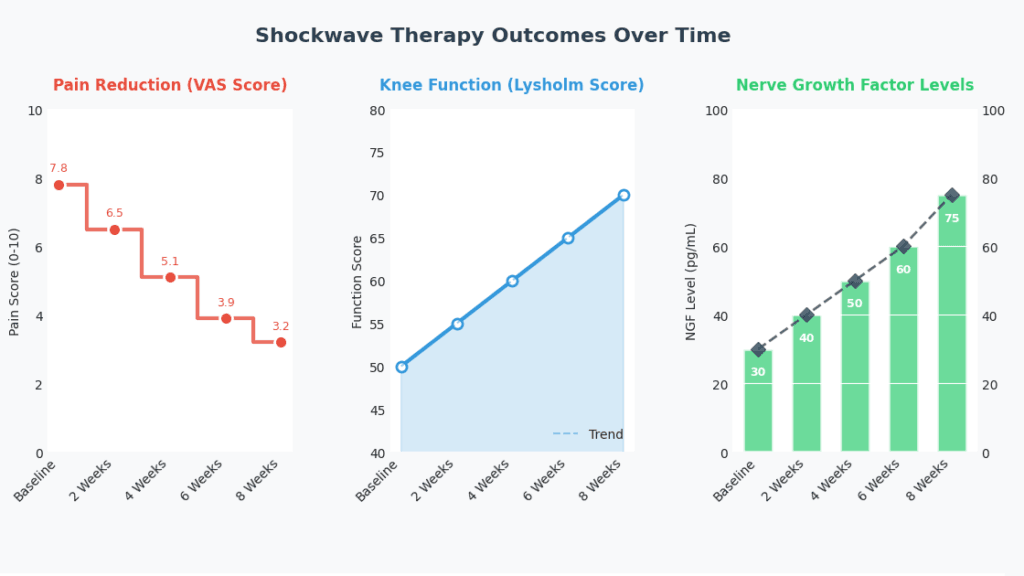
Numerous clinical studies have demonstrated the efficacy of laser therapy in treating peripheral neuropathy. A study published in the Journal of Clinical Pain examined the use of laser therapy in diabetic neuropathy patients. The study found that patients who received low-level laser therapy (LLLT) reported a significant reduction in pain and improved nerve function. Another study in the Journal of Pain Research explored the effects of laser therapy on chemotherapy-induced neuropathy. The results showed that laser therapy improved nerve conduction velocity and reduced neuropathic pain, offering substantial relief to cancer survivors. These studies and others like them demonstrate the significant promise of laser therapy as a non-invasive, drug-free treatment option for neuropathy.
4.2 Real-World Case Studies
In addition to clinical trials, real-world case studies also provide valuable evidence of laser therapy’s effectiveness. Many healthcare providers have reported success with laser therapy in treating their patients suffering from neuropathy. A case study from a pain management clinic showed that patients with chronic neuropathy, including diabetic and idiopathic neuropathy, experienced a 50% reduction in pain after just 5 sessions of laser therapy. In rehabilitation centers, practitioners have noted significant improvements in patients’ mobility and quality of life, especially in those who had not responded well to conventional treatments. Patient testimonials further reinforce these findings, with many individuals reporting a marked decrease in pain and an improvement in their ability to function.
4.3 Limitations and Ongoing Research
Despite the growing evidence supporting laser therapy, there are still limitations. For one, more long-term studies are needed to assess the sustained effectiveness of laser therapy for peripheral neuropathy. While many studies show short-term benefits, further research will help determine how long these benefits last and whether maintenance treatments are required for long-term symptom management. Additionally, more research is needed to establish the optimal treatment parameters, such as the ideal wavelength, intensity, and duration of therapy, for different types of neuropathy. As technology continues to evolve, laser therapy devices and protocols will likely become even more refined, leading to more targeted and effective treatments.
5. Who Should Consider Laser Therapy for Peripheral Neuropathy?
Laser therapy offers an effective, non-invasive, and drug-free treatment for various types of peripheral neuropathy. It is particularly beneficial for individuals who want to avoid pharmaceutical treatments or surgery. Below are the groups of patients who would most benefit from laser therapy.
5.1 Patients with Diabetic Neuropathy
Diabetic neuropathy is a major cause of nerve damage, affecting a significant portion of individuals with diabetes. The nerve damage often leads to symptoms like numbness, tingling, and chronic pain, particularly in the feet and hands. Laser therapy can effectively reduce these symptoms by stimulating cellular repair and enhancing blood circulation. It can also aid in improving the function of nerve cells, thus allowing diabetic patients to regain some sensory function and significantly reduce pain levels.
5.2 Cancer Survivors with Chemotherapy-Induced Neuropathy
Chemotherapy-induced peripheral neuropathy (CIPN) is a common side effect among cancer patients undergoing treatment. It often results in painful and debilitating symptoms such as numbness, burning, and weakness in the hands and feet. Laser therapy has shown promise in alleviating these symptoms by promoting nerve healing and reducing inflammation. Additionally, it helps stimulate nerve regeneration by increasing blood flow to the affected areas, providing cancer survivors with a non-invasive solution for managing CIPN.
5.3 Individuals Seeking a Non-Surgical Treatment
For those who prefer non-invasive options, laser therapy provides a safe and effective alternative to surgery. It is especially helpful for patients with mild to moderate neuropathy who want to avoid the risks and lengthy recovery time associated with surgical procedures. Laser therapy works by using light energy to penetrate deep into the tissues, promoting healing and reducing pain. Patients who are looking for a solution that doesn’t involve the use of medications will find this treatment particularly beneficial.
5.4 Older Adults with Age-Related Neuropathy
As people age, nerve function naturally declines, often resulting in age-related peripheral neuropathy. This condition is characterized by symptoms such as numbness, tingling, and pain, primarily in the hands and feet. Laser therapy has been shown to increase blood flow, reduce inflammation, and stimulate cellular repair, which is crucial for improving nerve function in older adults. With minimal side effects and no need for recovery time, laser therapy can significantly improve the quality of life for older adults, helping them manage their symptoms and regain some independence.
6. Final Thoughts on Laser Therapy for Peripheral Neuropathy
Laser therapy is an exciting, non-invasive treatment that offers considerable benefits for individuals suffering from peripheral neuropathy. Whether caused by diabetes, chemotherapy, aging, or other factors, peripheral neuropathy can significantly impact a patient’s quality of life. Laser therapy works by reducing pain, improving circulation, and promoting nerve regeneration, allowing patients to manage their symptoms more effectively. It is a promising alternative for those who are hesitant about taking medications or undergoing surgery. While it may not offer a permanent cure, it can dramatically improve day-to-day function and alleviate the painful symptoms of neuropathy. Overall, laser therapy stands out as a highly accessible and effective treatment option that is both safe and well-tolerated by most patients.
7. FAQs
Yes! Even long-term neuropathy can benefit from laser therapy. It stimulates nerve repair, reduces pain, and improves circulation, providing significant relief, even if it can’t fully reverse nerve damage.
Laser therapy is a great option for those with neuropathy who want a non-invasive, drug-free treatment. Consult your doctor to see if it fits your specific condition, especially for diabetes, chemotherapy, or age-related neuropathy.
Yes! Laser therapy can help even with intermittent or mild symptoms like numbness or tingling. It targets the underlying nerve damage and inflammation, preventing future flare-ups.
Results vary, but many feel relief after 3-5 sessions, with the best results typically showing after 6-10 sessions. For chronic cases, ongoing treatments can provide long-term benefits.
Laser therapy is more effective with a healthy lifestyle. For conditions like diabetic neuropathy, controlling blood sugar and staying active will complement the treatment and improve overall nerve health.
Yes! Laser therapy is non-invasive, and you can usually resume your normal activities immediately after. You may experience mild redness or warmth, but it resolves quickly.
 English
 العربية
 Français
 日本語
日本語 Português
 Español
 Русский
 Deutsch