

Page Contents
1. Introduction
Toenail fungus, medically known as onychomycosis, affects millions worldwide. It starts as a white or yellow spot under the nail and can spread deeper, causing the nail to discolor, thicken, and crumble. Over time, it can become painful and lead to complications, especially for individuals with diabetes or weakened immune systems. The persistent nature of this condition often leaves people searching for effective and lasting treatments. While oral medications and topical creams have been the standard, they don’t always work. Enter laser therapy—a modern, promising solution that targets fungus with light energy. But is it the miracle cure everyone hopes for? This blog explores both the benefits and drawbacks of laser treatment for toenail fungus.
1.1 What Causes Fungal Nail Infections (Onychomycosis)?
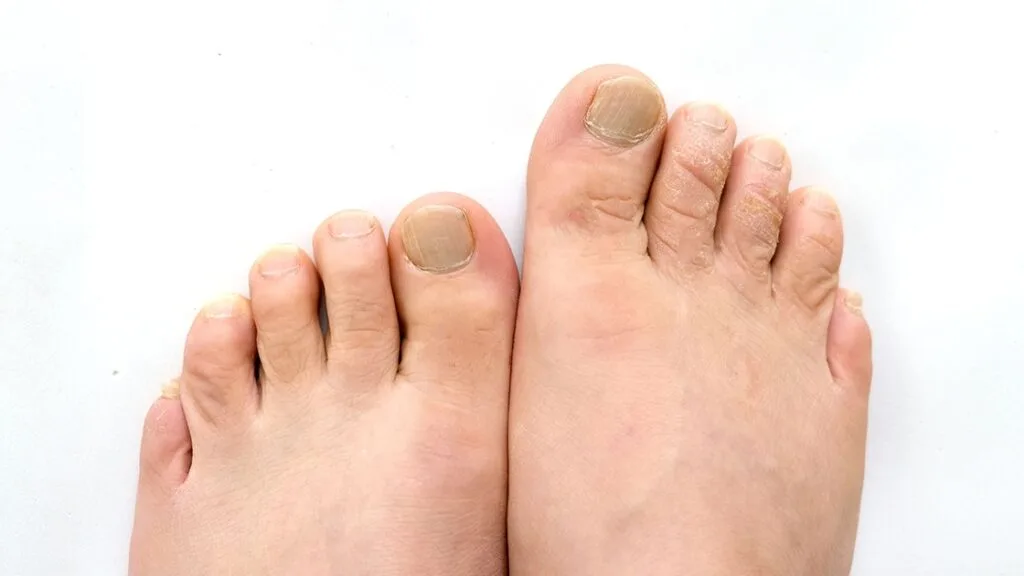
Fungal nail infections are caused by a variety of organisms, primarily dermatophytes, but also yeasts and molds. These fungi thrive in warm, moist environments and can easily invade the nail through tiny cuts or separations between the nail and nail bed. Risk factors include walking barefoot in communal showers, having sweaty feet, wearing tight shoes, or a history of athlete’s foot. Age also plays a role—older adults have slower nail growth and reduced circulation, making infections more likely. Once the fungus takes hold, it can be extremely difficult to eliminate due to the nail’s tough, protective surface and the hidden location of the infection.
1.2 The Rise of Laser Therapy as a Modern Cure
Laser therapy has gained popularity as a modern approach to treating toenail fungus. Traditional treatments like oral antifungals can cause liver issues, and topical solutions often fail to penetrate the thick nail plate. Laser therapy offers a targeted, drug-free alternative. Using focused light energy, lasers can heat and destroy fungal cells without harming the surrounding tissue. Clinical studies and patient testimonials have reported improved nail clarity and reduced infection. With FDA-clearance for several laser devices, such as the PinPointe FootLaser and Lunula Laser, the treatment is increasingly available in podiatry clinics. It appeals to patients seeking a quick, safe, and non-invasive method to deal with an otherwise stubborn condition.
2. How Laser Therapy Works for Toenail Fungus
Laser therapy for toenail fungus works by delivering concentrated light energy into the infected nail. The laser light penetrates through the nail plate and reaches the underlying fungal colonies. The heat generated disrupts the fungus at a cellular level, stopping its ability to grow and spread. Unlike systemic medications, which circulate throughout the body, or topicals that struggle to reach the infection, laser treatment targets the problem directly and efficiently. Depending on the laser type, wavelengths are chosen to selectively damage fungal cells while sparing healthy tissue. Over a series of sessions, this method can significantly reduce fungal load and improve nail appearance. Below, we explore the mechanisms that make this possible.
2.1 Heat Penetration Through the Nail Plate
One of the primary challenges in treating nail fungus is the nail plate itself—a tough barrier that protects the fungus living beneath it. Lasers overcome this obstacle by using specific wavelengths that can penetrate the nail without damaging it. This means that the therapeutic energy reaches the fungal infection directly. As the laser light passes through, it generates heat that elevates the temperature of the nail bed, creating an environment in which fungi cannot survive. This depth of penetration is key to the laser’s effectiveness, as it allows treatment of areas unreachable by creams or ointments. Patients usually feel only a mild warming sensation during this phase.
2.2 Thermal Disruption of Fungal Metabolism
Fungal organisms rely on precise temperature ranges to sustain their metabolic processes. Laser therapy exploits this weakness by heating fungal tissue to levels that disrupt enzyme function and cellular respiration. When exposed to laser energy, fungal cells begin to experience thermal stress, which interferes with their growth and ability to replicate. The damage accumulates with each treatment session, weakening the fungal colony. As the fungus dies off, it allows the healthy nail to regrow and gradually push out the infected portion. The process is subtle yet effective, making thermal disruption a critical component of laser therapy’s mode of action.
2.3 Photothermolysis: Destroying Fungal Cell Walls
Photothermolysis is a sophisticated term for a process where light energy is converted into heat and used to break down cellular structures. Fungal cells have walls that are sensitive to this kind of thermal assault. When the laser targets the fungus, the absorbed light energy causes the temperature inside the fungal cell walls to rise rapidly. This heat leads to structural rupture and cellular collapse. Since the laser can be fine-tuned to affect only the pigmented fungal cells, healthy tissues around the infection remain unharmed. Over time, repeated exposure to photothermolysis destroys the fungal biomass, giving the nail a chance to recover.
2.4 Selective Targeting of Pigmented Fungal Structures
Many fungal species contain pigments that make them susceptible to specific wavelengths of laser light. Lasers used for treating onychomycosis are designed to exploit this characteristic. The pigmented elements within fungal cells absorb the laser energy more readily than the surrounding tissue, which allows for selective targeting. This means that the laser is more destructive to the fungus than to the nail or skin, increasing safety and efficacy. It also reduces the risk of damage to nearby structures, minimizing side effects. This precision is what makes laser therapy a high-tech solution in a field where traditional treatments often lack specificity.
2.5 Controlled Heating Without Damaging Healthy Tissue
Modern laser devices are engineered for safety as well as effectiveness. They deliver energy in pulses or at controlled intervals, preventing the surrounding tissue from overheating. This precision heating ensures that only the fungal cells are affected. Healthy nail and skin structures are resilient enough to withstand the brief rise in temperature, and any residual warmth dissipates quickly. Patients rarely experience burns or long-term discomfort. This aspect of laser therapy is especially reassuring for individuals with sensitive skin or those prone to side effects from more aggressive treatments. The controlled heating is both effective against the fungus and gentle on the patient.
2.6 Enhanced Efficacy with Repeated Treatments
Toenail fungus is not usually eradicated in a single treatment. That’s why laser therapy is typically delivered in a series of sessions—often spaced a few weeks apart. Each session further weakens the fungal colonies and prevents regrowth. The cumulative effect of these treatments increases the chance of success. Repeated exposure ensures that any lingering fungal cells are caught in different stages of their lifecycle, improving outcomes. This is particularly important because nails grow slowly, and visible improvement may take several months. Consistency and follow-up are key to achieving long-lasting results with laser therapy.
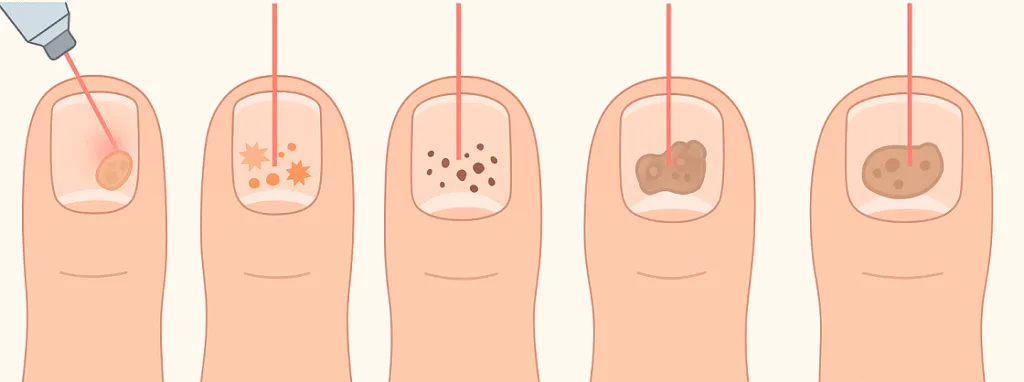
3. The Pros of Laser Treatment for Toenail Fungus
Laser therapy has brought new hope to individuals struggling with stubborn toenail fungus. Its advantages are not just about killing fungus but also about offering a better patient experience—no pain, no pills, and minimal side effects. It’s a compelling option for those who want both results and convenience. Below are the top benefits that make laser therapy stand out.
3.1 Non-Invasive and Pain-Free
Laser treatment does not involve any surgical procedures, incisions, or anesthesia. It’s performed on an outpatient basis and typically takes about 20–30 minutes per session. Most patients report only a mild warming or tingling sensation, with no significant discomfort during or after the procedure. There’s no downtime, meaning patients can walk out of the clinic and return to their regular activities immediately. This makes laser therapy ideal for busy individuals or those who fear invasive procedures. It’s a gentle but effective approach that prioritizes patient comfort while still delivering therapeutic benefits.
3.2 No Liver Damage or Systemic Side Effects
Oral antifungal medications like terbinafine or itraconazole are effective but come with risks, particularly to the liver. They can interact with other medications and sometimes require regular blood tests to monitor for toxicity. Laser therapy bypasses these systemic issues by working locally at the site of infection. There are no pills to swallow, no prescriptions to fill, and no worrying about liver enzyme levels. For patients with existing liver conditions or those on multiple medications, this localized treatment is a safer and simpler option that avoids the risks of systemic therapy.
3.3 FDA-Approved Options and Clinical Evidence
Laser treatment for toenail fungus is not experimental. Devices like the PinPointe FootLaser, Cutera GenesisPlus, and Lunula Laser have received FDA clearance, meaning they’ve met strict safety and efficacy standards. Clinical trials have shown that these lasers can significantly reduce fungal infection and improve nail appearance over time. For patients wary of unproven treatments, this regulatory backing provides peace of mind. Doctors also appreciate the growing body of scientific evidence supporting laser therapy, which reinforces its legitimacy as a standard option in fungal nail care.
3.4 Cosmetic Results: Clearer Nails Over Time
Aside from health concerns, toenail fungus is an aesthetic issue. It causes discoloration, thickening, and deformity, often leading to embarrassment and reluctance to go barefoot. Laser therapy promotes the regrowth of clearer, healthier-looking nails. As the nail grows out over several months, the damaged part is slowly replaced by a cleaner, smoother nail. Patients often report increased confidence and comfort in sandals or barefoot activities. While the transformation takes time, the end result can be significantly more visually pleasing than what’s possible with topical or oral medications alone.
3.5 Safe for People with Liver Conditions or Polypharmacy
Many patients with fungal nail infections are older and often take multiple medications for chronic conditions like diabetes, high blood pressure, or heart disease. Introducing another oral medication can increase the risk of adverse interactions. Laser therapy avoids these concerns entirely because it doesn’t involve any drugs. It’s safe for people with liver problems, kidney disease, or those undergoing other treatments. Physicians often recommend laser therapy to patients who are not ideal candidates for systemic antifungals due to medical complexity. It broadens the accessibility of effective care to those who need it most.
3.6 Ideal for Patients Resistant to Topicals or Pills
Fungal infections can be notoriously resistant to treatment, especially in chronic cases. Some patients spend years cycling through creams, sprays, and pills with little improvement. Laser therapy offers an entirely different mechanism of action—physically disrupting the fungus with light energy rather than relying on absorption or metabolism. For patients who have tried everything else, laser therapy can represent a breakthrough. Its ability to reach deep under the nail plate and deliver targeted energy gives it an edge in treating resistant or relapsing infections. For many, it’s the solution they’ve been waiting for.
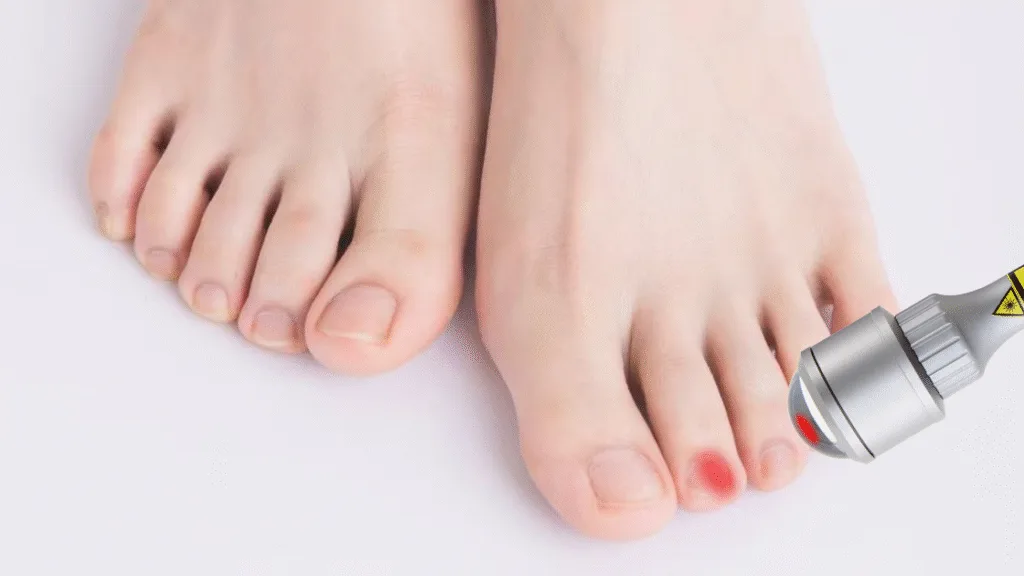
4. The Cons of Laser Treatment for Toenail Fungus
4.1 High Cost and Not Covered by Insurance
Laser therapy for toenail fungus can be expensive, with prices ranging from $200 to $1,000 or more per session. Most patients require multiple sessions, further increasing the overall cost. Unlike prescription medications, laser treatments are often considered cosmetic or elective procedures by insurance companies. This means patients must pay entirely out-of-pocket, which can be a barrier for many individuals. The lack of insurance coverage is especially challenging for those with limited financial resources. While the cost may be justified by the procedure’s non-invasive nature and long-term results, it remains a significant downside for potential users.
4.2 Results Take Months to Show
One of the most frustrating aspects of laser treatment for toenail fungus is the delayed visible results. Although the laser begins working at the cellular level immediately, toenails grow slowly—approximately 1 to 2 millimeters per month. Because of this slow growth, it can take 6 to 12 months to see a noticeable improvement in nail appearance. This delay may lead patients to question whether the treatment is working, even though fungal clearance may already be occurring beneath the surface. Proper patient education is essential to manage expectations and encourage compliance with post-treatment care protocols.
4.3 May Require Multiple Sessions
Laser treatment typically requires a series of sessions to achieve optimal results. Most patients undergo 3 to 5 treatments spaced over several weeks or months. The need for repeat visits increases the time and financial commitment required. Moreover, some individuals with persistent or severe infections may need even more sessions to fully eliminate the fungal organisms. Inconsistent attendance or premature discontinuation of treatment can lead to suboptimal outcomes. Unlike a single course of antifungal pills, laser therapy’s cumulative nature may not suit individuals seeking a one-and-done solution.
4.4 Risk of Reinfection Without Proper Care
While laser therapy effectively eliminates fungal infections, it does not make the nail immune to reinfection. Without proper foot hygiene, patients can quickly become reinfected. Contributing factors include wearing tight or non-breathable shoes, walking barefoot in public showers, or sharing nail tools. To sustain the benefits of treatment, patients must adopt a consistent antifungal hygiene regimen. This may involve daily antifungal sprays, disinfecting shoes, wearing moisture-wicking socks, and regularly trimming and cleaning toenails. Failure to follow preventive measures can undermine the efficacy of laser therapy and lead to a frustrating cycle of recurrent infections.
4.5 Not Suitable for Advanced Nail Damage
Laser treatment may not be effective for individuals with extensive nail damage or total dystrophic onychomycosis. In these cases, the fungal infection has progressed to the point where the nail plate is significantly thickened, deformed, or detached from the nail bed. The laser may not penetrate effectively through severely altered tissue, and cosmetic improvement may be limited. In such cases, oral medications or surgical removal of the nail may be more appropriate. A thorough clinical evaluation is necessary to determine whether a patient is a good candidate for laser therapy based on the severity of their infection.
4.6 Not Widely Available in Small Towns or Rural Clinics
Access to laser toenail treatment may be limited in certain geographic areas. Clinics offering this advanced therapy are more commonly found in urban centers or specialized dermatology and podiatry practices. Patients in rural or underserved areas may have difficulty finding a provider or may need to travel long distances for each session. Limited availability can lead to delays in treatment or inconsistent follow-up, both of which can impact treatment efficacy. Telehealth consultation may offer initial guidance, but hands-on laser treatment still requires in-person visits to equipped facilities.
5. Best Candidates for Laser Toenail Fungus Therapy
5.1 Mild to Moderate Infections
Patients with mild to moderate fungal nail infections are generally the best candidates for laser therapy. In these cases, the nail plate is still largely intact, and the infection is localized without extensive involvement of the nail matrix or surrounding skin. Laser energy can effectively penetrate and eradicate fungal spores before severe structural damage occurs. These patients often respond well to fewer treatment sessions and experience better cosmetic outcomes. Early intervention with laser therapy can prevent progression to more severe disease stages that are harder to treat.
5.2 Patients Who Cannot Take Oral Antifungals
Laser treatment is particularly beneficial for patients who cannot tolerate oral antifungal medications. This includes individuals with liver disease, kidney impairment, or those taking multiple medications that could interact adversely with antifungals. Oral drugs like terbinafine and itraconazole may require regular liver function monitoring, making them unsuitable for some. Laser therapy offers a drug-free alternative that bypasses the gastrointestinal system entirely. It allows these patients to receive effective treatment without compromising their systemic health, making it a safer option for at-risk populations.
5.3 Health-Conscious Users Avoiding Pharmaceuticals
Increasing numbers of patients prefer to avoid pharmaceutical products altogether due to concerns about long-term side effects, chemical exposure, or drug dependency. For these individuals, laser therapy presents a natural and non-invasive solution. The technology uses light energy to eliminate pathogens without relying on synthetic compounds. It aligns well with holistic and integrative healthcare philosophies. For those seeking minimalistic or “clean medicine” approaches, laser therapy serves as a cutting-edge yet biocompatible alternative to traditional drug-based treatments.
5.4 People Seeking Cosmetic Improvements
Even in cases where the fungal infection is no longer active, patients may pursue laser therapy to improve the cosmetic appearance of their nails. Thickened, yellow, or brittle nails can be embarrassing and affect self-confidence. Laser treatments can gradually restore nail clarity and smoothness by promoting healthy regrowth and reducing residual discoloration. For individuals who value aesthetics—such as those frequently wearing open-toed shoes—laser therapy offers both functional and cosmetic benefits. It helps boost self-esteem and enhances quality of life by supporting nail health and appearance.
6. Laser vs. Other Toenail Fungus Options
6.1 Laser vs. Oral Antifungal Medications
Oral antifungal drugs like terbinafine and itraconazole are often the first-line treatment for onychomycosis. These medications work systemically, reaching the nail bed through the bloodstream. While they are generally effective, they carry risks of liver toxicity, gastrointestinal issues, and drug interactions. Laser therapy, by contrast, offers a targeted approach without systemic exposure. It’s ideal for patients who cannot tolerate oral medications or prefer a safer, localized solution. However, oral drugs may be more effective for severe or deeply rooted infections. The best choice depends on individual health status and treatment goals.
6.2 Laser vs. Topical Antifungal Creams and Solutions
Topical antifungal treatments are widely available and often used for mild infections. These products must be applied daily and can take 12 months or more to show results. Penetration through the dense keratin of the nail plate is a significant limitation, often resulting in incomplete eradication of fungal spores. Laser therapy circumvents this by directly delivering energy beneath the nail surface. While more expensive, it typically offers quicker and more definitive outcomes. Patients may even combine both therapies for enhanced effect, using topicals for maintenance between laser sessions.
6.3 Laser vs. Home Remedies (Tea Tree Oil, Vinegar Soaks)
Many people try natural remedies like tea tree oil, vinegar soaks, or baking soda as initial treatments. While these methods are inexpensive and widely accessible, scientific support for their efficacy is limited. They often fail to penetrate the nail bed deeply enough to fully eliminate fungal infections. Laser therapy, although more costly, is backed by clinical studies and offers a scientifically validated mechanism of action. For patients who have not achieved success with home treatments, laser therapy serves as a powerful next step that bridges traditional medicine with modern technology.
7. Longevity of Results and Recurrence Prevention
Laser treatment for toenail fungus offers promising results, but maintaining those results requires commitment. Understanding how long the effects last and how to prevent reinfection is crucial for lasting success. This section covers the durability of laser treatment outcomes and practical strategies to keep fungal infections at bay.
7.1 How Long Do Laser Toenail Results Last?
Laser therapy for toenail fungus can lead to long-term clearance, especially when paired with proper hygiene and maintenance. Most patients begin to see visible improvement within three to six months, but full nail regrowth may take 12 to 18 months depending on the severity and individual health factors. The longevity of results varies—some people enjoy permanent relief, while others may experience recurrence due to environmental exposure or compromised immunity. The key is consistency in post-treatment care. Without adherence to preventative measures, even the most effective laser therapy may yield temporary benefits. Patients should remain vigilant long after the treatment ends, as fungal spores can linger in shoes, socks, and shared environments, waiting to reinfect the nail.
7.2 Tips for Preventing Recurrence After Laser
Even with successful laser treatment, toenail fungus can return if the right precautions aren’t followed. Establishing antifungal habits is critical for preserving your clear nails. Below are practical and medically recommended strategies to help prevent recurrence and safeguard your laser therapy investment.
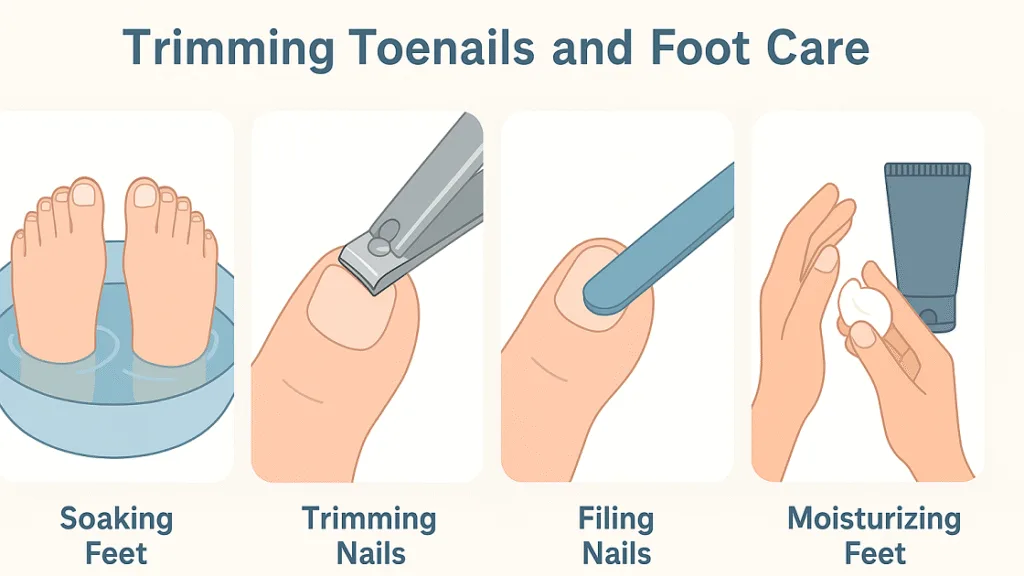
7.2.1 Footwear and Sock Hygiene
Footwear hygiene is a first line of defense against reinfection. Fungus thrives in moist, dark environments like sweaty shoes. Always wear breathable footwear made from natural materials or those designed for moisture-wicking. Change socks daily, and choose options made from bamboo, wool, or antimicrobial fabrics. Never walk barefoot in communal areas such as gym showers or locker rooms. Wash your shoes periodically, and rotate them to allow proper drying. For persistent odor or moisture issues, consider using baking soda or placing silica gel packets inside. Washing socks in hot water with antifungal detergents adds another protective layer. Good hygiene habits may seem simple, but they drastically reduce fungal re-exposure risk.
7.2.2 Antifungal Sprays and UV Shoe Sterilizers
To eliminate lingering spores in shoes, incorporate antifungal sprays and UV sterilizers into your routine. Over-the-counter antifungal sprays are easy to apply and effective for daily disinfection. Use them inside shoes and on orthotic inserts. UV shoe sterilizers, available as portable gadgets, use ultraviolet light to destroy fungal DNA within 15–30 minutes. These tools are especially helpful for people with recurrent infections or those living in humid environments. While more expensive upfront, they offer a non-chemical and reusable solution. Some devices even include timers and automatic shutoffs for safety. Together, sprays and UV devices create a double-layered shield that can help keep reinfection at bay.
7.2.3 Nail Trimming and Foot Care Habits
Routine nail trimming and basic foot care are vital in preventing fungus from gaining a foothold again. Trim toenails straight across to avoid ingrown nails and reduce crevices where fungus can hide. Disinfect nail clippers after every use. Gently push back cuticles instead of cutting them, as broken skin can invite infections. Moisturize your feet regularly to prevent cracks that serve as fungal entry points. Avoid nail polish and artificial nails until fully healed, as they can trap moisture. Consider monthly foot soaks with tea tree oil or Epsom salt as a preventive measure. Maintaining healthy nails takes diligence, but these habits support your laser treatment’s longevity.
8. Frequently Asked Questions (FAQ)
Yes. When administered by licensed professionals using FDA-cleared devices, laser therapy is considered safe and has minimal side effects.
It varies. Most patients need 3–5 sessions, but stubborn infections may require more. Your provider will determine the best plan.
No. Patients usually report a warming sensation. Some feel mild heat, but treatment is generally pain-free and requires no anesthesia.
It’s best to avoid polish for at least a few weeks post-treatment. Covering the nail can trap moisture and hinder recovery.
Laser avoids systemic side effects and liver risks, making it a safer alternative for many, especially those on other medications.
9. Conclusion & Final Verdict
Laser treatment for toenail fungus is a breakthrough, offering patients a non-invasive, side-effect-free alternative to traditional therapies. The pros—cosmetic improvement, minimal discomfort, and suitability for drug-sensitive individuals—make it an attractive option. However, the cons—cost, time to see results, and the potential need for multiple sessions—should not be overlooked. It is not a magic cure but a powerful tool when used correctly. The treatment shines brightest for those who commit to aftercare and prevention. For patients seeking long-term results without pharmaceutical risks, laser therapy may be the best step forward. Always consult a podiatrist or dermatologist for personalized advice.
 English
 العربية
 Français
 日本語
日本語 Português
 Español
 Русский
 Deutsch