

Page Contents
Heel pain can be a persistent, nagging issue that affects millions of people every day. Whether you’re an athlete pushing your body to its limits or someone simply trying to navigate your day without wincing in pain, heel discomfort can drastically impact your quality of life. Fortunately, advancements in medical technology have introduced a powerful solution—laser therapy. This non-invasive treatment method has been gaining popularity for its effectiveness in treating heel pain, providing a safe and efficient alternative to traditional therapies. In this blog, we will delve into what laser therapy is, how it works, and why it’s quickly becoming a go-to solution for sore heels.
1. Introduction: The Struggle of Heel Pain
1.1 What is Heel Pain?
Heel pain is a common issue that can arise from a variety of conditions affecting the heel bone, tissues, or tendons. The most common causes of heel pain include plantar fasciitis, heel spurs, Achilles tendonitis, and other soft tissue injuries. Plantar fasciitis occurs when the thick band of tissue (the plantar fascia) that connects the heel to the toes becomes inflamed, typically due to overuse or improper footwear. Heel spurs, often found in conjunction with plantar fasciitis, are bony growths that develop on the bottom of the heel bone due to calcium deposits. Achilles tendonitis refers to the inflammation of the tendon that connects the calf muscles to the heel, often caused by repetitive stress or overuse. These conditions can lead to chronic pain, stiffness, and difficulty in walking or standing for extended periods, severely limiting daily activities.
1.2 Some Treatments You May Have Tried
If you’ve been dealing with heel pain, you’ve likely tried a variety of treatments to relieve the discomfort. Common options include:
- Rest and Ice Therapy: Resting the foot and applying ice to reduce inflammation.
- Orthotic Insoles: Custom or over-the-counter shoe inserts to provide extra support and reduce strain.
- Stretching Exercises: Targeted stretches for the calf muscles and plantar fascia to relieve tension.
- Non-Steroidal Anti-Inflammatory Drugs (NSAIDs): Over-the-counter medications aimed at reducing inflammation and pain.
While these treatments can provide temporary relief, they often focus on symptom management rather than addressing the root cause of heel pain. In many cases, the pain can return, leaving you stuck in a cycle of short-term fixes. Laser therapy, however, takes a different approach by targeting the underlying issue at the cellular level. Instead of simply masking the pain, it stimulates natural healing processes, helping to repair damaged tissues and reduce inflammation. This approach not only provides long-lasting relief but also promotes tissue regeneration, ultimately addressing the cause of the discomfort. Let’s dive deeper into how laser therapy works and why it’s becoming a top choice for those seeking a lasting solution.
2. Scientific Backing of Laser Therapy
Laser therapy, particularly Class IV laser therapy, has been extensively studied for its ability to treat a wide range of musculoskeletal conditions, including heel pain. The evidence supporting its effectiveness is robust and continues to grow.
2.1 Studies on Class IV Laser Therapy
Numerous clinical studies have demonstrated the efficacy of Class IV laser therapy in reducing pain and promoting healing for conditions like plantar fasciitis and Achilles tendonitis. For example, a study published in the Journal of Clinical Laser Medicine and Surgery found that Class IV laser therapy significantly reduced pain and inflammation in patients with plantar fasciitis, with many patients reporting relief after just a few sessions. Other studies have shown that laser therapy not only reduces pain but also improves tissue healing by stimulating collagen production and enhancing the repair of damaged tissues. These findings make laser therapy a promising option for those seeking long-term relief from heel pain.
2.2 How Laser Therapy Targets the Root Cause
Unlike traditional treatments that merely mask the pain, laser therapy addresses the root cause of heel pain by promoting cellular repair and tissue regeneration. Laser therapy uses specific wavelengths of light to penetrate deep into the tissues, stimulating the cells involved in the healing process. This light energy enhances mitochondrial activity, increasing the production of adenosine triphosphate (ATP), which fuels cellular repair. This process promotes faster tissue regeneration, allowing the body to heal itself naturally. Laser therapy also works by reducing inflammation and stimulating the body’s natural pain-relieving mechanisms. It has been shown to increase the production of endorphins, the body’s natural painkillers, providing both immediate and long-lasting relief from pain.

3. How Does Laser Therapy Work for Treating Heel Pain?
Laser therapy works by delivering concentrated light energy deep into the tissues of the foot, promoting the body’s natural healing mechanisms. This non-invasive, drug-free treatment is scientifically proven to reduce pain and inflammation, speed up tissue repair, and support overall healing. Let’s break down how laser therapy can effectively treat heel pain.
3.1 Stimulating the Repair Response in Cells
When laser light penetrates the skin, it interacts with the cells in the affected area, particularly the mitochondria, which are the powerhouses of the cell. This interaction stimulates the production of adenosine triphosphate (ATP), a key molecule that provides energy for cellular functions. By increasing ATP production, laser therapy accelerates the repair response in the damaged tissues. As a result, it promotes faster tissue regeneration, reduces cellular damage, and helps the body heal more effectively. This cellular boost is crucial for those suffering from chronic heel pain as it targets the underlying damage rather than just alleviating symptoms.
3.2 Increasing the Metabolism of Cells
Another important effect of laser therapy is the enhancement of cellular metabolism. By increasing the energy available to cells, laser therapy promotes the efficient processing of nutrients, proteins, and waste materials. This accelerated metabolism is particularly beneficial for cells in damaged tissues, such as those found in the plantar fascia or tendons. It helps the tissues regenerate more rapidly, which not only reduces pain but also supports the body in repairing the damage causing the pain. This aspect of laser therapy helps to speed up recovery times, especially for injuries that have been lingering for some time.
3.3 Increasing Blood Flow
Laser therapy significantly improves blood circulation in the affected area. The laser light stimulates the production of nitric oxide, a molecule that relaxes the blood vessels, allowing more oxygenated blood to flow into the treated tissues. Increased blood flow is essential for healing because it delivers vital nutrients to damaged tissues and flushes out waste products, such as toxins and lactic acid, that can cause further pain and inflammation. The enhanced blood supply also encourages the formation of new capillaries, ensuring that the tissues receive all the oxygen and nutrients they need to heal quickly and efficiently. This makes laser therapy an effective treatment for chronic conditions like plantar fasciitis and heel spurs, which require long-term healing.
3.4 Triggering an Increased Immune Response
Laser therapy does more than just reduce inflammation—it also stimulates the immune system to respond more effectively to injury. The treatment triggers the release of growth factors and cytokines, proteins that help to regulate immune responses and promote healing. These molecules enhance the body’s ability to repair tissue, reduce swelling, and fight off infection. Additionally, laser therapy can help modulate the body’s inflammatory response, which is key in treating conditions like tendonitis or heel spurs. By promoting an efficient immune response, laser therapy helps to accelerate the healing process and provide sustained relief from heel pain.
4. What Types of Heel Pain Is Laser Therapy Effective On?
Laser therapy is a versatile treatment that can effectively address various types of heel pain. It works by targeting the underlying causes of pain, whether that’s inflammation, damage to soft tissues, or bony growths. Below are some of the most common types of heel pain that benefit from laser therapy:
4.1 Plantar Fasciitis
Plantar fasciitis is one of the most common causes of heel pain, typically characterized by sharp pain at the bottom of the foot, near the heel. It’s caused by the inflammation of the plantar fascia, a thick band of tissue that connects the heel bone to the toes. Over time, repetitive strain on this tissue can cause microtears, leading to inflammation and pain. Laser therapy works by reducing inflammation in the plantar fascia, promoting tissue repair, and stimulating the production of collagen, which helps the fascia heal. It also boosts circulation, bringing oxygen and nutrients to the affected area, thereby accelerating the healing process and reducing pain in the long term.
4.2 Heel Spurs
Heel spurs are bony growths that form on the heel bone, usually as a result of excessive strain from conditions like plantar fasciitis. When a spur presses against soft tissues, it can lead to significant pain and discomfort. Laser therapy can reduce the inflammation around the spur, promote the healing of surrounding tissues, and alleviate the pressure on the heel bone. It helps reduce swelling and allows for a faster recovery by encouraging the body to heal both the bone and the soft tissues affected by the spur.
4.3 Tendonitis and Other Soft Tissue Injuries
Heel pain can also be caused by tendonitis, a condition where the tendons around the heel become inflamed and irritated, often due to overuse or improper footwear. Laser therapy is highly effective in treating tendonitis by reducing inflammation, alleviating pain, and stimulating the repair of the damaged tendons. Additionally, laser therapy can treat other soft tissue injuries such as ligament sprains or muscle strains. By promoting cellular repair and improving blood flow, laser therapy accelerates the recovery of these tissues, allowing the body to heal faster and more efficiently.
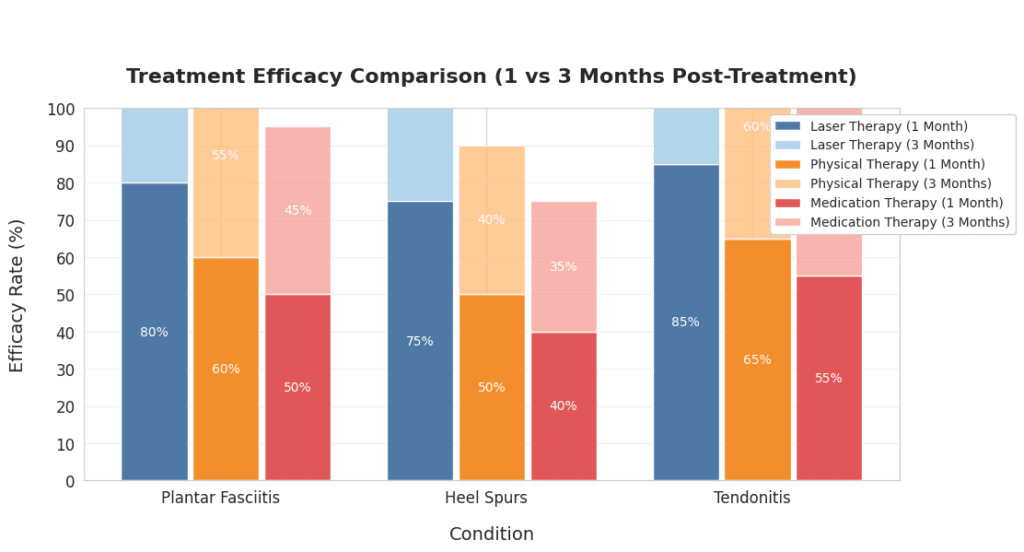
5. Why Choose Laser Therapy for Heel Pain?
Laser therapy has gained popularity as a go-to solution for heel pain due to its unique advantages. Here are the primary reasons why this treatment is a standout choice for those looking for relief:
5.1 Non-Invasive, No Drugs, No Side Effects
One of the most appealing aspects of laser therapy is that it is completely non-invasive. Unlike surgical options, laser therapy does not require cuts, stitches, or recovery time. It’s a drug-free treatment, so you won’t have to worry about the potential side effects of pain medications or anti-inflammatory drugs, such as gastrointestinal distress or dependency. This makes it an ideal treatment for individuals who prefer a natural, safe, and effective option for managing heel pain.
5.2 Quick Sessions, Long-Lasting Comfort
Laser therapy sessions are typically brief—lasting only 15-20 minutes—but the results can be long-lasting. Many patients experience noticeable improvements in pain and mobility after just a few sessions. Unlike short-term solutions like pain medications, which wear off after a few hours, laser therapy promotes long-term healing by addressing the underlying causes of the pain. As a result, you can enjoy sustained comfort without the need for constant follow-ups or repeated treatments.
5.3 Promotes Natural Healing at the Cellular Level
Laser therapy is unique in that it doesn’t just mask the pain—it actively promotes healing at the cellular level. By stimulating the body’s natural repair mechanisms, laser therapy encourages the regeneration of damaged tissues and promotes long-term healing. This makes it especially effective for chronic conditions like plantar fasciitis or tendonitis, which often require consistent healing rather than just temporary relief. The body heals itself, naturally, with the help of the energy delivered by the laser, making this treatment a highly effective and holistic approach to managing heel pain.
6. Is Laser Therapy Right for My Heel Pain?
Laser therapy is not a one-size-fits-all solution, but it offers significant benefits for a variety of individuals experiencing heel pain. Below, we’ll discuss who would benefit most from this treatment and who may need to explore alternative options.
6.1 Active Individuals with Sports-Related Injuries
For athletes or active individuals who engage in high-impact sports, heel pain can be particularly troublesome. Whether it’s from running, jumping, or sudden movements, repetitive stress on the feet can lead to conditions like plantar fasciitis, heel spurs, or Achilles tendonitis. Laser therapy is ideal for athletes because it accelerates the body’s natural healing process, allowing them to recover faster and get back to their active lifestyles. Laser therapy helps reduce inflammation, enhances tissue repair, and improves blood flow—all of which are crucial for healing soft tissue injuries quickly without the need for surgery or long recovery times.
6.2 Anyone Looking for a Non-Invasive Treatment
If you’re looking for an alternative to surgery, medications, or injections, laser therapy is an excellent non-invasive option. It doesn’t require any cutting or lengthy recovery periods, making it ideal for people who want effective treatment without the risks associated with more invasive procedures. Moreover, since it’s a drug-free treatment, laser therapy is a natural solution for those who want to avoid the potential side effects of pain relievers and anti-inflammatory drugs.
6.3 People Tired of Temporary Pain Relief
If you’ve tried various treatments like NSAIDs, orthotic insoles, or physical therapy, only to find that the relief is short-lived, laser therapy may be exactly what you need. Unlike medications, which only mask pain, laser therapy works at the cellular level to promote long-term healing. By targeting the underlying causes of heel pain, laser therapy reduces inflammation, stimulates tissue regeneration, and provides sustained relief. This makes it a valuable option for those seeking a lasting solution, not just temporary relief.
6.4 Those Who Should Not Use Laser Therapy
While laser therapy is generally safe and effective for most people, it may not be suitable for individuals with certain conditions. For example, those who are pregnant or have a history of cancer should consult with their healthcare provider before using laser therapy. Additionally, people with certain photosensitivity disorders or active infections in the treatment area may be advised against using laser therapy. Always check with your doctor to determine if laser therapy is appropriate for your specific medical condition.
7. Could Laser Therapy Be the Solution to Your Specific Foot Pain?
If you’re struggling with heel pain, you’re not alone. Whether it’s caused by plantar fasciitis, heel spurs, tendonitis, or any other condition, laser therapy could very well be the solution you’ve been searching for. With its ability to address both the pain and the underlying causes of heel discomfort, laser therapy promotes healing in a way that traditional treatments often can’t. Not only is it effective in reducing pain and inflammation, but it also accelerates tissue repair, helping to restore the function of your foot more quickly. Laser therapy offers a promising alternative to those who want to avoid surgery, long recovery periods, and reliance on medications. If you’re ready to take the next step in your foot pain recovery journey, laser therapy might be the key to standing tall again.
8. FAQs
Q1: How does laser therapy compare to traditional treatments for heel pain?
A: Laser therapy goes beyond just masking pain like NSAIDs or physical therapy. It targets the root cause at the cellular level, promoting healing and tissue repair, while reducing inflammation. Unlike temporary relief from traditional methods, laser therapy offers long-term benefits.
Q2: Can laser therapy help prevent future heel pain episodes?
A: Yes! By stimulating cell regeneration and improving tissue strength, laser therapy helps prevent future flare-ups. Regular treatments can maintain heel health and prevent further strain or injury.
Q3: How soon can I return to normal activities after a session?
A: Since laser therapy is non-invasive and requires no recovery time, most patients can resume their usual activities immediately after a session—whether walking, exercising, or working.
Q4: Does laser therapy address the underlying cause of heel pain?
A: Unlike painkillers, laser therapy targets the root cause, such as inflammation or tissue damage, to stimulate healing and regenerate the affected tissues, promoting long-term relief.
Q5: Is laser therapy effective for chronic heel pain that hasn’t responded to other treatments?
A: Yes, laser therapy is highly effective for chronic heel pain, especially when other treatments haven’t worked. It accelerates healing and offers lasting relief for persistent discomfort.
Q6: How will I know if laser therapy is working?
A: You’ll likely notice reduced pain, improved mobility, and overall better quality of life after a few sessions. Your healthcare provider will monitor your progress to ensure the treatment is working and adjust as needed.
9. References
The Beneficial Effects of High-Intensity Laser Therapy and Co-Interventions on Musculoskeletal Pain Management: A Systematic Review:
https://pmc.ncbi.nlm.nih.gov/articles/PMC7008744
Clinical efficacy of low-level laser therapy in plantar fasciitis:
 English
 العربية
 Français
 日本語
日本語 Português
 Español
 Русский
 Deutsch