

Page Contents
Fibromyalgia is a complex and often misunderstood condition, causing chronic pain, fatigue, and a variety of other symptoms that severely impact the quality of life. Traditional treatments, including medications and physical therapy, often fall short of providing long-term relief. However, laser therapy has emerged as a promising non-invasive treatment option for fibromyalgia sufferers. In this blog, we will explore how laser therapy for fibromyalgia pain relief works, the science behind it, the results patients can expect, and important considerations before starting treatment.
1. Understanding Fibromyalgia
1.1 Symptoms and Diagnosis Criteria
Fibromyalgia is characterized by widespread musculoskeletal pain, fatigue, and sleep disturbances. The condition often co-occurs with other symptoms like cognitive dysfunction (known as “fibro fog”), headaches, irritable bowel syndrome (IBS), and depression. The Centers for Disease Control and Prevention (CDC) estimates that 2-4% of the global population suffers from fibromyalgia, with women being more affected than men. To diagnose fibromyalgia, healthcare providers rely on clinical criteria, including widespread pain lasting for at least three months, tender points throughout the body (though modern diagnostic criteria often focus on pain severity rather than specific tender points), and the exclusion of other conditions with similar symptoms.
1.2 Understanding the Complexities of Fibromyalgia
Fibromyalgia is a multifactorial condition, meaning that it can be influenced by a combination of genetic, environmental, and psychosocial factors. Stress, infection, trauma, or genetic predisposition may act as triggers, while central sensitization—where the brain and spinal cord process pain signals more intensely—can increase sensitivity to pain. This abnormal pain processing is considered a key factor in the development of fibromyalgia symptoms. The complexity of fibromyalgia often leads to misdiagnosis and delayed treatment. Unlike visible injuries or conditions, fibromyalgia does not show up in routine imaging tests or lab results, making it harder to diagnose and manage effectively.
1.3 Underlying Mechanisms
At the biological level, fibromyalgia is thought to involve dysfunction in the central nervous system (CNS), particularly in how the brain processes pain signals. This phenomenon, called central sensitization, leads to an exaggerated pain response. It has also been found that fibromyalgia sufferers have abnormal levels of neurotransmitters (such as serotonin and dopamine) that regulate pain and mood. Additionally, muscle tissue abnormalities and increased inflammatory markers in certain areas of the body contribute to the musculoskeletal pain.
2. The Science Behind Laser Therapy for Fibromyalgia
Laser therapy, particularly Low-Level Laser Therapy (LLLT) or Class IV laser therapy, has shown promise in treating fibromyalgia pain. It utilizes specific wavelengths of light to penetrate the skin and underlying tissues, triggering a series of biological responses that promote healing and pain relief. Here’s a breakdown of how laser therapy alleviates fibromyalgia pain and the underlying science:
2.1 How Laser Therapy Alleviates Fibromyalgia Pain
Laser therapy works by targeting pain receptors and tissue damage at the cellular level, initiating a healing process that promotes both pain relief and tissue regeneration.

2.1.1 Penetrating Energy to Target Pain Areas
The laser light emitted during treatment is absorbed by tissues deep below the skin’s surface. This light energy is then converted into biochemical energy, which enhances blood circulation and promotes cellular repair. The laser energy also penetrates the deeper layers of tissue, such as muscles and tendons, which are commonly affected in fibromyalgia. The laser’s energy reaches muscles, tendons, and soft tissues, where it works directly to alleviate muscle tension and reduce pain. This energy absorption enhances blood circulation, delivering oxygen and nutrients to damaged tissues and promoting faster healing. The increased circulation also helps remove waste products like lactic acid from muscle tissues, reducing muscle fatigue and soreness.
2.1.2 Pain Reduction Through Endorphin Release
Laser therapy has been shown to stimulate the nervous system, triggering the release of endorphins, the body’s natural pain-relieving chemicals. Endorphins act similarly to opioids, reducing pain and promoting an overall sense of well-being. This process not only leads to immediate pain relief but also provides sustained comfort for patients suffering from fibromyalgia. The release of endorphins leads to long-term relief without the need for pain medication, a significant advantage for fibromyalgia patients who may suffer from the side effects of pharmaceuticals. The release of these natural painkillers raises the pain threshold, allowing patients to endure higher levels of activity and stress without experiencing significant discomfort.
2.1.3 Reducing Inflammation and Muscle Stiffness
Fibromyalgia often involves chronic inflammation in the muscles and joints, which can lead to stiffness, pain, and reduced mobility. Laser therapy helps reduce inflammation by improving lymphatic drainage, increasing circulation, and stimulating the immune system. The laser’s energy helps decrease the levels of pro-inflammatory cytokines and promotes the production of anti-inflammatory molecules, which helps control inflammation and pain. By reducing muscle stiffness and improving circulation, laser therapy enhances muscle relaxation, allowing for improved flexibility and mobility in fibromyalgia patients.
2.2 Collagen Production and Healing of Soft Tissue
One of the key benefits of laser therapy is its ability to stimulate collagen production. Collagen is a structural protein essential for repairing damaged tissues, such as muscles, ligaments, and tendons. By promoting fibroblast activity (cells responsible for collagen production), laser therapy accelerates the repair of soft tissue injuries and aids in muscle regeneration. Laser therapy boosts the production of collagen and elastin fibers, which are essential for maintaining the strength and flexibility of muscles and connective tissues. The regenerative properties of laser therapy not only help heal muscular pain but also improve the elasticity and structural integrity of the affected tissues, making them more resilient to future damage.
2.3 Enhanced Cellular Metabolism and Healing
Laser therapy enhances cellular metabolism by stimulating the mitochondria—the energy-producing units of cells. As the mitochondria produce more ATP (adenosine triphosphate), the body’s cells are better able to repair themselves and regenerate damaged tissue. This accelerated healing process is especially important for fibromyalgia patients who suffer from chronic pain and fatigue. By enhancing ATP production, laser therapy provides cells with the energy they need to repair and regenerate damaged tissue, leading to faster recovery. Laser therapy increases oxygen availability to tissues, which is essential for tissue repair and helps the body heal more efficiently.
3. The Results: What Patients Experience
Laser therapy offers significant relief for fibromyalgia patients, with results ranging from immediate pain relief to long-term healing. The therapy’s effectiveness often depends on the frequency of sessions and the severity of symptoms.
3.1 Immediate Pain Relief
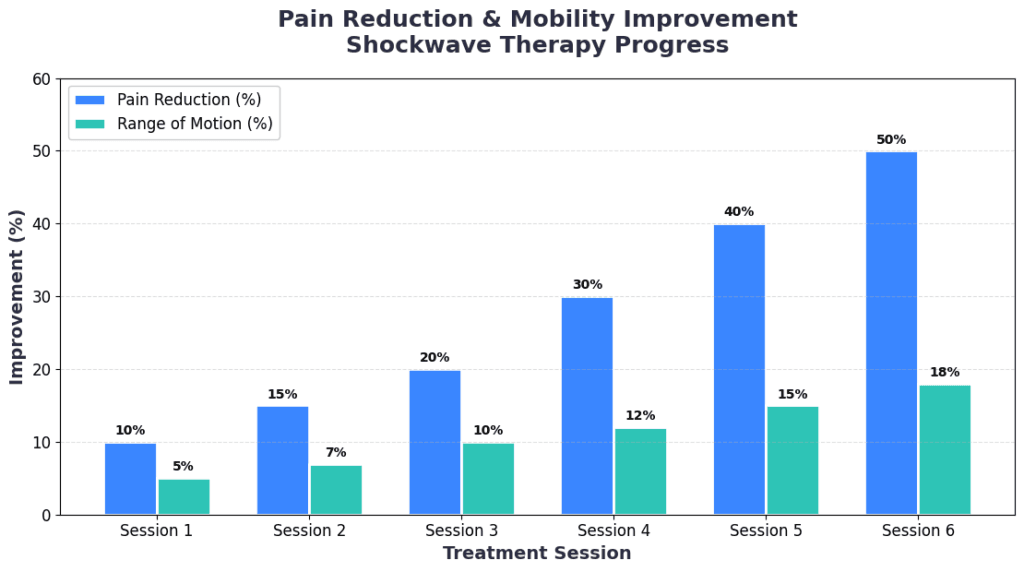
After just a few sessions, fibromyalgia patients often report immediate pain relief. Many patients feel a reduction in muscle stiffness and pain within the first 24-48 hours following treatment. This rapid relief makes laser therapy a popular choice for those seeking quick results without the need for pain medication.
3.2 Improved Mobility and Flexibility
As laser therapy reduces inflammation and muscle stiffness, patients experience improved range of motion and flexibility. This is particularly beneficial for those suffering from fibromyalgia-related muscle tightness and joint pain, which often limit mobility. Increased flexibility allows patients to engage in physical activities that may have been too painful before.
3.3 Better Sleep Quality
Fibromyalgia often disrupts sleep patterns, leaving patients feeling fatigued and mentally foggy. By reducing pain and muscle tension, laser therapy can help improve sleep quality, enabling patients to experience deeper, more restorative sleep. Better sleep is essential for recovery and reducing fatigue in fibromyalgia patients.

3.4 Enhanced Energy Levels and Reduced Fatigue
One of the most debilitating symptoms of fibromyalgia is chronic fatigue. As laser therapy relieves pain, increases circulation, and enhances muscle function, patients often report improved energy levels and a reduction in overall fatigue. Many fibromyalgia patients find themselves more energized and able to engage in daily activities with greater ease.

3.5 Psychological and Emotional Benefits
Living with fibromyalgia can take a significant toll on mental health. Pain and chronic fatigue can lead to anxiety, depression, and stress. As laser therapy reduces pain and improves overall health, many patients report feeling less anxious, more positive, and better able to manage the psychological challenges of fibromyalgia. The mental clarity and emotional stability gained through pain relief can be just as important as physical improvements in quality of life.
4. Considerations Before Starting Laser Therapy for Fibromyalgia
Before beginning laser therapy for fibromyalgia, it’s crucial to consider several factors to ensure the treatment is appropriate for your condition. While laser therapy is generally safe and non-invasive, evaluating these key aspects with your healthcare provider will help tailor the treatment to your specific needs.
4.1 Consultation with Your Healthcare Provider
A thorough consultation with your healthcare provider is essential before starting laser therapy. Your doctor will review your medical history, current fibromyalgia symptoms, and any other health conditions you may have. This ensures that laser therapy is suitable for you and will not interfere with any ongoing treatments or medications. It is important to disclose all health concerns, including if you have sensitive skin, autoimmune conditions, or if you are pregnant, as these factors may influence the treatment approach. A healthcare provider will also determine whether laser therapy should be integrated into your overall fibromyalgia management plan.
4.2 Current Medications and Health Conditions
Certain medications and health conditions may influence the effectiveness of laser therapy or cause potential complications. For example, medications that increase photosensitivity (such as certain antibiotics or antidepressants) may affect how your skin reacts to the laser light. Additionally, conditions like skin disorders, cancer, or blood clotting problems may require adjustments or pre-treatment evaluations to ensure laser therapy is safe. Your healthcare provider will evaluate your medication list and assess any contraindications before proceeding with treatment. Be sure to provide detailed information about all current treatments, including pain relievers, muscle relaxants, and anti-inflammatory medications.
4.3 Type of Fibromyalgia Symptoms
Laser therapy is particularly effective in treating musculoskeletal pain, joint stiffness, and muscle fatigue associated with fibromyalgia. It works well for alleviating chronic pain, improving flexibility, and reducing inflammation. However, the therapy’s effectiveness can vary depending on the specific symptoms you experience. For example, laser therapy might be more beneficial for localized pain or muscle tightness but may not fully address symptoms like brain fog or sleep disturbances. It’s important to assess whether laser therapy can target your primary symptoms and whether it should be used in conjunction with other treatments to provide comprehensive relief.
4.4 Treatment Frequency and Commitment
Laser therapy typically requires multiple sessions for optimal results. The frequency and duration of treatments will depend on the severity of your fibromyalgia symptoms and your response to therapy. Most patients undergo 2-3 sessions per week for several weeks. In some cases, maintenance treatments may be required every few weeks to sustain the benefits. Be prepared to commit to a consistent treatment schedule. While you may experience immediate pain relief after the first few sessions, it’s important to follow the recommended treatment plan to achieve long-term benefits. Your healthcare provider will guide you on the ideal treatment plan based on your individual needs.
4.5 Potential Side Effects or Discomfort
Laser therapy is generally well-tolerated, with minimal side effects. However, some individuals may experience mild discomfort or temporary redness at the treatment site. These effects usually resolve within a few hours to a day. Swelling or soreness may also occur in some cases, particularly if you have highly sensitive skin. Serious side effects are rare, but if you experience any unusual reactions (such as prolonged redness, irritation, or burning sensations), you should contact your healthcare provider immediately. Overall, laser therapy is considered a safe, non-invasive treatment with few risks.
5. Combination with Other Therapies
Laser therapy is effective on its own but can work even better with other treatments. Many fibromyalgia patients benefit from a combined approach, including physical therapy, medications, and stress management techniques like CBT or relaxation exercises. Combining therapies offers benefits for both the physical and psychological aspects of fibromyalgia. Physical therapy helps restore range of motion, while laser therapy focuses on pain relief and tissue regeneration. Medications, such as antidepressants or anti-inflammatory drugs, address issues like depression, fatigue, and inflammation, which can enhance the effects of laser therapy. A holistic approach also involves lifestyle changes like exercise, diet, and better sleep. Working with your healthcare provider to create a personalized plan will make laser therapy more effective for managing fibromyalgia.
6. Smart Ice: A Powerful Tool in Fibromyalgia Management
The Smart Ice Laser Therapy System is a Class IV high-power laser device designed to provide effective, non-invasive treatment for various musculoskeletal and neurological conditions, including fibromyalgia. It utilizes advanced laser technology to deliver therapeutic energy to targeted tissues, promoting healing and alleviating pain. Key Features:
- High Power Output: The system offers a power range from 30W to 60W, allowing for deeper tissue penetration and more effective treatment of chronic pain associated with fibromyalgia.
- Multiple Wavelengths: It employs four distinct wavelengths—635nm, 810nm, 915nm, and 980nm—enabling the targeting of different tissue depths and types. This versatility enhances the system’s ability to address various symptoms of fibromyalgia.
- Advanced Treatment Modes: The system includes four treatment modes: Continuous Wave (CW), Pulse Single Energy (PUL SE), Burst (B), and Single Pulse (SINGLE). These modes allow healthcare providers to tailor treatments to individual patient needs, optimizing therapeutic outcomes.
- Thermal Imaging Function: An optional thermal imaging feature assists clinicians in identifying areas of inflammation and pain, enabling precise targeting and monitoring of treatment effectiveness.
- Intelligent Cloud Management: The system supports cloud-based storage of patient treatment records, facilitating easy access and management of patient data for ongoing care. smartlasertherapy.
- User-Friendly Interface: Equipped with a 12.1-inch HD touchscreen, the system offers an intuitive interface for clinicians, enhancing ease of use during treatments.
It combines advanced technology and user-friendly design to provide effective, non-invasive treatment options for individuals suffering from fibromyalgia. Its customizable settings and features enable healthcare providers to deliver personalized care, addressing the complex symptoms of this chronic condition.
7. Summary
Fibromyalgia is a chronic condition characterized by widespread pain, fatigue, and other symptoms that significantly impact quality of life. Traditional treatments often involve medication and physical therapy, but these may not always provide sufficient relief. Laser therapy has emerged as a promising non-invasive treatment option for managing fibromyalgia symptoms. The Smart Ice Laser offers a comprehensive solution by delivering high-power laser energy through multiple wavelengths, targeting deep tissue layers to alleviate pain and inflammation. Its advanced features, such as customizable treatment modes and thermal imaging, allow for precise and personalized care. By promoting cellular repair and reducing inflammation, this system can enhance mobility, improve sleep quality, and reduce fatigue in fibromyalgia patients. Incorporating laser therapy into a holistic treatment plan, alongside other therapies, may offer individuals with fibromyalgia a more effective approach to managing their condition and improving overall well-being.
8. References
The Use of Laser Therapy for Patients with Fibromyalgia: A Critical Literary Review:
https://pmc.ncbi.nlm.nih.gov/articles/PMC6499579
High-Intensity Laser Therapy for Musculoskeletal Disorders: A Systematic Review and Meta-Analysis of Randomized Clinical Trials:
 English
 العربية
 Français
 日本語
日本語 Português
 Español
 Русский
 Deutsch