

Page Contents
1. Introduction: The Evolution of Physiotherapy Treatments
Physiotherapy has come a long way from its origins as a manual treatment method to the high-tech, specialized field it is today. In recent years, technological advancements have transformed how therapists approach rehabilitation, leading to more effective and targeted treatments. One of the most exciting developments in physiotherapy is laser therapy, which uses light to treat various musculoskeletal conditions. This non-invasive treatment offers significant benefits, such as pain relief, tissue healing, and reduced inflammation.
1.1 What is Physiotherapy?
Physiotherapy, or physical therapy, is a healthcare profession focused on improving movement, function, and quality of life for individuals experiencing physical challenges. It involves a range of techniques and treatments designed to promote healing, prevent injuries, and restore movement. Physiotherapists work with patients of all ages, helping them recover from injuries, manage chronic conditions, and improve overall mobility.
1.2 Rise of Technological Interventions in Rehab
In recent years, physiotherapy has increasingly incorporated advanced technologies to improve patient outcomes. Laser therapy is one such technological advancement that provides an efficient, effective, and drug-free solution for treating pain and inflammation. These treatments are non-invasive and require minimal recovery time, making them highly appealing for both patients and healthcare professionals.
1.3 Where Laser Therapy Fits in Today’s Physio Landscape
Laser therapy has become a staple in modern physiotherapy. It is used in clinics to manage conditions like chronic pain, sports injuries, post-surgical rehabilitation, and musculoskeletal disorders. The advent of laser therapy machines has revolutionized how therapists approach recovery and pain management, offering precision and long-lasting relief.
2. What is Laser Therapy in Physiotherapy?
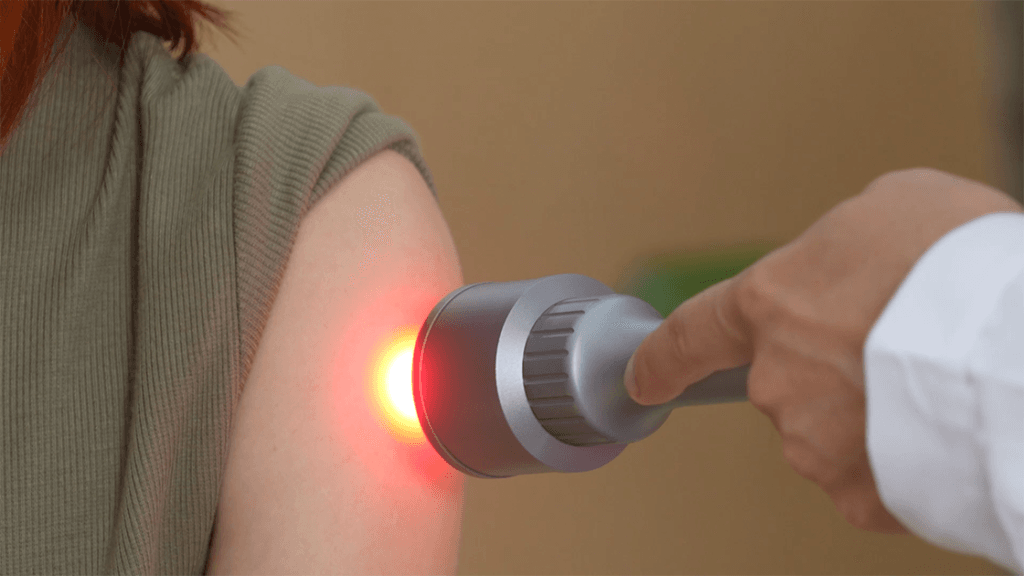
Laser therapy in physiotherapy involves using specific wavelengths of light to penetrate tissues, stimulating healing and reducing inflammation. This non-invasive method enhances tissue repair, reduces pain, and speeds up recovery. Class IV lasers are commonly used in physiotherapy due to their high power and effectiveness in deep tissue penetration.
2.1 Definition and Basic Principle
Laser therapy works on the principle of photobiomodulation (PBM), which refers to the process by which light energy is absorbed by tissues to trigger biological reactions that promote healing. This process can reduce pain, inflammation, and accelerate tissue regeneration.
2.2 Types of Lasers Used in Physical Therapy
2.2.1 Low-Level Laser Therapy (LLLT)
Low-Level Laser Therapy (LLLT), also known as cold laser therapy, involves low-powered lasers that do not generate heat. This form of therapy is primarily used for surface-level injuries and inflammation, promoting tissue repair and providing pain relief.
2.2.2 High-Intensity Laser Therapy (HILT)
High-Intensity Laser Therapy (HILT) uses higher-powered lasers that penetrate deeper tissues, making them ideal for conditions involving deep muscle tissues, ligaments, and joints. HILT is often used for chronic conditions such as arthritis, sports injuries, and post-surgical recovery.
2.3 How Laser Therapy Interacts with Human Tissues
Laser light interacts with the body’s tissues by penetrating the skin and targeting cells and mitochondria. The light energy stimulates the cells’ natural repair mechanisms, accelerating healing and cell regeneration.
2.3.1 The Biological Mechanism of Photobiomodulation
Photobiomodulation (PBM) works by stimulating cellular processes within the body, such as ATP production. ATP is the energy molecule that fuels cellular activity, and increasing its production helps promote healing, reduce inflammation, and relieve pain. Laser therapy also encourages the release of endorphins, natural painkillers that help reduce discomfort.
2.3.2 Penetration Depth: How Deep Does the Laser Go?
The depth at which a laser can penetrate tissue depends on several factors, primarily the wavelength and power of the laser. High-power lasers, such as Class IV lasers, are designed to penetrate several centimeters into the tissues, making them ideal for treating deeper injuries like muscle strains, ligament damage, and joint pain. Understanding how different wavelengths affect tissue penetration can help optimize laser therapy for various conditions.
Effect of Different Wavelengths
- 635nm Wavelength: This wavelength primarily targets the skin’s surface, promoting wound healing and scar tissue regeneration. It enhances blood flow and inhibits bacterial growth, making it ideal for superficial skin conditions.
- 810nm Wavelength: The 810nm wavelength penetrates deeper tissues, increasing oxygenation in hemoglobin and boosting energy supplies to muscles and tendons. This promotes tissue regeneration and is effective for musculoskeletal conditions like joint pain and muscle strains.
- 915nm Wavelength: This wavelength enhances blood oxygen transport and helps cells absorb nutrients for better tissue repair. It is beneficial for deep tissue healing and chronic pain management.
- 980nm Wavelength: The 980nm wavelength relieves pain by stimulating thermoreceptors and mechanoreceptors in the nervous system, reducing pain signals. It penetrates deeper tissue layers, making it useful for nerve pain and deep muscle strains.
- 1064nm Wavelength: With deeper penetration and lower absorption by melanin and hemoglobin, the 1064nm wavelength targets deeper tissues for pain relief and tissue healing, especially for musculoskeletal and neuropathic conditions.

3. Top Conditions Treated with Laser Therapy
Laser therapy is an effective, non-invasive treatment for a wide range of musculoskeletal conditions, including chronic pain, sports injuries, and post-surgical rehabilitation. By stimulating blood flow and cellular regeneration, it accelerates recovery and reduces inflammation.
3.1 Chronic Pain and Inflammation
Laser therapy is especially beneficial for managing chronic pain and inflammation in various parts of the body, such as the back and joints. It helps reduce the reliance on medication and provides long-lasting pain relief.
3.1.1 Laser Therapy for Back Pain
Chronic back pain can be debilitating, but laser therapy targets the underlying causes by reducing inflammation and promoting blood flow. By stimulating cellular repair, it accelerates healing and provides long-term relief without the need for surgery or prescription painkillers.
3.1.2 Joint-Related Pain Issues
For conditions like osteoarthritis and rheumatoid arthritis, laser therapy helps reduce pain and stiffness by addressing inflammation in the joints. It increases blood flow, promotes tissue repair, and enhances joint mobility, offering an effective solution without relying on pain medications.
3.2 Sports Injuries and Soft Tissue Recovery
Laser therapy plays a significant role in sports rehabilitation, helping athletes recover from common injuries such as muscle strains, ligament sprains, tendonitis, and bursitis. It accelerates tissue regeneration, reduces inflammation, and improves flexibility.
3.2.1 Muscle Strains and Ligament Sprains
Laser therapy speeds up the healing of muscle strains and ligament sprains by promoting cellular regeneration and reducing swelling. By increasing the oxygen and nutrient supply to the affected tissues, it helps athletes recover faster, reducing downtime and preventing further injuries.
3.2.2 Tendonitis and Bursitis
Conditions like tendonitis and bursitis involve inflammation in the tendons and bursae. Laser therapy helps reduce this inflammation, accelerates healing, and restores function to the affected areas. The therapy can reduce pain and swelling, allowing individuals to return to their activities sooner.
3.3 Post-Surgical Rehabilitation Support
Laser therapy is an excellent option for post-surgical recovery. It accelerates tissue healing by increasing circulation and reducing inflammation, leading to faster rehabilitation and better recovery outcomes. Laser therapy also helps to alleviate pain and discomfort post-surgery, reducing the need for pharmaceutical interventions. It promotes the regeneration of damaged tissues, supports scar tissue remodeling, and improves overall flexibility and function.
3.4 Nerve Regeneration and Neuropathic Pain
Laser therapy is effective in treating neuropathic pain and encouraging nerve regeneration. It reduces inflammation around nerve endings and stimulates the nerve tissues, providing relief from conditions such as sciatica, peripheral neuropathy, and other nerve-related disorders. By enhancing circulation, it supports the healing of nerve fibers and promotes long-term relief.
4. Clinical Benefits of Laser Therapy in Physiotherapy
Laser therapy offers a variety of clinical benefits that contribute to improved rehabilitation outcomes and faster healing.
4.1 Pain Reduction and Anti-Inflammatory Effects
Laser therapy works by stimulating the body’s natural pain-relieving mechanisms, such as the release of endorphins, and by reducing inflammation at the cellular level. These effects help alleviate both acute and chronic pain without the need for medication, making it an effective alternative for individuals seeking drug-free pain management.
4.2 Improved Blood Circulation and Tissue Healing
By increasing blood circulation, laser therapy ensures that oxygen and nutrients are efficiently delivered to the treated area. This enhanced circulation promotes faster tissue regeneration and improves healing times, especially in areas with poor blood flow. It is particularly useful for injuries involving muscles, tendons, and joints.
4.3 Enhanced Range of Motion and Functionality
Laser therapy’s ability to reduce pain and inflammation also leads to improved joint mobility and functionality. For patients suffering from conditions like arthritis or sports injuries that restrict movement, laser therapy helps restore the range of motion and enhance overall functionality, improving the quality of life for those affected.
4.4 Reduced Scar Tissue and Faster Recovery
One of the key benefits of laser therapy is its ability to accelerate the healing process while reducing the formation of scar tissue. This is particularly important for individuals recovering from surgery or trauma. By promoting collagen synthesis and improving cellular regeneration, laser therapy helps minimize the appearance of scars and shortens recovery times.
4.5 Drug-Free Pain Management Alternative
As a non-invasive and drug-free treatment option, laser therapy is an excellent alternative to opioids and other pain medications. It offers sustained pain relief, reduces the risk of dependency, and avoids the side effects commonly associated with pharmaceutical treatments. For individuals looking for a safer, long-term pain management solution, laser therapy is a valuable option.
5. Eco-Conscious Healing: Sustainable Innovation in Rehab Technology
5.1 Energy-Efficient Laser Devices
Advancements in laser technology have led to the development of energy-efficient devices that provide the same high-quality treatment as traditional high-powered lasers but with lower energy consumption. When choosing a laser therapy device, it’s important to consider the energy efficiency rating to ensure sustainability and minimize environmental impact.
5.2 Reducing the Environmental Footprint of Clinical Therapy
The shift toward reusable applicator tips reduces waste and supports a more sustainable approach to physiotherapy. Digital records and remote therapy protocols reduce the need for paper and enhance the efficiency of clinical operations, further promoting sustainability.

6. Laser Therapy in Physiotherapy: Reinventing Recovery Paths
6.1 Customization is the New Standard
Laser therapy can be personalized by selecting the appropriate wavelength to treat specific conditions effectively, ensuring maximum therapeutic benefits. Some modern laser devices can adjust intensity based on real-time patient feedback and treatment responses, offering more customized care.
6.2 Laser Therapy for Different Age Groups
Laser therapy has proven safe for pediatric patients with sports injuries and musculoskeletal conditions, offering gentle treatment options without invasive procedures. For seniors, laser therapy can be tailored to address age-related joint stiffness and muscle weakness, promoting healing without side effects.
In conclusion,laser therapy in physiotherapy represents the next generation of treatment—combining cutting-edge technology with eco-conscious practices and personalized care. Whether you are recovering from an injury, managing chronic pain, or looking to enhance mobility, laser therapy offers safe, effective, and sustainable solutions for the future of physical rehabilitation.
7. References
The Use of Low Level Laser Therapy (LLLT) For Musculoskeletal Pain:
https://pmc.ncbi.nlm.nih.gov/articles/PMC4743666
High-Intensity Laser Therapy for Musculoskeletal Disorders:
https://pmc.ncbi.nlm.nih.gov/articles/PMC9963402
Low-Level Laser Therapy as a Treatment for Chronic Pain:
https://pmc.ncbi.nlm.nih.gov/articles/PMC4137223
Low-Level Laser Therapy for Fibromyalgia: A Systematic Review:
https://www.painphysicianjournal.com/current/pdf?article=NjMwNA%3D%3D&journal=120
 English
 العربية
 Français
 日本語
日本語 Português
 Español
 Русский
 Deutsch