

Page Contents
1. Introduction: Why Vets Are Turning to Laser Therapy
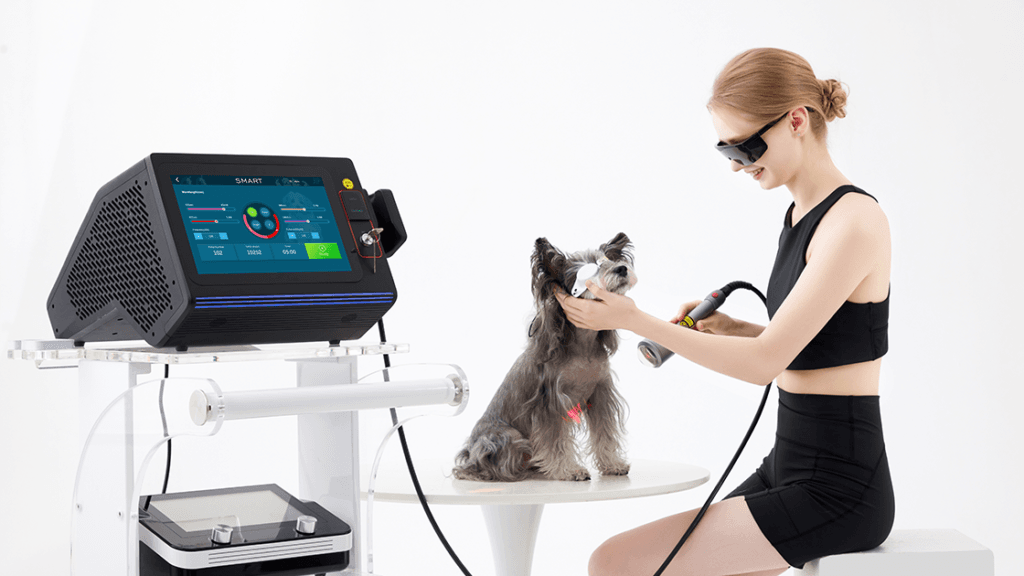
Laser therapy is rapidly becoming a preferred treatment option in veterinary care due to its non-invasive nature, effectiveness, and minimal side effects. It harnesses specific wavelengths of light to promote healing, reduce pain, and improve circulation. This technology, which uses Class IV lasers, stimulates cellular regeneration by increasing the energy production of mitochondria, accelerating tissue repair processes. As a result, it is applied widely for both acute and chronic conditions in animals.
1.1 What Is Veterinary Laser Therapy?
Veterinary laser therapy utilizes light to penetrate tissues and stimulate cellular processes that promote healing. The lasers used, often Class IV lasers, emit light at specific wavelengths (typically 600 to 1000 nm) that target tissue at various depths. The laser light activates photoreceptors in cells, leading to reduced inflammation, increased circulation, and enhanced cellular metabolism, which together help heal injured tissues faster and more effectively.
1.2 Why Laser Therapy is a Vet Favorite
Veterinarians have increasingly adopted laser therapy due to its non-invasive nature and its ability to address a wide range of conditions effectively. The technology provides pain relief without the use of pharmaceuticals, which is particularly appealing for managing chronic conditions or post-surgical recovery. Laser therapy also promotes faster healing and reduces inflammation, which aids in quicker recovery times for animals. Its versatility allows it to be applied in a variety of treatments, from musculoskeletal injuries to wound care, making it an indispensable tool in veterinary practices.
1.3 Science-Backed Benefits of Laser Therapy
Laser therapy has garnered strong scientific support for its numerous benefits in veterinary care. Research shows that it significantly reduces pain by decreasing the production of pro-inflammatory mediators and increasing endorphin release, which enhances comfort for the animal. It also stimulates circulation and lymphatic drainage, reducing swelling and promoting faster recovery. Studies have demonstrated its ability to accelerate tissue healing, stimulate collagen production, and regenerate nerve function, making it especially effective for post-surgical recovery, wound healing, and managing chronic conditions like arthritis.
2. Laser Therapy in Canine Care
Laser therapy has become an essential treatment tool in canine care due to its ability to provide pain relief, speed up recovery, and promote healing without the use of drugs or invasive procedures. It is effective for treating various conditions, from musculoskeletal disorders to chronic illnesses, improving overall quality of life for dogs.
2.1 Intervertebral Disc Disease (IVDD)
IVDD is a common spinal condition in dogs, particularly in breeds with long backs like Dachshunds. Laser therapy helps reduce inflammation and pain in affected spinal discs by promoting circulation and accelerating the repair of damaged tissues. This non-invasive approach aids in managing pain and improving mobility, which is crucial for dogs suffering from IVDD.
2.2 Torn Ligaments and Muscle Strains
Dogs suffering from torn ligaments or muscle strains benefit from laser therapy’s ability to enhance tissue healing. The therapy stimulates blood flow, reducing swelling and promoting faster recovery. For athletic dogs or those recovering from injuries, laser therapy helps them return to their normal activity levels more quickly and with less pain.
2.3 Canine Ear Infections and Skin Conditions
Laser therapy has proven to be an effective treatment for chronic ear infections and skin conditions in dogs. It works by reducing inflammation, promoting healing, and improving circulation, which aids in faster recovery. For ear infections, laser therapy can help reduce pain and inflammation, while for skin conditions, it accelerates wound healing and reduces scarring.
2.4 Joint Pain and Hip Dysplasia
Joint pain and hip dysplasia are common in older dogs or certain breeds like Labradors. Laser therapy helps manage pain by reducing inflammation in the joints and improving blood circulation, leading to better nutrient delivery to the affected tissues. This therapy also promotes the regeneration of cartilage, which can slow the progression of hip dysplasia and provide long-term relief from pain.
2.5 Post-Surgical Recovery
Laser therapy is particularly beneficial in post-surgical recovery, helping dogs heal faster by stimulating cellular regeneration. The therapy reduces swelling, pain, and the risk of infection, making it an ideal adjunct to surgical care. It is commonly used in orthopedic surgeries, spay/neuter procedures, and soft tissue surgeries to speed up recovery and reduce discomfort.
2.6 Wound Healing
Laser therapy accelerates wound healing by stimulating collagen production and promoting tissue regeneration. It is especially effective for chronic wounds, such as those caused by diabetic ulcers or surgical incisions. The therapy reduces inflammation, improves circulation, and enhances cellular activity, which helps wounds heal faster and with less scarring.
3. Laser Therapy in Equine Care
Laser therapy is an effective treatment in equine care, particularly for musculoskeletal injuries and post-surgical rehabilitation. It helps reduce inflammation, alleviate pain, and promote tissue regeneration. Whether for acute injuries or chronic conditions, laser therapy accelerates healing and enhances performance, offering horses a non-invasive alternative to traditional treatments.

3.1 Tendon and Ligament Injuries
Tendon and ligament injuries are common in horses due to the stress placed on their limbs during high-impact activities. Laser therapy aids in healing by stimulating collagen production, which is crucial for tissue repair. It increases blood circulation to the injured area, speeding up recovery and reducing inflammation, thus enabling horses to return to normal activity sooner. It is especially effective in treating strains and sprains in ligaments, tendons, and muscles.
3.2 Navicular Syndrome and Laminitis
Navicular syndrome and laminitis are chronic, painful conditions affecting horses’ hooves and joints. Laser therapy has been shown to help reduce the inflammation associated with these conditions, promoting pain relief and improving circulation. By stimulating cellular regeneration and enhancing blood flow to the hoof area, laser therapy can alleviate pressure, reduce the risk of further degeneration, and improve the horse’s overall comfort and mobility.
3.3 Muscle Recovery and Soreness
Horses, especially performance and racehorses, often experience muscle soreness and fatigue after intense exercise or competition. Laser therapy can be used to speed up muscle recovery by reducing lactic acid build-up, decreasing inflammation, and promoting the healing of damaged tissues. It enhances circulation, which aids in the delivery of oxygen and nutrients to muscles, helping to reduce soreness and improve recovery times after strenuous activity.
3.4 Post-Surgical Rehabilitation
After surgery, laser therapy accelerates healing by stimulating tissue regeneration and reducing pain and swelling. It is commonly used in post-operative care for orthopedic surgeries, such as joint repairs or tendon reconstructions. Laser therapy not only promotes faster recovery but also helps in reducing the need for pain medications, which can be particularly beneficial for horses recovering from invasive procedures.
3.5 Equine Dermatological and Wound Care
Laser therapy has proven effective in treating skin conditions and promoting wound healing in horses. It accelerates cell regeneration, reduces scar tissue formation, and improves the healing process for both superficial and deeper wounds. Whether treating cuts, abrasions, or chronic skin conditions, laser therapy helps reduce inflammation, enhance circulation, and speed up recovery, leading to better outcomes and less scarring.
4. Laser Therapy in Feline Care
Laser therapy is highly effective in treating various feline health conditions, offering pain relief, accelerating healing, and improving mobility. It works by stimulating cellular activity, enhancing blood flow, and reducing inflammation. Laser therapy is particularly beneficial for post-surgical recovery, chronic pain management, and wound healing in cats, providing a non-invasive and drug-free alternative to traditional treatments.

4.1 Post-Surgical Healing
After surgery, cats often experience pain, inflammation, and slow recovery. Laser therapy speeds up healing by stimulating the production of collagen and enhancing blood circulation to the treated area. This not only reduces swelling and pain but also promotes the regeneration of tissues, which helps in faster recovery from surgeries such as spays, neuters, and orthopedic procedures. Laser therapy can minimize the need for pain medication, which is a benefit for both the pet and the owner.
4.2 Gingivitis and Stomatitis
Gingivitis and stomatitis are common oral health issues in cats, causing painful inflammation of the gums and oral tissues. Laser therapy can help manage these conditions by reducing inflammation and stimulating healing in the affected areas. It accelerates the regeneration of soft tissues in the mouth, promoting faster recovery and reducing discomfort. Laser therapy also helps to reduce bacterial growth in the mouth, potentially preventing further infections and oral health complications.
4.3 Skin Conditions and Wound Healing
Laser therapy is effective in treating a variety of skin conditions in cats, including dermatitis, hot spots, and wounds. The therapy promotes healing by stimulating cellular activity, improving circulation, and increasing collagen production. It helps to reduce inflammation and speed up the recovery of wounds, whether they are due to surgery, trauma, or chronic conditions. Laser therapy can also reduce scarring and minimize the risk of infection, providing a safe and efficient healing process.
4.4 Feline Neuropathy and Nerve Damage
Feline neuropathy and nerve damage can result from various causes, including injuries, infections, or diseases such as diabetes. Laser therapy has been shown to promote nerve regeneration and improve the function of damaged nerves. By stimulating the release of endorphins and enhancing blood flow, it helps to alleviate pain and discomfort associated with nerve damage. This therapy can improve motor function, increase sensation, and offer significant relief for cats suffering from neuropathic pain.
5. Laser Therapy for Exotic and Farm Animals
5.1 Exotic Animal Applications
Laser therapy is increasingly used in the treatment of exotic animals, including reptiles, birds, and small mammals. These animals often have unique physiological needs that make them more vulnerable to stress and slow healing. Laser therapy helps in reducing inflammation, alleviating pain, and promoting tissue healing in conditions such as fractures, infections, and skin conditions. The non-invasive nature of the treatment is especially advantageous for sensitive species, as it doesn’t require anesthesia or invasive procedures.
5.2 Farm Animal Care: Enhancing Livestock Well-Being
Farm animals such as cattle, sheep, and pigs can benefit from laser therapy in the treatment of musculoskeletal injuries, wounds, and chronic conditions like arthritis. Laser therapy can improve circulation, reduce pain, and accelerate tissue regeneration, thus enhancing overall productivity and well-being in livestock. This therapy is widely used in treating lameness, hoof problems, and injuries from physical labor, allowing animals to recover faster and return to optimal performance. It also helps to reduce the need for antibiotics and pain medication.
6. The Leading Laser Therapy Solutions for Veterinary Care
6.1 PowerCure & PowerCure Pro: Portable, Easy-to-Use Home Therapy
The PowerCure and PowerCure Pro models are specifically designed to offer high-quality, Class 4 laser therapy in a compact, portable form. These devices are ideal for home use, allowing pet owners to provide treatment to their animals in a comfortable, non-clinical setting. They are user-friendly and feature customizable settings, allowing veterinarians and pet owners to adjust treatment parameters based on the animal’s specific needs. With features that prioritize ease of use and portability, these devices offer convenient, effective pain relief for a variety of conditions, including arthritis, muscle strains, and post-surgical recovery.
6.2 Smart & Smart Ice: User-Friendly Interface with Preset Protocols
The Smart and Smart Ice series offer advanced laser therapy with a focus on user convenience. These devices are designed for clinical use, featuring intuitive interfaces and preset protocols tailored to treat specific conditions like inflammation, tissue regeneration, and pain management. The Smart Ice model incorporates cooling technology, making it particularly useful for treating acute conditions and providing relief from swelling. Both models offer enhanced precision in treatment delivery, ensuring optimal therapeutic outcomes with minimal effort required from the user.
7. FAQs about Laser Therapy in Veterinary Care
Q1. How does laser therapy promote healing in animals?
Laser therapy stimulates cellular activity, enhances blood flow, and reduces inflammation, which accelerates tissue repair and pain relief.
Q2. Is laser therapy suitable for pets with chronic pain conditions?
Yes, it’s especially beneficial for long-term conditions like arthritis and hip dysplasia, providing non-invasive pain relief.
Q3. Can laser therapy help with nerve damage in animals?
Yes, laser therapy has been shown to promote nerve regeneration and reduce neuropathic pain in animals.
Q4. How often should laser therapy be administered to pets?
Frequency depends on the condition, but typically 2-3 sessions per week are recommended initially, followed by maintenance treatments.
Q5. What should pet owners expect during a laser therapy session?
Most animals feel little to no discomfort. Some may even relax or fall asleep during the session, which typically lasts 10-15 minutes.
Q6. Are there any side effects of laser therapy for animals?
Laser therapy is generally safe with no significant side effects. However, rare cases of irritation or mild discomfort at the treatment site may occur.
Q7. Can laser therapy be used alongside other treatments for better results?
Yes, laser therapy can complement other treatments like medication, surgery, or physical therapy, enhancing recovery and effectiveness.
Q8. Does laser therapy have long-term benefits for animals?
Yes, regular use can provide sustained pain relief, reduce inflammation, and improve mobility, especially in chronic conditions.
8. References
Therapeutic Laser in Veterinary Medicine
 English
 العربية
 Français
 日本語
日本語 Português
 Español
 Русский
 Deutsch