

Page Contents
1. The Sports Injury Struggle is Real
Modern athletic performance demands strength, endurance, speed, and precision. But with this intensity comes a high risk of injury. Whether you’re a weekend warrior or a professional athlete, the path to peak performance is often interrupted by musculoskeletal setbacks.
1.1 Common Types of Sports Injuries
Understanding the most frequent injuries in athletics helps athletes, coaches, and clinicians implement preventive strategies and appropriate interventions.
Top Sports Injuries:
- Sprains – Stretching or tearing of ligaments. Common in ankles and knees.
- Strains – Injuries to muscles or tendons, like hamstring or groin pulls.
- Tendonitis – Chronic inflammation of tendons, often from overuse (e.g., Achilles or patellar tendonitis).
- Stress fractures – Microfractures in bones due to repetitive impact, frequently seen in runners.
- Dislocations and subluxations – Occur in shoulders or fingers due to contact sports.
- Contusions – Deep tissue bruises from impact.
1.2 How Injuries Impact Athletic Performance
Sports injuries can seriously affect strength, speed, and coordination. Damage to muscles, tendons, or ligaments often leads to inflammation, pain, and reduced range of motion—making peak performance impossible. Even after symptoms fade, many athletes experience lingering weaknesses or altered movement patterns, increasing the risk of reinjury. Beyond the physical toll, injuries often create fear and hesitation, limiting confidence and competitive edge.
1.3 Traditional Recovery Methods and Drawbacks
Conventional treatments like R.I.C.E., NSAIDs, and physical therapy are widely used but not always optimal. Ice and rest reduce pain but may slow circulation and tissue regeneration. NSAIDs offer short-term relief but can delay healing and cause side effects with prolonged use. Physical therapy is essential, but results take time. For athletes under pressure to recover quickly, these methods often fall short.
1.4 Why Athletes Seek Faster, Smarter Recovery Options
Athletes want solutions that work fast and support long-term performance. That’s why many turn to advanced, non-invasive treatments like Class IV laser therapy. This modality targets injured tissues at the cellular level, speeding up healing, reducing inflammation, and easing pain—without drugs or downtime. Whether returning to the field or avoiding surgery, laser therapy is becoming a top choice for smarter recovery.
2. What is Laser Therapy and How Does It Work?
Laser therapy, particularly Low-Level Laser Therapy (LLLT), has emerged as a non-invasive treatment modality for various musculoskeletal injuries.
2.1 How Laser Therapy Heals Tissue at the Cellular Level
Laser therapy facilitates tissue repair through a process known as photobiomodulation. When laser light penetrates the skin, it’s absorbed by chromophores within the mitochondria, notably cytochrome c oxidase. This absorption enhances the mitochondrial respiratory chain’s efficiency, leading to increased production of adenosine triphosphate (ATP)—the primary energy currency of cells. Elevated ATP levels bolster cellular functions, accelerating tissue repair and regeneration. Laser therapy promotes vasodilation, improving blood flow to the injured area. This enhanced circulation delivers essential oxygen and nutrients while facilitating the removal of metabolic waste, further supporting the healing process.
2.2 Types of Laser Therapy Used in Sports Medicine
In sports medicine, laser therapies are categorized based on their power output and application:
- Low-Level Laser Therapy (LLLT): Also known as cold laser therapy, LLLT employs low-intensity lasers or light-emitting diodes (LEDs) to stimulate healing without generating significant heat. It’s commonly used for treating soft tissue injuries, reducing inflammation, and alleviating chronic pain.
- High-Intensity Laser Therapy (HILT): Utilizing higher power outputs, HILT penetrates deeper tissues, making it suitable for more severe musculoskeletal injuries. This approach not only accelerates tissue repair but also provides analgesic effects by affecting nerve conduction pathways.

2.3 Class IV vs. Class III Lasers: Which is Best for Athletes?
The distinction between Class III and Class IV lasers primarily lies in their power output:
- Class III Lasers: Operating with power outputs up to 500 milliwatts (mW), these lasers are effective for superficial injuries but have limited penetration depth, making them less suitable for deep tissue conditions.
- Class IV Lasers: With power outputs exceeding 500 mW, Class IV lasers can penetrate deeper into tissues, addressing a broader range of musculoskeletal issues. They deliver higher energy doses, potentially reducing treatment times and enhancing therapeutic outcomes.
For athletes requiring rapid recovery from deep-seated injuries, Class IV lasers often provide more effective results due to their enhanced penetration and energy delivery capabilities. However, the choice between Class III and Class IV lasers should be guided by the specific injury, treatment goals, and professional medical advice.
3. Why Athletes Love Laser Therapy
Athletes are increasingly turning to laser therapy as a non-invasive, drug-free solution to manage pain, accelerate recovery, and enhance performance.
3.1 Pain Relief Without Pills
Laser therapy offers a non-pharmacological approach to pain management by utilizing specific wavelengths of light to penetrate tissues and stimulate cellular activity. This process, known as photobiomodulation, reduces inflammation and promotes natural healing, providing pain relief without the side effects associated with medications.
3.2 Faster Recovery Time for Sports Performance
By enhancing cellular metabolism and increasing ATP production, laser therapy accelerates tissue repair and reduces recovery time. Athletes benefit from quicker healing of injuries, allowing them to resume training and competition sooner.
3.3 Trusted by Elite Athletes and Sports Teams
Professional sports teams and elite athletes have incorporated laser therapy into their recovery protocols due to its efficacy and safety. The therapy’s ability to expedite healing and reduce downtime makes it a valuable tool in maintaining peak performance levels.
4. Which Sports Injuries Respond to Laser Therapy?
4.1 Acute vs. Chronic Sports Injuries
Sports injuries are broadly categorized into acute and chronic types:
- Acute Injuries: These occur suddenly due to a specific trauma. Examples include sprains, strains, and fractures. Immediate symptoms often involve pain, swelling, and limited mobility.
- Chronic Injuries: These develop over time, usually from repetitive motion or overuse. Conditions like tendonitis, bursitis, and stress fractures fall into this category. Symptoms are typically persistent pain, swelling, and functional impairment.
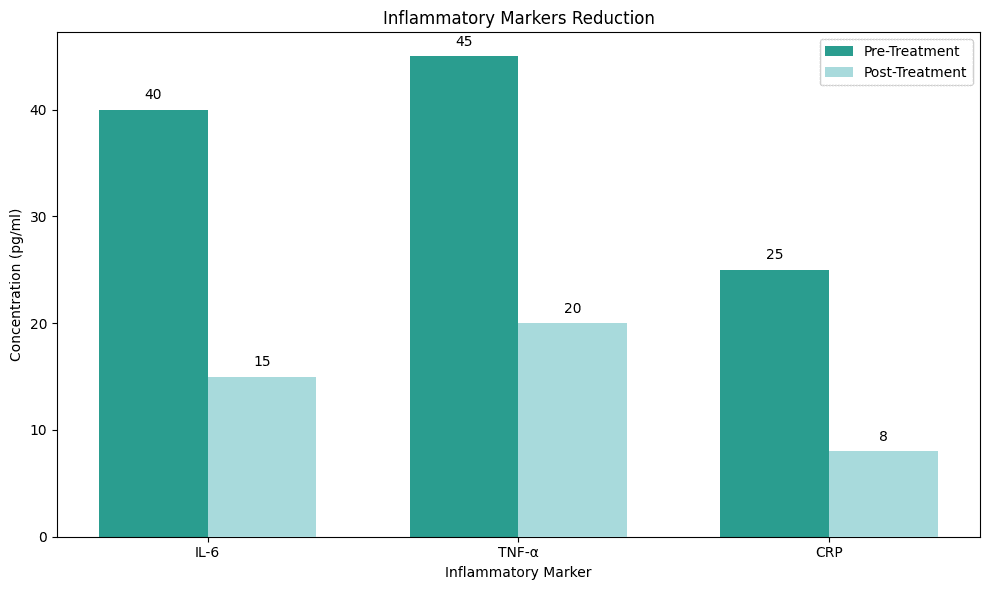
Laser therapy, particularly photobiomodulation therapy (PBMT), has shown efficacy in treating both acute and chronic injuries. For acute injuries, PBMT can reduce inflammation and pain, facilitating quicker recovery. In chronic conditions, it aids in tissue repair and alleviates persistent pain.
4.2 Laser Therapy for Common Athletic Injuries
Laser therapy, particularly Class IV therapeutic lasers, has become a go-to treatment in sports medicine due to its ability to reduce pain, accelerate tissue repair, and minimize inflammation. Below are commonly treated sports injuries that respond effectively to laser therapy:
Tendonitis and Bursitis
Muscle Strains and Tears
Ligament Sprains (e.g., Ankle Sprains)
Stress Fractures and Bone Bruising
Plantar Fasciitis and Heel Pain
Tennis Elbow and Golfer’s Elbow (Lateral and Medial Epicondylitis)
Rotator Cuff Injuries
Patellar Tendinopathy (“Jumper’s Knee”)
Iliotibial (IT) Band Syndrome
4.3 Laser Therapy for Joint and Soft Tissue Recovery
Laser therapy plays a significant role in joint and soft tissue recovery by:
- Enhancing Blood Flow: Improved circulation delivers oxygen and nutrients essential for tissue repair.
- Reducing Inflammation: Laser therapy modulates inflammatory responses, decreasing swelling and associated pain.
- Accelerating Tissue Regeneration: By stimulating cellular activity, laser therapy promotes the regeneration of damaged tissues, leading to faster recovery times.
Incorporating laser therapy into rehabilitation protocols offers athletes a non-invasive option to expedite recovery, manage pain, and enhance overall performance.

5. How Laser Therapy Optimizes Post-Surgical Healing
Laser therapy plays a crucial role in enhancing post-surgical recovery by promoting faster tissue regeneration, reducing inflammation, and providing non-invasive pain relief. Using Class IV lasers, this therapy stimulates cellular processes such as ATP production in mitochondria, which accelerates tissue repair and collagen synthesis. By targeting the fibroblasts responsible for healing, laser therapy reduces swelling and pain, improving mobility and reducing reliance on pain medications. Clinical studies have shown that athletes who undergo laser therapy post-surgery experience quicker recovery times and reduced inflammation compared to traditional methods. This makes it an invaluable tool for athletes looking to return to peak performance after surgery.
6. Latest Research: Laser Therapy in Sports Medicine
6.1 Peer-Reviewed Studies on Athletic Recovery
Numerous studies have investigated the effects of laser therapy on athletic recovery. According to a meta-analysis published in the National Institutes of Health (NIH), laser therapy significantly reduced recovery time for athletes experiencing both acute and chronic injuries. A study analyzed the effectiveness of Class IV laser therapy for sprains, strains, and tendonitis in athletes. Results indicated that athletes who received laser treatments showed significant improvement in pain reduction and tissue repair when compared to the control group. Another significant study demonstrated that laser therapy accelerates muscle recovery and restores muscle strength faster after intense workouts or injury.
6.2 Evidence of Faster Recovery Times
Laser therapy’s ability to accelerate recovery has been consistently confirmed by various studies. According to a 2021 randomized control trial, athletes who underwent laser therapy showed 28% faster recovery times compared to those who received traditional physiotherapy treatments. This rapid recovery was due to the laser’s effects on enhanced cellular activity, collagen synthesis, and improved blood circulation. Laser therapy has also been shown to reduce downtime for athletes by enabling quicker tissue healing without the risk of over-reliance on medications. Studies confirmed that Class IV lasers provide a non-invasive alternative to treat conditions like tendonitis and muscle strains with reduced recovery periods.
6.3 Professional Guidelines and Endorsements
Professional sports medicine organizations have increasingly endorsed the use of laser therapy for athletic injuries. The American College of Sports Medicine (ACSM) has recognized laser therapy as a clinically viable treatment for musculoskeletal injuries, citing evidence of its ability to improve recovery and prevent re-injury. The International Olympic Committee (IOC) and National Athletic Trainers’ Association (NATA) recommend laser therapy in the rehabilitation of sports injuries, including post-surgical recovery, based on positive outcomes in clinical trials. In fact, laser therapy is frequently utilized by professional sports teams in the NFL, NBA, and NHL to treat muscle strains, joint injuries, and ligament sprains.
7. Closing Play: Don’t Sit Out—Pick One Now!
When selecting a laser therapy device, it’s essential to consider your specific therapeutic needs, budget, and desired features. Here are some notable options to guide your decision:
7.1 SMART Class 4 Laser Therapy Machine
Designed for deep tissue penetration, the SMART Class 4 Laser Therapy Machine offers a peak power of 30W, utilizing dual wavelengths of 810nm and 980nm. It features 10 preset protocols tailored for various pain areas, ensuring efficient and convenient treatments. The device boasts a user-friendly interface with a high-definition touchscreen and a service life exceeding 10,000 hours, making it a durable choice for clinical settings.
7.2 PowerCure Pro Handheld Cold Laser Therapy Device

For at-home therapy, the PowerCure Pro provides a portable solution with a peak power output of 1060mW, emitting wavelengths of 808nm and 650nm. It’s designed for ease of use, suitable for treating conditions like back pain, joint pain, arthritis, sciatica, carpal tunnel syndrome, and plantar fasciitis. The device includes safety features such as protective goggles and is backed by a warranty for peace of mind.
7.3 SMART ICE Laser Therapy System
Ideal for clinics and rehabilitation centers, the SMART ICE Laser Therapy System offers high-powered therapy with adjustable settings ranging from 30W to 60W. It utilizes up to four wavelengths (635nm, 810nm, 915nm, and 980nm) for comprehensive treatment options, including continuous wave and pulsed modes. The system also features thermal imaging for precise treatment and cloud management for efficient patient data storage.
7.4 Making Your Choice
When selecting a laser therapy device, assess factors such as treatment area size, required power output, portability, and specific therapeutic needs. For clinical environments, devices like the SMART Class 4 Laser Therapy Machine and SMART ICE Laser Therapy System offer robust features for diverse treatments. For personal use, the PowerCure Pro provides a convenient and effective solution. Consulting with a healthcare professional can also provide personalized recommendations based on individual requirements.
8. Questions to Ask Before Starting Treatment
Q1. Can laser therapy help with long-term injuries?
Yes, laser therapy is effective for chronic injuries. It stimulates cellular regeneration, addressing issues like scar tissue and inflammation, even after years of pain.
Q2. How quickly will I feel results?
Some feel immediate relief; however, noticeable improvement typically occurs after 2-3 sessions, as healing progresses at a cellular level.
Q3. How does it compare to injections or surgery?
Laser therapy is non-invasive and free from the side effects of steroid injections or the recovery time required after surgery. It promotes healing without scarring.
Q4. Can it prevent future injuries?
Yes, laser therapy enhances muscle flexibility, joint mobility, and circulation, reducing the risk of re-injury by optimizing tissue repair.
Q5. Will it work for my specific injury?
Laser therapy is customizable. A professional will tailor the treatment based on your injury type, whether it’s muscle strain or joint inflammation.
Q6. How does it speed up tendon healing?
By improving circulation and boosting collagen production, laser therapy accelerates healing for tendon injuries, cutting recovery time by up to 50%.
Q7. How can I track progress?
Your therapist can use pain assessments or range of motion tests to track improvement and adjust treatment plans as needed.
Q8. Should I avoid activities during treatment?
While no downtime is required, avoid high-impact activities that could worsen your injury. Focus on gentle stretching and mobility exercises for optimal healing.
 English
 العربية
 Français
 日本語
日本語 Português
 Español
 Русский
 Deutsch