

Page Contents
Wound healing is a complex, multifaceted process that requires an array of biological activities such as tissue regeneration, inflammation modulation, and collagen production. While traditional wound healing methods have their place, recent advances in medical technology, particularly laser therapy, have revolutionized the way wounds are treated. Laser therapy offers an effective, non-invasive alternative to promote faster and more efficient wound healing. This article will explore how laser therapy works, its applications for various types of wounds, and the compelling benefits it offers in accelerating healing at the speed of light.
1. Introduction: Understanding the Power of Laser Therapy in Wound Healing
Laser therapy, including both low-level and high-intensity types, has become an increasingly important treatment for accelerating wound healing. This section will delve into what laser therapy is, why it is beneficial for wound healing, and how it works at the cellular level to enhance tissue repair and recovery.
1.1 What is Laser Therapy?
Laser therapy refers to the use of different types of laser light to treat various medical conditions. This can include both low-level laser therapy (LLLT), which uses low-power lasers for therapeutic effects, and higher-intensity lasers, such as Class IV lasers, which are used for more intense treatments. In the context of wound healing, laser therapy uses controlled light energy to stimulate biological processes that promote faster tissue regeneration and repair. Unlike surgical lasers, therapeutic lasers are designed to have a non-thermal effect, meaning they do not cut or burn tissue but instead help accelerate the body’s natural healing processes.
1.2 Why Laser Therapy for Wound Healing?
Laser therapy plays a critical role in wound healing due to its ability to trigger photobiomodulation (PBM). This process involves the absorption of light by cells, leading to enhanced cellular function and accelerated tissue repair. Laser therapy has been proven to improve blood circulation, reduce inflammation, and stimulate collagen production—all essential components for effective wound healing. By increasing the metabolic activity of cells at the wound site, laser therapy encourages cellular regeneration and supports the repair of damaged tissues. Unlike conventional treatments, it provides non-invasive relief and encourages faster recovery, making it ideal for chronic wounds, burns, and post-surgical recovery.
1.3 How Laser Therapy Works for Wound Healing
Laser therapy works by applying light energy to the damaged tissue, where it is absorbed by mitochondria, the powerhouse of cells. This absorption enhances adenosine triphosphate (ATP) production, providing cells with the energy needed to repair tissues, fight infection, and regenerate cells more efficiently. The main mechanisms through which laser therapy supports wound healing include:
- Increased cellular metabolism: Light energy stimulates cells to accelerate healing processes by producing more ATP.
- Improved blood circulation: Laser therapy enhances circulation, ensuring better oxygen and nutrient delivery to the wound area, which is crucial for tissue repair.
- Collagen synthesis: Collagen is vital for tissue repair and scar formation. Laser therapy promotes collagen production, helping to rebuild damaged tissue and reduce scarring.
By stimulating these biological processes, laser therapy promotes faster recovery, reduces healing time, and improves overall wound closure.
2. Classifying Wounds: How Laser Therapy Impacts Different Wound Types
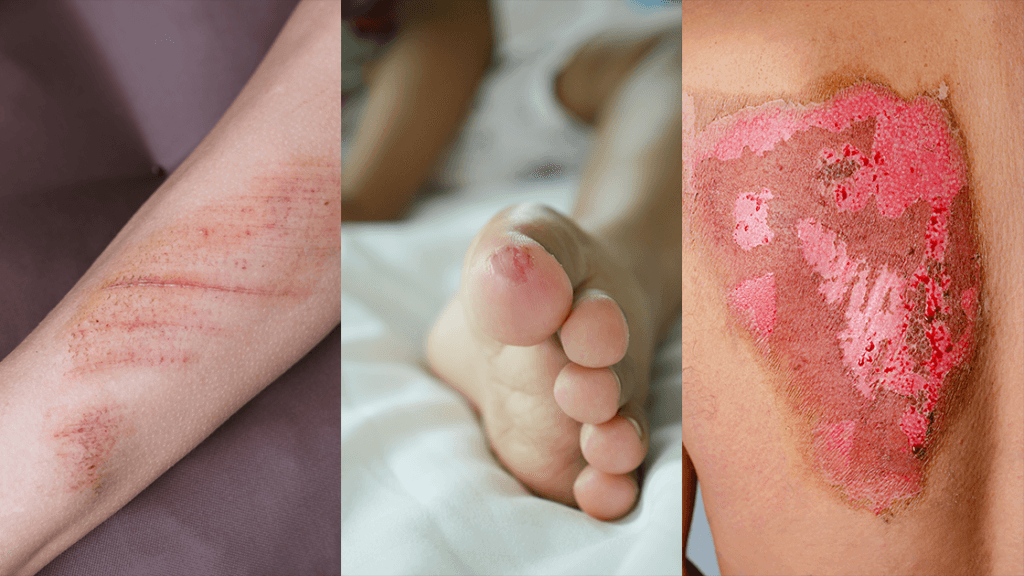
Laser therapy can be applied to a wide variety of wound types, from minor cuts to chronic ulcers. Its effectiveness is often determined by the type and severity of the wound, as well as the underlying health conditions of the patient. Below, we examine how laser therapy works for different types of wounds.
2.1 Chronic Wounds: The Persistent Healers
Chronic wounds, such as diabetic ulcers or venous leg ulcers, can be extremely difficult to heal due to impaired circulation and prolonged inflammation. Laser therapy helps by stimulating the production of growth factors, improving blood flow, and encouraging tissue regeneration. Studies have shown that laser therapy can accelerate the healing of chronic wounds, with some patients experiencing a 30-50% faster healing rate compared to traditional treatments. In diabetic ulcers, for instance, laser therapy has been found to improve microcirculation in the affected area, which helps reduce tissue hypoxia (low oxygen levels), a common cause of delayed healing. Moreover, laser therapy reduces inflammation, which can persist in chronic wounds, further speeding up recovery.
2.2 Acute Wounds: Quick and Efficient Recovery
Acute wounds, such as surgical incisions or traumatic cuts, benefit significantly from laser therapy due to its ability to stimulate the healing process from the onset. The light energy stimulates collagen production, promotes tissue repair, and reduces the risk of infection. For surgical wounds, laser therapy can reduce post-operative pain and swelling, and speed up the closure of the wound. In clinical settings, laser therapy has been shown to reduce wound closure times by up to 40% in acute surgical wounds compared to conventional care.
2.3 Burns: Healing from the Inside Out
Laser therapy plays a critical role in the recovery of burn victims. Burns, particularly second and third-degree burns, often result in significant tissue damage, inflammation, and scarring. Laser therapy promotes healing by reducing inflammation and stimulating tissue regeneration. It helps with collagen remodeling, which reduces the formation of hypertrophic scars, often a concern for burn victims. Studies have shown that laser therapy can significantly improve scar elasticity and minimize contractures, making it an effective treatment for burn patients. In fact, some studies have reported a 60% reduction in scar tissue formation when laser therapy is applied in the early stages of burn recovery.
3. How Laser Therapy Promotes Cellular and Tissue Healing
The healing effects of laser therapy are based on the scientific principles of photobiomodulation (PBM). PBM uses light to interact with tissues and cells, resulting in biochemical changes that stimulate healing processes.
3.1 Photobiomodulation: The Science Behind Light Energy
When light of specific wavelengths (typically between 600 and 1000 nm) is absorbed by cells, it leads to an increase in mitochondrial activity. Mitochondria are the powerhouses of the cell, producing ATP, which is the primary energy source for cellular processes. By increasing ATP production, laser therapy enhances the regenerative capacity of cells, speeding up tissue repair and regeneration.
3.2 Increasing Blood Circulation and Oxygen Delivery
Laser therapy improves circulation in the treated area, which is critical for wound healing. Enhanced blood flow ensures that the tissues receive more oxygen, nutrients, and growth factors essential for healing. Additionally, the increase in blood circulation helps remove metabolic waste products from the site of the wound, further accelerating the healing process.
3.3 Collagen Synthesis and Tissue Repair
Collagen is the primary protein involved in tissue repair and wound healing. Laser therapy stimulates the production of collagen in the affected area, which aids in the formation of new, healthy tissue. This process is particularly important for wounds that involve significant tissue damage, such as burns or surgical wounds. By enhancing collagen synthesis, laser therapy helps in the formation of strong, functional tissue that is more resistant to infection and injury.
4. Clinical Evidence and Success Stories: Laser Therapy in Action
4.1 Case Studies in Chronic Wounds
Chronic wounds, such as diabetic foot ulcers, often involve slow healing due to inadequate blood flow and persistent inflammation. In clinical studies, laser therapy has demonstrated significant improvement in healing rates. A study in the Journal of Wound Care found that diabetic foot ulcer patients who received laser therapy had a 40% faster healing time. Laser therapy stimulates collagen production, boosts blood flow, and promotes new blood vessel growth, which all enhance healing.
4.2 Laser Therapy for Post-Surgical Wounds
Post-surgical wounds can often be slow to heal, leading to complications like infection or scarring. A study in Lasers in Medical Science showed that laser therapy could accelerate the healing of surgical wounds by reducing inflammation, promoting faster tissue regeneration, and minimizing scar formation. Laser therapy helps by stimulating fibroblast activity, which is crucial for collagen synthesis and wound repair. Patients who received laser therapy after surgery demonstrated quicker recovery times and a reduction in postoperative complications.
4.3 Laser Therapy in Burn Victims: A Game Changer
Laser therapy has proven to be a revolutionary treatment for burn victims, aiding in both pain relief and wound healing. In a study involving burn patients, laser therapy accelerated wound closure and reduced scar tissue formation. It works by improving circulation and encouraging cellular regeneration, speeding up the body’s natural healing process. For burn victims, this therapy reduces recovery time and promotes better cosmetic outcomes, providing them with both physical and emotional relief.
5. Benefits of Laser Therapy: Why It’s the Future of Wound Healing
5.1 Faster Recovery and Reduced Healing Times
Laser therapy significantly reduces healing times by stimulating the body’s natural healing processes. Studies have shown that wounds treated with laser therapy heal up to 40% faster than untreated wounds. By increasing blood flow and promoting collagen production, laser therapy accelerates tissue regeneration, reducing the overall recovery period for patients. Faster healing also reduces the risk of infection and complications.
5.2 Non-Invasive and Painless Healing
One of the major advantages of laser therapy is that it is non-invasive and virtually painless. Unlike surgical interventions or other aggressive treatments, laser therapy is performed without cutting or injecting, making it a preferred option for many patients. The procedure is comfortable, with most patients reporting no pain or only mild discomfort. This non-invasive nature reduces the risk of scarring and infection, offering a gentle yet effective solution for wound care.
5.3 Cost-Effectiveness and Accessibility
Laser therapy is also a cost-effective treatment option compared to traditional wound care methods. Though some laser treatments may initially seem expensive, their ability to shorten recovery times and reduce complications means fewer follow-up visits and less need for expensive medications. Additionally, as laser technology becomes more advanced and widespread, access to affordable laser therapy is increasing, making it an attractive option for patients and healthcare providers alike.
6. Safety, Risks, and Considerations in Laser Therapy for Wounds
6.1 Safety Protocols and Best Practices
Laser therapy for wound healing is generally safe when used according to established protocols. The most important safety measures include proper calibration of the laser device, accurate application to the treatment area, and the use of appropriate protective gear. Healthcare providers must be trained in laser safety to prevent accidental exposure to high-intensity light, which could cause damage to surrounding tissues.
6.2 Potential Side Effects and Limitations
While rare, some patients may experience mild side effects, such as redness, swelling, or irritation at the treatment site. In more extreme cases, improper use of the laser or excessive exposure to the light can lead to burns or tissue damage. Therefore, it is crucial for healthcare providers to adhere to safety guidelines and for patients to be properly monitored during treatment.
6.3 Long-Term Results and Monitoring
The long-term effectiveness of laser therapy depends on several factors, including the type of wound, the patient’s overall health, and the frequency of treatment. For chronic wounds, long-term monitoring is essential to ensure optimal healing. In some cases, continued laser therapy may be needed to maintain tissue regeneration and prevent wound recurrence.
7. The Future of Laser Therapy in Wound Healing
7.1 Advancements in Laser Technology
As technology evolves, so does the capability of laser therapy. Newer systems offer higher precision, more powerful wavelengths, and better control over treatment parameters, making it easier for clinicians to customize therapies for individual patients. Researchers are also exploring combination therapies that pair lasers with other wound care technologies to enhance outcomes even further.
7.2 Integration into Holistic Wound Care
Laser therapy is increasingly being integrated into holistic wound care plans that include nutrition, lifestyle changes, and physical therapy. By complementing other treatments, laser therapy contributes to a comprehensive approach to wound healing that promotes both physical and emotional well-being.
7.3 Home Use Devices: Laser Therapy at Your Fingertips
The development of home-use laser devices is changing the landscape of wound care. These portable, user-friendly devices allow patients to manage their wound care from the comfort of their own homes. While these devices are generally lower-powered than clinical systems, they still offer significant benefits in accelerating healing, reducing pain, and promoting tissue regeneration.
8. Final Takeaways
Laser therapy is rapidly becoming a cornerstone of modern wound care, providing fast, effective, and non-invasive solutions for both chronic and acute wounds. With its ability to accelerate healing, reduce pain, and promote tissue regeneration, laser therapy is shaping the future of wound care. As technology advances, laser therapy will become even more accessible, offering patients a valuable tool for managing and healing their wounds.
9. References
Use of a High-Power Laser for Wound Healing: A Case Report:
https://pmc.ncbi.nlm.nih.gov/articles/PMC7008737
Low-Level Laser Therapy Facilitates Superficial Wound Healing in Humans: A Triple-Blind, Sham-Controlled Study:
 English
 العربية
 Français
 日本語
日本語 Português
 Español
 Русский
 Deutsch