

Page Contents
1. Introduction
Joint dislocations represent one of the most challenging orthopedic conditions, affecting millions of individuals worldwide and requiring comprehensive treatment approaches that address both immediate stabilization and long-term recovery. As the field of regenerative medicine continues to evolve, healthcare providers are increasingly turning to innovative therapeutic modalities that can enhance traditional treatment protocols while minimizing patient discomfort and recovery time.
1.1 What Are Joint Dislocations?
Joint dislocations occur when the articulating surfaces of bones within a joint are completely displaced from their normal anatomical position, resulting in loss of joint congruity and functional integrity. This traumatic condition involves significant damage to periarticular soft tissues, including ligaments, joint capsules, cartilage, and surrounding musculature. The pathophysiology of joint dislocations encompasses immediate mechanical trauma, followed by a complex cascade of inflammatory responses that can persist for weeks or months after the initial injury. The biomechanical forces required to cause joint dislocation typically exceed the tensile strength of supporting ligamentous structures, leading to partial or complete rupture of these stabilizing elements. This disruption creates instability patterns that may predispose patients to recurrent dislocations if not properly addressed through comprehensive rehabilitation protocols. Understanding the intricate relationship between anatomical structures and their healing responses is crucial for developing effective treatment strategies.
1.2 Why Class IV Laser Therapy Is Emerging in Orthopedic Care
The emergence of Class IV laser therapy in orthopedic medicine represents a paradigm shift toward non-invasive, evidence-based interventions that target the fundamental cellular processes underlying tissue repair and regeneration. Unlike traditional treatment modalities that primarily focus on symptom management, laser therapy addresses the underlying pathophysiological mechanisms of tissue damage through photobiomodulation (PBM), a process that directly influences cellular metabolism and healing cascades. Recent advances in laser technology have resulted in over 5000 clinical studies demonstrating the efficacy of photobiomodulation therapy, with mounting evidence supporting its integration into comprehensive orthopedic treatment protocols. The ability of Class IV lasers to deliver therapeutic doses of photonic energy deep into injured tissues makes them particularly well-suited for treating the complex soft tissue injuries associated with joint dislocations.
2. Understanding Dislocations and Their Impact
The comprehensive understanding of joint dislocations requires examination of both their immediate traumatic effects and long-term consequences on joint function and patient quality of life. Each type of dislocation presents unique anatomical challenges and requires specialized treatment approaches based on the specific biomechanical properties of the affected joint structure.
2.1 Common Types of Joint Dislocations
Joint dislocations can be classified according to their anatomical location, mechanism of injury, and degree of displacement. The most frequently encountered dislocations in clinical practice involve major weight-bearing and highly mobile joints, each presenting distinct therapeutic challenges and recovery timelines.
2.1.1 Shoulder Dislocation
Glenohumeral joint dislocations represent approximately 50% of all joint dislocations encountered in emergency medicine, primarily affecting individuals engaged in contact sports or high-risk activities. The shoulder’s remarkable range of motion is achieved through a delicate balance of static stabilizers (including the glenoid labrum, joint capsule, and glenohumeral ligaments) and dynamic stabilizers (rotator cuff muscles and scapular stabilizers). When this balance is disrupted through traumatic dislocation, the resulting injury pattern typically involves multiple tissue types simultaneously. Anterior shoulder dislocations, accounting for 95% of all glenohumeral dislocations, occur when the humeral head is forced anteriorly and inferiorly out of the glenoid fossa. This mechanism commonly results in Bankart lesions (anteroinferior labral tears), Hill-Sachs lesions (posterolateral humeral head compression fractures), and capsular stretching or tearing. The complex three-dimensional nature of these injuries creates significant challenges for conventional treatment approaches and highlights the potential benefits of therapies that can simultaneously address multiple tissue types.
2.1.2 Hip Dislocation
Hip dislocations are relatively uncommon but represent true orthopedic emergencies because of the risk of avascular necrosis and related complications. The hip joint’s deep ball-and-socket design, along with strong capsular and ligament support, provides inherent stability. Dislocation usually requires high-energy trauma, such as motor vehicle accidents or significant falls. Posterior hip dislocations make up about 90% of cases and are often linked with acetabular fractures or femoral head injuries. The sciatic nerve lies close to the posterior hip and may be injured, with neurological issues in 10–20% of cases. Reduction within six hours is critical, and the complexity of soft tissue damage makes adjunctive therapies valuable for enhancing healing and reducing inflammation.
2.1.3 Knee and Patella Dislocation
Knee joint dislocations are among the most devastating orthopedic injuries, involving disruption of multiple ligamentous structures and potentially compromising neurovascular integrity. Complete knee dislocations typically require rupture of at least three of the four major ligament complexes: the anterior cruciate ligament (ACL), posterior cruciate ligament (PCL), medial collateral ligament (MCL), and lateral collateral ligament (LCL). The resulting instability patterns are complex and often require surgical reconstruction followed by extensive rehabilitation. Patellar dislocations, while less severe than complete knee dislocations, present unique challenges due to the patella’s critical role in knee biomechanics and quadriceps function. Lateral patellar dislocations commonly result in medial patellofemoral ligament (MPFL) rupture, chondral injuries, and significant hemarthrosis. The high recurrence rate of patellar dislocations, particularly in young athletes, underscores the importance of comprehensive treatment approaches that address both structural damage and neuromuscular control deficits.
2.1.4 Ankle and Finger Dislocation
Ankle dislocations, though less common than other major joint dislocations, often involve significant soft tissue damage and carry risks of long-term complications including post-traumatic arthritis and chronic instability. The ankle’s complex anatomy, involving the tibiotalar, subtalar, and syndesmotic joints, means that dislocations frequently involve multiple articulations and extensive ligamentous damage. Finger joint dislocations, while generally less severe than major joint dislocations, can result in significant functional impairment if not properly managed. The intricate balance of flexor and extensor mechanisms, combined with complex ligamentous support structures, makes finger joints susceptible to chronic instability and stiffness following dislocation injuries.
2.2 Conventional Treatments for Joint Dislocations
Traditional management of joint dislocations follows established protocols that prioritize joint reduction, immobilization, and graduated rehabilitation. While these approaches have proven effective for achieving initial stabilization and preventing major complications, they often fall short in addressing the complex cellular and molecular processes underlying optimal tissue healing.
2.2.1 Closed Reduction and Immobilization
Closed reduction remains the primary initial treatment for most joint dislocations, involving manipulation of the joint to restore normal anatomical alignment without surgical intervention. This procedure must be performed expeditiously to minimize the risk of neurovascular complications and optimize outcomes. However, the reduction process itself can cause additional soft tissue trauma, potentially exacerbating the inflammatory response and prolonging recovery times. Post-reduction immobilization serves multiple purposes, including pain relief, prevention of re-dislocation, and protection of healing tissues. However, prolonged immobilization can lead to adverse effects including muscle atrophy, joint stiffness, cartilage degeneration, and decreased proprioceptive function. The challenge lies in balancing adequate protection of healing tissues with early mobilization to prevent these deleterious effects.
2.2.2 Surgical Interventions
Surgical management of joint dislocations is indicated when closed reduction is not possible or when significant associated injuries require operative treatment. Arthroscopic and open surgical techniques allow for direct visualization and repair of damaged structures, including labral tears, ligament ruptures, and osteochondral injuries. However, surgical intervention introduces additional tissue trauma and inflammatory responses that can impact healing timelines. Post-surgical rehabilitation protocols must carefully balance tissue protection with progressive mobilization to restore function while minimizing the risk of re-injury. The integration of adjunctive therapies that can enhance tissue healing and reduce post-operative inflammation represents an important opportunity to optimize surgical outcomes.
2.2.3 Physical Therapy and Rehabilitation
Rehabilitation following joint dislocation involves a systematic approach to restoring range of motion, strength, proprioception, and functional movement patterns. Traditional physical therapy protocols typically progress through phases of protection, mobilization, strengthening, and return to activity. While these approaches have demonstrated effectiveness in achieving functional outcomes, the timeline for complete recovery often extends over many months. The inflammatory response following joint dislocation can persist for extended periods, potentially interfering with the rehabilitation process and contributing to chronic pain and dysfunction. Conventional anti-inflammatory treatments, including NSAIDs and corticosteroid injections, carry potential side effects and may actually interfere with certain aspects of tissue healing.
3. What is Class IV Laser Therapy?
The evolution of laser technology in healthcare has led to the development of increasingly sophisticated therapeutic devices capable of delivering precise doses of photonic energy to target tissues. Class IV laser therapy represents the culmination of decades of research into photobiomodulation, offering clinicians a powerful tool for enhancing natural healing processes at the cellular level.
3.1 What Makes Class IV Laser Therapy Unique?
Class IV laser therapy distinguishes itself from other laser classifications through its ability to deliver therapeutic power outputs exceeding 500 milliwatts, enabling deep tissue penetration and clinically significant photobiomodulation effects. This classification represents the highest power category for therapeutic lasers, allowing for treatment of conditions involving deeper anatomical structures that are inaccessible to lower-power laser systems. The unique characteristics of Class IV lasers include their ability to deliver controlled thermal effects in addition to photochemical responses, creating a dual mechanism of action that enhances therapeutic outcomes. The higher power output allows for shorter treatment times while maintaining therapeutic effectiveness, improving patient compliance and clinical efficiency. Additionally, the increased penetration depth enables treatment of larger joints and deeper soft tissue structures that are commonly affected in dislocation injuries.
3.2 How Class IV Laser Therapy Differs from Class III (Cold Laser Therapy)
The distinction between Class III and Class IV laser therapy extends beyond power output, involving differences in therapeutic mechanisms, treatment depth, and clinical applications. Class III devices, or “cold lasers,” typically operate below 500 milliwatts and are limited to superficial tissues. Many studies on low-level laser therapy have shown inconsistent results, largely due to insufficient power and inadequate treatment durations. In contrast, Class IV lasers deliver higher power outputs that allow deeper tissue penetration and more effective photobiomodulation. Importantly, they also generate controlled thermal effects, which enhance circulation, cellular metabolism, and tissue repair. Unlike Class III systems, which rely solely on photochemical effects, Class IV lasers combine photochemical and thermal mechanisms, producing synergistic responses. This dual action leads to faster recovery, reduced pain, and improved clinical outcomes, making Class IV therapy more effective for musculoskeletal injuries, including dislocations.
3.3 Mechanism of Action: How Laser Therapy Heals Tissue
The therapeutic effects of Class IV laser therapy result from complex interactions between photonic energy and cellular components, initiating cascades of biological responses that promote tissue repair and regeneration. Understanding these mechanisms is crucial for optimizing treatment protocols and achieving maximum therapeutic benefit.
3.3.1 Photobiomodulation and Cellular Regeneration
Photobiomodulation occurs when photons enter tissue and interact with the cytochrome c complex within mitochondria, triggering a biological cascade that enhances cellular function and promotes healing. This process involves the absorption of specific wavelengths of light by cellular chromophores, primarily cytochrome c oxidase in the mitochondrial respiratory chain. The interaction between photonic energy and cytochrome c oxidase leads to increased electron transport efficiency and enhanced mitochondrial function. This improvement in mitochondrial performance results in increased cellular energy production, enhanced protein synthesis, and improved cellular repair mechanisms. The specificity of this interaction explains why certain wavelengths are more therapeutically effective than others. Cellular regeneration processes are enhanced through multiple pathways, including increased DNA and RNA synthesis, enhanced collagen production, and improved cellular proliferation rates. These effects are particularly beneficial for healing the complex soft tissue injuries associated with joint dislocations, where multiple tissue types must be simultaneously repaired and regenerated.
3.3.2 ATP Production and Enhanced Healing
Laser therapy promotes healing by stimulating mitochondria to increase adenosine triphosphate (ATP) production, the primary energy source for cellular processes. Elevated ATP availability enhances critical functions such as protein synthesis, membrane transport, and cellular division—key mechanisms for repairing tissues after traumatic injuries like dislocations. This boost in energy creates an optimal environment for accelerated healing, particularly during the early phases when metabolic demands are highest. Beyond immediate effects, photobiomodulation produces a sustained increase in ATP, supporting long-term repair and maintaining cellular function throughout recovery. By improving cellular metabolism and energy efficiency, laser therapy helps reduce recovery time, enhances tissue regeneration, and strengthens overall healing capacity. This mechanism highlights why Class IV laser therapy is considered highly effective in promoting tissue repair and functional restoration following musculoskeletal injuries.
3.3.3 Anti-Inflammatory and Analgesic Effects
Photobiomodulation is used to resolve inflammation and relieve pain, while increasing the speed, quality and tensile strength of tissue repair. The anti-inflammatory effects of Class IV laser therapy occur through multiple mechanisms, including modulation of inflammatory mediator production, enhancement of lymphatic drainage, and promotion of resolution-phase inflammatory responses. The reduction of pro-inflammatory cytokines and increase in anti-inflammatory mediators creates a more favorable environment for tissue healing. This modulation of the inflammatory response helps prevent excessive scar tissue formation while promoting organized tissue repair. The analgesic effects result from both direct neurological modulation and indirect effects through inflammation reduction and enhanced healing. The combination of anti-inflammatory and analgesic effects provides significant clinical benefits for patients recovering from joint dislocations. Pain reduction improves patient compliance with rehabilitation protocols, while inflammation control prevents excessive scar tissue formation and promotes optimal tissue healing patterns.
4. Effectiveness of Class IV Laser Therapy for Dislocations
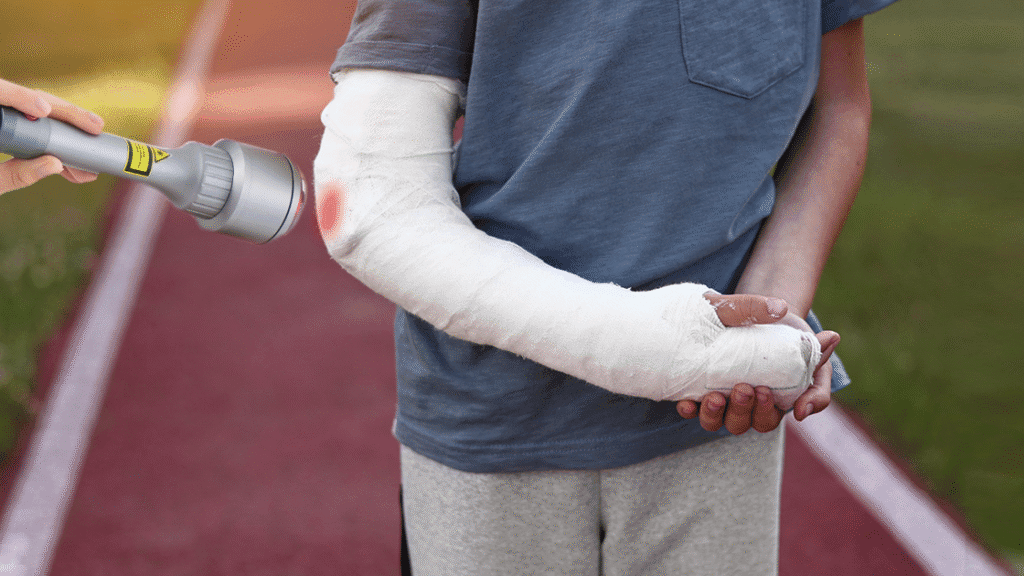
The clinical effectiveness of Class IV laser therapy for joint dislocations has been demonstrated through multiple mechanisms of action that address the complex pathophysiology of these injuries. The ability to simultaneously target multiple aspects of the healing process makes laser therapy particularly well-suited for the multifaceted challenges presented by dislocation injuries.
4.1 Pain Reduction and Inflammation Control
Effective pain management is essential after a joint dislocation, as uncontrolled pain can hinder mobility and slow rehabilitation. Class IV laser therapy reduces pain through both neurological modulation and improvements in tissue healing. Neurologically, it influences nerve conduction, alters pain gate mechanisms, and stimulates endogenous opioid release, providing immediate relief that complements traditional medications while reducing reliance on drugs. Indirectly, its anti-inflammatory effects lower pain-generating mediators and create an environment that supports faster tissue repair. The non-invasive nature of Class IV therapy makes it especially suitable for patients who cannot tolerate or do not respond well to conventional pain management. Clinical research shows that 10W Class IV laser systems can provide significant and lasting relief in musculoskeletal conditions, reinforcing their role in managing both acute and persistent pain after dislocations. By combining pain reduction with enhanced healing, laser therapy supports more effective recovery and earlier return to function.
4.2 Accelerated Recovery of Soft Tissue and Ligament Injuries
The complex soft tissue injuries associated with joint dislocations require comprehensive healing responses involving multiple tissue types simultaneously. Class IV laser therapy enhances recovery through mechanisms that promote cellular proliferation, enhance collagen synthesis, and improve tissue organization during the healing process. Ligament healing following dislocation injury occurs through three distinct phases: inflammatory, proliferative, and remodeling. Class IV laser therapy has been shown to positively influence each of these phases by modulating inflammatory responses, enhancing cellular activity during proliferation, and promoting organized collagen deposition during remodeling. The result is stronger, more functional tissue that is less prone to re-injury. Research has demonstrated that laser therapy is an effective, noninvasive treatment modality that can increase blood flow and enhance tissue healing. Improved vascularization of healing tissues ensures adequate nutrient delivery and waste removal, creating optimal conditions for tissue repair and regeneration.
4.3 Improved Joint Function and Range of Motion
Restoring joint function after a dislocation requires both tissue healing and prevention of complications such as adhesions and contractures. Class IV laser therapy supports recovery by enhancing cellular metabolism and promoting organized tissue repair, which helps limit excessive scar tissue that can restrict mobility. Its anti-inflammatory effects reduce adhesion formation and maintain tissue flexibility, allowing better preservation of joint space during healing. Beyond structural benefits, laser therapy also improves neurological function. By reducing pain and modulating nerve activity, it enhances proprioception— the body’s ability to sense joint position and movement. Stronger proprioceptive feedback improves joint stability, supports functional movement patterns, and lowers the risk of re-injury. Together, these effects contribute to faster restoration of mobility, improved flexibility, and better long-term outcomes for patients recovering from joint dislocations.
4.4 Minimizing Scar Tissue Formation
Excessive scar tissue formation represents one of the most significant long-term complications following joint dislocation, potentially leading to chronic stiffness, pain, and functional limitation. Class IV laser therapy helps minimize pathological scar formation while promoting organized tissue repair that maintains mechanical properties similar to native tissue. The modulation of inflammatory responses achieved through photobiomodulation prevents the excessive collagen deposition that characterizes pathological scar formation. By promoting resolution-phase inflammatory responses and enhancing organized tissue repair, laser therapy helps ensure that healing tissue maintains appropriate mechanical properties and functional capacity. The prevention of excessive scar tissue formation is particularly important in joint structures where mobility and flexibility are critical for function. By promoting organized healing with minimal scar tissue formation, Class IV laser therapy helps preserve joint mechanics and reduces the likelihood of long-term functional limitations.
5. Evidence-Based Research and Clinical Studies
The scientific foundation supporting Class IV laser therapy for musculoskeletal conditions continues to expand, with peer-reviewed research demonstrating consistent benefits across a wide range of applications. The growing body of evidence provides clinicians with confidence in integrating laser therapy into comprehensive treatment protocols for joint dislocations.
5.1 Peer-Reviewed Studies on Class IV Laser Therapy for Musculoskeletal Injuries
Over 5,000 clinical studies support the effectiveness of laser therapy and photobiomodulation for musculoskeletal conditions. Research highlights benefits such as pain reduction, inflammation control, and enhanced tissue repair. Systematic reviews and meta-analyses consistently report positive outcomes, with growing evidence strength due to improved study design and standardized measures in recent years. Dose-response relationships have also been established, guiding clinicians in selecting optimal energy levels and treatment durations for different injuries. This research base has led to the development of evidence-based guidelines, helping ensure consistent and reproducible outcomes across clinics. Collectively, these findings confirm Class IV laser therapy as a validated tool in orthopedic and rehabilitation medicine, supporting its integration into modern treatment protocols.
5.2 Clinical Results in Shoulder and Knee Dislocations
Clinical studies show that Class IV laser therapy enhances recovery after shoulder and knee dislocations. For shoulder instability, research demonstrates significant improvements in pain reduction, range of motion, and functional capacity when laser therapy is included in rehabilitation. Evidence from knee injury studies, though not always specific to dislocations, indicates benefits for ligamentous injuries similar in nature—such as faster healing, reduced inflammation, and better joint function. When combined with conventional physical therapy, these effects result in shortened recovery times and improved outcomes. Importantly, the consistent success of laser therapy across different joints suggests that its cellular healing mechanisms—improved circulation, reduced inflammation, and accelerated tissue repair—are broadly applicable. This generalizability supports its value as an adjunctive treatment in dislocation management.
5.3 Expert Opinions from Orthopedic Surgeons and Physical Therapists
Orthopedic surgeons and rehabilitation professionals increasingly endorse Class IV laser therapy as a valuable adjunct for complex musculoskeletal injuries. Surgeons highlight its usefulness post-operatively, where it reduces inflammation, accelerates wound healing, and minimizes complications. Early initiation of laser therapy can positively influence tissue repair during critical healing phases. Physical therapists emphasize improved patient compliance when laser therapy is included in rehabilitation, likely due to its pain relief and functional benefits. This improvement allows patients to tolerate more intensive rehabilitation programs without setbacks. Experts agree that while laser therapy should not replace conventional care, its integration into multidisciplinary treatment protocols provides measurable benefits in pain management, tissue repair, and functional recovery.
6. Patient Experiences and Case Studies
Real-world clinical experiences provide valuable insights into the practical applications and benefits of Class IV laser therapy for joint dislocation recovery. Patient testimonials and documented case studies offer perspectives that complement controlled research studies and help illustrate the potential for improved outcomes.
6.1 Real-Life Shoulder Dislocation Recovery with Class IV Laser Therapy
Case studies of shoulder dislocations treated with Class IV laser therapy show faster healing and better function compared to conventional care alone. Patients often experience significant pain reduction within a few sessions, enabling earlier rehabilitation. One example involved a 28-year-old athlete with an anterior shoulder dislocation and labral tear. With Class IV laser integrated into rehab, he returned to sport two weeks earlier than expected, with excellent outcomes at six months and no recurrence of instability. Beyond physical recovery, faster progress brings psychological benefits, especially for athletes and active individuals. Many report greater confidence and reduced anxiety about re-injury, supporting both physical and emotional aspects of recovery. These findings highlight Class IV laser therapy’s role in accelerating healing and enhancing quality of life in shoulder dislocation cases.
6.2 Athlete Testimonials: Faster Return to Sports with Class IV Laser Therapy
Athletes recovering from joint dislocations consistently report faster return to play with Class IV laser therapy. Both professional and amateur athletes highlight earlier recovery milestones, reduced risk of re-injury, and better performance upon return. A notable case involved a collegiate basketball player with a knee dislocation and multi-ligament injury. Incorporating Class IV laser therapy into post-surgical rehab allowed him to regain strength and range of motion earlier, returning to competition a month ahead of schedule. Faster pain relief and tissue healing also helped maintain cardiovascular fitness during recovery, preventing deconditioning common with long rehabilitation. These outcomes underline the therapy’s value for athletes, who often need safe, efficient recovery to resume training and competition at peak performance levels.
6.3 Quality of Life Improvements After Treatment
Class IV laser therapy benefits extend beyond clinical outcomes, with many patients reporting significant quality-of-life improvements. Pain reduction and enhanced neurological effects often lead to better sleep, which supports faster healing and overall well-being. Patients also report decreased dependence on pain medications, avoiding side effects and long-term dependency risks. Importantly, earlier return to daily activities reduces social isolation and emotional stress commonly linked to prolonged recovery. Many feel more confident in their progress, noting improved ability to engage in work, family, and recreational life during rehabilitation. By combining physical recovery with psychological and social benefits, Class IV laser therapy supports holistic healing, helping patients return to normal life more quickly and with greater resilience.
7. Key Takeaways: Is Class IV Laser Therapy Effective for Dislocations?
Class IV laser therapy shows strong promise as an effective adjunct in joint dislocation recovery, supported by basic science, clinical studies, and patient outcomes. Its effectiveness lies in addressing multiple aspects of dislocation pathology—pain, inflammation, tissue repair, and functional recovery—through the combined photobiomodulation and thermal effects. This multimodal action provides clear advantages over single-mechanism treatments. Safety is another strength; when delivered by trained professionals using proper protocols, Class IV therapy is non-invasive, well-tolerated, and suitable for patients across age groups and activity levels. Cost-effectiveness further supports its use, with benefits including shorter recovery timelines, reduced reliance on medications, fewer complications, and accessibility in outpatient settings. Optimal results depend on individualized treatment plans that account for injury severity, patient needs, and rehabilitation goals. Evidence suggests that early integration into recovery protocols maximizes benefits, positioning Class IV laser therapy as a valuable component of modern dislocation management.
 English
 العربية
 Français
 日本語
日本語 Português
 Español
 Русский
 Deutsch