
Page Contents
1. Introduction
Scar formation represents a complex biological process that, while essential for wound closure and tissue integrity, can result in significant functional and aesthetic challenges that impact patients’ quality of life and psychological well-being. The evolution of scar management has progressed from passive observation to active intervention, with laser therapy emerging as a transformative modality that addresses both the underlying pathophysiology and visible manifestations of various scar types. This technological advancement has fundamentally changed the approach to scar treatment, offering evidence-based solutions that were previously unavailable to patients and healthcare providers.
1.1 Understanding Different Types of Scars (Hypertrophic, Keloid, Atrophic, Surgical)
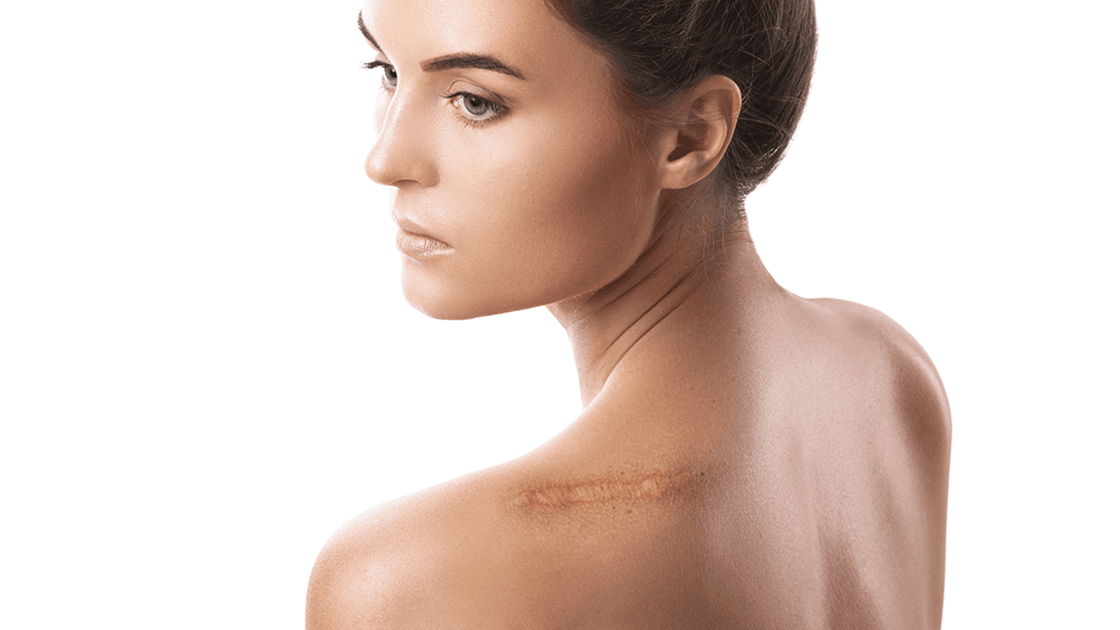
Scar classification is essential for appropriate treatment selection, as different scar types exhibit distinct pathophysiological characteristics and respond differently to therapeutic interventions. Hypertrophic scars develop within the original wound boundaries and are characterized by excessive collagen deposition with disorganized fiber architecture, resulting in raised, firm lesions that typically improve over time. Keloid scars extend beyond the original injury site due to aggressive fibroblast proliferation and aberrant collagen metabolism, creating progressively enlarging lesions with characteristic clinical appearance and tendency toward recurrence. Atrophic scars result from insufficient collagen production during healing, creating depressed areas below the surrounding skin level, commonly seen in acne scarring and certain surgical procedures. Surgical scars vary widely based on surgical technique, anatomical location, patient factors, and post-operative care, ranging from fine linear scars to problematic hypertrophic formations that compromise both function and appearance.
1.2 Common Challenges in Scar Healing and Rehabilitation
Traditional scar management approaches have historically faced significant limitations in addressing the complex pathophysiology underlying abnormal scar formation and maturation processes. Conventional treatments including pressure therapy, silicone sheets, corticosteroid injections, and topical agents often provide incomplete results, particularly for mature scars or those with significant fibrosis and contracture formation. Functional limitations frequently accompany problematic scars, including restricted range of motion, decreased tissue elasticity, pain, pruritis, and altered sensation that significantly impact daily activities and occupational function. The psychological burden of visible scarring affects self-esteem, social interactions, and quality of life measures, emphasizing the importance of achieving both functional and aesthetic improvement. Timing of intervention presents ongoing challenges, as early treatment may interfere with natural healing processes while delayed intervention may miss optimal treatment windows for maximum benefit.
1.3 How Class 4 Laser Therapy Enhances Traditional Scar Management
Class 4 laser therapy represents a paradigm shift in scar management by directly targeting the cellular and molecular mechanisms underlying abnormal scar formation and maturation. This advanced photobiomodulation technology utilizes high-power laser energy to penetrate deeply into tissues, stimulating cellular metabolism, promoting collagen remodeling, and modulating inflammatory processes that contribute to scar formation and persistence. Unlike passive treatments that rely on mechanical pressure or topical agents, Class 4 laser therapy actively modulates tissue healing processes through specific wavelengths and energy densities that optimize cellular responses. The integration of laser therapy with traditional approaches creates synergistic effects that enhance overall treatment outcomes while addressing limitations of individual modalities. This combined approach allows for more comprehensive scar management protocols that address both the underlying pathophysiology and functional consequences of abnormal scarring.
1.4 Key Benefits Overview: Faster Healing, Reduced Fibrosis, Improved Skin Texture, and Functional Recovery
The therapeutic advantages of Class 4 laser therapy in scar management encompass multiple domains of healing and recovery, addressing both immediate treatment goals and long-term functional outcomes. Accelerated healing occurs through enhanced cellular metabolism, increased ATP production, and stimulation of growth factor release that promotes tissue repair and regeneration processes. Reduced fibrosis results from laser-induced modulation of collagen synthesis and organization, promoting more normal tissue architecture and improved elasticity compared to untreated scars. Phototherapy takes advantage of the effects of cellular photobiomodulation to stimulate collagen production, which improves the general appearance of the skin. Improved skin texture and pigmentation occur through remodeling of dermal architecture and normalization of melanocyte function, resulting in scars that more closely match surrounding normal tissue. Functional recovery encompasses restoration of tissue elasticity, range of motion, and normal sensation, enabling patients to return to full activity levels and improved quality of life measures.
2. Laser Therapy Basics
The foundation of effective laser therapy for scar management rests on understanding the fundamental principles of photobiomodulation and how specific laser parameters interact with scar tissue to promote healing and remodeling. This knowledge base is essential for optimizing treatment protocols and achieving consistent clinical outcomes across diverse patient populations and scar types.
2.1 What is Class 4 Laser Therapy in Scar Management
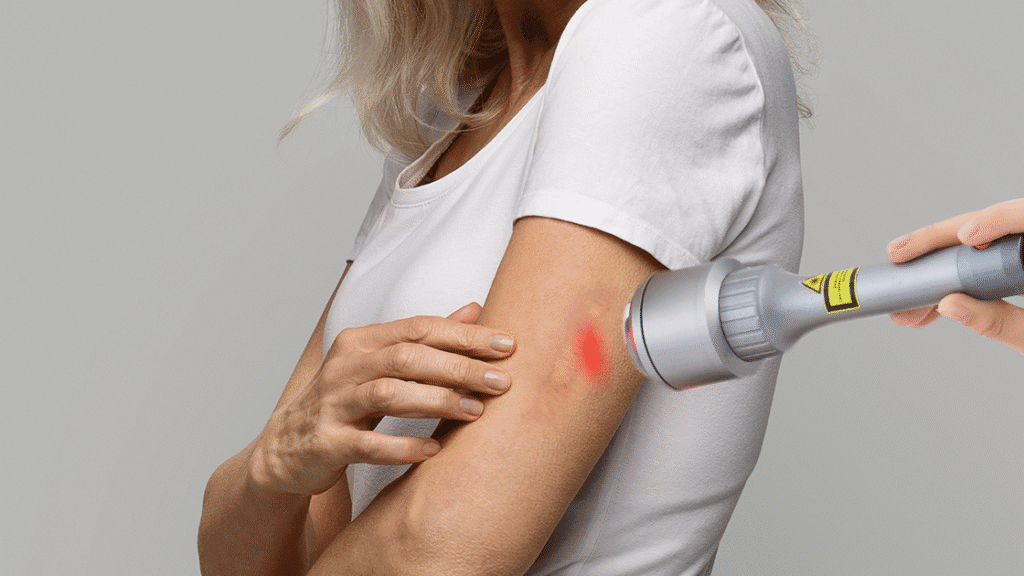
Class 4 laser therapy uses high-power systems (>500mW) delivering near-infrared light (780–1070nm) to scar tissue at therapeutic depths, from epidermis to deep dermis and subcutaneous layers. The high power allows photobiomodulation to stimulate tissue regeneration while controlled energy delivery and advanced cooling systems ensure safety. Class 4 lasers differ from lower-power devices due to their ability to reach effective tissue temperatures and penetration for scar remodeling. Treatment protocols specify energy density, exposure time, and precise beam delivery to maximize efficacy and minimize thermal damage. Safety features, including real-time temperature monitoring and interlocks, allow clinicians to deliver consistent therapeutic effects. This makes Class 4 laser therapy suitable for physiotherapy integration and scar rehabilitation programs, providing controlled, non-invasive intervention to enhance healing, reduce fibrosis, and improve both aesthetic and functional outcomes.
2.2 Mechanism of Action: Collagen Remodeling, Microvascular Stimulation, and Tissue Regeneration
Class 4 laser therapy promotes scar healing through photobiomodulation, targeting mitochondrial cytochrome c oxidase to increase ATP production, oxygen utilization, and cellular metabolism. Collagen remodeling occurs via matrix metalloproteinase activation, which breaks down disorganized fibers, while fibroblasts produce new, organized collagen. Microvascular stimulation improves perfusion through nitric oxide release, VEGF upregulation, and endothelial cell activation, enhancing angiogenesis. Laser therapy also modulates inflammatory mediators and stimulates growth factors like PDGF, TGF-β, and FGF, optimizing tissue regeneration and reducing excessive fibrosis. These mechanisms collectively improve scar pliability, elasticity, texture, and vascularization, making laser therapy effective for both functional recovery and aesthetic improvement. Integration with physiotherapy further enhances outcomes by combining tissue healing with exercises and mobility restoration, supporting long-term scar management.
2.3 Evidence Supporting Laser Therapy: Clinical Studies and Physiotherapy Integration
Class 4 laser therapy has robust evidence supporting its effectiveness in scar management. Over 5000 clinical studies and peer-reviewed papers confirm its safety and efficacy across hypertrophic, keloid, surgical, and burn scars. Randomized controlled trials show significant improvements in scar texture, pigmentation, pliability, and functional outcomes compared to conventional treatments. Systematic reviews support early intervention post-wound closure, demonstrating optimal results with repeated sessions. Integration with physiotherapy protocols—including stretching, massage, and mobility exercises—enhances functional recovery and tissue remodeling. Combination approaches address both structural and functional aspects of scars, improving long-term outcomes. Laser therapy is recognized as a first-line modality for traumatic scars and contractures, providing non-invasive, evidence-based care that complements rehabilitation programs, ensuring both aesthetic improvement and restored mobility.
2.4 Common Misconceptions About Laser Scar Treatments
Many patients and providers misunderstand laser therapy for scars. Common myths include treatment discomfort, when modern Class 4 devices use cooling and precise energy control for comfortable sessions. Others assume a single treatment suffices, whereas multiple sessions over months are typically needed for optimal results. Safety concerns often confuse therapeutic lasers with ablative systems, though Class 4 lasers have excellent safety profiles. Misbeliefs also include the inability to combine laser therapy with physiotherapy or topical treatments, though evidence supports synergistic approaches. Cost-effectiveness misconceptions arise from comparing single-session costs rather than comprehensive care programs. Lastly, some assume scar age or skin type limits efficacy, whereas appropriately designed protocols benefit a wide range of scars and patient populations. Educating patients and clinicians helps set realistic expectations and improves adherence and outcomes.
3. Targeted Applications for Scar Types
The versatility of Class 4 laser therapy enables customized treatment approaches for different scar types, with specific protocols optimized to address the unique pathophysiological characteristics and treatment goals associated with each category of abnormal scarring. This targeted approach maximizes treatment efficacy while minimizing unnecessary interventions or adverse effects.
3.1 Surgical Scars: Enhanced Healing and Cosmetic Improvement
Surgical scars often respond well to early intervention with Class 4 laser therapy, especially during the proliferative and remodeling phases (2–12 weeks post-surgery). Treatments improve collagen organization, reduce excessive fibrosis, and enhance vascularization, minimizing risks of hypertrophic scars or pigmentation changes. Protocols typically begin after suture removal and involve 2–4 sessions at 2–3 week intervals, often combining vascular and fractional resurfacing modalities. The therapy targets common surgical scar issues such as widening, elevation, tethering, and discoloration, which can impair both appearance and function. By supporting organized collagen deposition and controlled remodeling, Class 4 lasers produce softer, flatter scars that better match surrounding skin. Patients benefit from improved aesthetics, reduced complications, and decreased likelihood of revision surgeries, leading to higher satisfaction and faster recovery.
3.2 Traumatic and Burn Scars: Reducing Fibrosis, Contractures, and Functional Limitations
Traumatic and burn scars are often deep, irregular, and prone to contractures that limit movement and cause pain or itching. Class 4 laser therapy penetrates deeply into dermal and subdermal tissues, targeting disorganized collagen and cross-linking that contribute to stiffness and contracture formation. By stimulating remodeling, the treatment restores elasticity, reduces scar thickness, and improves range of motion. Clinical outcomes include decreased fibrosis, relief from pruritis and discomfort, and enhanced functional capacity. For burn survivors and trauma patients, improved tissue pliability allows return to work, daily activities, and exercise, greatly improving quality of life. Worldwide, millions are affected by these scars, and laser therapy offers a safe, non-invasive approach to reduce both cosmetic disfigurement and functional impairment. Integration with physiotherapy further enhances mobility restoration and long-term scar rehabilitation.
3.3 Acne Scars: Improving Skin Texture, Pigmentation, and Elasticity
Acne scars, including icepick, rolling, and boxcar types, present unique cosmetic and psychological challenges. Class 4 laser therapy improves skin texture through collagen stimulation, dermal remodeling, and elasticity enhancement. Depressed scars are lifted by new collagen formation, while raised or irregular areas are smoothed, creating a more uniform surface. Laser energy also reduces post-inflammatory hyperpigmentation by regulating melanocyte activity and calming inflammatory mediators. Multiple wavelengths may be applied in the same session to address scars of different depths and patterns. Long-term outcomes include visible improvement in skin smoothness, reduction in scar depth, normalized pigmentation, and enhanced overall skin quality. These benefits lead to better makeup application, reduced scar visibility, and increased patient confidence in personal and professional interactions, making laser therapy a cornerstone in acne scar management.
3.4 Keloids and Hypertrophic Scars: Flattening, Color Correction, and Symptom Relief
Keloids and hypertrophic scars are challenging due to excessive fibroblast activity, abnormal collagen deposition, and resistance to standard treatments. Class 4 laser therapy helps by modulating fibroblast behavior, stimulating controlled collagen remodeling, and reducing inflammation. This leads to gradual scar flattening and improved tissue architecture. Symptom relief includes reduction of pain, itching, and burning sensations via modulation of nerve sensitivity and inflammatory pathways. Vascular normalization and reduced inflammation promote better color balance, while improved pigmentation patterns enhance cosmetic appearance. Although treatment often requires multiple sessions and ongoing management, outcomes include softer, flatter, and less symptomatic scars. Combining laser therapy with other modalities—such as intralesional injections, silicone sheeting, or pressure therapy—enhances long-term success. Patients benefit from both functional improvements and enhanced quality of life with reduced scarring severity.
4. Therapeutic Advantages of Class 4 Laser Therapy
The superiority of Class 4 laser therapy over conventional scar treatment approaches stems from its unique ability to directly address the underlying cellular and molecular mechanisms responsible for abnormal scar formation while providing comprehensive therapeutic benefits that extend beyond symptom management to fundamental tissue healing and regeneration.
4.1 Non-Invasive and Minimally Invasive Approach
Class 4 laser therapy offers scar treatment without surgical risks such as infection, bleeding, or anesthesia complications, making it an ideal non-invasive scar management option. Unlike revision surgery, it requires no wound creation, sutures, or downtime, allowing patients to resume work, exercise, and daily life immediately. Treatments are performed in outpatient settings, typically without anesthesia, and patient comfort is high, with most reporting only mild warmth during sessions. This minimally invasive approach makes it suitable for individuals who are poor surgical candidates due to age, medical conditions, or preference for non-surgical care. The absence of tissue trauma also reduces the chance of creating additional scars. By combining safety, comfort, and convenience, Class 4 laser therapy is increasingly recognized as a first-line intervention for scar healing and cosmetic improvement, providing effective results with minimal risk or recovery burden.
4.2 Precision Targeting of Scar Tissue Without Affecting Surrounding Healthy Skin
A major advantage of Class 4 laser scar therapy is its precision targeting, which allows energy delivery to abnormal scar tissue while sparing surrounding healthy skin. Advanced optics and wavelength selection ensure absorption occurs only in scarred areas based on chromophore response, preventing collateral tissue damage. This capability enables safe treatment in delicate regions such as the face, joints, or thin skin. Real-time adjustment of treatment parameters further personalizes therapy, optimizing results for different scar types and patient profiles. Multiple wavelengths may be combined in one session to address both superficial and deep scar layers, achieving comprehensive remodeling without compromising adjacent tissue integrity. The precise targeting not only enhances cosmetic outcomes but also maintains skin function and elasticity. This high level of control distinguishes Class 4 laser therapy from less selective modalities and ensures consistent, safe, and effective scar management in both medical and aesthetic settings.
4.3 Accelerated Healing, Reduced Inflammation, and Pain Modulation
Class 4 laser therapy accelerates scar healing by stimulating cellular metabolism, ATP production, and protein synthesis critical for tissue repair. The therapy reduces inflammation through modulation of cytokines and prostaglandins while enhancing blood flow and lymphatic drainage, which decreases swelling and fibrosis. Pain relief is achieved by regulating nerve conduction and promoting endorphin release, addressing discomfort commonly associated with hypertrophic and traumatic scars. This combined effect provides faster scar remodeling, less tissue tension, and improved overall comfort. Compared to conventional treatments, laser therapy shortens recovery timelines and improves functional outcomes. Patients benefit from reduced redness, decreased scar thickness, and relief from pruritis or burning sensations. The anti-inflammatory and analgesic properties make it particularly effective for symptomatic scars. Ultimately, Class 4 laser therapy not only enhances healing speed but also optimizes the conditions for long-term scar remodeling, improving both function and appearance with fewer complications.
4.4 Collagen Remodeling and Improved Skin Elasticity
Collagen remodeling is central to the effectiveness of Class 4 laser therapy in scar management. The treatment activates enzymes like matrix metalloproteinases that break down disorganized scar collagen while stimulating fibroblasts to produce new, properly aligned Type I collagen. This shift away from excessive Type III collagen improves tissue strength, flexibility, and appearance. Gene regulation effects, including modulation of IL-6, IL-10, and growth factor pathways, further optimize wound healing. Over time, scars become flatter, softer, and more elastic, reducing contractures and restoring natural skin mobility. Improved elasticity translates into better joint range of motion in functional areas and enhanced skin smoothness in cosmetic zones. Importantly, collagen remodeling continues for months after therapy, providing progressive improvement beyond initial treatment. These long-term structural changes explain why Class 4 laser therapy is considered a cornerstone in regenerative scar care, addressing both appearance and underlying tissue dysfunction effectively.
4.5 Functional Recovery and Long-Term Aesthetic Outcomes
The benefits of Class 4 laser therapy for scars extend to both functional recovery and cosmetic results. Functionally, patients regain elasticity, strength, and range of motion that may have been restricted by fibrosis or contractures. This translates into greater ease with daily activities, occupational performance, and sports participation. Cosmetically, scars show improvements in thickness, color, and texture, blending more naturally with surrounding skin. Long-term studies confirm durable outcomes, with patients reporting sustained functional and aesthetic gains up to two years post-treatment. High satisfaction rates reflect the therapy’s dual capacity to restore function and enhance appearance, improving quality of life and self-confidence. Compared to surgical or single-modality approaches, Class 4 laser therapy delivers a comprehensive solution by addressing both structural and cosmetic concerns. Its long-lasting impact makes it a valuable investment in scar rehabilitation, supporting holistic patient recovery that unites medical efficacy with aesthetic satisfaction.
5. Safety, Risks, and Contraindications
Understanding the safety profile, potential risks, and contraindications associated with Class 4 laser therapy is essential for appropriate patient selection, informed consent, and optimization of treatment outcomes while minimizing adverse effects. Comprehensive risk assessment ensures safe, effective treatment delivery across diverse patient populations.
5.1 Common Side Effects and Management Strategies
Class 4 laser therapy for scar treatment is generally safe, with side effects being mild and short-lived. The most common reactions are temporary redness and swelling at treatment sites, which usually resolve within a few hours. Some patients may notice mild sensitivity, warmth, or discomfort during early sessions as tissues adapt. Rarely, temporary pigmentation changes may appear, particularly in darker skin tones or after recent sun exposure, but these typically resolve within weeks. Effective management strategies include thorough pre-treatment skin assessment, careful wavelength and energy adjustment for each skin type, and clear post-treatment care instructions. Immediate cooling, sun protection, and gentle skincare products help minimize reactions. Patient education plays a critical role, ensuring individuals understand normal healing responses versus warning signs. Overall, these effects are self-limiting and often indicate active tissue response, not harmful complications, allowing patients to continue therapy safely and comfortably.
5.2 Patient Selection: Ideal Candidates for Class 4 Laser Scar Therapy
The best candidates for Class 4 laser scar therapy are patients with mature scars, usually older than six months, though early treatment for surgical scars can also be effective. Ideal patients have realistic expectations, knowing that several sessions may be needed for lasting improvement. Age typically ranges from 18–70, but healing capacity matters more than chronological age. Stable conditions such as controlled diabetes or hypertension are acceptable, while active inflammatory or immune-related disorders require caution. All skin types can be treated safely with proper wavelength and energy adjustments. Patients who attend sessions regularly and follow aftercare instructions achieve the best results. Localized scars generally respond better than widespread or systemic connective tissue disorders. In summary, good candidates combine medical stability, realistic goals, and treatment commitment, making them well suited for safe and effective laser scar therapy.
5.3 Absolute and Relative Contraindications (Skin Type, Medications, Comorbidities)
Absolute contraindications include pregnancy, active cancers near treatment areas, and use of strong photosensitizing drugs.
Patients with active infections or wounds must wait until healing is complete before undergoing treatment.
Relative contraindications include uncontrolled diabetes, autoimmune connective tissue disorders, and a history of abnormal keloids.
Certain medications such as retinoids, tetracyclines, or anticoagulants may require adjusted protocols.
Patients who recently had chemical peels, radiation, or invasive skin procedures should delay treatment.
5.4 Post-Treatment Care, Monitoring, and Follow-Up Protocols
Patients should gently cleanse treated areas and avoid harsh products after therapy.
Sun protection for 48–72 hours is essential to prevent pigmentation changes.
Avoid excessive heat exposure, exfoliants, or aggressive treatments during the initial healing period.
Most patients can resume normal activities immediately after sessions.
A follow-up visit is recommended within 1–2 weeks to assess skin response.
Monthly evaluations track progress using photography, scar thickness measurements, and patient feedback.
Long-term follow-up at 6–12 months helps confirm stability and assess the need for maintenance therapy.
Patient education ensures they can recognize normal healing versus complications requiring medical attention.
6. Integrating Laser Therapy with Physical Rehabilitation
The synergistic combination of Class 4 laser therapy with comprehensive physical rehabilitation protocols represents the current standard of care for optimal scar management outcomes, addressing both tissue healing at the cellular level and functional restoration through targeted therapeutic interventions that complement and enhance each other’s effects.
6.1 Role of Physiotherapy in Post-Laser Scar Management
Physiotherapy complements laser therapy by addressing movement restrictions, tissue mobility, and functional deficits often associated with scarring. Interventions begin soon after laser sessions with gentle manual techniques and mobility exercises to optimize photobiomodulation effects. Physiotherapists assess deficits in range of motion, strength, and movement quality, then design targeted programs. Protocols include progressive loading, proprioceptive training, and functional movement retraining to restore normal biomechanics and prevent compensations. Manual therapy such as scar massage, soft tissue mobilization, and myofascial release further reduce restrictions and enhance remodeling. Coordinating physiotherapy timing with laser sessions maximizes healing, functional restoration, and long-term outcomes.
6.2 Stretching, Massage, and Mobility Exercises to Prevent Contractures
Stretching, massage, and mobility training play vital roles in preventing scar-related contractures. Controlled stretching targets affected muscles and joints, progressing according to healing status. Scar massage techniques apply precise pressure and motion to reduce adhesions, enhance tissue pliability, and reinforce laser-induced remodeling. Range of motion exercises start passively, then progress to active and resistive formats as tolerance improves. Interventions are carefully timed to support healing while maximizing remodeling. Patients receive individualized home exercise programs to maintain gains between sessions and promote long-term prevention of recurrent stiffness. Together, these strategies create optimal conditions for tissue flexibility, functional mobility, and contracture prevention when combined with Class 4 laser therapy.
6.3 Complementary Therapies: Silicone Sheets, Pressure Therapy, Topical Agents
Integrating complementary therapies with laser treatment enhances scar management through synergistic effects. Silicone sheets provide hydration and pressure, supporting collagen remodeling when timed appropriately with laser sessions. Pressure therapy via custom garments helps reduce hypertrophy and maintain tissue remodeling benefits. Topical agents such as silicone gels, vitamin E, and moisturizers improve skin barrier function and hydration, potentially augmenting laser outcomes. Effective integration requires careful coordination to avoid interference while maximizing benefits. Patient education ensures correct application and compliance, which are critical for success. Evidence-based selection tailors complementary options to scar type, patient needs, and treatment goals, resulting in superior outcomes compared to single-modality approaches.
6.4 Monitoring Progress: Functional Improvement, Range of Motion, and Scar Elasticity
Monitoring outcomes ensures effective treatment and guides adjustments. Functional assessment uses standardized tools to evaluate daily activities, work capacity, and recreation. Range of motion is documented with goniometry and photography to track mobility gains. Scar elasticity is measured with durometry and palpation scales, providing objective data on tissue pliability. Patient-reported measures capture improvements in pain, appearance, and quality of life that complement clinical findings. Photography and thickness measurement document visible scar changes over time. Regular reassessment allows timely protocol adjustments, identifies patients needing alternative approaches, and ensures optimal long-term results. This comprehensive monitoring provides evidence-based documentation and supports continuous quality improvement in scar rehabilitation.
7. Patient Outcomes and Evidence
Real-world clinical outcomes and scientific evidence provide compelling support for the integration of Class 4 laser therapy into comprehensive scar management protocols, demonstrating consistent benefits across diverse patient populations and scar types while establishing benchmarks for expected treatment responses and long-term outcomes.
7.1 Before-and-After Transformations Documented with Class 4 Laser Therapy
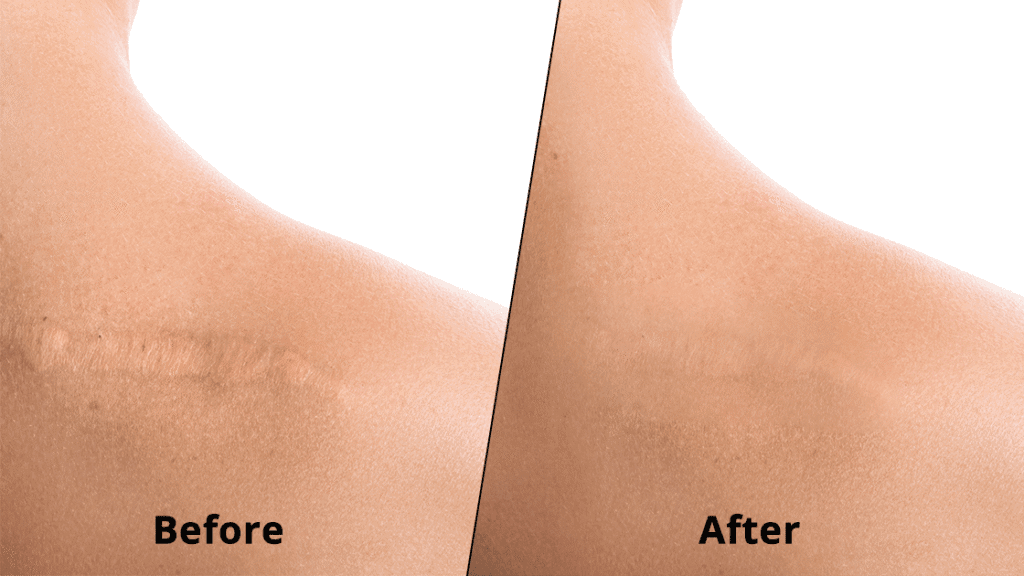
Clinical documentation shows remarkable scar improvement after Class 4 laser therapy. Photographs reveal reduced thickness, smoother texture, and better color blending with surrounding skin. Objective protocols report scar thickness reductions of 30–60% and significant gains in elasticity and pliability, enhancing both cosmetic and functional outcomes. Advanced imaging and 3D analysis confirm reductions in scar volume and architectural remodeling. Notably, improvements are often visible after just one session, with continued progress across multiple treatments. Long-term follow-up (6–12 months) demonstrates stability of outcomes, confirming that results persist over time. These transformations validate the therapy’s clinical utility while also serving as effective educational tools to manage patient expectations and highlight realistic benefits.
7.2 Patient Testimonials: Functional and Aesthetic Benefits
Patient testimonials highlight both functional restoration and aesthetic gains following Class 4 laser scar therapy. Many describe reduced pain, restored mobility, and improved confidence in daily and professional life. Patients often report surprise at regaining abilities once thought permanently lost due to scar-related limitations. Occupational benefits include returning to demanding work tasks and reduced physical restrictions. Socially, patients note greater willingness to participate in activities previously avoided due to scar appearance. Psychological benefits, such as increased self-esteem and improved relationships, are frequently described as equally important as cosmetic changes. Many patients call the treatment “life-changing,” emphasizing holistic improvements in quality of life. The synergy of physical function restoration and enhanced appearance drives high satisfaction and supports expanding access to laser therapy.
7.3 Lifestyle Compliance Impact on Scar Healing and Long-Term Results
Lifestyle habits strongly influence outcomes of Class 4 laser scar therapy. Patients who exercise regularly, focusing on flexibility and mobility, maintain superior long-term function. Proper nutrition—especially adequate protein, hydration, and vitamin C—supports collagen remodeling and healing. Consistent sun protection prevents pigmentation problems and protects fragile healing tissue. Smoking cessation is crucial, as non-smokers heal faster and achieve better results. Stress control and quality sleep optimize hormonal and immune balance for scar recovery. Compliance with prescribed topical agents, massage techniques, and follow-up appointments correlates directly with higher success rates. Patients who view laser therapy as part of a holistic lifestyle approach achieve more durable, satisfactory results. Education and engagement ensure that treatment benefits are maximized and sustained well into the long term.
7.4 Quantitative Metrics: Scar Thickness, Pigmentation, Elasticity, and Mobility
Objective measurements confirm the effectiveness of Class 4 laser scar therapy. Ultrasound studies reveal 25–50% reductions in scar thickness, especially in hypertrophic and keloid cases. Colorimetry shows improved pigmentation, with scars blending more closely to surrounding skin. Elasticity assessments demonstrate 40–70% increases in pliability, supporting enhanced tissue flexibility. Functional gains are reflected in range of motion improvements averaging 20–40 degrees in affected joints, particularly when combined with physiotherapy. Patient-reported outcomes mirror these findings, showing decreased pain, better function, and higher quality of life. Together, these metrics provide strong evidence-based validation for treatment efficacy. Continuous monitoring of these parameters also supports protocol optimization and long-term quality improvement in scar rehabilitation.
8. Maintaining Results Long-Term
Long-term maintenance is essential to preserve the benefits of Class 4 laser scar therapy. While laser treatments initiate remodeling and improve scar quality, consistent self-care ensures results remain stable over time. Ongoing attention to skin health, physical activity, and lifestyle factors supports collagen balance, flexibility, and scar resilience. Patients who continue with proper care typically experience longer-lasting improvements and reduced recurrence of contractures or hypertrophy.
8.1 Ongoing Skin Care, Sun Protection, and Scar Hydration
Consistent skin care plays a pivotal role in maintaining the long-term results of Class 4 laser scar therapy. Daily hydration with silicone gels, silicone sheets, or emollient-based moisturizers helps prevent dryness, reduces stiffness, and promotes continued collagen remodeling within scar tissue. Scar massage combined with hydration further enhances pliability and mobility. Sun protection is equally important; ultraviolet exposure can trigger pigmentation changes, inflammation, or delayed healing in newly treated scars. Broad-spectrum sunscreen with SPF 30 or higher should be applied daily, even on cloudy days, and reapplied with prolonged outdoor exposure. Protective clothing, hats, and avoidance of tanning beds provide additional safeguards. Patients are advised to avoid harsh exfoliants, chemical peels, or irritating skincare products during the remodeling phase. When integrated into daily routines, these strategies significantly extend treatment benefits, preserving improvements in scar texture, elasticity, and overall appearance achieved through laser rehabilitation programs.
8.2 Rehabilitation Exercises for Flexibility, Strength, and Scar Mobility
Structured rehabilitation exercises are fundamental in preventing contractures and optimizing mobility following laser scar therapy. Controlled stretching programs target tissues surrounding the scar to restore length, reduce tightness, and prevent secondary restrictions. Early stages often begin with gentle, passive movements, progressing to active stretches and resisted exercises as tolerance improves. Strength training supports balanced muscle function, compensating for areas weakened by scar involvement and reducing the risk of abnormal biomechanics. Mobility drills, including functional movement patterns, retrain normal joint mechanics and improve circulation, enhancing tissue elasticity and healing. Incorporating scar massage alongside exercise promotes greater pliability and reduces adhesion formation. Patients are encouraged to perform daily home exercise routines in addition to supervised physiotherapy sessions for maximum benefit. Education in proper technique and gradual progression ensures safety and compliance. Long-term adherence to rehabilitation protocols significantly improves functional outcomes and preserves the therapeutic effects of laser scar management.
9. Conclusion: Integrating Class 4 Laser Therapy into Comprehensive Scar Rehabilitation Programs
Class 4 laser therapy represents a major advancement in modern scar management by addressing both cosmetic appearance and functional recovery. Unlike traditional approaches that focus only on surface improvement, Class 4 lasers stimulate deep tissue remodeling, improve elasticity, and reduce pain or stiffness that often accompany problematic scars. When integrated into a comprehensive rehabilitation program, laser therapy works synergistically with physiotherapy, scar massage, and complementary treatments to achieve superior outcomes. Patients not only benefit from smoother, less visible scars but also experience restored mobility, greater comfort, and improved confidence in daily life. Long-term maintenance through skin care, sun protection, and targeted exercises ensures that improvements remain stable and sustainable. With its non-invasive nature, precision, and proven efficacy across diverse scar types, Class 4 laser therapy is redefining the standard of care, offering patients a safe, effective, and holistic pathway to complete scar rehabilitation.
 English
 العربية
 Français
 日本語
日本語 Português
 Español
 Русский
 Deutsch