
Page Contents
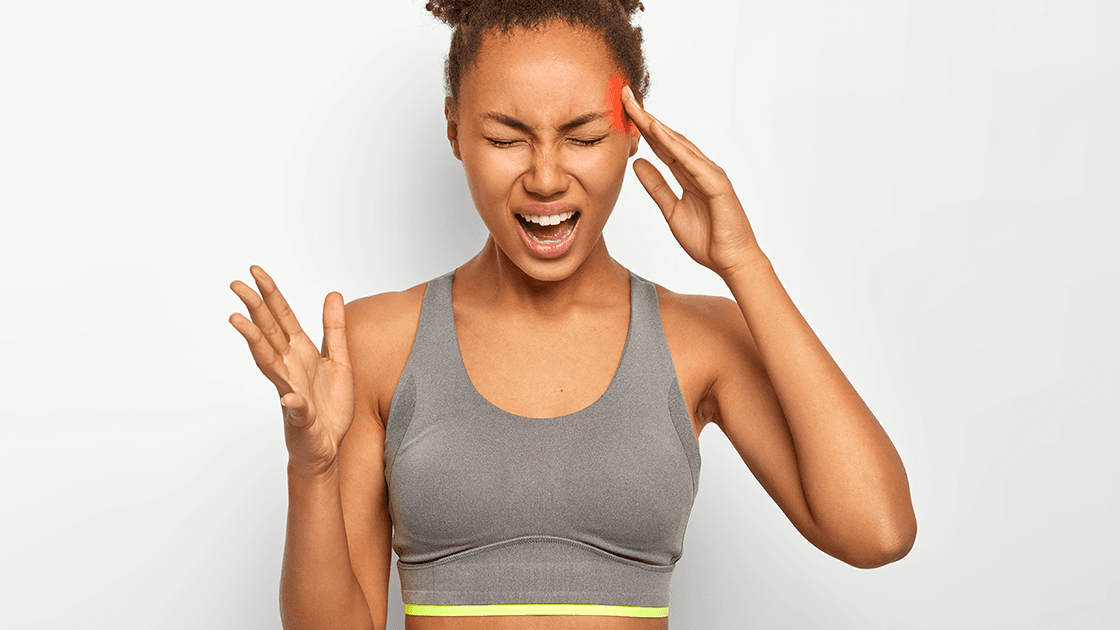
Migraines are more than just severe headaches—they’re a chronic condition that affects millions of people worldwide. While traditional treatments often come with unwanted side effects, laser therapy for migraines offers a promising, drug-free solution. This article delves into how laser therapy works, its benefits, and why it’s becoming the preferred choice for migraine relief.
1. What Science Tells Us About Migraine
1.1 Chronic Migraines: A Silent Epidemic
Chronic migraines are a growing concern, with 12% of the global population suffering from them. These debilitating headaches not only affect daily productivity but also diminish the quality of life for millions. Chronic migraines are defined as experiencing more than 15 headache days per month, with symptoms often including nausea, light sensitivity, and severe head pain.
1.2 Decoding Migraine Triggers and Root Causes
1.2.1 Triggers That Set Off Migraines
Migraine triggers are different for everyone, but common ones include:
- Stress
- Hormonal fluctuations (especially in women)
- Dietary factors (such as chocolate, alcohol, and caffeine)
- Environmental factors (bright lights, weather changes)
- Sleep disturbances
These triggers activate a cascade of neurovascular changes that lead to the intense pain and neurological symptoms associated with migraines.
1.2.2 The Science Behind Migraine Attacks
A migraine attack begins when the brain’s pain-processing centers become hypersensitive. This sensitivity causes blood vessels in the brain to constrict and dilate, resulting in the pain and inflammation that migraine sufferers experience. Additionally, abnormal nerve activity and the release of neurotransmitters like serotonin play a crucial role in the pain mechanism.
2. The Science Behind Laser Therapy for Migraines

2.1 What Is Laser Therapy?
Laser therapy, specifically low-level laser therapy (LLLT), is a non-invasive treatment that uses light energy to stimulate cells and promote healing. Unlike high-intensity lasers, LLLT uses low-energy light to penetrate tissues without causing damage, making it ideal for therapeutic use.
2.2 How Does Laser Therapy Work for Migraine Relief?
Laser therapy for migraines works by reducing inflammation, improving blood circulation, and calming nerve activity. The light energy stimulates cells in the affected area, increasing ATP production (cellular energy) and enhancing the body’s natural healing processes. This helps restore normal function in the brain’s pain pathways, ultimately reducing the frequency and intensity of migraine attacks.
Process of Laser Therapy for Migraines:
- First: Laser light is applied to the temple or neck area where migraine pain is often concentrated.
- Second: The light stimulates cells to reduce inflammation and enhance blood flow to the brain.
- Third: This reduces the activity in the pain centers of the brain, leading to less frequent and less severe attacks.
2.3 Why Choose Laser Therapy Over Traditional Treatments?
Laser therapy offers numerous advantages over traditional migraine treatments:
- Non-invasive and drug-free, avoiding side effects like nausea or drowsiness.
- No risk of dependency compared to pain medications.
- Long-lasting results with repeated use, improving overall brain function and reducing pain sensitivity.
3. Benefits of Laser Therapy for Migraine Sufferers
3.1 Drug-Free and Non-Invasive Pain Management
Laser therapy provides a natural, safe alternative to medications. It helps avoid the adverse side effects of commonly prescribed migraine drugs, such as abortive medications, pain relievers, and anti-nausea drugs.
3.2 Fast-Acting Relief with Long-Term Results
While immediate relief is often felt after the first session, long-term effects—such as a reduction in the frequency of migraines—become evident after 4-6 sessions. Studies show that laser therapy can reduce migraine frequency by up to 50% in just 2-3 weeks.
3.3 Safe and Suitable for Most Patients
Laser therapy is safe for most people, including those who cannot tolerate medications. It’s a gentle treatment that works with the body’s natural healing mechanisms, without any known serious side effects. However, patients with certain medical conditions should consult their healthcare provider before starting treatment.
4. What to Expect from a Laser Therapy Session

4.1 Treatment Procedure: What Happens During a Session?
During a typical laser therapy session:
- Duration: Each session lasts approximately 10-20 minutes.
- Procedure: A laser device is applied to the temple, neck, or scalp area, depending on where the migraine pain is felt.
- Frequency: Treatment usually requires 2-3 sessions per week for optimal results.
4.2 How Soon Can You Expect Migraine Relief?
Many patients experience relief within 1-2 sessions, though cumulative results improve over time. The long-term benefits typically become noticeable after 3-4 weeks of consistent treatment.
4.3 Where to Find Professional Laser Therapy Treatment
To receive professional laser therapy, look for licensed providers in specialized pain clinics, chiropractic offices, or medical spas. Be sure to ask about their experience with treating migraines and whether the laser device they use is FDA-approved.
5. Getting Started with PowerCure
PowerCure is an FDA-approved cold laser therapy device designed to offer effective migraine relief in a non-invasive, drug-free manner. Let’s explore the unique features that make PowerCure an ideal solution for migraine sufferers.
5.1 FDA-Approved for Safe and Reliable Treatment
PowerCure is an FDA-approved device, ensuring that it meets stringent safety standards for both home and professional use. This approval means users can trust the device’s quality and effectiveness in providing relief from migraine pain without the risk of harmful side effects.
5.2 Non-Invasive and Drug-Free Solution
Unlike traditional migraine treatments, PowerCure provides a non-invasive alternative to medications. By using low-level laser therapy, PowerCure offers long-lasting relief without the need for prescriptions, painkillers, or other potentially harmful drugs. This drug-free approach significantly reduces the risk of side effects commonly associated with migraine medication.
5.3 Portable and Easy to Use at Home
One of the most significant advantages of PowerCure is its portability. It’s lightweight, user-friendly, and designed for at-home use. Whether you’re at home, at work, or traveling, you can experience migraine relief anytime, anywhere. The simple operation makes it easy to incorporate into your daily routine.
5.4 Clinically Proven Effectiveness
Clinical studies have shown that PowerCure can reduce migraine frequency and intensity with consistent use. The device has been tested in clinical settings and has proven results in helping users manage chronic migraine pain. It’s a proven tool for those seeking a long-term solution to migraine attacks.
5.5 No Dependency or Risk of Side Effects
With no dependency issues, PowerCure provides a safe, non-habit-forming solution. Unlike traditional pain medications, there’s no risk of addiction or negative side effects, such as drowsiness or nausea, that commonly come with other migraine treatments.
5.6 Convenient Treatment Sessions
Each treatment session is quick and effective, typically lasting only 2-5 minutes per area, making it easy to fit into your busy lifestyle. Consistency is key for optimal results, and PowerCure’s easy-to-use design allows for frequent treatment without hassle.
6. Frequently Asked Questions (FAQs)
Q1. How many laser therapy sessions are needed for results?
Most patients experience notable relief after 3-4 sessions, but optimal results are achieved with 6-10 sessions over a few weeks.
Q2. Does laser therapy hurt or have side effects?
Laser therapy is painless and non-invasive. Most patients feel a mild warming sensation, but there are no known significant side effects.
Q3. Can I use laser therapy if I’m already taking migraine medication?
Yes, laser therapy can be used in combination with medications. It offers additional relief and may reduce the need for painkillers over time.
Q4. What’s the success rate of laser therapy for chronic migraines?
Studies show that 50-75% of patients experience a reduction in migraine frequency after just a few weeks of treatment.
Q5. Can laser therapy prevent migraines from happening?
While laser therapy reduces migraine frequency and intensity, it may not fully prevent them. However, it helps in long-term pain management.
Q6. Are there any risks or side effects with laser therapy?
Laser therapy is extremely safe, with no serious side effects. Minor side effects, like mild redness, are very rare.
Q7. Is laser therapy covered by insurance?
Insurance coverage for laser therapy may vary. Check with your provider to confirm whether migraine treatments are covered under your plan.
Q8. Can children and elderly people use laser therapy for migraines?
Laser therapy is safe for both children and seniors. Always consult a healthcare professional before beginning treatment.
7. References
Light Therapy in Chronic Migraine:
https://pubmed.ncbi.nlm.nih.gov/38865075
Enhancing Chronic Migraine Preventive Therapy: Low-Level 810 nm Laser Acupuncture as an Add-On Treatment:
https://pubmed.ncbi.nlm.nih.gov/39198866
S3:Ep34 – Therapeutic Laser Treatment for Migraine:
https://www.migrainedisorders.org/podcast/s3ep34-therapeutic-laser-treatment-for-migraine/
 English
 العربية
 Français
 日本語
日本語 Português
 Español
 Русский
 Deutsch