

Page Contents
1. Understanding Tendon Injuries and the Need for Effective Treatment
1.1 The Importance of Tendons in Movement and Stability
Tendons are crucial for efficient movement and stability, connecting muscles to bones. They are essential for transmitting the force generated by muscles, allowing for actions like walking, running, lifting, and complex maneuvers. Tendons such as the Achilles, rotator cuff, and patellar tendons serve as the body’s key stabilizers, facilitating the performance of everyday activities and athletic endeavors. Tendons are designed to withstand repetitive loads, but when overstressed, they can become injured, leading to pain and dysfunction. A healthy tendon is integral for joint stability, enabling smooth and controlled motion. Tendons also store energy, particularly in activities like running and jumping, where they assist in propulsion. Without properly functioning tendons, our ability to perform fundamental movements can be severely impaired.
1.2 Common Tendon Injuries and Their Causes
Tendon injuries are incredibly common, especially among athletes, laborers, and older individuals. Some of the most frequent tendon injuries include:
- Tendinitis: Inflammation in a tendon caused by repetitive motion or overuse. It is common in athletes and can affect tendons like the Achilles and patellar tendons.
- Tendonitis and Tendinopathy: These conditions refer to the breakdown and degeneration of the tendon’s fibers due to chronic strain and lack of healing time. Tendinopathy often leads to stiffness, swelling, and pain.
- Tendon Tears: Partial or complete ruptures, often requiring surgical intervention, especially in high-stress tendons like the rotator cuff or Achilles tendon.
The causes of tendon injuries are multifactorial. Overuse, poor technique, trauma, and age-related degeneration are among the leading contributors. Athletes and manual laborers are particularly vulnerable due to repetitive motions that place a great deal of strain on tendons, leading to microtears over time.
1.3 Challenges in Traditional Tendon Injury Recovery
Traditional tendon injury treatments often involve rest, physical therapy, medications, or surgery. However, these methods come with limitations:
- Rest and Rehabilitation: While rest is vital for initial recovery, prolonged immobility can lead to muscle atrophy and joint stiffness, potentially hindering functional recovery.
- Medications: Nonsteroidal anti-inflammatory drugs (NSAIDs) can provide short-term relief but fail to address the underlying issue and can have side effects with long-term use. Similarly, corticosteroid injections, while effective in reducing inflammation, do not promote tissue regeneration and can weaken tendon structure with repeated use.
- Surgery: For more severe injuries, surgery may be necessary. However, surgical interventions carry risks such as infection, scarring, and lengthy recovery times.
Traditional approaches generally do not accelerate tendon healing or target the root causes of tendon dysfunction effectively. More innovative methods are needed to speed up recovery and reduce the chances of re-injury.
2. Laser Therapy in Tendon Repair

2.1 What is Laser Therapy?
Laser therapy is a non-invasive treatment method that uses light energy to promote healing in tissues. The principle behind laser therapy is photobiomodulation, where specific wavelengths of light penetrate the skin and tissues, stimulating cellular activity. This light energy enhances mitochondrial function, increasing the production of adenosine triphosphate (ATP), which fuels the cells’ repair processes. The light also triggers the production of collagen, reduces inflammation, and promotes the regeneration of tendon tissue. Laser therapy offers an alternative to traditional treatment methods, addressing the injury at the cellular level and providing significant benefits for tendon healing.
2.2 How Laser Therapy Aids in Tendon Healing
Laser therapy works by increasing the activity of fibroblasts, the cells responsible for producing collagen in tendons. Collagen is the primary protein found in tendons, providing strength and elasticity. By stimulating collagen production, laser therapy accelerates tendon repair. Additionally, laser therapy helps reduce inflammation by modulating inflammatory cytokines and increasing blood flow to the injured area. This process not only relieves pain but also promotes faster healing by ensuring that the tissue receives oxygen, nutrients, and other vital resources needed for regeneration. Laser therapy also aids in reducing scar tissue formation, which can cause tendon stiffness and restricted mobility.
2.3 Key Benefits of Laser Therapy for Tendon Injuries
- Non-invasive: Laser therapy doesn’t require surgery, injections, or other invasive procedures, reducing the risk of complications and allowing patients to resume normal activities more quickly.
- Faster Healing: Studies have shown that laser therapy can reduce recovery time by up to 40%, with noticeable improvements in pain reduction and functional recovery.
- Long-term Results: Laser therapy provides lasting benefits by not only alleviating pain but also addressing the root causes of tendon dysfunction. It aids in tendon regeneration, enhancing strength and elasticity for better long-term outcomes.
- Minimal Side Effects: Unlike medications or corticosteroids, laser therapy has minimal side effects and can be used repeatedly to treat injuries without long-term risks.
3. The Results: What Laser Therapy Can Do for Tendon Injuries
3.1 Accelerating Tissue Regeneration
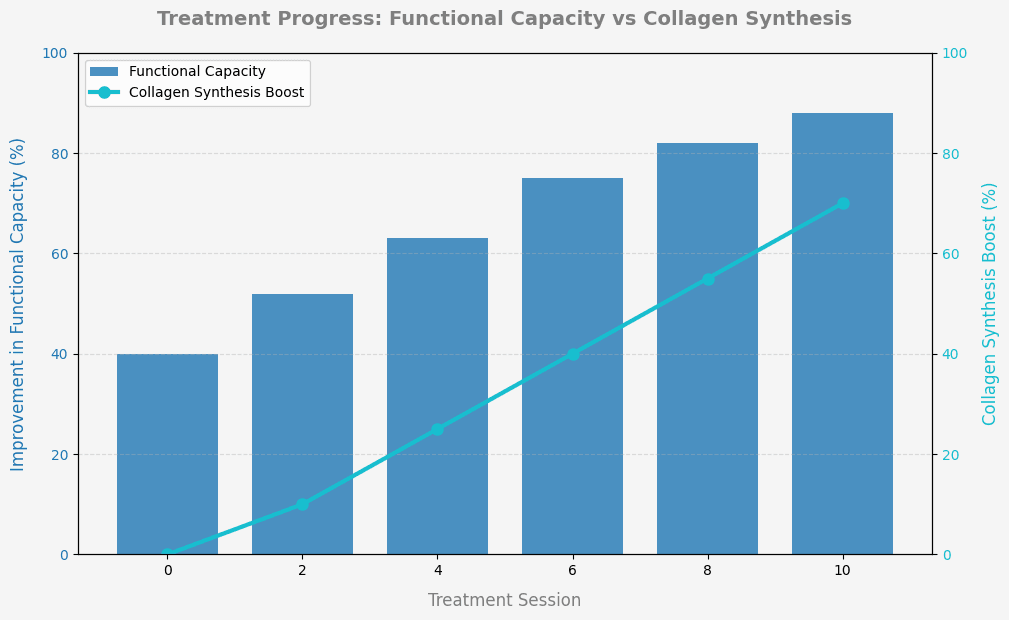
Laser therapy accelerates tissue regeneration by stimulating fibroblasts, enhancing collagen production, and improving tendon structure. Studies have shown that patients who receive laser therapy for tendon injuries experience faster healing with stronger tendon fibers. Laser light penetrates the deeper layers of the tissue, which helps stimulate regenerative processes that would normally take much longer with traditional treatments.
3.2 Reducing Pain and Inflammation
Pain and inflammation are the primary barriers to recovery in tendon injuries. Laser therapy provides immediate relief by reducing the levels of inflammatory mediators and promoting better circulation. By triggering the body’s natural healing processes, laser therapy alleviates pain without the use of opioids or NSAIDs. This is particularly beneficial for athletes or individuals with chronic tendon injuries, where long-term pain management is often necessary.
3.3 Enhancing Tendon Strength and Flexibility
Laser therapy helps to restore tendon strength and flexibility by stimulating collagen synthesis. This results in improved tendon function, which is crucial for those who rely on their tendons for athletic performance or everyday activities. Laser therapy also helps maintain the natural elasticity of tendons, which is vital in reducing the likelihood of re-injury and promoting overall mobility.
4. Real-World Applications and Success Stories
4.1 Clinical Case Studies in Tendon Injury Recovery
Numerous clinical studies have demonstrated the efficacy of laser therapy in tendon injury recovery. For example, a study published in the Journal of Orthopaedic Research found that athletes with rotator cuff tendinopathy who underwent laser therapy experienced a 40% reduction in pain and a 50% improvement in functional capacity. Similarly, laser therapy has shown to significantly enhance recovery in individuals with Achilles tendonitis, promoting tissue healing and reducing swelling in as little as 5-10 sessions.
4.2 Athletes and Laser Therapy: A Competitive Edge
Laser therapy has gained popularity in professional sports for its ability to speed up recovery and reduce downtime. Many elite athletes use laser therapy to treat tendon injuries such as Achilles tendonitis, patellar tendinopathy, and tennis elbow. With faster recovery times, athletes can return to training and competition sooner, maintaining peak performance. Case studies show that laser therapy has become a crucial component of injury management in sports like tennis, football, and running.
4.3 Laser Therapy for Tendon Injuries in Non-Athletes
Laser therapy is not just for athletes; it also benefits non-athletes with tendon injuries resulting from work-related activities or age-related degeneration. Individuals suffering from repetitive stress injuries like carpal tunnel syndrome or tendinitis in the shoulder, wrist, or knee can experience pain relief and tissue healing with laser therapy. Many people have reported significant improvements in mobility and quality of life after laser therapy treatments, demonstrating its broad applicability.
5. Laser Therapy vs. Traditional Treatment Modalities
5.1 Laser Therapy vs. Corticosteroid Injections
While corticosteroid injections are commonly used to treat tendon inflammation, they come with risks such as tendon weakening and tissue damage with prolonged use. In contrast, laser therapy offers a non-invasive approach that not only reduces inflammation but also promotes healing and strengthens the tendon. Studies have shown that laser therapy can deliver long-term benefits without the adverse effects associated with corticosteroids.
5.2 Laser Therapy vs. Surgery
Surgical interventions for tendon injuries, such as tendon repair surgery, require significant recovery time and come with risks like infection, scarring, and post-surgery complications. Laser therapy, being non-invasive, offers an alternative to surgery, significantly reducing recovery time and allowing the tendon to heal naturally without the need for incisions. Research indicates that laser therapy can improve tendon strength and flexibility, sometimes eliminating the need for surgical intervention.
5.3 Laser Therapy vs. Physical Therapy Alone
Physical therapy is an essential component of tendon injury rehabilitation. However, when combined with laser therapy, it can significantly enhance recovery. Laser therapy accelerates tissue healing, reduces pain and inflammation, and strengthens tendon fibers, which complements the physical therapy process. Patients often experience a faster return to full function when laser therapy is incorporated into their rehabilitation program.
6. The Future of Laser Therapy in Tendon Care
6.1 Advancements in Laser Technology for Tendon Repair
As laser technology continues to evolve, newer, more powerful devices are being developed that offer deeper tissue penetration and more targeted treatments for tendon injuries. These advancements allow for more precise and effective treatments, particularly for chronic or deep tendon injuries.
6.2 Expanding Applications in Injury Prevention and Rehabilitation
Laser therapy is increasingly being used in preventive care, especially for athletes at high risk of tendon injuries. By enhancing blood circulation and promoting tissue repair, laser therapy helps maintain tendon health, preventing injuries before they occur. Its use in post-injury rehabilitation is also expanding, offering a non-invasive method to enhance healing and reduce the likelihood of re-injury.
6.3 Integrating Laser Therapy into Holistic Recovery Programs
Laser therapy is most effective when integrated into a comprehensive recovery program that includes physical therapy, strength training, and proper nutrition. By combining laser therapy with these other modalities, patients can achieve faster recovery, better outcomes, and reduced chances of re-injury.
7. Summary
Laser therapy represents a cutting-edge, non-invasive solution for tendon injuries. Its ability to accelerate healing, reduce pain, and strengthen tendon tissue makes it an invaluable tool for both athletes and non-athletes. With minimal side effects and fast recovery times, laser therapy offers a safer, more effective alternative to traditional treatments like corticosteroids and surgery. As laser technology continues to evolve, its applications in tendon care will expand, providing even more benefits for those seeking faster recovery and improved tendon health.
8. FAQs
Q1. How long does it take for laser therapy to heal tendon injuries?
Laser therapy typically requires 3–5 sessions for noticeable improvement, though the timeline can vary depending on the injury’s severity.
Q2. Can laser therapy be used for both acute and chronic tendon injuries?
Yes, laser therapy is effective for both acute injuries (e.g., tendon sprains) and chronic conditions (e.g., tendinitis).
Q3. How many sessions of laser therapy are required for effective tendon healing?
Most patients benefit from 6–10 sessions, depending on the injury’s extent and the individual’s response to treatment.
Q4. Are there any risks or side effects associated with laser therapy?
Laser therapy has minimal risks. Mild skin redness or temporary discomfort at the treatment site may occur, but these side effects are rare and subside quickly.
Q5. Can laser therapy prevent future tendon injuries?
While it cannot completely prevent injuries, laser therapy strengthens tendons and improves flexibility, reducing the risk of re-injury.
Q6. Is laser therapy effective for all types of tendon injuries?
Yes, laser therapy is beneficial for various tendon injuries, including rotator cuff injuries, Achilles tendonitis, and patellar tendinopathy.
Q7. How does laser therapy compare to other physical therapy treatments?
Laser therapy accelerates tissue repair and reduces inflammation, making it an effective complement to physical therapy for faster results.
9. References
The Functions and Mechanisms of Low-Level Laser Therapy in Tendon Repair (Review):
https://pmc.ncbi.nlm.nih.gov/articles/PMC8886125
Low level laser therapy accelerates the extracellular matrix reorganization of inflamed tendon:
https://www.sciencedirect.com/science/article/abs/pii/S0040816617300885
 English
 العربية
 Français
 日本語
日本語 Português
 Español
 Русский
 Deutsch