

Page Contents
1. Introduction
Sprains and strains are among the most common musculoskeletal injuries, affecting people of all ages and activity levels. Whether you’re a weekend warrior, a seasoned athlete, or simply someone who misstepped on uneven ground, these injuries can severely disrupt your daily life. Traditional treatment methods like rest, ice, compression, and elevation (RICE) can help, but recovery often feels slow, painful, and frustrating. That’s where laser therapy for soft tissue injuries steps in. As a non-invasive, drug-free modality, laser therapy has gained increasing popularity in physical medicine and rehabilitation. This article explores how laser therapy accelerates recovery from sprains and strains by enhancing cellular healing, reducing inflammation, and promoting tissue regeneration — offering fast, effective, and natural relief from pain.
2. Understanding Sprains and Strains
2.1 What Are Sprains?
A sprain occurs when a ligament — the fibrous connective tissue that links bones together at joints — is stretched or torn. Ligaments provide joint stability, and when they’re compromised, pain, swelling, and instability follow. Ankle, wrist, and knee sprains are especially common in sports and everyday mishaps. Severity can range from mild (Grade I) to complete tears (Grade III). Mild sprains involve microscopic tears and minor swelling, while severe cases may require immobilization or even surgery. Recognizing the type and extent of a sprain is essential for choosing the correct treatment plan. Laser therapy for ligament sprains can help speed healing at every level by stimulating tissue regeneration and reducing pain.

2.2 What Are Strains?
Strains involve the muscles or tendons — the tissues that attach muscles to bones. These injuries happen when a muscle is overstretched or overexerted, often during activities like lifting, sprinting, or sudden twisting. Like sprains, strains range in severity: Grade I strains involve minimal muscle fiber damage; Grade II involves partial tearing; Grade III is a complete rupture. Common sites include the hamstring, lower back, and shoulder. Muscle strain treatment with laser therapy enhances mitochondrial activity, boosting cellular repair and reducing downtime. Athletes and active individuals often benefit from quicker recovery and improved muscle performance post-injury when using therapeutic lasers.
2.3 Symptoms and Severity Levels
Both sprains and strains share common symptoms: localized pain, swelling, bruising, limited range of motion, and sometimes a popping sensation at the time of injury. The severity of these symptoms often correlates with the extent of tissue damage. Mild injuries may only present discomfort during movement, while severe injuries can completely limit function and mobility. Understanding severity helps tailor a treatment plan. Laser therapy helps at all levels by reducing inflammatory cytokines, promoting tissue repair, and improving neuromuscular recovery — making it a valuable addition to conventional treatments regardless of injury grade.
2.4 Common Causes and Risk Factors
Sprains and strains commonly occur due to falls, improper lifting, poor conditioning, inadequate warm-ups, or overuse. Risk factors include age, muscle imbalances, previous injuries, and engaging in high-impact sports. Office workers can develop repetitive strain injuries (RSIs) from prolonged poor posture or typing. Laser therapy is particularly helpful in treating overuse injuries, as it can target chronic inflammation and degenerative tissue changes before they escalate. Preventing these injuries often involves strength training, flexibility exercises, and ergonomic adjustments — but when injury strikes, laser therapy provides a proactive recovery solution.
2.5 Why Soft Tissue Injuries Heal Slowly
Soft tissues like ligaments and tendons have limited blood supply compared to muscles, which hinders their healing. This reduced vascularity means oxygen and nutrient delivery is slower, impeding the inflammatory and proliferative phases of healing. Tendons, in particular, are composed of dense collagen fibers that regenerate slowly. Scar tissue can form, leading to stiffness and reduced functionality. Laser therapy for soft tissue repair promotes angiogenesis (the formation of new blood vessels), enhances ATP production in cells, and reduces oxidative stress, all of which collectively improve healing timelines and quality.
3. Introduction to Laser Therapy
3.1 What Is Laser Therapy?
Laser therapy, or low-level laser therapy (LLLT) and high-intensity laser therapy (HILT), involves the application of specific wavelengths of light to damaged tissues to stimulate biological processes. The technology falls under photobiomodulation, meaning light is used to modulate cellular functions. It’s non-invasive, painless, and typically takes just minutes per session. It has been approved by the FDA and is widely used in sports medicine, physical therapy, chiropractic care, and rehabilitation. Laser therapy for injury recovery promotes cellular repair, reduces pain, and accelerates the body’s natural healing mechanisms — making it ideal for treating both acute and chronic sprains and strains.
3.2 Types of Lasers Used
There are two primary types of lasers used in therapy: Class III (low-level) and Class IV (high-intensity). Class III lasers are used for superficial injuries and inflammation management, while Class IV lasers penetrate deeper into tissues and are preferred for muscle, tendon, and ligament injuries. Class IV lasers can deliver power outputs over 0.5W, allowing for effective treatment of larger areas and deeper injuries. Wavelengths commonly range from 600–1100 nm, each selected for its ability to penetrate different tissue depths. Understanding the type of laser used is critical to treatment efficacy and safety.
3.3 How It Works on Cellular Level
At the cellular level, laser therapy stimulates mitochondria — the “powerhouses” of the cell — to produce more adenosine triphosphate (ATP), which fuels tissue repair. Light energy also activates transcription factors and growth factors, which modulate inflammation and accelerate healing. This photobiomodulation effect reduces pro-inflammatory cytokines (like TNF-α and IL-6) and increases the synthesis of collagen, essential for tissue regeneration. Additionally, nitric oxide release promotes vasodilation, improving blood and oxygen delivery. This cascade of effects makes laser therapy a powerful tool in managing both acute injuries and chronic conditions related to soft tissues.

4. Laser Therapy Benefits for Sprains and Strains
4.1 Rapid Pain Relief
Laser therapy offers fast-acting pain relief by interrupting pain signal transmission through a process known as neuromodulation. Low-level laser light penetrates the skin and activates cytochrome c oxidase in mitochondria, boosting adenosine triphosphate (ATP) production. This increased cellular energy supports faster tissue recovery and modulates the local nerve response, reducing pain intensity. Additionally, laser therapy promotes the release of endorphins and serotonin, which further diminish discomfort. Unlike oral analgesics that take time to act and come with gastrointestinal or renal side effects, laser therapy works at the source and has minimal risks. This makes it ideal for acute injuries and post-activity soreness, especially for patients wanting to stay active while minimizing their reliance on pain medications.
4.2 Reduced Inflammation and Swelling
Inflammation is a normal immune response to tissue injury but can prolong healing when excessive. Laser therapy helps mitigate this by downregulating pro-inflammatory cytokines such as interleukin-1 (IL-1) and tumor necrosis factor-alpha (TNF-α). It simultaneously upregulates anti-inflammatory mediators like interleukin-10 (IL-10). This rebalances the immune response, preventing chronic inflammation. Moreover, laser therapy improves lymphatic drainage, which accelerates the removal of interstitial fluid and cellular waste, reducing edema. Improved circulation further enhances this effect. Patients often report noticeable reductions in swelling after just a few sessions. This not only lessens discomfort but also improves range of motion and reduces the likelihood of joint stiffness—a common complication in untreated sprains and strains.
4.3 Enhanced Blood Flow and Oxygenation
Laser therapy boosts angiogenesis—the formation of new capillaries—by stimulating vascular endothelial growth factor (VEGF). Enhanced blood flow delivers more oxygen and nutrients to damaged tissues, accelerating the repair process. Additionally, laser-induced vasodilation expands existing blood vessels, reducing blood viscosity and increasing perfusion. This heightened microcirculation helps remove cellular debris and supports new cell generation. In oxygen-deprived soft tissues, this is particularly crucial, as hypoxia slows fibroblast activity and collagen synthesis. By reversing tissue hypoxia, laser therapy optimizes the healing environment and speeds up the return to pre-injury function. This makes it especially valuable for deep strains and sprains in less vascularized tissues such as tendons and ligaments.
4.4 Accelerated Tissue Repair
Laser therapy stimulates cellular repair by enhancing the function of fibroblasts, which are responsible for producing collagen—the primary structural protein in connective tissues. It accelerates the proliferative phase of healing, during which cells divide and form new extracellular matrix. Additionally, laser therapy activates transforming growth factor-beta (TGF-β), which promotes cellular differentiation and tissue remodeling. This makes the repair not only faster but structurally sound, reducing the risk of re-injury. Patients undergoing laser therapy often report significantly shorter recovery timelines compared to standard rest and ice protocols. This makes it a powerful tool for restoring mobility and function, especially when time-sensitive recovery is critical—such as in athletes or active individuals.
4.5 Scar Tissue Reduction and Flexibility Restoration
Scar tissue forms as a natural part of healing, but excessive scarring can lead to stiffness and limited range of motion. Laser therapy supports collagen remodeling, ensuring that newly formed fibers align parallel to muscle and ligament lines of tension. This organized structure is more elastic and functional. Laser also reduces myofibroblast activity, which is responsible for tight and disorganized scar formation. As a result, joints and muscles recover more naturally, with restored biomechanical integrity. Improved flexibility enhances functional outcomes and allows patients to return to their normal activities without compensatory movements that can lead to secondary injuries. This is especially beneficial in joint sprains where mobility is essential for long-term joint health.
4.6 Faster Return to Activity
A significant benefit of laser therapy is that it supports early mobilization—a key factor in preventing deconditioning and chronic pain syndromes. By reducing pain, inflammation, and stiffness in a coordinated manner, patients can resume physical therapy exercises sooner, improving overall outcomes. Furthermore, the psychological boost of faster progress encourages adherence to recovery programs. This is especially crucial for athletes and professionals who cannot afford extended downtime. Laser therapy is non-invasive, doesn’t interfere with medications, and can be safely integrated with other rehabilitation strategies, making it an effective tool for patients determined to return to activity quickly and safely.
5. Who Can Benefit from Laser Therapy for Sprains and Strains?
5.1 Athletes and Fitness Enthusiasts
Athletes frequently suffer from overuse injuries such as ankle sprains, groin pulls, and hamstring strains. Laser therapy is ideal for this population because it accelerates recovery without disqualifying them from physical activity. It’s also well-tolerated and easily repeatable. From amateur runners to elite competitors, many now incorporate laser sessions into their sports recovery protocols to minimize downtime and avoid medication use.
5.2 Older Adults Prone to Soft Tissue Injury
As we age, tendons lose elasticity and muscle mass decreases—a condition known as sarcopenia. This increases the risk of soft tissue injuries. Older adults also heal more slowly due to decreased cellular turnover and circulation. Laser therapy helps counteract these changes by stimulating local blood flow, enhancing collagen production, and promoting mitochondrial function, all of which help restore tissue health and mobility.
5.3 Post-Surgical Rehab Patients
Laser therapy supports the post-operative recovery process by minimizing pain and inflammation without pharmacological side effects. It also reduces the risk of hypertrophic scarring and improves tissue quality, ensuring better surgical outcomes. Orthopedic surgeons often recommend laser therapy after procedures like ligament reconstruction, tendon repair, or joint arthroscopy to speed up the healing timeline and improve patient satisfaction.
5.4 Those Seeking Drug-Free Recovery Options
Many patients prefer to avoid NSAIDs, opioids, or steroid injections due to side effects or personal health beliefs. Laser therapy offers a non-pharmaceutical, non-invasive alternative that is safe for repeated use. It’s especially suitable for patients with liver or kidney conditions, those in polypharmacy scenarios, or individuals seeking integrative medicine solutions to musculoskeletal injuries.
5.5 Office Workers with Repetitive Strain Injuries
Office workers are increasingly prone to repetitive strain injuries (RSIs) like wrist tendonitis, shoulder impingement, and neck sprain from poor ergonomics and prolonged desk work. Laser therapy can relieve pain, restore range of motion, and prevent chronic musculoskeletal issues. It’s also efficient—sessions are short and can be easily scheduled during lunch breaks or after work.
6. Clinical Evidence and Research Findings
6.1 Key Peer-Reviewed Studies
A growing body of research supports laser therapy’s use for soft tissue injuries. A study in Lasers in Medical Science (2020) demonstrated significant improvements in pain scores and functional mobility in patients with acute ankle sprains. Another RCT published in Photomedicine and Laser Surgery found that Class IV laser therapy reduced healing time for muscle strains by 30% compared to placebo. These studies validate the clinical efficacy of laser therapy using objective outcome measures, making it a reliable intervention in evidence-based practice.
6.2 Comparison with Traditional Treatments
Unlike ice or NSAIDs, which offer temporary symptomatic relief, laser therapy addresses the underlying cellular dysfunction. While rest and immobilization are passive interventions, laser is bioactive, engaging the body’s regenerative machinery. Compared to corticosteroid injections—which carry risks of tendon rupture and immunosuppression—laser is safer and longer-lasting in effect. This makes it a superior option for patients seeking both short-term relief and long-term recovery.
6.3 Expert Opinions and Case Reports
Physiotherapists, sports medicine specialists, and orthopedic surgeons increasingly recommend laser therapy. Case reports from clinical practice show rapid recovery in sprains and strains that previously resisted conventional therapy. For example, a 2022 case report detailed a collegiate athlete who returned to full activity within 10 days after a moderate ankle sprain, thanks to combined Class IV laser and manual therapy. These anecdotal yet professionally documented successes lend clinical credibility to its widespread adoption.
6.4 Common Myths Debunked
Despite its growing popularity, laser therapy is still misunderstood. One myth is that it’s purely placebo—yet numerous double-blind, randomized studies disprove this. Another myth is that laser therapy burns tissue. In reality, therapeutic lasers operate at safe wavelengths and dosages. Some also believe laser therapy is prohibitively expensive. However, many clinics now offer cost-effective packages, and the potential to avoid surgery or long-term medications often outweighs initial costs. Dispelling these myths is key to broader acceptance and understanding.
7. Integrating Laser into a Holistic Recovery Plan
7.1 Combining with Manual Therapy and Exercise
Laser therapy shines brightest when combined with other proven rehab modalities. Manual therapy—like massage, myofascial release, or joint mobilizations—can improve soft tissue flexibility and relieve muscle tightness. Laser therapy complements this by promoting tissue healing at a cellular level. Once pain and inflammation decrease, structured exercise programs can safely resume, enhancing strength, balance, and coordination. Physical therapists often integrate laser therapy into the early phase of treatment to reduce pain and inflammation, and then add therapeutic exercises as range of motion improves. This approach ensures a smoother transition from acute care to active rehabilitation. The synergy of laser, manual therapy, and exercise reduces the likelihood of reinjury and shortens overall recovery time, making it a cornerstone of modern musculoskeletal rehabilitation.
7.2 Nutrition and Hydration for Recovery
Healing from sprains and strains requires more than just external therapies—internal support through proper nutrition and hydration is vital. Protein, rich in amino acids, supports tissue repair and collagen formation. Omega-3 fatty acids reduce systemic inflammation, while vitamins C and A aid in collagen synthesis and immune function. Minerals like zinc and magnesium are also essential for cellular repair. Staying well-hydrated ensures that nutrients reach damaged tissues efficiently and supports lymphatic drainage, which helps flush out metabolic waste. When laser therapy increases microcirculation and metabolic demand, your body needs these nutritional building blocks even more. For best results, patients are encouraged to adopt an anti-inflammatory diet, minimize processed foods, and prioritize hydration throughout the recovery process.
7.3 Lifestyle Adjustments and Prevention Tips
Preventing future sprains and strains starts with understanding risk factors and making targeted lifestyle adjustments. Poor posture, inadequate warm-up routines, improper footwear, and repetitive movements all contribute to soft tissue injuries. After initial healing, patients should incorporate daily mobility work, strength training, and ergonomic corrections to their routine. Using supportive gear—like ankle braces or orthotic inserts—may also reduce recurrence. Laser therapy can be used periodically even after recovery to maintain soft tissue health and address minor flare-ups before they worsen. Consistent stretching, stress management, and body awareness further contribute to long-term injury prevention. Recovery isn’t just about bouncing back—it’s about bouncing forward with habits that reduce the chances of repeating the same injury.
7.4 Monitoring Progress and Setting Realistic Goals
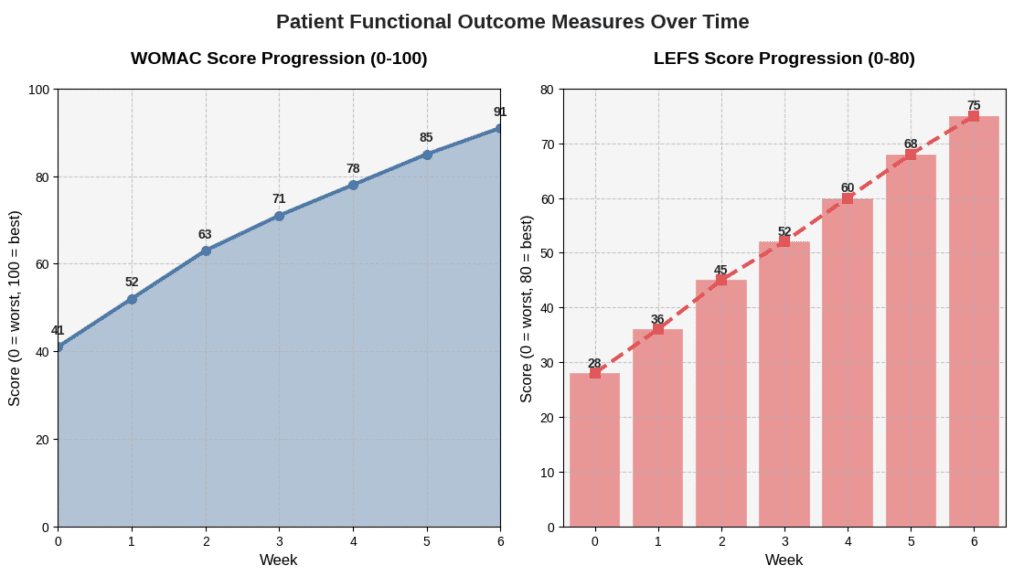
Effective recovery is not a one-size-fits-all process. Each patient’s progress depends on factors like age, overall health, injury severity, and adherence to treatment. Regular check-ins with your healthcare provider or therapist help track healing through pain scores, mobility measurements, and functional assessments. Using tools like visual analog scales (VAS), goniometers, or even wearable activity trackers can provide quantifiable progress indicators. Realistic goal-setting is key—expecting to return to high-impact sports within days of a grade II strain sets you up for disappointment. Laser therapy accelerates healing, but pacing your recovery ensures long-term gains without setbacks. Create milestones based on functionality, not just the absence of pain. This structured approach leads to sustainable healing and better physical performance post-recovery.
8. Conclusion
Laser therapy has emerged as a powerful, science-backed tool for accelerating the recovery of sprains and strains. By targeting the injury at a cellular level, it provides pain relief, reduces inflammation, improves circulation, and speeds up tissue regeneration. Its benefits go beyond quick fixes—it enhances long-term joint health, prevents scarring, and restores flexibility. When integrated into a holistic recovery plan that includes manual therapy, exercise, proper nutrition, and lifestyle changes, laser therapy becomes more than a treatment—it’s a wellness strategy. Whether you’re an athlete, an office worker, or someone simply wanting to move pain-free, laser therapy offers a safe, effective path back to activity. Don’t just manage the injury—optimize your body’s ability to heal.
 English
 العربية
 Français
 日本語
日本語 Português
 Español
 Русский
 Deutsch