

Page Contents
Bursitis affecting the shoulder and hip joints can significantly impair mobility and quality of life, often requiring weeks or months of traditional treatment approaches. However, Class 4 laser therapy has emerged as a revolutionary treatment modality that dramatically accelerates recovery times while providing superior pain relief. This comprehensive guide explores how this advanced photobiomodulation technology transforms bursitis treatment outcomes.
1. Introduction
Understanding bursitis and its impact on daily functioning is crucial for appreciating the transformative potential of Class 4 laser therapy. This inflammatory condition affects millions of people worldwide, particularly those engaged in repetitive activities or sports.
1.1 What Is Bursitis?
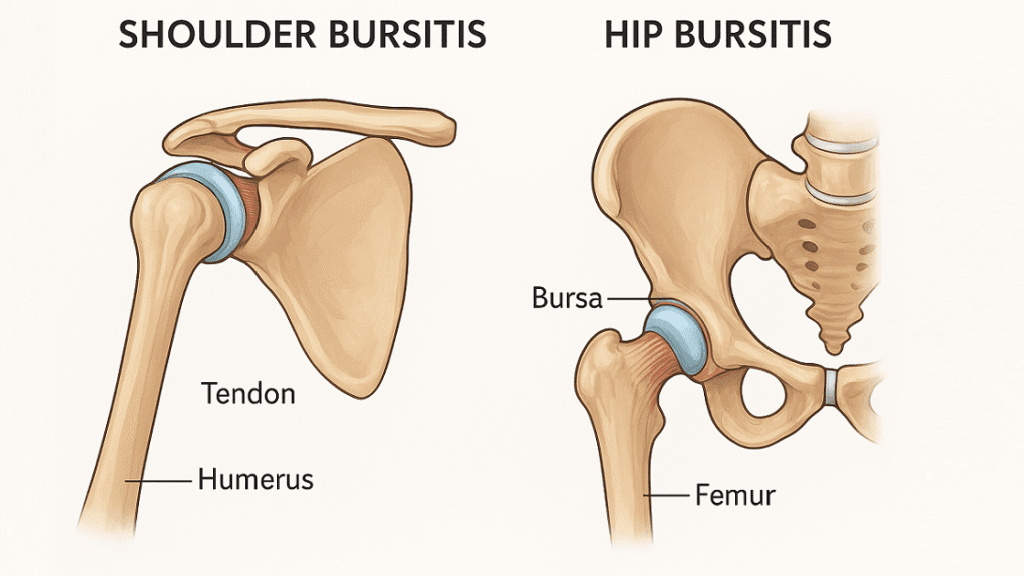
Bursitis represents inflammation of the bursa, small fluid-filled sacs that cushion bones, tendons, and muscles near joints. These synovial-lined structures contain viscous synovial fluid that reduces friction during joint movement. When bursae become inflamed, they produce excess fluid, causing swelling, pain, and restricted mobility. The most commonly affected areas include the subacromial bursa in the shoulder and the trochanteric bursa in the hip. Acute bursitis typically develops suddenly following injury or overuse, while chronic bursitis persists for extended periods, often recurring intermittently. The etiology of shoulder and hip bursitis involves multiple contributing factors that healthcare providers must consider when developing treatment strategies.
1.2 Common Causes of Shoulder and Hip Bursitis
- Repetitive Overhead Motions: Activities like painting, construction work, and sports can trigger subacromial bursitis.
- Direct Trauma: Falls or impacts can lead to acute bursal inflammation.
- Age-Related Degeneration: Bone spurs and tendon thickening can cause mechanical impingement, contributing to bursitis.
- Biomechanical Abnormalities: Issues such as leg-length discrepancies increase the risk of hip bursitis.
- Prolonged Pressure: Activities like cycling or prolonged sitting can irritate the hip bursa.
- Systemic Conditions: Rheumatoid arthritis, gout, and diabetes increase susceptibility to bursitis.
- Poor Posture and Muscle Imbalances: Incorrect posture and uneven muscle strength can predispose individuals to inflammation.
- Inadequate Warm-Up: Skipping proper warm-up routines before physical activity may lead to bursal irritation.
1.3 Symptoms and Impact on Daily Life
- Shoulder Pain: Deep, aching pain along the lateral upper arm, often radiating toward the deltoid insertion.
- Pain Triggers in Shoulder: Overhead reaching, sleeping on the affected side, or carrying objects away from the body worsens pain.
- Hip Pain: Lateral hip pain that may extend down the thigh toward the knee.
- Pain Triggers in Hip: Walking, climbing stairs, or lying on the affected side intensifies symptoms.
- Morning Stiffness: Reduced range of motion and stiffness are common in the morning.
- Compensatory Movements: Patients often develop movement patterns that avoid pain, which can affect overall function.
- Sleep Disturbances: Positional pain disrupts sleep, leading to fatigue.
- Impact on Daily Activities: Pain and stiffness reduce work productivity and the ability to perform routine tasks.
1.4 Why Shoulder and Hip Bursitis Recovery Is Often Slow
Traditional bursitis treatment relies primarily on anti-inflammatory medications, rest, and physical therapy, which often provide limited and temporary relief. The bursa’s relatively poor vascular supply impedes natural healing processes and delays tissue repair. Continued mechanical irritation from daily activities prevents adequate rest and prolongs inflammation. Compensatory movement patterns developed to avoid pain create additional biomechanical stress on surrounding structures. Furthermore, traditional treatments often fail to address underlying causative factors, leading to symptom recurrence. The chronic nature of many bursitis cases results in tissue fibrosis and adhesion formation, further complicating recovery and requiring more intensive intervention strategies.
2. Understanding Class 4 Laser Therapy
Class 4 laser therapy represents a paradigm shift in non-invasive treatment approaches for musculoskeletal conditions. This advanced technology harnesses specific wavelengths of light to promote healing at the cellular level through photobiomodulation mechanisms.
2.1 What Is Class 4 Laser Therapy?
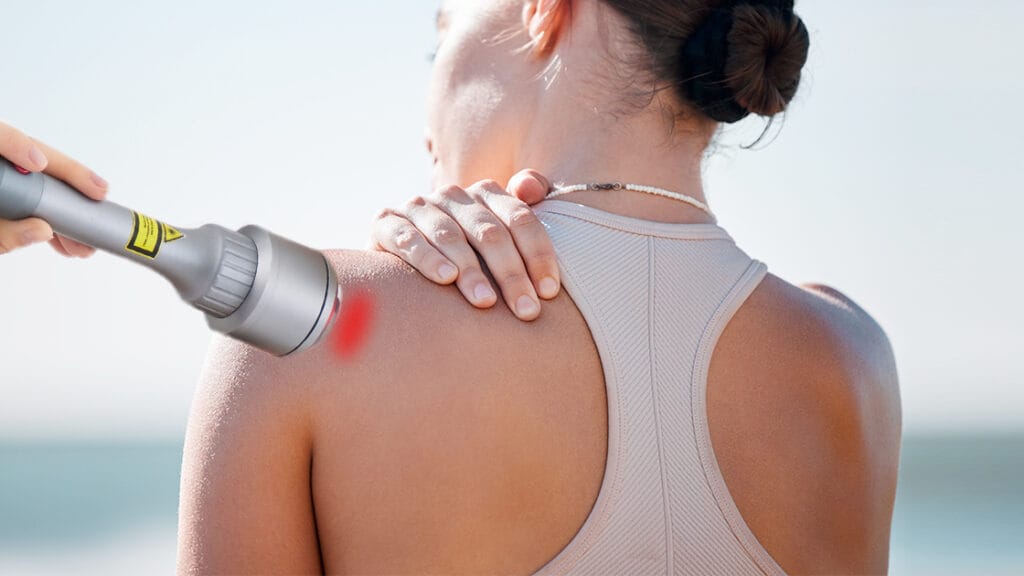
Class 4 laser therapy utilizes high-power laser devices exceeding 0.5 watts to deliver therapeutic wavelengths of light deep into tissues. These systems typically employ near-infrared wavelengths between 800-1000 nanometers, which penetrate 2-5 centimeters into soft tissues. The therapy works through photobiomodulation (PBM), where photons are absorbed by cellular chromophores, particularly cytochrome c oxidase in mitochondria. This absorption triggers a cascade of cellular responses including increased ATP production, enhanced protein synthesis, and modulation of inflammatory mediators. Treatment sessions typically range from 3-10 minutes, making it highly practical for clinical settings. The therapy is FDA-approved for treating minor muscle and joint pain conditions. The therapeutic mechanisms underlying Class 4 laser therapy’s effectiveness in treating inflammatory conditions like bursitis involve complex cellular and molecular processes.
2.2 How Class 4 Lasers Work on Inflammation and Pain
Class 4 lasers stimulate healing, relieve pain, and reduce inflammation through photobiomodulation, with primary chromophores identified as cytochrome c oxidase in mitochondria and calcium ion channels. The absorbed photons increase cellular metabolism, promoting ATP synthesis and enhancing cellular repair mechanisms. Anti-inflammatory effects occur through modulation of nuclear factor-κB (NF-κB) pathways, reducing pro-inflammatory cytokine production including interleukin-1β and tumor necrosis factor-α. Pain reduction results from increased endorphin release, altered nerve conduction velocity, and reduced substance P levels. The therapy also promotes vasodilation, improving local circulation and facilitating removal of inflammatory mediators while delivering essential nutrients for tissue repair. Understanding the distinctions between different laser classes helps clarify why Class 4 systems offer superior therapeutic outcomes for bursitis treatment.
2.3 Difference Between Class 3 and Class 4 Laser Therapy
Class 3 lasers, operating below 0.5 watts, provide limited tissue penetration and require significantly longer treatment times to achieve therapeutic effects. Their lower power output restricts clinical applications and may necessitate multiple daily treatments for optimal results. Class 4 systems deliver substantially higher power densities, enabling deeper tissue penetration and more efficient photon absorption by target tissues. The higher wattage allows sufficient laser energy to reach nerve, muscle, ligament, tendon, and capsular tissues in reasonable treatment times. Class 4 lasers can modulate treatment parameters including power output, pulse frequency, and spot size to customize therapy for specific conditions and tissue depths, providing superior clinical versatility and treatment outcomes.
3. Benefits of Class 4 Laser Therapy for Shoulder and Hip Bursitis
The therapeutic advantages of Class 4 laser therapy for bursitis treatment extend far beyond simple pain relief, encompassing comprehensive tissue healing and functional restoration. These benefits make it an invaluable treatment modality for both acute and chronic bursitis cases.
3.1 Pain Reduction and Anti-Inflammatory Effects
Photobiomodulation therapy has been demonstrated to reduce inflammation and swelling while promoting healing and reducing pain for various musculoskeletal conditions. The therapy inhibits cyclooxygenase-2 (COX-2) expression, reducing prostaglandin E2 production and associated inflammatory responses. Neuroplasticity mechanisms contribute to long-term pain relief by modulating central sensitization processes in the dorsal horn. Gate control theory explains immediate analgesic effects through activation of large-diameter sensory fibers that inhibit pain transmission. The treatment also decreases bradykinin levels and modulates mast cell degranulation, further reducing inflammatory mediator release. These combined mechanisms provide both immediate and sustained pain relief without adverse effects associated with pharmaceutical interventions. Beyond pain relief, Class 4 laser therapy provides fundamental tissue healing benefits that address the underlying pathophysiology of bursitis.
3.2 Accelerated Tissue Healing and Collagen Production
Photobiomodulation stimulates fibroblast proliferation and migration, accelerating collagen synthesis essential for tissue repair and remodeling. The therapy upregulates transforming growth factor-β (TGF-β) expression, promoting organized collagen deposition and preventing excessive scar tissue formation. Enhanced angiogenesis results from increased vascular endothelial growth factor (VEGF) production, improving oxygen and nutrient delivery to healing tissues. Cellular ATP production increases by up to 200%, providing energy necessary for intensive repair processes. The treatment also stimulates satellite cell activation in surrounding muscle tissues, promoting comprehensive structural recovery. These mechanisms collectively accelerate natural healing processes and restore normal tissue architecture more effectively than traditional approaches. Functional improvements represent crucial therapeutic outcomes that distinguish Class 4 laser therapy from symptomatic treatments that merely mask underlying problems.
3.3 Improved Range of Motion and Joint Function
Class 4 laser therapy reduces tissue adhesions and fibrosis that commonly develop in chronic bursitis cases through enhanced collagenase activity and organized tissue remodeling. The treatment improves synovial fluid production and quality, enhancing joint lubrication and reducing friction during movement. Muscle relaxation occurs through reduced muscle spindle sensitivity and decreased gamma motor neuron activity. Enhanced proprioception results from improved mechanoreceptor function, contributing to better movement coordination and reduced re-injury risk. The therapy also addresses compensatory movement patterns by restoring normal tissue flexibility and strength ratios. These functional improvements enable patients to return to previous activity levels more quickly and with reduced risk of symptom recurrence. The non-invasive nature of Class 4 laser therapy provides significant advantages over traditional interventional approaches while maintaining superior therapeutic efficacy.
3.4 Non-Invasive and Drug-Free Treatment
Class 4 laser therapy eliminates risks associated with corticosteroid injections, including tissue atrophy, tendon weakening, and systemic absorption effects. The treatment avoids gastrointestinal complications, cardiovascular risks, and dependency issues associated with non-steroidal anti-inflammatory drugs (NSAIDs). No surgical intervention is required, eliminating anesthesia risks, infection potential, and prolonged recovery periods. The therapy can be safely combined with other conservative treatments without drug interactions or contraindications. Patients can continue normal activities immediately following treatment sessions without restrictions or precautions. This safety profile makes the treatment suitable for patients with multiple comorbidities or those who cannot tolerate traditional pharmaceutical interventions. The broad applicability of Class 4 laser therapy ensures that diverse patient populations can benefit from this advanced treatment approach.
3.5 Suitable for All Ages and Activity Levels
Class 4 laser therapy parameters can be adjusted to accommodate different age groups, from pediatric to geriatric populations, ensuring safe and effective treatment across the lifespan. The non-invasive nature makes it particularly suitable for elderly patients who may have increased surgical risks or medication contraindications. Competitive athletes benefit from the therapy’s ability to accelerate recovery without compromising performance or requiring extended activity restrictions. Sedentary individuals with chronic bursitis experience significant improvements without needing intensive rehabilitation protocols. The treatment accommodates various fitness levels and can be integrated into existing exercise programs or physical therapy regimens. This versatility ensures optimal outcomes regardless of patient demographics or baseline functional capacity. Long-term benefits of Class 4 laser therapy extend beyond immediate symptom resolution to include comprehensive joint health preservation and injury prevention.
3.6 Long-Term Recovery and Re-Injury Prevention
Class 4 laser therapy addresses underlying tissue quality issues that predispose individuals to recurrent bursitis episodes through enhanced collagen organization and tissue resilience. The treatment improves local vascular supply, ensuring adequate nutrient delivery and waste product removal for long-term tissue health. Enhanced proprioceptive function reduces biomechanical stress patterns that contribute to bursal irritation and inflammation. Strengthened periarticular tissues provide better joint stability and load distribution during functional activities. The therapy’s anti-inflammatory effects create a favorable tissue environment that resists future inflammatory episodes. Regular maintenance treatments can prevent symptom recurrence and maintain optimal joint function, particularly in high-risk populations or those with demanding physical requirements.
4. How Class 4 Laser Therapy Speeds Up Recovery
The accelerated recovery achieved with Class 4 laser therapy results from its ability to simultaneously address multiple pathophysiological aspects of bursitis while optimizing natural healing processes. Understanding these mechanisms helps explain the superior outcomes observed in clinical practice.
4.1 Mechanism of Action on Bursitis
Photobiomodulation therapy has proven effective in tissue repair by modulating the inflammatory process and promoting pain relief. The therapy directly targets inflamed bursal tissue through deep tissue penetration, reducing inflammatory cell infiltration and cytokine production. Increased nitric oxide production promotes vasodilation and improved circulation, facilitating removal of inflammatory metabolites and delivery of healing nutrients. The treatment stimulates macrophage polarization toward the M2 phenotype, promoting tissue repair rather than continued inflammation. Enhanced lymphatic drainage reduces tissue edema and mechanical pressure on pain-sensitive structures. Photobiomodulation also modulates complement cascade activation, reducing tissue damage from inflammatory mediators. These combined effects create an optimal healing environment that accelerates resolution of bursal inflammation.
4.2 Typical Treatment Duration and Frequency
Initial treatment protocols typically involve 2-3 sessions per week for 2-4 weeks, depending on symptom severity and chronicity. Each session lasts 3-10 minutes, providing sufficient energy delivery while remaining practical for clinical settings. Acute bursitis cases often respond within 6-8 treatments, while chronic conditions may require 12-15 sessions for optimal outcomes. Treatment frequency decreases as symptoms improve, transitioning to weekly sessions for maintenance and prevention. Power settings typically range from 10-15 watts for shoulder bursitis and 15-25 watts for hip bursitis, adjusted based on tissue depth and patient tolerance. Continuous wave or pulsed modes may be selected based on treatment goals, with continuous wave providing deeper heating effects and pulsed modes offering enhanced photochemical responses. Combining Class 4 laser therapy with complementary treatments can further enhance recovery outcomes and address contributing factors to bursitis development.
4.3 Combining Laser Therapy with Physical Therapy or Exercise
Photobiomodulation combined with exercise-based rehabilitation has shown effectiveness in treating various musculoskeletal conditions. Pre-treatment laser application reduces pain and muscle guarding, allowing more effective therapeutic exercise performance. The therapy’s anti-inflammatory effects create optimal conditions for tissue adaptation to progressive loading protocols. Post-exercise laser treatment accelerates recovery from therapeutic activities and reduces delayed-onset muscle soreness. Manual therapy techniques become more comfortable and effective when preceded by laser treatment due to reduced tissue tension and improved extensibility. Strengthening exercises targeting periarticular muscles can be initiated earlier in the treatment process, addressing underlying biomechanical contributing factors. This integrated approach maximizes functional outcomes while minimizing total treatment duration. Realistic expectations regarding recovery timelines help patients understand the treatment process and maintain compliance with recommended protocols.
4.4 Expected Recovery Timeline and Results
Acute bursitis patients typically experience 50-70% pain reduction within the first week of treatment, with continued improvement throughout the treatment course. Chronic cases may require 2-3 weeks before significant symptom relief occurs, reflecting the time needed to reverse established inflammatory processes. Functional improvements, including increased range of motion and reduced morning stiffness, often parallel pain reduction timelines. Sleep quality improvements frequently occur within the first few treatments as positional pain decreases. Return to full activity levels typically occurs 2-4 weeks sooner than traditional treatment approaches, depending on individual factors and activity demands. Research demonstrates that laser therapy provides efficacious long-term relief of symptoms associated with chronic conditions, warranting further investigation. Most patients maintain improvements for 6-12 months following treatment completion, with some requiring periodic maintenance sessions.
5. Exercises and Lifestyle Changes to Prevent Bursitis Recurrence
Preventing bursitis recurrence requires a comprehensive approach addressing biomechanical, postural, and lifestyle factors that contribute to bursal irritation. Implementing evidence-based preventive strategies significantly reduces the likelihood of symptom return.
5.1 Recommended Stretching and Strengthening Exercises
Shoulder bursitis prevention requires posterior capsule stretching, including cross-body arm stretches and doorway pectoral stretches performed 3-4 times daily. Strengthening exercises should target the rotator cuff muscles, particularly the external rotators and posterior deltoid, using resistance bands or light weights. Hip bursitis prevention involves iliotibial band stretching, hip flexor stretches, and piriformis stretches to address common muscle imbalances. Hip abductor strengthening exercises, including clamshells and side-lying leg lifts, help stabilize the hip joint during functional activities. Core strengthening exercises improve overall biomechanics and reduce compensatory stress patterns. All exercises should emphasize proper form and gradual progression to avoid overloading healing tissues. Postural awareness and ergonomic modifications play crucial roles in preventing repetitive stress that contributes to bursitis development and recurrence.
5.2 Posture and Ergonomic Adjustments
Workstation ergonomics should position computer screens at eye level to prevent forward head posture and rounded shoulders that increase subacromial impingement risk. Keyboard and mouse placement should allow neutral wrist positioning with elbows at 90-degree angles. Regular position changes every 30-45 minutes prevent static loading of vulnerable tissues. Sleep positioning modifications include using supportive pillows to maintain spinal alignment and avoid prolonged pressure on affected joints. Standing posture awareness focuses on maintaining neutral spine alignment and avoiding hip hiking or weight shifting that stresses the trochanteric bursa. Proper lifting techniques emphasize leg muscle utilization rather than repetitive overhead reaching or twisting motions that irritate shoulder bursae. Activity modifications help patients maintain their desired lifestyle while protecting vulnerable joint structures from excessive stress and subsequent inflammation.
5.3 Activity Modifications for Long-Term Joint Health
Gradual return to high-impact activities allows tissues to adapt progressively to increasing demands without precipitating inflammatory responses. Cross-training approaches distribute mechanical stress across multiple joints and muscle groups, reducing repetitive loading patterns. Pre-activity warm-up routines should include dynamic stretching and activation exercises for muscles surrounding affected joints. Post-activity recovery protocols include appropriate cool-down periods and ice application if inflammation symptoms develop. Equipment modifications, such as ergonomic tools and supportive footwear, reduce biomechanical stress during occupational and recreational activities. Activity intensity and duration should be monitored using pain and fatigue levels as guides to prevent overuse and tissue irritation. Nutritional strategies and lifestyle habits can significantly influence inflammatory processes and support long-term joint health maintenance.
5.4 Diet, Hydration, and Anti-Inflammatory Habits
Anti-inflammatory diets emphasizing omega-3 fatty acids, antioxidants, and phytochemicals help modulate systemic inflammatory responses that contribute to bursitis susceptibility. Adequate hydration maintains optimal synovial fluid production and joint lubrication while facilitating metabolic waste removal from tissues. Limiting processed foods, refined sugars, and trans fats reduces pro-inflammatory mediator production and supports tissue healing processes. Regular sleep schedules optimize growth hormone release and tissue repair mechanisms that occur during rest periods. Stress management techniques, including meditation and deep breathing exercises, help regulate cortisol levels that influence inflammatory responses. Tobacco cessation improves tissue oxygenation and healing capacity while reducing inflammatory burden on the body’s systems.
6. Scientific Evidence Supporting Class 4 Laser Therapy for Bursitis
The growing body of research supporting photobiomodulation therapy for musculoskeletal conditions provides strong evidence for its effectiveness in treating bursitis and related inflammatory conditions. This scientific foundation validates clinical observations and guides optimal treatment protocols.
6.1 Research Supporting Class 4 Laser Therapy for Bursitis
Over 5000 clinical studies and research papers demonstrate that laser therapy and photobiomodulation are effective for treating a wide range of conditions. Systematic reviews consistently show significant pain reduction and functional improvement in patients with various inflammatory joint conditions. Randomized controlled trials demonstrate superior outcomes compared to placebo treatments, with effect sizes ranging from moderate to large. Cellular studies confirm the biological mechanisms underlying clinical improvements, including enhanced mitochondrial function and reduced inflammatory mediator production. Long-term follow-up studies show sustained benefits extending 6-12 months beyond treatment completion. Meta-analyses support the use of photobiomodulation for reducing inflammation and promoting tissue healing in musculoskeletal conditions. Case studies provide valuable insights into real-world treatment outcomes and help guide clinical decision-making for complex or challenging cases.
6.2 Case Studies: Shoulder and Hip Recovery
A 45-year-old construction worker with chronic subacromial bursitis experienced complete pain resolution and return to work within 3 weeks of Class 4 laser treatment after failing conservative management for 6 months. Studies show therapeutic benefits when comparing different photobiomodulation approaches for shoulder tendinopathy treatment in patients aged 45-70 years. Hip bursitis cases demonstrate particularly favorable outcomes, with elderly patients showing significant functional improvements and reduced analgesic requirements. Athletic populations report faster return to sport and improved performance metrics following laser treatment compared to traditional approaches. Chronic cases with previous failed treatments often respond well to Class 4 laser therapy, suggesting its effectiveness even in refractory conditions. These case examples illustrate the broad applicability and effectiveness across diverse patient populations. Understanding research limitations helps clinicians interpret findings appropriately and identify areas requiring additional investigation for optimal treatment protocols.
6.3 Limitations and Considerations in Current Research
Most studies focus on general photobiomodulation effects rather than specific Class 4 laser parameters, making direct protocol comparisons challenging. Standardization of treatment parameters, including wavelength, power density, and treatment duration, varies significantly across research studies. Control group selection remains problematic in laser therapy research due to difficulty creating appropriate placebo treatments. Long-term follow-up data beyond 12 months is limited, making conclusions about permanent benefits difficult to establish. Publication bias may favor positive results, potentially overestimating treatment effectiveness compared to real-world clinical outcomes. Additional research is needed to establish optimal treatment protocols for specific bursitis types and patient populations.
7. Key Takeaways for Faster Recovery and Long-Term Joint Health
Class 4 laser therapy is a breakthrough in bursitis treatment, providing rapid pain relief and accelerated healing through advanced photobiomodulation. Unlike traditional treatments that target only one aspect, it simultaneously reduces pain, inflammation, and promotes tissue repair. Extensive research supports its safety and effectiveness across diverse patient populations, and treatment protocols can be tailored to individual needs for optimal outcomes. Long-term success also relies on combining laser therapy with lifestyle changes, targeted exercises, and preventive strategies, addressing both symptoms and underlying causes. This comprehensive approach reduces recurrence and helps maintain joint health. For patients with shoulder or hip bursitis, Class 4 laser therapy offers a non-invasive, low-risk, and highly effective option for faster recovery, improved function, and a quicker return to daily activities, making it a valuable tool in modern joint care.
 English
 العربية
 Français
 日本語
日本語 Português
 Español
 Русский
 Deutsch