

Page Contents
Introduction
Recovery clinics and wellness centers are changing the way people approach physical well-being by combining technology, movement support, and personalized care programs. As more individuals look for modern solutions to support active lifestyles, Class IV Laser Therapy has become an important technology option in recovery-focused environments. With high-power therapeutic laser technology, controlled energy delivery, adjustable settings, and deep tissue application capabilities, these systems can support wellness professionals in creating customized recovery programs. From fitness recovery facilities to rehabilitation-focused wellness centers, laser technology provides another approach for professionals who want to enhance client experiences while supporting muscle comfort, mobility, and overall recovery routines.
1. The Growing Role of Class IV Laser Therapy in Recovery Clinics
Recovery clinics are expanding beyond traditional approaches by incorporating advanced technologies that support personalized wellness programs. Class IV Laser Therapy has gained attention because of its ability to deliver concentrated laser energy to targeted areas while allowing professionals to adjust treatment parameters based on individual needs.
1.1 Understanding Class IV Laser Therapy Technology
Class IV Laser Therapy uses high-power laser energy to interact with targeted areas of the body. Unlike lower-power laser systems, Class IV devices are designed to deliver higher energy output, allowing deeper tissue applications within professional recovery settings.
The technology commonly involves specific wavelengths that influence how laser energy interacts with biological tissues. By adjusting factors such as wavelength, power level, and treatment duration, professionals can customize applications according to different recovery goals.
For recovery clinics, understanding laser technology principles helps professionals integrate this tool into broader wellness programs. Instead of replacing other approaches, Class IV Laser Therapy can serve as a supportive technology within a comprehensive recovery environment.
1.2 Why Recovery Clinics Are Exploring Laser-Based Wellness Solutions
Modern clients increasingly seek wellness services that fit their active lifestyles. People who participate in fitness activities, recreational sports, or physically demanding routines often look for convenient ways to support recovery and maintain daily performance.
Recovery clinics are responding to these needs by introducing technology-based services that complement movement programs, stretching routines, massage services, and other wellness approaches.
Class IV Laser Therapy offers professionals an additional option for supporting customized recovery experiences. With adjustable settings and targeted application methods, clinics can develop service programs that consider different client preferences and activity levels.
2. How Class IV Laser Therapy Supports Modern Recovery Programs
Technology integration has become an important part of modern recovery facilities. By combining professional knowledge with advanced equipment, recovery clinics can create structured programs designed around individual wellness needs.
2.1 Supporting Muscle Recovery After Physical Activity
Physical activity places different levels of demand on muscles and soft tissues. Whether clients participate in strength training, endurance sports, or regular fitness routines, recovery has become an essential part of maintaining an active lifestyle.
Class IV Laser Therapy is commonly used in recovery environments to support muscle comfort and relaxation after physical activity. The controlled delivery of laser energy allows professionals to focus on specific areas that may experience temporary discomfort after exercise.
Recovery clinics can incorporate laser technology alongside other wellness services, helping clients maintain consistent recovery routines as part of their overall fitness plans.
2.2 The Importance of Personalized Laser Settings in Recovery Care
Every individual has different activity patterns, physical conditions, and recovery expectations. For this reason, personalized settings are an important feature of professional laser technology.
Modern Class IV Laser Therapy systems often include adjustable parameters that allow professionals to modify energy output, application time, and treatment approach based on specific situations.
Factors such as the targeted area, client activity level, and wellness goals can influence how professionals design recovery sessions. This personalized approach allows recovery clinics to provide more focused and professional services.
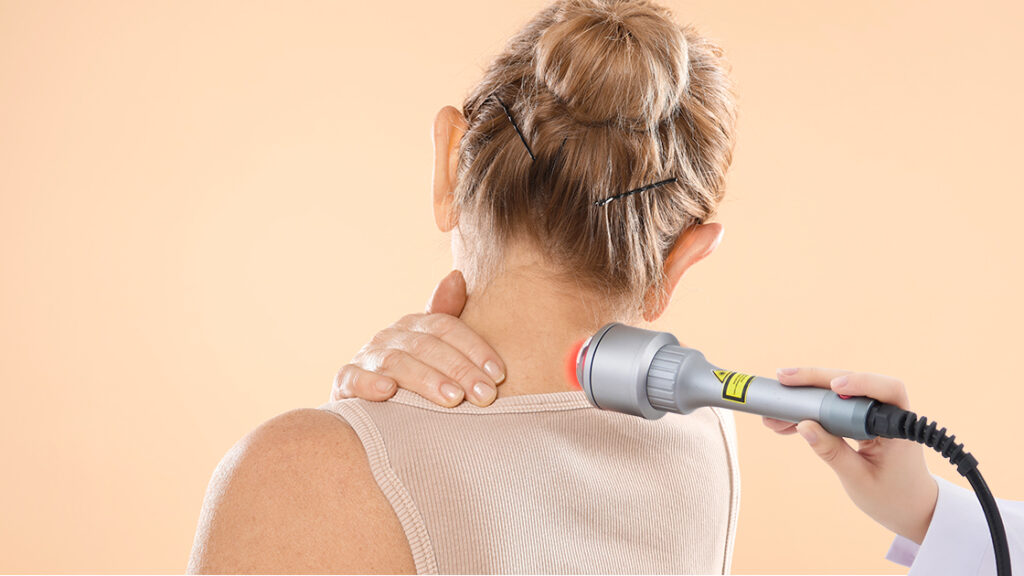
3. Integrating Laser Technology Into Wellness Center Services
Wellness centers are increasingly combining different services to create more complete experiences for clients. Class IV Laser Therapy can become part of a broader recovery ecosystem that includes fitness support, mobility programs, and lifestyle-focused wellness services.
3.1 Expanding Services in Recovery and Wellness Facilities
Many modern recovery facilities focus on providing more than a single service. Instead, they create integrated programs that address different aspects of physical wellness.
By incorporating Class IV Laser Therapy, wellness centers can expand their service options for clients who are interested in technology-supported recovery experiences.
Applications may be included within programs designed around:
- fitness recovery routines
- active lifestyle maintenance
- mobility support programs
- wellness-focused body care
This allows facilities to create more diverse service offerings while meeting the changing expectations of modern wellness consumers.
3.2 Combining Laser Therapy With Other Recovery Approaches
Technology works best when integrated into a complete wellness strategy. Recovery clinics often combine different methods, such as movement exercises, stretching programs, massage techniques, and lifestyle guidance.
Class IV Laser Therapy can complement these approaches by providing an additional technology-based option within a personalized recovery plan.
For professionals, combining laser technology with existing expertise creates opportunities to deliver more comprehensive client experiences. This approach focuses on supporting individual wellness goals rather than relying on a single method.
4. Choosing the Right Class IV Laser Therapy Technology for Recovery Clinics
Selecting appropriate laser technology is an important decision for recovery clinics that want to provide professional and flexible wellness services. Different facilities have different client needs, so understanding key technology features can help professionals choose systems that align with their recovery programs.
4.1 The Importance of High-Power Laser Technology in Recovery Settings
High-power therapeutic laser technology is designed to deliver concentrated energy to targeted areas, making it suitable for professional recovery environments where customized applications are important.
Compared with basic wellness technologies, Class IV Laser Therapy systems provide professionals with greater control over energy delivery. Adjustable power levels, application modes, and treatment parameters allow practitioners to consider different client situations and recovery goals.
For recovery clinics, this flexibility supports the development of structured wellness programs that can be adapted for individuals with different activity levels, fitness backgrounds, and lifestyle needs.
4.2 Understanding Wavelength and Energy Delivery Options
Wavelength technology plays an important role in how laser energy interacts with different tissue areas. Professional Class IV laser systems may use specific wavelengths to provide different energy delivery characteristics.
Different wavelengths can influence factors such as penetration depth and energy absorption patterns. By understanding these technical features, wellness professionals can make more informed decisions when designing recovery applications.
For modern recovery facilities, combining wavelength knowledge with professional assessment helps create a more personalized and technology-driven service experience.
5. The Future of Technology-Based Recovery Programs
As wellness trends continue to develop, recovery clinics are exploring new ways to combine advanced technology with personalized care. Class IV Laser Therapy represents one of the technologies that supports this shift toward more customized and comprehensive wellness services.
5.1 Meeting the Growing Demand for Personalized Recovery Experiences
Today’s wellness clients often expect services that match their individual lifestyles, activity levels, and personal goals. Generic recovery solutions are becoming less attractive as people look for more customized experiences.
Recovery clinics can use Class IV Laser Therapy as part of personalized wellness programs that consider factors such as physical activity habits, recovery preferences, and specific areas of focus.
By combining technology with professional guidance, clinics can create more engaging experiences while helping clients better understand their own recovery routines.
5.2 Building a Modern Recovery Clinic With Advanced Technology
The future of recovery services depends on the combination of professional expertise, advanced equipment, and client-centered care. Technology alone does not replace professional knowledge, but it can provide additional support within a complete wellness approach.
Class IV Laser Therapy allows recovery clinics to introduce a technology-focused element into their services while maintaining attention to personalized care and client comfort.
As wellness facilities continue to evolve, integrating advanced laser technology may help professionals create more diverse recovery programs that meet the changing expectations of active individuals.
FAQ
What is Class IV Laser Therapy?
Class IV Laser Therapy is a high-power therapeutic laser technology that uses concentrated light energy to support professional recovery and wellness applications.
How do recovery clinics use Class IV Laser Therapy?
Recovery clinics may incorporate Laser Therapy into wellness programs designed to support muscle comfort, relaxation, mobility, and recovery routines.
Is Class IV Laser Therapy only for athletes?
No. While athletes often use recovery services, Class IV Laser Therapy can also be used in wellness programs for active individuals and people seeking technology-supported recovery options.
What makes Class IV Laser Therapy different from lower-power laser systems?
Class IV Laser Therapy systems generally provide higher energy output and more adjustable settings, allowing professionals to customize applications based on individual needs.
Can laser therapy be combined with other wellness services?
Yes. Many recovery facilities combine laser technology with other approaches, such as movement programs, stretching, massage, and general wellness services.
Conclusion
Class IV Laser Therapy is becoming an important technology option for modern recovery clinics that want to provide personalized and technology-supported wellness experiences. With features such as high-power laser output, adjustable parameters, wavelength flexibility, and targeted energy delivery, professional systems can support recovery programs designed around different client needs and lifestyles. By combining advanced technology with professional expertise, recovery clinics can continue developing comprehensive wellness services that focus on comfort, mobility, and personalized care.
References
Therapeutic Lasers: A Review of Current Applications in Medicine and Rehabilitation
https://www.ncbi.nlm.nih.gov/pmc/articles/PMC4743666
Photobiomodulation Therapy in Clinical Practice: Mechanisms and Applications
https://www.ncbi.nlm.nih.gov/pmc/articles/PMC4126803
Low-Level Laser Therapy and High-Power Laser Applications in Rehabilitation
https://www.ncbi.nlm.nih.gov/pmc/articles/PMC5901921
Laser Therapy in Rehabilitation and Pain Management: Current Perspectives
https://www.ncbi.nlm.nih.gov/pmc/articles/PMC5754742
Photobiomodulation and Therapeutic Laser Technology: Principles and Clinical Use
https://www.sciencedirect.com/science/article/pii/S0031938418305090
 English
 العربية
 Français
 日本語
日本語 Português
 Español
 Русский
 Deutsch