

Page Contents
Introduction
Piriformis syndrome is a condition often associated with discomfort around the buttock area and challenges with lower body movement. It may affect people with active lifestyles, long periods of sitting, or repetitive physical activities. As more individuals look for non-invasive approaches to support mobility and daily comfort, Class IV Laser Therapy has gained attention in rehabilitation and wellness fields. By using concentrated light energy to support the body’s natural recovery processes, Class IV Laser Therapy provides healthcare professionals with an advanced tool that can be included in personalized care plans for people experiencing piriformis-related discomfort.
1. Understanding Piriformis Syndrome and Modern Recovery Approaches
1.1 What Is Piriformis Syndrome?
Piriformis syndrome involves irritation or sensitivity around the piriformis muscle, a small muscle located deep in the buttock region. This muscle plays an important role in hip movement and lower body stability.
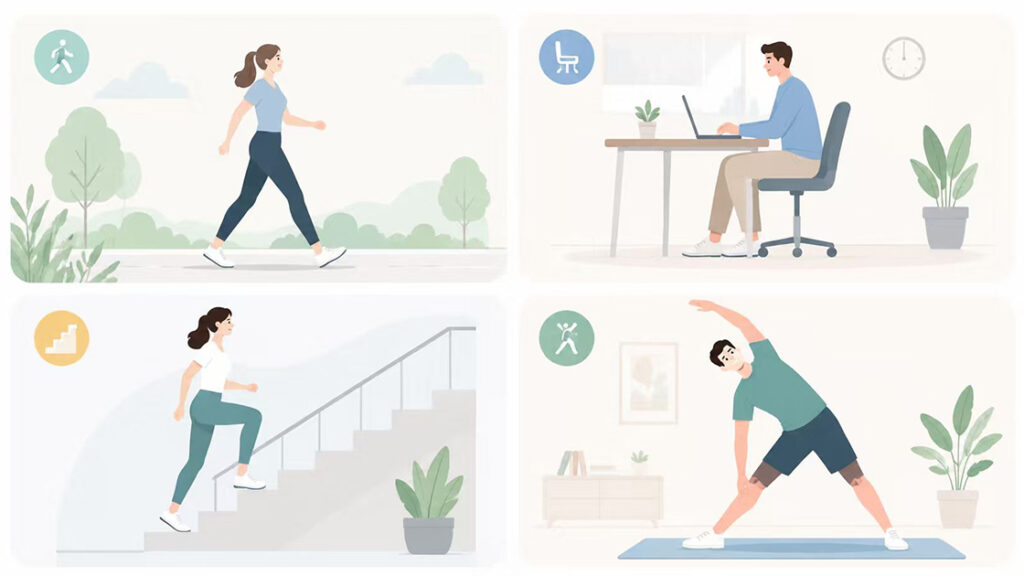
When the piriformis area becomes uncomfortable, some individuals may experience challenges during activities such as walking, sitting, climbing stairs, or maintaining certain body positions.
Several factors may contribute to piriformis-related discomfort, including physical activity patterns, prolonged sitting, muscle imbalance, and repetitive movement.
Understanding the relationship between the piriformis muscle and surrounding structures helps professionals create more targeted approaches for supporting mobility.
1.2 Why Lower Body Mobility Matters in Daily Life
The hips and surrounding muscles contribute significantly to everyday movement.
Simple activities such as:
- Walking
- Standing
- Sitting
- Exercising
- Bending
all require coordinated movement between muscles, joints, and connective tissues.
When discomfort affects the lower body, people may adjust their movement patterns, which can influence overall physical comfort.
Supporting healthy movement patterns is an important part of maintaining an active lifestyle.
1.3 The Role of Advanced Technology in Modern Rehabilitation
Modern rehabilitation continues to incorporate technology-based solutions that support professional care.
Class IV Laser Therapy is one example of an advanced approach used by healthcare professionals in rehabilitation environments.
This type of therapy uses high-powered laser energy to target specific areas while allowing professionals to adjust treatment settings according to individual needs.
The technology provides another option for professionals who focus on supporting mobility and comfort.
2. How Class IV Laser Therapy Relates to Piriformis Syndrome Support
Class IV Laser Therapy has become increasingly recognized in rehabilitation settings because of its ability to deliver controlled light energy to targeted areas. Understanding how this technology fits into piriformis syndrome support helps explain its growing use among healthcare professionals.
2.1 Supporting Targeted Areas Around the Hip and Gluteal Region
The piriformis muscle is located deep within the gluteal area, making targeted approaches an important consideration.
Class IV Laser Therapy allows professionals to focus on specific areas related to individual concerns.
Treatment parameters can be adjusted based on:
- Target location
- Individual condition
- Professional assessment
- Care goals
This personalized approach supports a more structured rehabilitation experience.
2.2 The Importance of Controlled Energy Delivery
One key feature of Class IV Laser Therapy is controlled energy delivery.
Advanced systems allow professionals to adjust settings such as:
- Power level
- Treatment duration
- Application area
These adjustments help create customized sessions based on different needs.
Professional control and proper assessment remain important parts of using laser technology in rehabilitation environments.
2.3 Combining Laser Therapy With Movement-Based Rehabilitation
Mobility support often involves multiple approaches working together.
Class IV Laser Therapy can be included alongside:
- Stretching programs
- Mobility exercises
- Physical rehabilitation plans
- Lifestyle adjustments
Combining technology with movement-focused strategies may help create a more complete approach to supporting lower body function.
3. Who May Benefit From Learning About Class IV Laser Therapy for Piriformis Syndrome?
Piriformis-related discomfort can affect different groups of people. Understanding common situations can help individuals recognize when professional guidance may be useful.
3.1 Active Individuals With Repetitive Lower Body Movement
People who participate in activities involving repeated hip movement may pay attention to lower body comfort.
Examples include:
- Runners
- Cyclists
- Hikers
- Fitness enthusiasts
Repeated movement patterns may create additional demands on muscles around the hip area.
Class IV Laser Therapy may be considered as part of a broader wellness or rehabilitation strategy for supporting active lifestyles.
3.2 People With Long Periods of Sitting
Modern lifestyles often involve extended sitting periods.
Office work, driving, and frequent travel may reduce movement throughout the day.
Maintaining comfortable movement habits is important for overall mobility.
For individuals experiencing piriformis-related discomfort, healthcare professionals may explore different approaches, including technology-assisted options such as Class IV Laser Therapy.
3.3 Older Adults Focused on Maintaining Mobility
Maintaining mobility becomes increasingly important as people age.
Older adults often focus on:
- Staying active
- Supporting independence
- Maintaining daily movement ability
Personalized rehabilitation programs may include different methods designed to support comfort and mobility.
Class IV Laser Therapy represents one technology option that professionals may consider within these programs.
4. The Growing Role of Class IV Laser Therapy in Rehabilitation Settings
As rehabilitation technology continues to develop, healthcare providers are exploring advanced tools that support personalized care.
4.1 Why Rehabilitation Professionals Explore Laser Technology
Rehabilitation professionals often look for solutions that provide:
- Targeted application
- Adjustable settings
- Flexible treatment options
Class IV Laser Therapy offers technology designed around controlled energy delivery and professional customization.
These features allow it to fit into various rehabilitation environments.
4.2 Supporting Personalized Care Plans
Every individual has different movement patterns and wellness goals.
A personalized approach considers:
- Lifestyle
- Activity level
- Physical condition
- Recovery objectives
Class IV Laser Therapy can be integrated into individualized care plans based on professional evaluation.
This helps ensure that technology is used as part of a broader support strategy.
5. The Future of Class IV Laser Therapy for Mobility Support
Technology continues to influence the development of modern rehabilitation and wellness services. Class IV Laser Therapy represents one example of how innovation is expanding available options for supporting mobility.
5.1 Advances in Rehabilitation Technology
Future rehabilitation technology may continue focusing on:
- Improved precision
- Better customization
- More comfortable user experiences
As healthcare professionals adopt new tools, technology will continue playing a role in personalized mobility support.
5.2 Building Better Mobility Experiences
Mobility is an important part of quality of life.
For people managing piriformis-related discomfort, maintaining comfortable movement can influence daily activities and lifestyle choices.
Through professional guidance and advanced technology, rehabilitation approaches continue evolving to support individual needs.
FAQ
What is piriformis syndrome?
Piriformis syndrome involves discomfort related to the piriformis muscle area, which plays a role in hip movement.
How does Class IV Laser Therapy work?
Class IV Laser Therapy uses concentrated light energy delivered through professional settings to support targeted areas.
Can Class IV Laser Therapy replace rehabilitation exercises?
No. It is generally considered as a complementary option that may be combined with professional rehabilitation strategies.
Who may explore Class IV Laser Therapy?
People experiencing mobility concerns may discuss technology-based options with qualified healthcare professionals.
Is Class IV Laser Therapy only for athletes?
No. Different individuals, including active people and those with daily mobility concerns, may explore this type of technology.
Conclusion
Piriformis syndrome can affect movement comfort and daily activities, making mobility support an important consideration for many individuals. Class IV Laser Therapy provides rehabilitation professionals with an advanced technology option that uses controlled light energy to support personalized care approaches. When combined with professional assessment, movement strategies, and healthy lifestyle habits, laser therapy technology can become part of modern approaches designed to support lower body comfort and mobility.
References
“Piriformis Syndrome: A Review of the Literature”
https://www.ncbi.nlm.nih.gov/pmc/articles/PMC9056768
“Low-Level Laser Therapy in Musculoskeletal Disorders”
https://www.ncbi.nlm.nih.gov/pmc/articles/PMC4743666
“Photobiomodulation Therapy in Pain Management and Rehabilitation”
https://www.ncbi.nlm.nih.gov/pmc/articles/PMC5215878
“Laser Therapy and Its Applications in Rehabilitation Medicine”
https://www.ncbi.nlm.nih.gov/pmc/articles/PMC5503677
“Photobiomodulation: A Review of Current Applications in Medicine”
 English
 العربية
 Français
 日本語
日本語 Português
 Español
 Русский
 Deutsch