

Page Contents
Introduction
Arthritis is one of the most common chronic conditions worldwide, causing joint stiffness, pain, and reduced mobility. These symptoms can significantly impact daily life, making tasks like walking, climbing stairs, or holding objects challenging. Traditional treatments such as medication, physical therapy, or surgery can help, but each has limitations including side effects, invasive procedures, or inconsistent results.
Class IV laser therapy has emerged as a safe, non-invasive, and effective treatment for arthritis-related joint stiffness. By using high-powered infrared light to penetrate deep tissue, this therapy stimulates cellular energy, reduces inflammation, and promotes tissue repair. It is suitable for various joints, including knees, hands, hips, and shoulders. This article explores how Class IV laser therapy works, its benefits, safety considerations, treatment plans, and expected outcomes.
1. Understanding Arthritis and Joint Stiffness
Before exploring laser therapy, it’s crucial to understand why arthritis causes joint stiffness.
1.1 Types of Arthritis
Arthritis is a broad term covering several joint conditions:
- Osteoarthritis (OA): Degeneration of cartilage due to age or wear-and-tear, leading to stiffness and pain.
- Rheumatoid Arthritis (RA): An autoimmune condition where the immune system attacks joint tissues, causing inflammation and stiffness.
- Other inflammatory or degenerative joint disorders: Including psoriatic arthritis, ankylosing spondylitis, and post-traumatic arthritis.
Understanding the type of arthritis is key to tailoring effective treatment plans, including Class IV laser therapy.
1.2 How Arthritis Causes Stiffness
Stiffness in arthritis arises from multiple factors:
- Cartilage breakdown: Reduces smooth gliding surfaces in joints.
- Inflammation: Swelling and irritation limit joint movement.
- Muscle tension: Surrounding muscles tighten to protect the joint, further restricting flexibility.
Combined, these factors make routine movements uncomfortable and reduce the range of motion.
1.3 Impact on Daily Life
Joint stiffness affects everyday activities:
- Walking or climbing stairs becomes difficult.
- Fine motor tasks like gripping or writing can be painful.
- Chronic discomfort can lead to fatigue, reduced mobility, and lower quality of life.
Effective interventions are essential to maintain independence and comfort.
2. Traditional Treatments for Joint Stiffness
While conventional treatments are common, they have limitations that Class IV laser therapy can complement.
2.1 Medications
- Non-steroidal anti-inflammatory drugs (NSAIDs): Reduce pain and swelling.
- Analgesics: Provide temporary relief.
Limitations: Side effects such as gastrointestinal issues, liver strain, or dependence; effects are often short-term.
2.2 Physical Therapy and Exercise
- Strengthening and stretching exercises help maintain joint flexibility.
- Improves muscle support around affected joints.
Challenges: Requires consistent effort; immediate relief is limited, and compliance can be an issue for some patients.
2.3 Surgery or Invasive Procedures
- Joint replacement or arthroscopic interventions are options for severe arthritis.
- Invasive, requires long recovery periods, and may not be suitable for all patients.
Class IV laser therapy offers a non-surgical alternative for pain and stiffness management.
3. How Class IV Laser Therapy Works
Modern Class IV laser therapy delivers high-power infrared light deep into tissues to stimulate cellular repair and reduce inflammation.
3.1 Principles of Class IV Laser Therapy
- Penetrates deeper than low-level lasers, reaching muscles, tendons, and joint capsules.
- Stimulates mitochondria to produce more ATP, the energy molecule essential for tissue repair.
- Encourages an anti-inflammatory response, reducing swelling and pain.
3.2 Mechanism for Reducing Stiffness
- Increases circulation: Promotes oxygen and nutrient delivery to the joint.
- Reduces inflammation: Minimizes pain and swelling that restrict movement.
- Relaxes muscles: Decreases tension around affected joints, improving flexibility.
3.3 Safety and Comfort
- Non-invasive and generally well-tolerated.
- Intensity can be adjusted based on patient comfort.
- Suitable for multiple joint areas including knees, hips, shoulders, and hands.
4. Benefits of Class IV Laser Therapy for Arthritis
4.1 Pain Reduction
Patients often experience significant relief from chronic joint pain, enabling daily activities with less reliance on medication.
4.2 Improved Joint Mobility
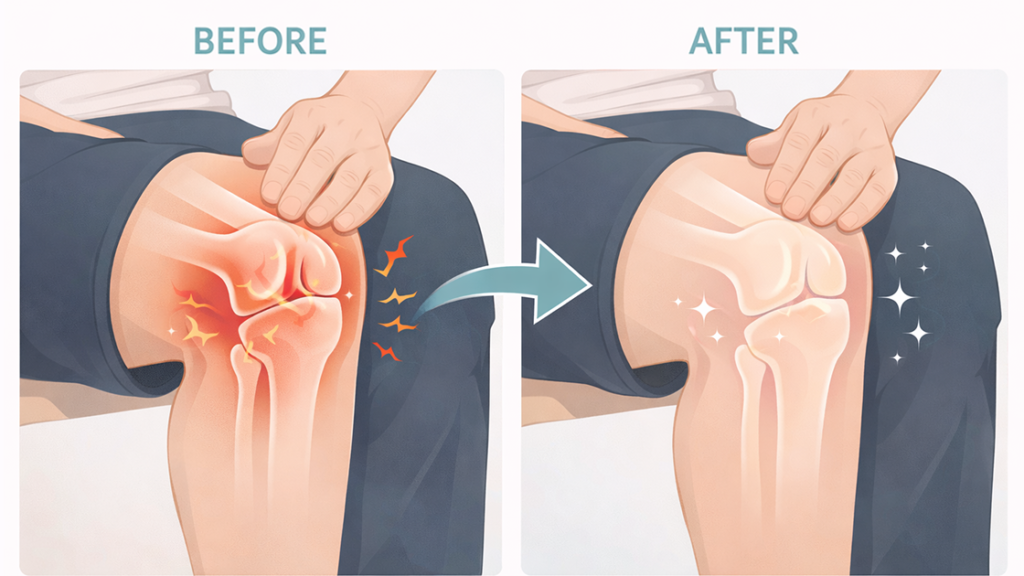
Laser therapy reduces stiffness and increases range of motion, making movements smoother and less restricted.
4.3 Accelerated Tissue Healing
The therapy supports cartilage repair, reduces inflammation, and complements physical therapy to enhance overall joint health.
5. Ideal Candidates for Class IV Laser Therapy
5.1 Early to Moderate Arthritis
Most effective before severe joint degeneration, helping maintain function and slow progression.
5.2 Individuals with Chronic Joint Stiffness
Ideal for those struggling with daily activity limitations and seeking non-surgical treatment options.
5.3 Complementary Therapy Seekers
Patients already using physical therapy or medications may benefit from reduced reliance on drugs and enhanced treatment outcomes.
6. Treatment Plan and Expectations
6.1 Typical Session Structure
- Duration: 10–20 minutes per joint.
- Frequency: 2–3 sessions per week initially, adjusted based on response.
6.2 Number of Sessions Required
- Usually 6–12 sessions depending on severity.
- Maintenance sessions may be recommended to sustain long-term results.
6.3 Expected Results
- Gradual reduction in stiffness and pain.
- Improved ability to perform daily tasks.
- Results vary based on arthritis type, severity, and individual response.
FAQ
Is Class IV laser therapy safe for all ages?
Yes, generally safe, but patients should consult a professional for personalized assessment.
Can it be used alongside medications or physical therapy?
Absolutely. It often complements existing treatments and can reduce reliance on painkillers.
How soon will I notice improvements?
Some patients report reduced stiffness after a few sessions, with gradual improvement over the course of treatment.
Are there side effects?
Minimal; some patients may experience mild warmth or redness at the treatment site, which usually resolves quickly.
Does insurance cover Class IV laser therapy for arthritis?
Coverage varies; patients should check with their provider or clinic for details.
Conclusion
Class IV laser therapy provides a safe, non-invasive, and effective solution for arthritis-related joint stiffness. By reducing pain, improving mobility, and supporting tissue repair, it offers a valuable complement to traditional treatments such as medication and physical therapy. For individuals seeking improved function and quality of life, this therapy represents a modern, evidence-informed approach to managing arthritis.
References
Overview of Laser Therapy for Arthritis
https://www.ncbi.nlm.nih.gov/books/NBK531492
Class IV Laser Therapy: Principles and Applications
https://www.sciencedirect.com/topics/medicine-and-dentistry/class-iv-laser
Non-Invasive Pain Management Techniques for Arthritis
 English
 العربية
 Français
 日本語
日本語 Português
 Español
 Русский
 Deutsch