

Page Contents
Introduction
Fibromyalgia is a condition that defies easy explanation. It is not simply muscle pain or fatigue. It is a complex syndrome that affects the entire body, altering how the brain processes pain signals and leaving those who live with it in a state of constant, widespread discomfort. For millions of people, fibromyalgia turns everyday activities into challenges. Simple tasks like carrying groceries, sitting through a work meeting, or even getting a good night‘s sleep become unpredictable and often painful. The condition does not discriminate, affecting people across all ages and backgrounds, though it is more commonly diagnosed in women. For those who have tried conventional treatments without finding lasting relief, Class IV laser therapy offers a non‑invasive, drug‑free approach that works with the body‘s own healing mechanisms to manage pain and improve quality of life.
1. Understanding Fibromyalgia and Its Challenges
Fibromyalgia is a chronic condition characterized by widespread musculoskeletal pain, fatigue, and tenderness in localized areas. It is not a disease in the traditional sense but rather a syndrome that involves a combination of symptoms that vary from person to person. The hallmark of fibromyalgia is pain that persists for more than three months, accompanied by other symptoms that can disrupt daily life.
1.1 What Fibromyalgia Feels Like
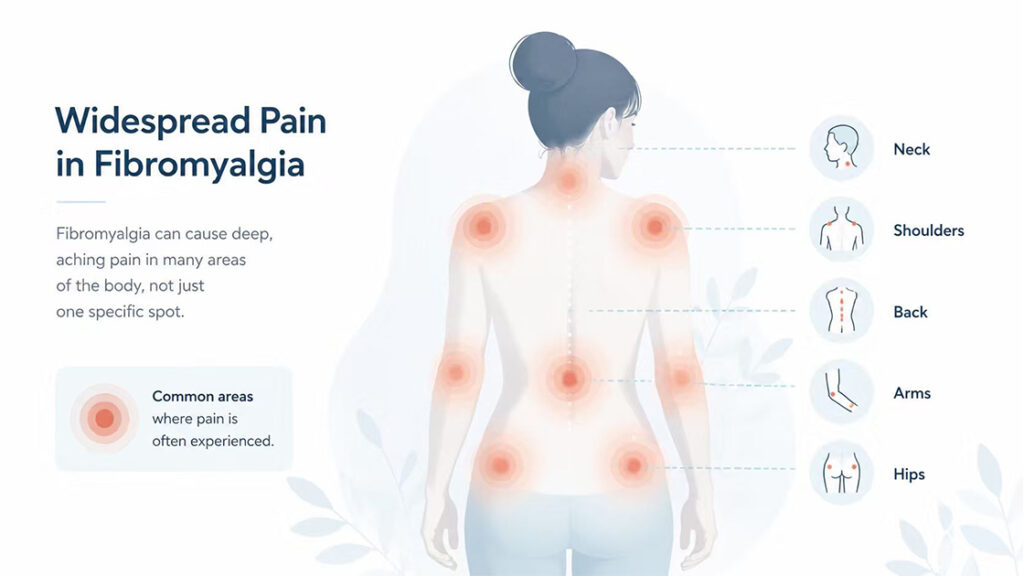
The pain of fibromyalgia is often described as a deep ache or burning sensation that moves around the body. It is not confined to one joint or muscle group. It can affect the neck, shoulders, back, hips, and limbs simultaneously. Many people with fibromyalgia also experience fatigue that goes beyond normal tiredness. This fatigue can be so severe that it interferes with work, social activities, and personal relationships. Sleep disturbances are common, with many individuals waking up feeling unrefreshed even after a full night‘s rest. Cognitive difficulties, often referred to as “fibro fog,” can make it hard to concentrate, remember things, or think clearly.
1.2 The Central Sensitization Connection
Research suggests that fibromyalgia involves a phenomenon called central sensitization. This means that the central nervous system, which includes the brain and spinal cord, becomes overly sensitive to pain signals. Normally, the body filters out many non‑threatening sensations. In people with fibromyalgia, this filtering system does not work properly. The brain amplifies pain signals, making everyday sensations feel painful. This heightened sensitivity explains why even light touch or gentle pressure can cause discomfort in someone with fibromyalgia.
1.3 The Limitations of Conventional Treatment
Traditional approaches to fibromyalgia often include medications such as antidepressants, anti‑seizure drugs, and pain relievers. While these can help some people, they do not work for everyone. Side effects are common, and many individuals find that medications provide only partial relief. Lifestyle changes such as exercise, stress management, and good sleep hygiene are also recommended, but they can be difficult to maintain when pain and fatigue are severe. The search for effective, sustainable options often leads people to explore complementary therapies that address the underlying mechanisms of the condition.
2. How Class IV Laser Therapy Works
Class IV laser therapy, also known as high‑intensity laser therapy, uses specific wavelengths of light to penetrate deep into the tissues. This process, called photobiomodulation, triggers a series of biological responses that can help manage pain and support healing.
2.1 Photobiomodulation at the Cellular Level
When the light from a Class IV laser reaches the target tissues, it is absorbed by mitochondria within the cells. Mitochondria are the powerhouses of the cell, responsible for producing energy. This absorption of light energy enhances the production of adenosine triphosphate (ATP), the primary energy carrier in cells. Higher ATP levels support essential cellular functions, including protein synthesis, membrane transport, and the removal of waste products. This cellular boost helps shift tissues from a state of dysfunction toward a more active repair phase.
2.2 Reducing Inflammation and Modulating Pain
One of the key benefits of Class IV laser therapy is its ability to reduce inflammation. The laser energy decreases the activity of pro‑inflammatory enzymes and mediators, helping to calm the inflammatory environment that can contribute to pain. At the same time, the therapy influences how pain signals are transmitted. It can alter the way pain receptors send signals to the brain, effectively reducing the perception of pain without the use of medication. This dual action makes Class IV laser therapy particularly relevant for conditions like fibromyalgia, where both inflammation and altered pain processing play a role.
2.3 Improving Circulation and Supporting Tissue Repair
Class IV laser therapy also promotes the formation of new blood vessels, a process called neovascularization. Enhanced circulation brings oxygen and nutrients to tissues that may have been deprived of them. This improved blood flow supports the delivery of healing factors to affected areas while carrying away metabolic waste products that can accumulate and contribute to discomfort. For individuals with fibromyalgia, this can mean less stiffness and better overall tissue health.
3. Clinical Evidence for Fibromyalgia
A growing body of research supports the use of high‑intensity laser therapy for fibromyalgia. Studies have examined both pain reduction and improvements in quality of life, providing encouraging evidence for those considering this treatment option.
3.1 What the Research Shows
A 2025 randomized controlled trial investigated the effects of high‑intensity laser therapy on pain, health status, and quality of life in women with fibromyalgia. The study found that high‑intensity laser therapy may be an effective treatment option, potentially enhancing pain management, reducing the impact of fibromyalgia, and improving overall quality of life. The therapy was well tolerated, and participants showed meaningful improvements in key outcome measures.
3.2 Systematic Review Evidence
A systematic review published in 2024 evaluated the effectiveness of photobiomodulation therapy in managing fibromyalgia symptoms. The review assessed outcomes including pain, physical function, sleep quality, and overall well‑being. The findings supported the use of photobiomodulation as a valuable component of a multidisciplinary approach to fibromyalgia management. While more research is needed to establish standardized protocols, the evidence suggests that this therapy can offer meaningful benefits for many individuals.
3.3 Why Class IV Lasers Are Particularly Suited
The depth of penetration offered by Class IV lasers is important for treating fibromyalgia. The pain associated with this condition often involves deep tissues, including muscles, fascia, and nerves. Lower‑class lasers may not reach these structures effectively. Class IV devices overcome this limitation, providing sufficient energy to target the areas where pain originates. The non‑invasive nature of the treatment and the absence of pharmaceutical side effects make it an attractive option for those who have not found relief through conventional means.
4. What to Expect from Treatment
For individuals considering Class IV laser therapy for fibromyalgia, understanding the typical course of treatment helps set realistic expectations.
4.1 The Treatment Experience
A typical Class IV laser session lasts between ten and twenty minutes, depending on the areas being treated. The practitioner positions the applicator over the affected regions, such as the neck, shoulders, back, or hips. Most people describe the sensation as a gentle warmth or mild tingling. The treatment requires no anesthesia, and individuals can return to their normal activities immediately afterward.
4.2 Number of Sessions and Timeline
The number of sessions varies depending on the severity of symptoms and the individual‘s response to treatment. Some people notice improvement after a few sessions, while others benefit from a longer series. A typical course of treatment may involve multiple sessions over several weeks. The full effect often becomes apparent over time, as the cumulative benefits of the therapy build.
4.3 Integrating with Other Approaches
Class IV laser therapy works most effectively as part of a comprehensive management plan. Gentle exercise, stress reduction techniques, and good sleep habits all support the body‘s healing processes. The therapy does not replace these measures but complements them, making it easier for individuals to engage in the activities that promote overall well‑being.
5. Long‑Term Strategies for Managing Fibromyalgia
Managing fibromyalgia is an ongoing process that requires attention to multiple aspects of health. While Class IV laser therapy can provide significant relief, long‑term success depends on a holistic approach.
5.1 Gentle Movement and Exercise
Regular, gentle exercise is one of the most effective ways to manage fibromyalgia symptoms. Activities such as walking, swimming, and stretching can help maintain muscle strength and flexibility without overloading the body. Starting slowly and gradually increasing activity levels is important to avoid flare‑ups.
5.2 Stress Management
Stress can trigger or worsen fibromyalgia symptoms. Techniques such as deep breathing, meditation, and mindfulness can help reduce stress levels. Finding activities that promote relaxation, whether reading, listening to music, or spending time in nature, can also make a difference.
5.3 Sleep Hygiene
Improving sleep quality is essential for managing fibromyalgia. Establishing a regular sleep schedule, creating a comfortable sleep environment, and avoiding screens before bedtime can help. Good sleep supports the body‘s natural healing processes and can reduce the severity of symptoms.
FAQ
Q1: Is Class IV laser therapy painful for fibromyalgia?
Most people describe a gentle warmth or mild tingling sensation during treatment. The procedure is generally comfortable and brief.
Q2: How many sessions does a person typically need?
The number varies. Some people notice improvement after a few sessions, while others benefit from a longer series. A typical course may involve multiple sessions over several weeks.
Q3: Can I continue my normal activities during treatment?
Yes. The treatment requires no downtime, and people can return to their normal activities immediately after each session.
Q4: How soon after treatment will I feel less pain?
Some people notice reduced discomfort within a few sessions. The most noticeable improvement often takes several weeks to appear as the cumulative effects of the therapy build.
Q5: Does Class IV laser therapy work for all types of fibromyalgia?
Class IV laser therapy shows promise for managing the pain and inflammation associated with fibromyalgia. A thorough evaluation helps determine if it is an appropriate option for your specific condition.
Conclusion
Living with fibromyalgia means navigating a world of unpredictable pain and fatigue. The condition can affect every aspect of life, from work and relationships to the simple pleasure of a good night‘s rest. For those who have tried conventional treatments without lasting relief, Class IV laser therapy offers a non‑invasive, drug‑free option that works with the body‘s own healing mechanisms. By reducing inflammation, modulating pain signals, and supporting tissue repair, the therapy addresses both the symptoms and the underlying processes that drive fibromyalgia. When combined with gentle exercise, stress management, and good sleep habits, Class IV laser therapy may help individuals find the relief they need to live fuller, more comfortable lives.
References
High-intensity laser therapy can improve pain, health status and quality of life in women with fibromyalgia: a single blinded-randomized controlled trial. Lasers in Medical Science, 2025.
https://pubmed.ncbi.nlm.nih.gov/40032695
Effectiveness of Photobiomodulation Therapy in the Management of Fibromyalgia Syndrome: A Systematic Review. Antioxidants, 2024.
https://doaj.org/article/4f8a7b3c2d1e5f6a7b8c9d0e1f2a3b4c
Class 4 Laser Therapy: A Powerful Solution for Pain and Healing. Smart Laser Therapy.
A Closer Look at Class 4 Lasers. Smart Laser Therapy.
Laser Therapy: A Guide to Targeted Tissues. Smart Laser Therapy.
 English
 العربية
 Français
 日本語
日本語 Português
 Español
 Русский
 Deutsch