

Page Contents
Introduction
Cervical spondylosis, also referred to as neck osteoarthritis, is a common degenerative condition affecting the cervical spine. It involves the gradual wear and tear of intervertebral discs, formation of osteophytes, and stiffening of ligaments, which can result in chronic neck pain, reduced mobility, and neurological symptoms such as numbness or tingling in the arms. While conventional treatments often focus on pain management through medication or physical therapy, Class IV laser therapy has emerged as a non-invasive, scientifically supported solution. By delivering high-intensity laser energy into deep tissues, it stimulates cellular metabolism, reduces inflammation, and promotes tissue repair, offering patients a safe and effective alternative for managing cervical spondylosis.
1. Understanding Cervical Spondylosis
A comprehensive understanding of cervical spondylosis is essential for evaluating treatment options and optimizing outcomes.
1.1 What is Cervical Spondylosis?
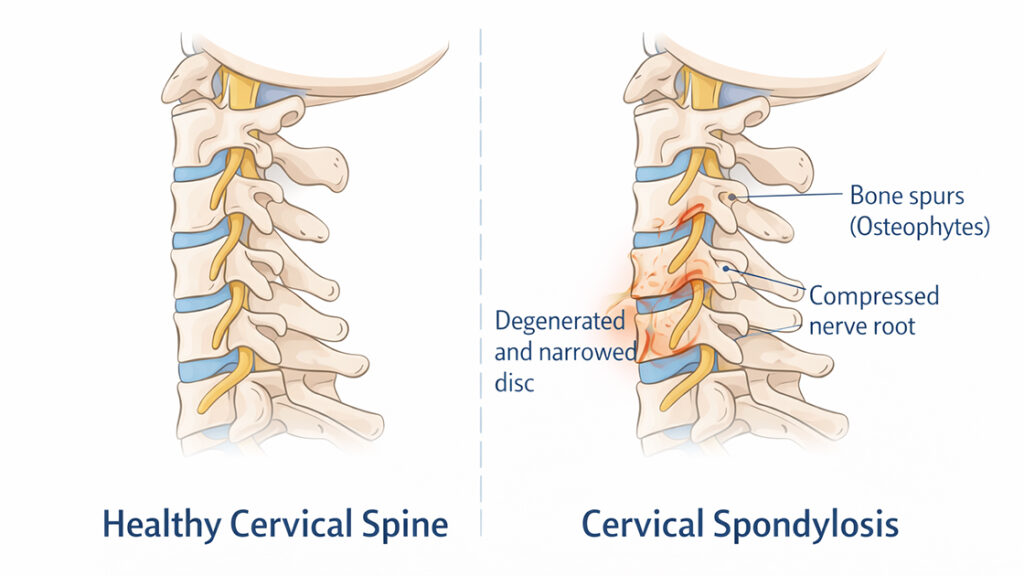
Cervical spondylosis is a degenerative condition of the cervical spine, characterized by progressive deterioration of intervertebral discs, formation of bone spurs (osteophytes), and loss of normal cervical curvature. The degeneration leads to narrowing of intervertebral spaces, stiffness in ligaments, and reduced flexibility in the neck. Clinically, patients may experience persistent neck pain, limited range of motion, and in severe cases, nerve root or spinal cord compression. Unlike acute injuries, cervical spondylosis develops gradually and is often associated with aging, though lifestyle and genetic factors can accelerate its onset.
1.2 Causes and Risk Factors
The etiology of cervical spondylosis is multifactorial. Aging is the primary factor, as disc dehydration and collagen breakdown reduce the spine’s structural integrity over time. Poor posture, prolonged sedentary behavior, repetitive neck movements, and prior cervical injuries can exacerbate degeneration. Genetic predisposition may influence disc resilience, while occupational factors, such as frequent heavy lifting or prolonged computer use, contribute to accelerated wear. Smoking, insufficient exercise, and nutritional deficiencies can further impair tissue repair, making individuals more susceptible to cervical spine deterioration.
1.3 Symptoms and Complications
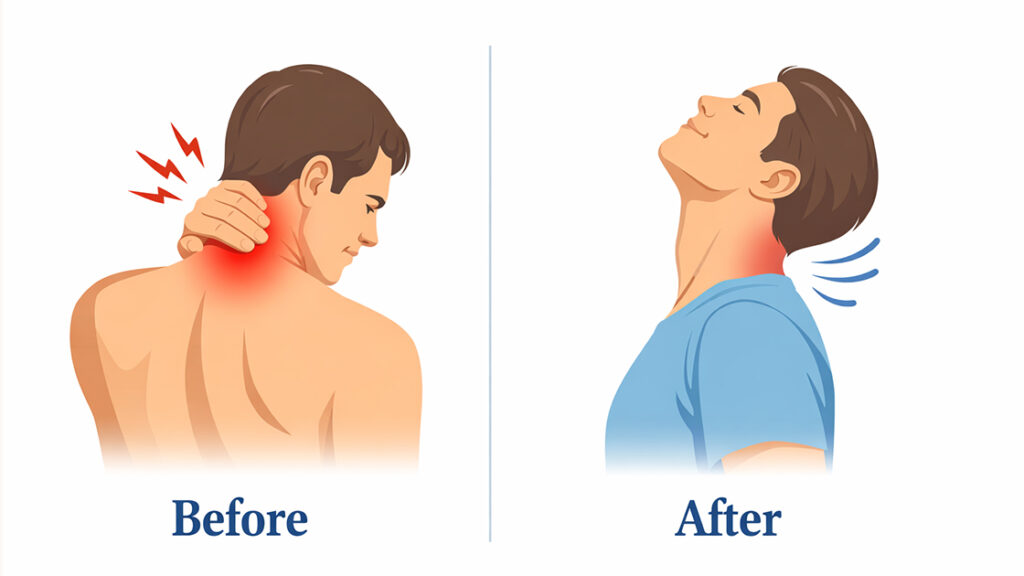
Patients with cervical spondylosis commonly present with neck stiffness, localized or radiating pain, and muscle tension in the shoulders and upper back. Neurological manifestations, such as tingling, numbness, or weakness in the arms and hands, may indicate nerve root compression. Severe or untreated cases can lead to reduced cervical mobility, difficulty performing daily tasks, and chronic discomfort that affects quality of life. Early recognition and intervention are critical to prevent progression and minimize functional impairment.
2. What is Class IV Laser Therapy?
Class IV laser therapy represents a modern, high-intensity laser approach specifically designed to penetrate deeper tissues than low-level lasers while promoting cellular and vascular responses conducive to healing.
2.1 Definition of Class IV Laser Therapy
Class IV lasers emit higher power levels (greater than 500 mW) compared to low-level lasers (LLLT), allowing for deeper tissue penetration and more pronounced photobiomodulation effects. They operate at wavelengths that optimize absorption by tissues and water, generating thermal and photochemical reactions that stimulate cellular metabolism. Unlike traditional pain medications, Class IV laser therapy directly addresses the underlying tissue degeneration and inflammation, making it a non-invasive option for chronic musculoskeletal conditions like cervical spondylosis.
2.2 Mechanism of Action
Class IV laser therapy works by delivering controlled light energy into targeted tissues, where it is absorbed by mitochondrial chromophores to increase adenosine triphosphate (ATP) production. This boost in cellular energy enhances tissue repair, collagen synthesis, and fibroblast activity. Additionally, laser exposure modulates inflammatory mediators, reduces nerve excitability, and increases local blood flow, which helps alleviate pain and promote nutrient delivery to compromised spinal structures. The combination of anti-inflammatory and regenerative effects makes it a comprehensive approach for neck osteoarthritis.
3. How Class IV Laser Therapy Helps Cervical Spondylosis
Class IV laser therapy addresses multiple aspects of cervical spondylosis, from pain relief to tissue healing, providing both symptomatic and functional improvements.
3.1 Reducing Pain and Inflammation
Laser therapy alleviates pain by decreasing pro-inflammatory cytokines and reducing nerve sensitivity in affected cervical tissues. Thermal effects of the laser relax tight muscles and diminish joint stiffness, contributing to immediate relief. Compared to pharmacological interventions, laser therapy avoids systemic side effects while targeting localized sources of discomfort. Patients often experience a reduction in neck pain intensity and improved comfort during daily activities after a series of treatments.
3.2 Improving Range of Motion and Muscle Flexibility
Cervical spondylosis often leads to decreased neck mobility due to stiffened ligaments and contracted muscles. Class IV laser therapy helps relax pericervical muscles, improve ligament elasticity, and restore joint flexibility. Enhanced microcirculation promotes nutrient and oxygen delivery to muscles and connective tissues, facilitating functional recovery. Over time, patients regain greater movement in rotation, flexion, and extension, reducing compensatory strain on adjacent structures and enhancing overall cervical spine health.
3.3 Enhancing Tissue Healing
One of the unique advantages of Class IV laser therapy is its ability to promote tissue regeneration. By stimulating fibroblast activity and collagen synthesis in ligaments and tendons, the therapy strengthens structural support around the cervical vertebrae. Improved local circulation accelerates the clearance of metabolic waste and supports the repair of degenerated discs and soft tissues. This regenerative effect not only addresses immediate symptoms but also helps slow disease progression and preserve long-term cervical function.
4. Treatment Protocol and Procedure
Adhering to a structured treatment protocol ensures both safety and effectiveness in managing cervical spondylosis.
4.1 Pre-Treatment Assessment
Before initiating therapy, a thorough evaluation is conducted, including medical history, imaging studies (such as MRI or X-rays), and functional assessment of neck mobility. Clinicians also identify contraindications, such as photosensitivity, pregnancy, or the presence of implanted electronic devices, to ensure patient safety and optimize treatment outcomes.
4.2 Treatment Process
During treatment, the Class IV laser device delivers precise energy to the cervical region using controlled pulses. Each session typically lasts 10–20 minutes, depending on the severity of degeneration and inflammation. Protective eyewear is required for both patient and clinician, and energy levels are adjusted according to patient tolerance and tissue response. Multiple sessions over several weeks are often recommended to achieve optimal therapeutic effects.
4.3 Recovery and Follow-Up
Class IV laser therapy is generally well-tolerated, with minimal downtime. Patients may experience mild warmth, tingling, or transient redness in the treated area. Following a course of treatment, clinicians often recommend follow-up evaluations to monitor pain levels, range of motion, and tissue response. Maintenance sessions may be scheduled periodically to sustain improvements and prevent recurrence.
5. Who Can Benefit from Class IV Laser Therapy?
Class IV laser therapy is suitable for a broad spectrum of patients, particularly those seeking non-invasive interventions for neck osteoarthritis.
5.1 Mild to Moderate Cervical Spondylosis
Patients with early or moderate degeneration often respond best, experiencing both symptom relief and functional improvements.
5.2 Patients Seeking Non-Surgical Pain Relief
Individuals who wish to avoid surgery or reduce reliance on pain medications can benefit from the targeted, non-invasive nature of laser therapy.
5.3 Individuals with Limited Mobility or Chronic Neck Discomfort
Laser therapy provides a safe alternative for patients experiencing chronic stiffness, muscle tension, or reduced cervical range of motion.
6. Class IV Laser Therapy vs Other Treatments
Comparing laser therapy to conventional interventions highlights its unique advantages.
6.1 Laser vs Physical Therapy
While physical therapy focuses on strengthening and mobility, laser therapy addresses underlying inflammation and cellular repair, complementing exercise regimens for enhanced recovery.
6.2 Laser vs Medication (NSAIDs / Painkillers)
Unlike systemic medications, Class IV laser therapy targets local tissues, reducing inflammation and pain without gastrointestinal or cardiovascular side effects.
6.3 Laser as Part of a Multi-Modal Approach
Class IV laser therapy is often integrated with exercise, posture correction, and ergonomic interventions for comprehensive management of cervical spondylosis.
FAQ
Is Class IV laser therapy safe for neck treatment?
Yes. When administered by trained clinicians, it is non-invasive, painless, and associated with minimal side effects.
How many sessions are required for noticeable improvement?
Patients typically undergo 6–12 sessions, depending on severity, with gradual symptom relief observed after a few treatments.
Can laser therapy replace surgery or medication?
Laser therapy is a conservative treatment. While it cannot reverse severe structural damage, it can significantly reduce symptoms and may reduce the need for surgery or long-term medication.
Are there any side effects or contraindications?
Side effects are minimal, such as transient warmth or mild redness. Contraindications include photosensitive conditions, pregnancy, or implanted electronic devices.
Conclusion
Class IV laser therapy is a scientifically validated, non-invasive treatment option for managing cervical spondylosis. By reducing inflammation, alleviating pain, improving range of motion, and promoting tissue repair, it addresses both symptoms and underlying degenerative processes. Its safety, precision, and efficacy make it a valuable addition to conventional treatment strategies, particularly for patients seeking to minimize medication use or avoid surgical intervention. Early intervention with laser therapy can help preserve cervical function, enhance quality of life, and slow the progression of neck osteoarthritis.
References
Class IV Laser Therapy: Mechanisms and Clinical Applications
https://www.ncbi.nlm.nih.gov/pmc/articles/PMC6144363
Cervical Spondylosis: Diagnosis and Management
https://www.aafp.org/pubs/afp/issues/2019/1201/p742.html
Photobiomodulation for Neck Pain and Osteoarthritis
https://www.sciencedirect.com/science/article/pii/S1744388118300140
 English
 العربية
 Français
 日本語
日本語 Português
 Español
 Русский
 Deutsch