
Page Contents
Introduction
Marathoners know the feeling well. That dull ache just above the heel starts a few miles into a long run. Morning stiffness makes the first steps out of bed a cautious shuffle. The nagging soreness lingers long after the training session ends. For many distance runners, this pattern signals mid-portion Achilles tendinopathy. This condition affects a significant portion of runners, and its degenerative nature means that traditional rest-and-ice approaches often fall short. For marathoners seeking a non-invasive, drug-free option to support their recovery, Class IV laser therapy offers a targeted approach that works at the cellular level to promote tendon healing and reduce discomfort.
1. Understanding Mid-Portion Achilles Tendinopathy
The Achilles tendon connects the calf muscles to the heel bone. It transmits the forces generated during running and jumping. Mid-portion Achilles tendinopathy refers to pain and dysfunction localized 2 to 6 centimeters above the tendon‘s insertion point on the heel bone. Unlike acute tendonitis, which involves active inflammation, this condition typically represents a degenerative process. Degenerative tendinopathy features disorganized collagen fibers, reduced tendon stiffness, and impaired force transmission.
1.1 Why Marathoners Face Higher Risk
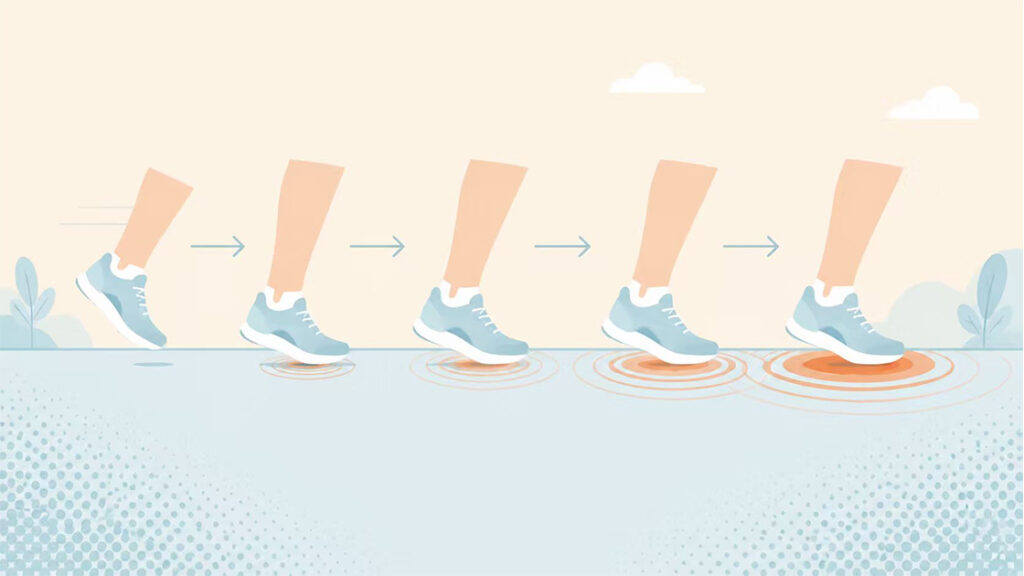
Marathon training involves repetitive loading of the Achilles tendon through high-mileage weeks, hill workouts, and speed sessions. Each footstrike transmits forces several times the runner’s body weight through the tendon. Over time, this repetitive mechanical stress can exceed the tendon‘s adaptive capacity. Microtrauma accumulates faster than the body can repair it. The lifetime incidence of Achilles tendinopathy exceeds 50% in runners, making it one of the most prevalent running-related injuries. Sudden increases in training volume, inadequate recovery between sessions, and biomechanical inefficiencies further elevate this risk.
1.2 Recognizing the Symptoms
Runners with mid-portion Achilles tendinopathy typically experience pain localized 2 to 6 centimeters above the heel. They often describe this pain as a dull ache or sharp sting that worsens with activity. Morning stiffness is a hallmark feature. The tendon feels tight and painful with the first few steps after waking, then gradually loosens with gentle movement. Tenderness upon palpation of the tendon is common. Swelling may also appear in some cases. Pain often intensifies during running, particularly on hills or during speed work, and may persist into the hours following a session.
2. How Class IV Laser Therapy Works
Class IV laser therapy, also known as high-intensity laser therapy, utilizes therapeutic lasers with power outputs exceeding 500 milliwatts. These devices deliver photonic energy deep into biological tissues. Unlike lower-class lasers that primarily affect superficial tissues, Class IV devices can penetrate 3 to 5 centimeters beneath the skin surface. This penetration reaches the deeper structures of the Achilles tendon where degenerative changes occur.
2.1 Photobiomodulation at the Cellular Level
The core mechanism of Class IV laser therapy is photobiomodulation. Specific wavelengths of light, typically in the near-infrared spectrum, penetrate the tissue and interact with mitochondria within the cells. Mitochondria absorb this light energy through a key enzyme called cytochrome c oxidase. This absorption enhances the production of adenosine triphosphate (ATP), the primary energy carrier in cells. Higher ATP availability supports essential cellular functions, including protein synthesis, membrane transport, and waste removal. This cellular energy boost helps shift the tendon from a chronic degenerative state toward an active repair phase.
2.2 Reducing Inflammation and Promoting Collagen Repair
Class IV laser therapy stimulates the lymphatic system to drain edematous fluid. It also reduces the activity of pro-inflammatory enzymes. This modulation of the inflammatory environment helps calm the low-grade inflammation that often accompanies chronic tendinopathy. Additionally, the laser energy promotes the formation of new capillaries within the vascular system. Oxygen and key nutrients can then reach damaged tissue more quickly. Enhanced circulation supports the delivery of healing factors to the tendon while carrying away metabolic waste products that accumulate in degenerated tissue. The therapy also stimulates collagen synthesis, encouraging the production of organized type I collagen fibers that restore tensile strength.
3. Clinical Evidence for Tendinopathy
A growing body of research supports the use of high-intensity laser therapy for tendinopathy. Clinical studies published on the application of high-intensity laser therapy in various pathological models of tendinopathy have highlighted the therapeutic efficacy of this method. High-energy laser treatment represents a valid therapeutic option for patients suffering from tendinopathy, resulting in improvement of pain, functional recovery, and good compliance.
3.1 What the Research Shows
Studies evaluating high-intensity laser therapy for tendinopathy have demonstrated significant improvements in pain scores and functional outcomes. The therapeutic effects extend beyond simple pain relief. The therapy promotes tissue regeneration and supports the return to normal activity. High-intensity laser therapy has shown potential for treating Achilles tendonitis. When combined with appropriate rehabilitation protocols, laser therapy enhances the overall recovery process.
3.2 Why Class IV Matters for Marathoners
The depth of penetration offered by Class IV lasers is particularly important for marathoners. The Achilles tendon sits deep beneath the skin and subcutaneous tissue. Lower-class lasers lack the power to deliver therapeutic energy to the affected area. Class IV devices overcome this limitation, providing sufficient energy to reach the mid-portion of the tendon where degenerative changes occur. The non-invasive nature of the treatment, absence of pharmaceutical side effects, and compatibility with concurrent rehabilitation protocols make it particularly valuable for athletes who want to maintain their training momentum.
4. Integrating Laser Therapy into a Recovery Plan
Class IV laser therapy works most effectively as part of a comprehensive approach to Achilles tendinopathy. The treatment supports tissue healing, but maintaining that improvement requires attention to training load, biomechanics, and rehabilitation exercises.
4.1 Supporting the Healing Process
The therapy reduces inflammation and promotes collagen repair. This helps create a more favorable environment for the tendon to respond to rehabilitation. Runners who receive laser therapy often report reduced pain during and after running, allowing them to engage more fully in their prescribed exercises. The treatment can be particularly valuable during the early stages of rehabilitation, when pain levels may limit a runner‘s ability to participate in strengthening work.
4.2 Complementing Eccentric Exercise
Eccentric calf strengthening remains the cornerstone of Achilles tendinopathy rehabilitation. This involves slowly lowering the heel from a raised position, placing the tendon under controlled load. Laser therapy does not replace this essential exercise but complements it by reducing pain and improving tissue quality. When combined with a loading program, laser therapy may support more comfortable participation in rehabilitation exercises.
4.3 Adjusting Training Load
Successful management of Achilles tendinopathy requires careful adjustment of training volume and intensity. Runners may need to temporarily reduce mileage or modify their training surfaces. Introducing hill running or speed work gradually helps avoid sudden spikes in tendon load. Laser therapy does not eliminate the need for these adjustments but supports the tendon’s ability to tolerate load during the transition period. By working alongside a structured rehabilitation program, the therapy may help runners maintain a more consistent training routine.
5. Long-Term Strategies for Tendon Health
Preventing recurrence of Achilles tendinopathy requires ongoing attention to the factors that contribute to tendon overload. Runners can adopt several strategies to support long-term tendon health.
5.1 Gradual Training Progression
Sudden increases in training volume or intensity represent one of the most common triggers for Achilles tendinopathy. Runners should increase their weekly mileage gradually, following the general guideline of no more than 10% per week. Introducing new training stimuli, such as hill work or speed sessions, requires similar caution. Allowing adequate recovery between hard sessions gives the tendon time to adapt to the increased load.
5.2 Strengthening and Mobility Work
Regular calf strengthening exercises, including both concentric and eccentric movements, help build the tendon‘s capacity to handle load. Incorporating exercises such as heel raises, both on flat ground and on a step, into a weekly routine can maintain tendon resilience. Stretching the calf muscles and the soleus, the deeper calf muscle, helps maintain flexibility. A balanced approach that includes both strengthening and stretching supports the tendon‘s ability to absorb and transmit forces during running.
5.3 Attention to Footwear and Surface
Running shoes lose their cushioning properties over time, and worn-out shoes may contribute to increased load on the Achilles tendon. Replacing shoes at appropriate intervals helps maintain adequate shock absorption. Varying running surfaces—incorporating softer surfaces such as grass or dirt trails alongside road running—can reduce the repetitive stress on the tendon. For runners who overpronate or have other biomechanical factors, consulting a professional about appropriate footwear or orthotics may provide additional support.
FAQ
Q1: Is Class IV laser therapy painful for Achilles tendinopathy?
Most runners describe a gentle warmth or mild tingling sensation during treatment. The procedure is generally comfortable and brief.
Q2: How many sessions does a runner typically need?
A common protocol involves several sessions over a few weeks. Some runners notice improvement after a few sessions, while others benefit from a longer series.
Q3: Can I continue running during treatment?
Yes, but you should avoid activities that cause sharp pain. Most runners continue with modified training during the treatment period.
Q4: How soon after treatment will I feel less pain?
Some runners notice reduced discomfort within a few sessions. The most noticeable improvement often takes several weeks to appear as the tissue heals and remodels.
Q5: Does laser therapy work for all types of Achilles tendon problems?
Laser therapy shows the most promise for chronic, degenerative tendinopathy. A thorough evaluation helps determine if it is an appropriate option for your specific condition.
Conclusion
Marathoners push their bodies to achieve remarkable feats of endurance, but the repetitive loading that makes this possible also places extraordinary demands on the Achilles tendon. Mid-portion Achilles tendinopathy can sideline even the most dedicated runner, turning the sport they love into a source of persistent pain and frustration. For those seeking a non-invasive, drug-free option to support their recovery, Class IV laser therapy offers a targeted approach that works at the cellular level. By promoting collagen repair, reducing inflammation, and enhancing circulation, the therapy supports the tendon‘s natural healing process. When combined with appropriate rehabilitation exercises, gradual training progression, and attention to footwear, laser therapy may help runners return to the roads with less pain and greater confidence.
References
High-Intensity Laser Therapy for Tendinopathy: A Systematic Review
https://pubmed.ncbi.nlm.nih.gov/35016789
Class IV Laser Therapy in Sports Medicine: Applications and Evidence
https://www.sportsmed.org/laser-therapy
Conservative Management of Achilles Tendinopathy
https://www.orthoinfo.aaos.org/achilles-tendinopathy
Photobiomodulation in Tendon Healing: Mechanisms and Clinical Applications
https://www.ncbi.nlm.nih.gov/books/NBK556028
Rehabilitation Protocols for Mid-Portion Achilles Tendinopathy
 English
 العربية
 Français
 日本語
日本語 Português
 Español
 Русский
 Deutsch