

Page Contents
1. Introduction: A Surprising Ally for Your Digestive Health
The digestive system is a powerhouse—home to 70% of the immune system and trillions of microbes. Traditionally, gut health has been managed through diet and medication. But now, Class 4 laser therapy is emerging as a non-invasive tool that could support digestive wellness. This advanced therapy uses targeted light wavelengths to stimulate cellular repair, reduce inflammation, and enhance tissue recovery. Already popular in pain management and injury healing, it’s gaining interest for gastrointestinal applications. Early studies and clinical use hint at benefits for IBS, IBD, and post-surgical gut recovery. By merging cutting-edge technology with gut-focused care, laser therapy may become a powerful ally in managing digestive disorders. In this article, we’ll explore the science behind this approach, its safety, potential use cases, and how it compares to traditional treatments—helping illuminate a possible path to a healthier gut.
2. Understanding the Gut-Laser Connection
The relationship between laser therapy and digestive health involves complex interactions between photonic energy and biological systems. To appreciate how laser therapy might influence gut function, we must first examine the fundamental principles underlying both digestive physiology and photobiomodulation mechanisms.
2.1 The Gut as the Second Brain
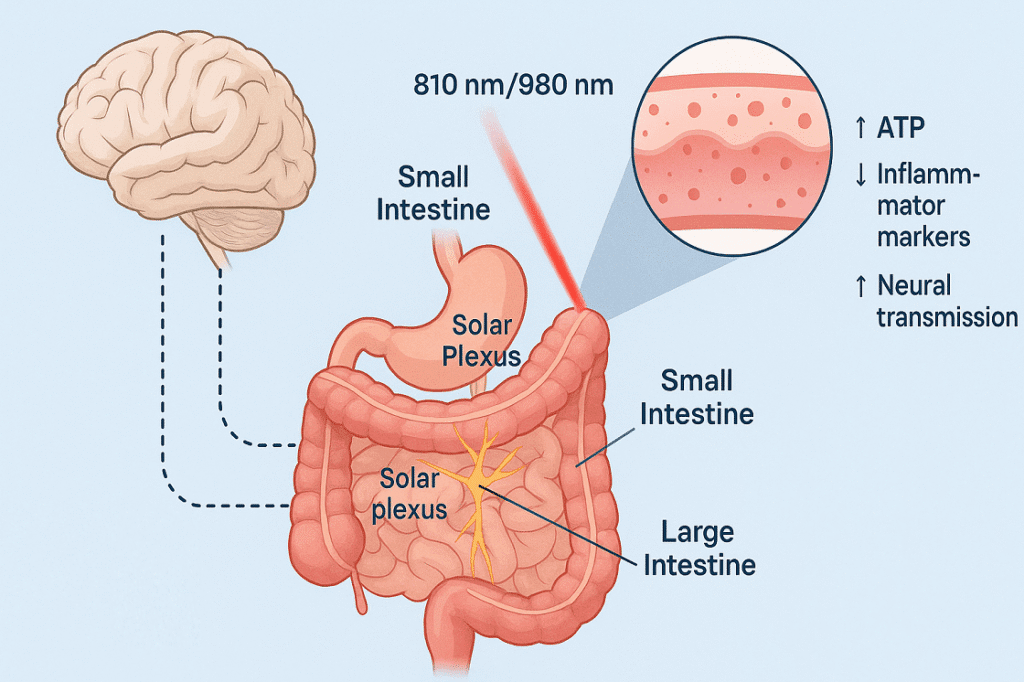
The gastrointestinal tract contains approximately 500 million neurons, forming what researchers term the enteric nervous system (ENS). This intricate neural network operates semi-independently from the central nervous system, earning the designation “second brain” due to its sophisticated capacity for autonomous function. The ENS coordinates peristalsis, secretion, and immune responses while maintaining constant communication with the vagus nerve and central nervous system through the gut-brain axis. This neurological complexity extends beyond simple digestive coordination. The ENS produces over 30 neurotransmitters, including serotonin, dopamine, and gamma-aminobutyric acid (GABA), which influence not only local digestive function but also systemic mood and cognitive processes. The extensive neural innervation of gastrointestinal tissues creates multiple potential targets for therapeutic intervention, including photobiomodulation approaches that may modulate neural signaling pathways.
2.2 What Is Class 4 Laser Therapy?
Class 4 laser therapy represents a specific category of medical laser devices characterized by power outputs exceeding 500 milliwatts. These systems typically utilize wavelengths between 800-1070 nanometers, with common therapeutic wavelengths including 810nm, 980nm, and 1064nm. Unlike lower-class laser systems, Class 4 devices can penetrate deeper into tissues while delivering sufficient photonic energy to trigger meaningful biological responses. The classification system established by the International Electrotechnical Commission (IEC) categorizes laser devices based on their potential for causing biological damage. Class 4 lasers require appropriate safety protocols and trained operators due to their higher power output, but this increased energy delivery capacity also enables therapeutic applications that may not be achievable with lower-powered devices.
2.3 How Does Laser Therapy Affect Digestive Organs?
The mechanisms by which laser therapy may influence digestive function involve multiple interconnected biological processes. Understanding these mechanisms provides insight into the potential therapeutic applications and limitations of photobiomodulation for gastrointestinal health.
2.3.1 Mitochondrial Stimulation in GI Cells
Photobiomodulation primarily affects cellular function through interaction with chromophores within mitochondrial respiratory complexes, particularly cytochrome c oxidase. When specific wavelengths of light are absorbed by these chromophores, they enhance mitochondrial respiratory function, increase adenosine triphosphate (ATP) production, and modulate cellular metabolism. Within gastrointestinal tissues, this enhanced cellular energy production may support epithelial barrier function, promote tissue repair mechanisms, and optimize digestive enzyme production. The improved mitochondrial function may also enhance the cellular stress response, potentially supporting tissue resilience against inflammatory challenges and oxidative stress conditions commonly associated with digestive disorders.
2.3.2 Improved Local Circulation and Tissue Oxygenation
Laser therapy promotes vasodilation through multiple mechanisms, including nitric oxide release, prostaglandin modulation, and direct effects on vascular smooth muscle. Enhanced microcirculation within gastrointestinal tissues may improve nutrient delivery, waste removal, and tissue oxygenation. This improved perfusion may be particularly beneficial for healing damaged intestinal mucosa, supporting optimal digestive function, and maintaining healthy tissue architecture. The enhanced blood flow may also facilitate immune cell trafficking and inflammatory mediator clearance, potentially supporting resolution of chronic inflammatory conditions. Additionally, improved tissue oxygenation may optimize cellular metabolism and support the maintenance of healthy gut barrier function.
2.3.3 Neuromodulation of Vagus and Enteric Nervous Systems
Photobiomodulation can influence neural function through direct effects on nerve cells and indirect effects on inflammatory mediators that affect neural signaling. The vagus nerve, which provides parasympathetic innervation to most digestive organs, may be particularly responsive to certain laser wavelengths. Neuromodulation effects may include altered neurotransmitter release, modified action potential propagation, and changes in neural plasticity. These effects may influence digestive motility, secretion patterns, and pain perception. The enteric nervous system, with its extensive neural networks throughout the gastrointestinal tract, may also respond to photobiomodulation through similar mechanisms, potentially affecting local digestive coordination and gut-brain communication pathways.
3. Potential Digestive Conditions Supported by Laser Therapy
The application of laser therapy to digestive health concerns represents an emerging field with growing clinical interest. While research continues to evolve, several digestive conditions have shown preliminary promise for laser therapy applications based on their underlying pathophysiology and the known mechanisms of photobiomodulation.
3.1 Laser Therapy for IBS (Irritable Bowel Syndrome)
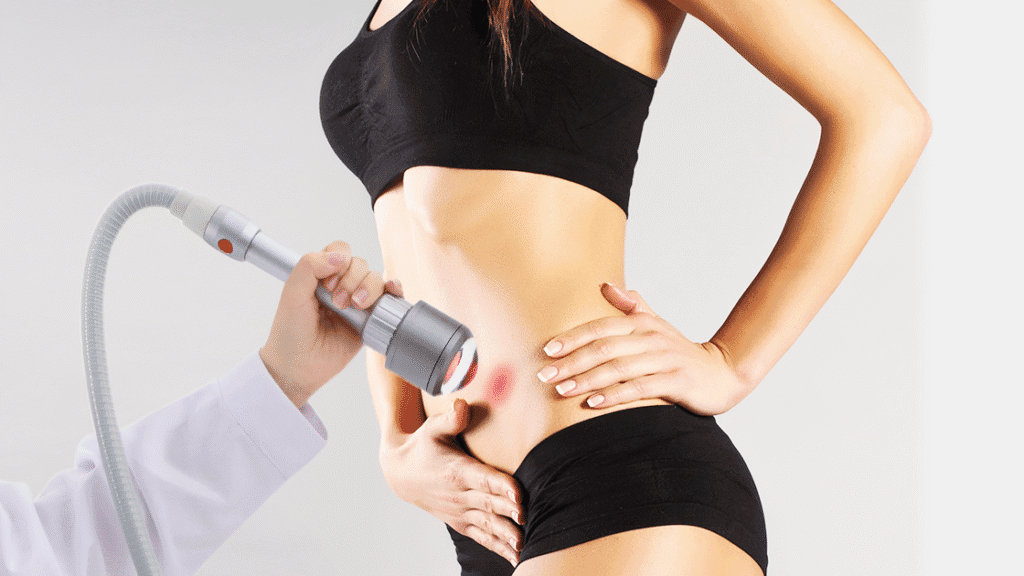
Irritable bowel syndrome (IBS) affects 10–15% of the global population, causing chronic abdominal pain, bowel irregularities, and reduced quality of life. Its complex origins—ranging from gut-brain axis dysfunction to visceral hypersensitivity—make it a candidate for neuromodulatory treatments like laser therapy. Clinical reports suggest Class 4 laser therapy may reduce hypersensitivity and abdominal pain by modulating peripheral nerves and central pain pathways. Its anti-inflammatory effects could also help address the low-grade inflammation often found in IBS cases. Additionally, laser therapy may support more regular gut motility patterns. Treatment usually targets abdominal areas associated with the small intestine, colon, and relevant neural pathways. Protocols vary, but many practitioners report improvements in digestive comfort, pain reduction, and more consistent bowel habits after several sessions. The non-invasive nature and promising outcomes make laser therapy a compelling complementary approach for IBS management.
3.2 Managing Inflammatory Bowel Disease (IBD)
Inflammatory bowel disease, encompassing Crohn’s disease and ulcerative colitis, represents a more severe category of digestive disorders characterized by chronic inflammation of the gastrointestinal tract. The complex inflammatory pathways involved in IBD may be influenced by the anti-inflammatory effects of photobiomodulation, though treatment approaches require careful consideration of disease severity and location. The anti-inflammatory mechanisms of laser therapy may help modulate the cytokine cascade characteristic of IBD, potentially reducing inflammatory mediators such as tumor necrosis factor-alpha (TNF-α), interleukin-1β (IL-1β), and nuclear factor-kappa B (NF-κB) activity. Enhanced tissue healing and improved barrier function may also support mucosal recovery and reduce disease progression. Treatment considerations for IBD patients include careful evaluation of disease activity, medication interactions, and appropriate laser parameters. The penetration depth of Class 4 lasers may allow for effective treatment of deeper inflammatory lesions, while the enhanced cellular energy production may support tissue repair mechanisms essential for mucosal healing.
3.3 Relief for Gastrointestinal Muscle Spasms and Cramps
Gastrointestinal muscle spasms and cramps can result from various causes, including functional disorders, inflammatory conditions, and stress-related digestive dysfunction. The smooth muscle relaxation properties of laser therapy may provide direct relief from these uncomfortable symptoms while addressing underlying contributing factors. The mechanisms underlying muscle relaxation effects include enhanced local circulation, reduced inflammatory mediator release, and direct effects on smooth muscle cell function. Improved tissue oxygenation and enhanced cellular metabolism may also support optimal muscle function and reduce the tendency toward spastic contractions. Treatment approaches for muscle spasms typically involve targeting specific anatomical regions where cramping occurs, such as the stomach, small intestine, or colon. The immediate analgesic effects of laser therapy may provide rapid symptom relief, while the underlying physiological improvements may help prevent future episodes of cramping and discomfort.
3.4 Supporting Post-Surgical Gut Recovery
Post-surgical recovery represents a critical period where enhanced healing mechanisms can significantly impact patient outcomes. Laser therapy may support post-surgical gut recovery through multiple mechanisms, including enhanced tissue repair, reduced inflammation, and improved local circulation. The wound healing properties of photobiomodulation may accelerate epithelial regeneration, promote healthy scar formation, and reduce the risk of complications such as adhesions or delayed healing. Enhanced collagen synthesis and improved angiogenesis may support optimal tissue architecture restoration following surgical intervention. Treatment protocols for post-surgical recovery typically begin within the first few days following surgery, with careful attention to surgical site considerations and healing progression. The anti-inflammatory effects may help reduce post-operative inflammation, while the enhanced cellular energy production may support the increased metabolic demands of tissue repair and regeneration.
4. Safety, Protocols, and Expert Guidance
The implementation of laser therapy for digestive health applications requires careful consideration of safety protocols, appropriate treatment parameters, and professional expertise. Understanding these critical aspects ensures both patient safety and optimal therapeutic outcomes.
4.1 Is Laser Therapy Safe for Digestive Health Applications?
Class 4 laser therapy has demonstrated a favorable safety profile when administered by properly trained healthcare professionals following established protocols. The non-invasive nature of photobiomodulation reduces many risks associated with pharmaceutical interventions while offering therapeutic benefits without systemic side effects. Safety considerations include appropriate eye protection, proper skin preparation, and careful evaluation of patient contraindications. The thermal effects of Class 4 lasers require monitoring of tissue temperature during treatment to prevent overheating, while the photochemical effects generally occur at sub-thermal levels that do not cause tissue damage. Patient selection criteria include evaluation of skin phototype, medication use, and underlying medical conditions that may affect laser therapy response. Proper informed consent procedures should address potential risks, expected outcomes, and alternative treatment options to ensure patients make informed decisions about their care.
4.2 Suggested Laser Parameters for Digestive Targets
Optimal laser parameters for digestive applications depend on multiple factors, including treatment depth, target tissue type, and specific therapeutic goals. Wavelength selection typically focuses on the therapeutic window between 800-1070nm, where tissue penetration is optimized while maintaining adequate absorption by target chromophores. Power density considerations must balance therapeutic efficacy with safety requirements, typically ranging from 0.5-2.0 watts per square centimeter for abdominal applications. Treatment duration may vary from 30 seconds to several minutes per treatment site, depending on the total energy dose required and the specific condition being addressed. Frequency of treatments often follows protocols established for other therapeutic applications, with initial intensive phases followed by maintenance treatments as symptoms improve. Some practitioners recommend daily treatments for acute conditions, transitioning to 2-3 treatments per week for chronic conditions, and weekly maintenance treatments for long-term management.
4.3 Contraindications for Abdominal Laser Use
Several absolute and relative contraindications must be considered before implementing laser therapy for digestive applications. Absolute contraindications include pregnancy, active malignancy in the treatment area, and photosensitizing medications that may increase the risk of adverse reactions. Relative contraindications require careful evaluation and may include recent abdominal surgery, active inflammatory conditions, implanted medical devices, and certain skin conditions. Patients with compromised immune systems may require modified treatment protocols or additional monitoring during therapy. Special considerations for digestive applications include evaluation of gastrointestinal bleeding, severe inflammatory conditions, and potential interactions with digestive medications. Healthcare providers must carefully assess each patient’s individual risk factors and medical history before recommending laser therapy for digestive health applications.
4.4 Medical and Functional Practitioner Insights
Healthcare practitioners implementing laser therapy for digestive health applications emphasize the importance of comprehensive patient evaluation and individualized treatment approaches. Many practitioners integrate laser therapy with conventional medical treatments, dietary interventions, and lifestyle modifications to optimize patient outcomes. Clinical experience suggests that patient response to laser therapy can vary significantly based on factors such as condition severity, duration of symptoms, and individual physiological characteristics. Practitioners often recommend starting with conservative treatment parameters and gradually adjusting based on patient response and tolerance. The integration of laser therapy into comprehensive digestive health programs requires coordination between various healthcare providers, including gastroenterologists, functional medicine practitioners, and other specialists. This collaborative approach ensures that laser therapy complements rather than conflicts with other therapeutic interventions.
5. Real-World & Clinical Results: Stories of Gut Relief
The clinical application of laser therapy for digestive health has generated encouraging results across various practice settings. While large-scale clinical trials are still emerging, case studies and clinical observations provide valuable insights into the potential benefits and limitations of this therapeutic approach.
| Indicator | Baseline (Week 0) | Week 2 | Week 4 | Week 8 | Notes |
| Pain Score (VAS 0–10) | 7.5 | 5.0 | 3.8 | 2.9 | ↓ Indicates symptom relief |
| Bowel Movement Frequency (per week) | 3.2 | 4.5 | 5.8 | 6.2 | ↑ Suggests normalization |
| Bloating Severity (0–10) | 8.0 | 6.1 | 4.5 | 3.2 | ↓ Reduced gas retention |
| Abdominal Cramping Episodes (per week) | 6.0 | 4.2 | 2.9 | 2.0 | ↓ Reduced hypersensitivity |
| Quality of Life Index (IBS-QOL) | 45/100 | 58/100 | 72/100 | 80/100 | ↑ Higher score = better QOL |
| Stool Consistency (Bristol Scale) | Type 1–2 (Hard) | Type 3–4 | Type 4 | Type 4 | Type 4 is normal |
| Inflammatory Marker (e.g. CRP) | 5.2 mg/L | 3.8 mg/L | 2.6 mg/L | 1.9 mg/L | ↓ Indicates systemic reduction |
5.1 Patient Testimonial Highlights
Clinical case reports have documented improvements in various digestive symptoms following laser therapy interventions. Patients with IBS have reported reductions in abdominal pain, improved bowel regularity, and enhanced quality of life measures. Some individuals have experienced symptom improvements within the first few treatment sessions, while others have required more extended treatment courses to achieve optimal results. Patients with inflammatory digestive conditions have described reduced inflammation markers, improved digestive comfort, and decreased reliance on pharmaceutical interventions. The non-invasive nature of laser therapy has been particularly appreciated by patients seeking alternatives to medication-based approaches or those experiencing side effects from conventional treatments. Post-surgical patients have reported accelerated healing, reduced post-operative discomfort, and improved digestive function recovery. The ability to begin treatment shortly after surgery has been valuable for supporting the healing process during the critical early recovery period.
5.2 Practitioner Use Cases
Healthcare practitioners have documented various successful applications of laser therapy for digestive health concerns. Gastroenterologists have reported using laser therapy as an adjunctive treatment for inflammatory bowel conditions, often in combination with conventional medical management to enhance overall treatment outcomes. Functional medicine practitioners have integrated laser therapy into comprehensive digestive health programs, combining photobiomodulation with dietary interventions, nutritional supplementation, and lifestyle modifications. This integrative approach has shown promise for addressing the multifactorial nature of many digestive disorders. Physical therapy practitioners have utilized laser therapy for digestive applications in patients with chronic pain conditions affecting the abdomen, finding that addressing both musculoskeletal and visceral components of pain can provide more comprehensive relief than targeting either aspect alone.
6. Comparing Gut-Focused Laser Therapy to Other Options
Laser therapy is emerging as a promising addition to the digestive health toolkit. Compared to conventional pharmaceutical treatments, which are effective but often come with side effects and long-term risks, laser therapy provides a drug-free, non-invasive alternative. It can support or reduce the need for medications in some cases. Dietary and lifestyle changes remain the foundation of digestive health, but results can take time. Laser therapy may speed up symptom relief while these changes take effect. It also complements alternative therapies like acupuncture and massage by offering standardized, measurable, and targeted benefits. Its ability to directly stimulate tissue, reduce inflammation, and support nerve regulation gives it a unique edge. As more patients seek integrative and personalized care, laser therapy offers a balanced approach—bridging conventional, lifestyle, and alternative methods—for better digestive outcomes.
7. Conclusion: Light the Way to a Healthier Gut
Laser therapy opens new possibilities for non-invasive digestive treatment. Backed by science, its benefits stem from mitochondrial activation, improved circulation, and nerve modulation. These effects may ease symptoms in functional GI disorders and even support conditions like IBS and IBD. Class 4 laser therapy is safe when properly administered. With no systemic side effects, it fits well into holistic care models, offering targeted healing while preserving natural gut function. Its role as an adjunct to diet, medication, or alternative care makes it especially valuable for personalized plans. As research grows, so will precision in protocols, patient selection, and long-term outcomes. The future of gut health lies in integrative care—merging the strengths of modern medicine, laser technology, and core lifestyle strategies. For patients, this means more options, faster relief, and a more empowered healing journey.
8. FAQs
Yes. Class 4 laser therapy uses wavelengths (800–1070nm) that can penetrate the skin to reach deeper tissues, including abdominal organs. It stimulates cellular activity and circulation, which may support gut health.
Acute issues may improve in 3–5 sessions; chronic conditions usually need 10–15. A typical plan starts with 2–3 sessions weekly for 3–4 weeks, then shifts to maintenance.
These lasers are FDA-cleared for pain relief and circulation improvement. While not specifically approved for gut health, some digestive applications fall under off-label use within practitioner discretion.
Yes. Laser therapy works well with diet changes, supplements, and lifestyle shifts. It may enhance anti-inflammatory effects and improve response to nutritional improvements.
While direct digestive studies are limited, research shows laser therapy reduces inflammation and supports healing in various tissues. Evidence is growing for its role in digestive health.
 English
 العربية
 Français
 日本語
日本語 Português
 Español
 Русский
 Deutsch