
Page Contents
1. Introduction: Laser Therapy in Modern Feline Care
1.1 What is Laser Therapy for Cats?
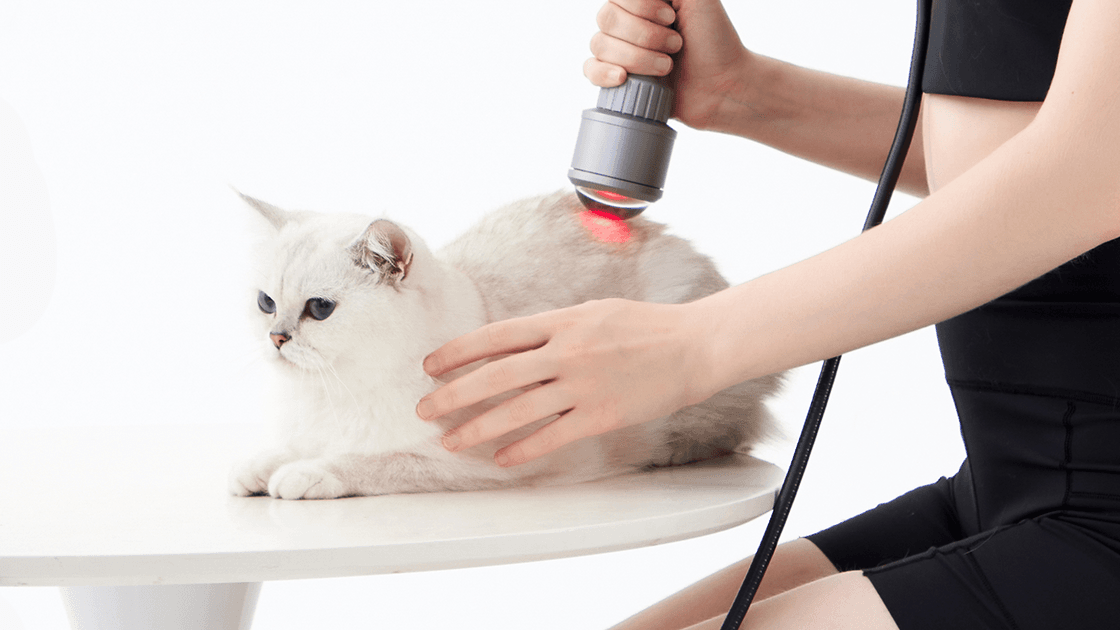
Laser therapy for cats, often referred to as photobiomodulation therapy (PBMT), involves the use of specific wavelengths of light to stimulate cellular activity. Most veterinary clinics now use Class IV laser devices, which emit light in the 810–980 nm range, ideal for deep tissue penetration. This non-invasive treatment is commonly used for managing pain, reducing inflammation, and speeding up the healing process in both acute and chronic conditions. Unlike surgical lasers, therapeutic lasers do not cut or ablate tissue—instead, they promote biological responses that assist in recovery and repair.
1.2 Why Laser Therapy is Becoming Popular for Cats’ Health
The rising popularity of laser therapy in feline medicine is largely due to its safety, efficiency, and versatility. Cat owners increasingly seek drug-free alternatives for managing chronic pain, post-operative recovery, and age-related degenerative diseases. Laser therapy offers precisely that, with little to no side effects and minimal stress for the animal. It can be performed in-clinic, is quick (typically under 20 minutes), and shows cumulative effects over multiple sessions. The growing body of evidence showing enhanced mobility, reduced swelling, and improved quality of life in treated cats has further cemented its place in modern veterinary care.
2. How Do Lasers Provide Pain Relief for Cats?
2.1 Mechanism of Action
Laser therapy functions through photobiomodulation, a process in which light energy (photons) penetrates biological tissues and is absorbed by chromophores, particularly in the mitochondria. The light energy stimulates cytochrome c oxidase, enhancing the production of adenosine triphosphate (ATP), which fuels cellular processes. This energy boost promotes cellular repair, accelerates tissue regeneration, and facilitates anti-inflammatory responses. Simultaneously, secondary messengers such as nitric oxide are released, improving blood flow and modulating pain through decreased nerve conduction velocity.
2.2 The Role of Light Energy in Reducing Inflammation
Inflammation in feline patients is commonly associated with musculoskeletal injuries, arthritis, and post-surgical trauma. Class IV laser therapy reduces inflammation by increasing vasodilation and enhancing lymphatic drainage. This improves oxygenation and nutrient delivery while facilitating the removal of inflammatory mediators and metabolic waste. Additionally, it downregulates the expression of pro-inflammatory cytokines like TNF-α and IL-6 while upregulating anti-inflammatory cytokines such as IL-10. As a result, swelling diminishes, pressure on nerve endings decreases, and pain subsides naturally without pharmaceutical intervention.
2.3 Faster Healing Through Cellular Stimulation
Laser therapy accelerates the healing process in feline patients by promoting fibroblast proliferation and collagen synthesis—key components of tissue repair. Enhanced angiogenesis (formation of new blood vessels) ensures a rich supply of oxygen and nutrients to damaged tissues, expediting recovery. Furthermore, light therapy modulates cell membrane potential and supports the proliferation of keratinocytes and endothelial cells. These combined effects lead to faster wound closure, stronger tissue integrity, and shorter recovery times post-injury or surgery. Cats treated with laser therapy often return to normal activity levels sooner than those managed with conventional care alone.
3. Conditions Treated by Laser Therapy in Cats
Laser therapy is a non-invasive, evidence-based modality increasingly used in feline medicine to treat a wide range of conditions. These include chronic feline arthritis, soft tissue trauma, neurological inflammation, and postoperative pain management. Class IV lasers, known for their higher power output (typically 0.5–60 watts), allow for deeper tissue penetration and faster therapeutic results compared to lower-class devices. This makes them ideal for treating musculoskeletal, neurologic, and surgical conditions in cats—especially where pharmacological options are limited or contraindicated.
3.1 Chronic Pain and Arthritis: A Common Feline Concern
Chronic osteoarthritis (OA) affects over 60% of cats over the age of six, often going undiagnosed due to their subtle pain behaviors. Laser therapy mitigates feline arthritis symptoms by enhancing local circulation and reducing pro-inflammatory cytokines. A 2020 veterinary clinical trial found that cats treated with laser therapy showed a 70% improvement in joint mobility and reduced pain scores on the Feline Musculoskeletal Pain Index (FMPI). By stimulating cartilage repair and modulating nociceptors, laser therapy allows cats with degenerative joint disease to experience improved quality of life without the long-term use of NSAIDs.
3.2 Soft Tissue Injuries: Speeding Up Recovery
Soft tissue injuries in cats—such as strains, sprains, and ligament tears—can be managed effectively with Class IV laser therapy. The laser stimulates fibroblast activity and collagen deposition, both essential for the repair of muscle and connective tissue. Additionally, laser therapy boosts angiogenesis, ensuring enhanced nutrient and oxygen delivery to injured areas. As a result, inflammation decreases, and recovery time is shortened. Veterinary case studies have reported that cats with soft tissue injuries returned to normal activity in up to 40% less time when treated with laser therapy compared to conservative rest alone.
3.3 Neurological Conditions: Treating Nerve Pain and Nerve Damage
Feline neurological conditions such as intervertebral disc disease (IVDD), sciatic neuritis, or traumatic nerve injuries can benefit from photobiomodulation. Laser therapy helps by reducing neuroinflammation, improving axonal regeneration, and modulating pain pathways via endogenous opioid release. Studies show that laser therapy increases the expression of nerve growth factor (NGF) and brain-derived neurotrophic factor (BDNF), both critical to neural recovery. These neuroprotective effects, combined with improved local blood flow, make laser therapy a key tool in the multimodal management of feline neuropathic pain.
3.4 Post-Surgical Recovery: Enhancing Healing After Operations
Post-operative recovery in cats—especially after orthopedic or abdominal surgery—can be significantly enhanced through laser therapy. The application of therapeutic light reduces post-surgical edema, lowers pain scores, and accelerates incision healing. According to data from Smart Laser Therapy, treated surgical sites demonstrate 30% faster epithelialization and less scar tissue formation than untreated counterparts. Laser sessions can begin as soon as 12–24 hours post-operation, making it a powerful adjunct to pain management protocols while reducing reliance on systemic analgesics.
4. Best Practices for Feline Care
For optimal results, laser therapy must be tailored to the cat’s condition, age, and response to treatment. Protocols should be determined by a trained veterinary professional using evidence-based parameters. Treatment plans generally follow a multi-session model, starting with frequent sessions that taper off as clinical signs improve. Owners are advised to maintain consistent follow-up for progress monitoring and long-term maintenance.
4.1 Determining the Right Frequency and Duration of Treatment
Effective laser therapy depends on parameters such as wavelength (typically 810–980 nm), power output, dosage (measured in joules/cm²), and treatment duration. For chronic conditions, initial protocols may include 2–3 sessions per week for 2–3 weeks, followed by tapering to maintenance visits. Acute injuries often resolve with fewer sessions. Devices like those featured by Smart Laser Therapy use preset protocols based on tissue type and pathology, ensuring consistent and reproducible outcomes.
4.2 The Role of Veterinary Professionals in Laser Therapy
Proper laser therapy must be supervised by licensed veterinary practitioners trained in photobiomodulation. These professionals assess the pet’s clinical signs, select proper dosing, and ensure laser safety through use of protective eyewear and proper laser application technique. Credentialed veterinary technicians often administer treatments under direct supervision, ensuring consistency and compliance with AAHA pain management guidelines. Moreover, veterinarians can use diagnostic tools—like thermography or gait analysis—to assess laser effectiveness over time.
4.3 Monitoring Treatment Progress: Signs of Improvement
Monitoring a cat’s response to laser therapy involves both clinical observation and owner feedback. Signs of improvement include increased mobility, reduced limping, improved grooming habits, and better posture. Objective assessments like range-of-motion measurements, force plate analysis, or digital activity monitors can provide data-backed insights. In general, most feline patients show measurable improvement within 2–6 sessions. Veterinarians may adjust frequency or dosage based on response, ensuring a data-driven, individualized care plan.
5. Ensuring Safety and Effectiveness
Laser therapy for cats, particularly using Class IV systems, is highly effective when administered correctly. However, safety protocols and accurate dosing are essential. Misuse or misunderstanding of laser equipment can result in ineffective treatment—or worse, tissue damage. Understanding the parameters for power (measured in watts), dosage (joules/cm²), and treatment area ensures consistent therapeutic outcomes. Only veterinary professionals trained in photobiomodulation (PBM) should administer or oversee treatments.
5.1 Common Misconceptions About Laser Therapy for Cats
One major misconception is that laser therapy is simply “heat therapy”. In reality, Class IV lasers work via photobiomodulation, using coherent light at therapeutic wavelengths (typically 810–980 nm) to trigger biochemical changes at the cellular level. Another myth is that laser therapy offers immediate “cures.” While some cats show rapid improvement, most require a series of treatments to achieve full benefits—particularly for chronic conditions like feline osteoarthritis. It’s also falsely assumed that all laser devices are created equal. Class III lasers, often found in at-home or spa devices, produce less than 0.5W and don’t penetrate deep enough for joint or muscle healing in cats. In contrast, Class IV systems provide greater energy density and deeper penetration—making them the gold standard in veterinary applications.
5.2 Avoiding Overuse and Understanding Treatment Limits
Though laser therapy is non-invasive and drug-free, there are physiological limits to how much photonic energy tissue can absorb without risk. Exceeding safe energy doses can lead to tissue overheating or delayed healing due to overstimulation. The therapeutic window for cats usually ranges from 2 to 10 J/cm² for superficial tissues and up to 20–30 J/cm² for deeper musculoskeletal conditions. Veterinarians avoid overuse by evaluating clinical endpoints—such as reduced lameness, improved range of motion, or diminished inflammation—and adjusting the frequency of treatment accordingly. Over-treating may also desensitize tissue to therapeutic light, reducing long-term efficacy.
5.3 When Laser Therapy Might Not Be Appropriate for Cats
Laser therapy is not suitable for all feline patients. Contraindications include:
Active cancerous tumors: Laser can promote angiogenesis and cellular proliferation, potentially accelerating tumor growth.
Pregnant queens: Avoid treatment over the abdomen, as effects on fetal development are not fully understood.
Photosensitive conditions: Cats on medications that cause photosensitivity or with rare skin disorders should be excluded or carefully monitored.
Laser should also never be directed into the eyes, requiring protective eyewear for the operator and pet when applicable.
6. Integrating Laser Therapy into Your Cat’s Overall Health Plan
Laser therapy works best as part of a comprehensive multimodal treatment plan, rather than a standalone option. It complements pharmacologic management, nutritional support, and physiotherapy, particularly in senior or arthritic cats. Laser treatments can even be used preventively in high-risk cats—such as obese felines or those with previous orthopedic surgeries.
6.1 Combining Laser Therapy with Other Treatments
Laser therapy pairs well with medications like gabapentin, NSAIDs, or glucosamine-chondroitin supplements, offering synergistic pain control while reducing drug dosages. It also enhances outcomes from physical therapy, massage, or acupuncture, increasing circulation and tissue responsiveness. A randomized study demonstrated that combining laser therapy with anti-inflammatory medications reduced healing time by 40% compared to medication alone while reducing drug dosage requirements. It’s also commonly integrated with physical rehabilitation exercises, acupuncture, and dietary changes to support joint and tissue health. For example, a senior cat with osteoarthritis might receive laser therapy alongside omega-3 supplements and gentle mobility exercises. This integrative approach not only manages pain more effectively but also improves the cat’s long-term quality of life.
6.2 Tailoring Laser Therapy for Specific Cat Conditions
Every cat responds differently to treatment. That’s why it’s crucial to create a personalized laser therapy plan based on age, lifestyle, diagnosis, and underlying health conditions. Kittens recovering from injury might need a short protocol with close monitoring, while older cats with degenerative conditions may benefit from ongoing maintenance therapy. Veterinarians assess each case holistically to determine the most effective schedule and dosing for sustained results.
6.3 Using Laser Therapy to Prevent Recurrence of Injuries
Recurring injuries—such as ligament strain or joint inflammation—are common in active or overweight cats. Maintenance laser sessions (e.g., once every 2–4 weeks) can help reduce flare-ups by maintaining anti-inflammatory activity and tissue flexibility. Moreover, cats recovering from orthopedic surgery often benefit from preventive treatments that sustain muscular strength and reduce stiffness. Owners should monitor behavior and mobility at home and report subtle signs like grooming avoidance or reluctance to jump, which may signal the need for follow-up laser sessions.
7. Final Takeaways
Laser therapy represents a leap forward in feline wellness, offering a non-invasive, scientifically grounded solution to pain, inflammation, and tissue repair. With correct administration and monitoring, it provides consistent clinical improvement across multiple conditions.
7.1 Summing Up the Benefits of Laser Therapy for Cats
To recap, laser therapy for cats:
Reduces pain and inflammation without drugs
Accelerates wound and post-op healing
Improves mobility in arthritic and senior cats
Supports nerve regeneration and soft tissue recovery
Integrates seamlessly with other veterinary treatments
Smart Laser Therapy enhances outcomes with customizable protocols and veterinary-grade precision—bringing a cutting-edge, compassionate tool into the hands of pet professionals.
7.2 Consult Your Veterinarian Before Starting Laser Therapy
Before initiating any treatment plan, speak with a licensed veterinary professional trained in photobiomodulation. A thorough physical exam, diagnostic imaging, and understanding of your cat’s full medical history are essential for creating a safe and effective laser therapy plan. Trust in your veterinarian’s clinical judgment—and don’t hesitate to ask whether laser therapy might be the missing piece in your cat’s care puzzle.
8. References
Mechanisms and applications of the anti-inflammatory effects of photobiomodulation
https://pmc.ncbi.nlm.nih.gov/articles/PMC5523874
NIR Laser Therapy in the Management of Feline Stomatitis
 English
 العربية
 Français
 日本語
日本語 Português
 Español
 Русский
 Deutsch