

Page Contents
As healthcare continues to evolve toward less invasive treatment approaches, Class IV laser therapy has emerged as a powerful therapeutic modality offering hope for patients suffering from chronic pain and tissue dysfunction. This advanced technology harnesses the power of photobiomodulation to stimulate cellular healing processes, reduce inflammation, and provide significant pain relief without the risks associated with surgery or pharmaceutical interventions. However, successful outcomes depend heavily on appropriate candidate selection and understanding of both therapeutic potential and clinical limitations.
1. Introduction
The landscape of modern pain management and rehabilitation continues to expand with innovative technologies that offer alternatives to traditional interventions. Understanding patient suitability for emerging treatments like Class IV laser therapy ensures optimal outcomes while managing expectations appropriately.
1.1 Growing Popularity of Class IV Laser Therapy in Pain Management and Rehabilitation
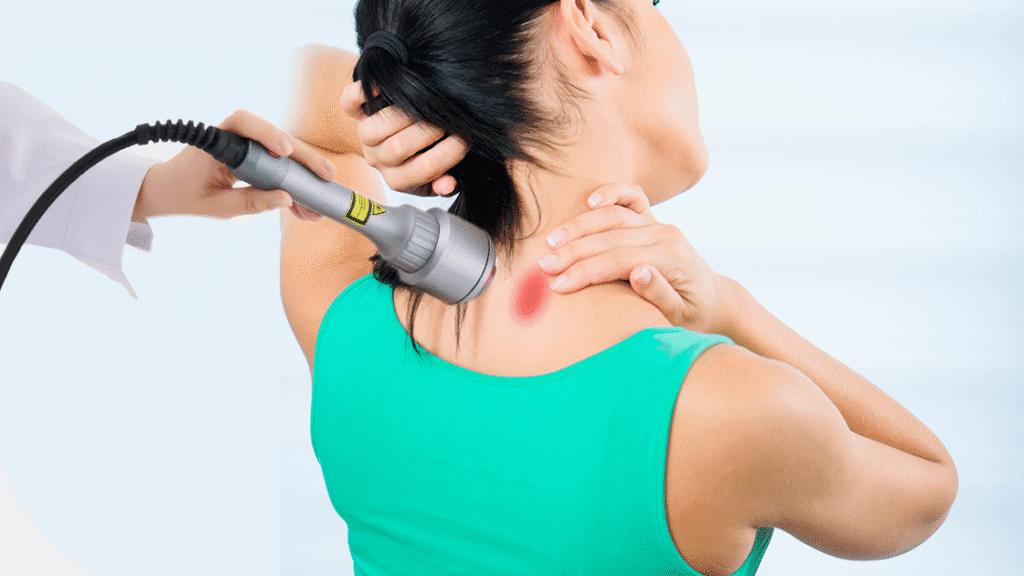
Class IV therapeutic lasers represent high-powered laser devices used in physical therapy for pain relief and tissue healing, offering deeper tissue penetration and more significant therapeutic effects compared to lower-class lasers. The growing adoption of this technology across healthcare settings reflects both clinical effectiveness and patient preference for non-invasive treatment approaches that address pain at its source. The increasing integration of Class IV laser systems into rehabilitation practices, sports medicine clinics, and pain management centers demonstrates the technology’s versatility and therapeutic potential. Healthcare providers are recognizing the value of photobiomodulation therapy for conditions that previously required more invasive interventions or relied solely on symptomatic management through medications. This shift represents a fundamental change in treatment philosophy, emphasizing healing promotion rather than symptom suppression.
1.2 Why Candidate Selection Matters for Best Outcomes
Successful Class IV laser therapy outcomes depend critically on appropriate patient selection, with certain clinical presentations and individual characteristics significantly influencing treatment effectiveness. Class IV deep tissue laser therapy has been proven to work for chronic pain, arthritis, sports injuries, and even post-surgical recovery, with treatments lasting between 3-7 minutes and requiring no downtime. However, these positive outcomes require matching appropriate candidates to the therapy’s capabilities. Individual factors including condition type, severity, duration, and patient expectations all influence treatment success rates and satisfaction levels. Understanding which patients are most likely to benefit helps optimize resource allocation while ensuring realistic goal setting that aligns with therapeutic capabilities. Poor candidate selection often results in disappointing outcomes that could negatively impact both patient confidence and provider experience with the technology.
1.3 Purpose of the Guide: Helping Patients Understand If They’re Suitable
This comprehensive guide aims to provide patients with evidence-based information about Class IV laser therapy candidacy, enabling informed decision-making about treatment options. By understanding both ideal candidate characteristics and contraindications, patients can engage in meaningful discussions with healthcare providers about treatment appropriateness for their specific situations. The guide addresses common questions about treatment suitability while providing realistic expectations about potential outcomes and required commitments. This information empowers patients to make informed decisions that align with their health goals, lifestyle considerations, and treatment preferences, ultimately contributing to better treatment outcomes and higher satisfaction levels.
2. What Is Class IV Laser Therapy?
Class IV laser therapy represents the most advanced form of therapeutic laser treatment available in clinical practice, utilizing high-power light energy to stimulate cellular processes that promote healing, reduce inflammation, and provide analgesic effects through photobiomodulation mechanisms.
2.1 Definition and Key Features of Class IV Laser Therapy
Class IV laser therapy utilizes high-powered laser devices (typically 1-30 watts) that emit specific wavelengths of light energy to penetrate deep into tissues and stimulate therapeutic responses at the cellular level. Unlike lower-class lasers, Class IV systems provide sufficient power density to achieve therapeutic thresholds in deep tissues while maintaining safety through precise wavelength selection and treatment protocols. The classification system for therapeutic lasers is based on power output and potential safety risks, with Class IV representing the highest therapeutic power levels available for medical applications. These systems typically operate in the near-infrared spectrum (800-1000nm) to optimize tissue penetration while minimizing absorption by superficial chromophores that could interfere with therapeutic targeting of deeper structures.
2.2 Mechanism of Action: How High-Power Laser Energy Promotes Healing and Pain Relief
The therapeutic effects of Class IV laser therapy result from photobiomodulation processes that occur when specific wavelengths of light are absorbed by cellular chromophores, particularly cytochrome c oxidase in mitochondrial electron transport chains. This absorption triggers cascades of biological responses including enhanced ATP production, improved cellular metabolism, and modulation of inflammatory pathways that collectively promote tissue healing and pain reduction. Analgesic effects occur through multiple mechanisms including direct neural modulation, reduced inflammation, and activation of endogenous pain control systems. The high power output of Class IV lasers enables these therapeutic effects to occur in deep tissues that are inaccessible to lower-power devices, making treatment of conditions like spinal disc pathology and deep joint disorders possible.
2.3 Common Conditions Treated with Class IV Laser Therapy
Class IV laser therapy is rapidly gaining traction for its effectiveness in managing and alleviating chronic and acute pain in conditions including arthritis, neuropathy, and sports-related injuries. The broad therapeutic applications reflect the technology’s ability to address multiple pathophysiological processes involved in tissue dysfunction and pain generation. Musculoskeletal applications dominate clinical use, with conditions such as tendinopathies, arthritis, chronic low back pain, and sports injuries demonstrating consistent positive responses to treatment. The therapy’s anti-inflammatory and analgesic properties make it particularly valuable for conditions involving chronic inflammation, while its tissue healing effects benefit acute injuries and post-surgical recovery scenarios.
3. Factors That Make You a Good Candidate
Optimal candidacy for Class IV laser therapy involves specific clinical presentations, patient characteristics, and treatment goals that align with the therapy’s mechanisms of action and documented effectiveness patterns observed in clinical practice.
3.1 Types of Pain and Injuries That Respond Well
The therapeutic versatility of Class IV laser therapy enables effective treatment across diverse pathological conditions, with certain presentations demonstrating particularly favorable response patterns that make patients ideal candidates for photobiomodulation interventions.
3.1.1 Musculoskeletal pain (arthritis, tendonitis, plantar fasciitis)
Inflammatory musculoskeletal conditions represent ideal applications for Class IV laser therapy due to the technology’s proven anti-inflammatory effects and ability to promote tissue repair in damaged connective tissues. Arthritis patients often experience significant pain reduction and improved joint mobility, while tendinopathies respond well to the combination of anti-inflammatory and tissue regeneration effects that address both symptoms and underlying pathology. Plantar fasciitis and other chronic inflammatory conditions benefit from the therapy’s ability to reduce inflammatory mediators while promoting collagen remodeling and tissue healing. The non-invasive nature of treatment makes it particularly appealing for these chronic conditions where traditional interventions may involve injection risks or surgical procedures.
3.1.2 Chronic low back pain and degenerative joint disease
Chronic axial pain conditions, including low back pain attributed to degenerative disc disease, facet joint arthropathy, and myofascial dysfunction, demonstrate favorable responses to Class IV laser therapy through multiple therapeutic mechanisms. The high power output enables treatment of deep spinal structures while addressing associated muscle tension and inflammation that contribute to ongoing symptoms. Degenerative joint conditions throughout the body benefit from the therapy’s ability to reduce inflammation while potentially slowing degenerative processes through enhanced cellular metabolism and tissue repair mechanisms. The treatment’s safety profile makes it suitable for long-term management of these chronic conditions that may require ongoing intervention.
3.1.3 Sports injuries and post-surgical recovery
Acute sports injuries and post-surgical healing represent applications where Class IV laser therapy’s tissue healing effects provide particular value through accelerated recovery timelines and enhanced tissue repair quality. Athletes benefit from reduced recovery time and improved tissue strength following treatment, while post-surgical patients experience enhanced wound healing and reduced complications. The therapy’s ability to address both acute inflammation and promote tissue regeneration makes it valuable throughout all phases of injury recovery. Early intervention can minimize tissue damage progression, while ongoing treatment supports optimal healing and functional restoration that enables return to previous activity levels.
3.2 Patients Seeking Non-Invasive, Drug-Free Pain Management
Individuals motivated to avoid pharmaceutical interventions or invasive procedures represent ideal candidates for Class IV laser therapy, particularly those with contraindications to conventional treatments or philosophical preferences for natural healing approaches. The therapy’s excellent safety profile enables treatment of patients with multiple comorbidities or medication sensitivities that might preclude other interventions. Laser therapy lasers have been proven to reduce inflammation and pain without the side effects of medication, making them ideal for patients seeking drug-free alternatives. This benefit proves particularly valuable for individuals concerned about medication interactions, side effects, or long-term pharmaceutical dependency issues associated with chronic pain management.
3.3 Individuals with Limited Relief from Physical Therapy or Medications
Patients who have achieved partial but insufficient improvement with conventional treatments often represent excellent candidates for Class IV laser therapy as an adjunctive or alternative intervention. The therapy’s unique mechanisms of action may address pathophysiological processes not adequately targeted by previous treatments, potentially providing breakthrough improvements in stubborn cases. The combination of laser therapy with ongoing rehabilitation programs often produces synergistic effects that exceed outcomes achieved with either intervention alone. Patients who have plateaued with traditional approaches may experience renewed progress when photobiomodulation is added to their treatment regimen, addressing cellular-level dysfunction that perpetuates symptoms.
3.4 Patients Motivated to Commit to Multiple Sessions for Lasting Results
Successful Class IV laser therapy outcomes typically require treatment courses involving multiple sessions over several weeks, making patient commitment and compliance crucial factors in candidacy assessment. Motivated individuals who understand the cumulative nature of photobiomodulation effects and can commit to recommended treatment schedules achieve superior outcomes compared to those seeking immediate single-session solutions. Treatment protocols usually involve 6-12 sessions scheduled 2-3 times weekly during acute phases, with maintenance treatments potentially required for chronic conditions. Patients who can accommodate these scheduling requirements and understand the investment necessary for optimal outcomes represent ideal candidates for comprehensive laser therapy programs.
4. Contraindications and Who Should Avoid Class IV Laser Therapy
Understanding absolute and relative contraindications ensures patient safety while preventing inappropriate treatment applications that could result in adverse effects or compromised outcomes. Careful screening identifies individuals who should avoid laser therapy entirely or require modified protocols.
4.1 Patients with Active Cancer or Suspicious Tumors
History of histologically demonstrated malignant carcinoma represents a contraindication for laser therapy, with particular concern about potential stimulation of malignant cell growth or metabolism through photobiomodulation mechanisms. While research evidence regarding cancer stimulation remains limited, conservative practice guidelines recommend avoiding laser therapy over known malignant tissues or areas with suspicious lesions pending definitive diagnosis. Patients with history of successfully treated cancer may be appropriate candidates for laser therapy in areas remote from previous malignancies, though individual assessment and oncologist consultation may be advisable. Current cancer treatment status, prognosis, and specific tumor characteristics should all be considered when evaluating potential candidacy for photobiomodulation therapy.
4.2 Pregnant Women (especially abdominal/lumbar treatment areas)
Contraindications include avoiding treatment of pregnant patients over the abdominal area or the low back/pelvic area, reflecting conservative safety approaches due to limited research on potential effects on fetal development. While no adverse fetal effects have been documented, the lack of comprehensive safety studies during pregnancy warrants avoiding treatment of areas near developing tissues. Pregnant women may potentially receive laser therapy for conditions in areas remote from the abdomen and pelvis, such as upper extremity injuries or cervical spine conditions, though individual risk-benefit assessment and obstetric consultation remain advisable. Post-partum treatment initiation typically resolves safety concerns while addressing conditions that may have been aggravated during pregnancy.
4.3 People with Photosensitivity or Taking Photosensitizing Medications
Laser therapy is contraindicated for patients who are taking light sensitive drugs, including certain antibiotics, antifungals, and psychiatric medications that can increase tissue sensitivity to light energy. Photosensitizing medications can enhance laser absorption and potentially cause unexpected tissue reactions or enhanced inflammatory responses that compromise treatment safety. Individuals with photosensitive skin conditions or documented history of abnormal reactions to light exposure require careful evaluation before laser therapy initiation. Some patients may be able to receive treatment with modified parameters or wavelength selections that avoid problematic absorption spectra, while others may need alternative treatment approaches.
4.4 Severe Cardiovascular or Neurological Conditions
Patients with severe cardiovascular instability, uncontrolled hypertension, or active cardiac conditions may experience physiological stress responses during laser therapy that could exacerbate underlying conditions. While direct cardiovascular effects of laser therapy are minimal, pain relief and relaxation responses can influence blood pressure and heart rate patterns that might be problematic in unstable patients. Severe neurological conditions including uncontrolled seizure disorders, advanced neurodegenerative diseases, or acute neurological events may represent relative contraindications depending on treatment location and individual circumstances. Consultation with appropriate specialists helps determine treatment appropriateness and necessary monitoring requirements for high-risk patients.
4.5 Open Wounds or Active Infections in the Treatment Area
Active infections in proposed treatment areas represent absolute contraindications due to potential for enhanced bacterial growth or interference with natural immune responses necessary for infection resolution. Open wounds, particularly those with signs of infection or delayed healing, should be avoided until proper wound closure and infection control have been achieved. Treatment should not be performed over areas that have been injected with steroids within 7 days, reflecting concerns about potential interference with steroid anti-inflammatory effects or enhanced tissue sensitivity during the immediate post-injection period. This temporal contraindication ensures optimal safety while preserving the therapeutic benefits of both interventions.
5. Clinical and Lifestyle Considerations
Successful Class IV laser therapy outcomes depend on various patient factors beyond simple diagnostic criteria, including individual physiological characteristics, realistic expectation setting, and commitment to comprehensive treatment approaches that address contributing factors.
5.1 Role of Age and Overall Health in Laser Therapy Effectiveness
Age-related factors can influence laser therapy effectiveness, though the treatment remains appropriate across broad age ranges when clinical presentations align with therapeutic capabilities. Younger patients often demonstrate faster and more complete responses due to enhanced cellular metabolism and tissue repair capacity, while older individuals may require longer treatment courses or modified protocols to achieve similar outcomes. Overall health status significantly impacts treatment effectiveness, with patients in good general health typically experiencing superior outcomes compared to those with multiple comorbidities or compromised healing capacity. Conditions affecting circulation, immune function, or cellular metabolism may influence photobiomodulation responses and should be considered during treatment planning and outcome prediction.
5.2 Importance of Realistic Expectations for Pain Relief and Function
Setting appropriate expectations represents a crucial component of successful laser therapy programs, with patient understanding of typical outcomes, treatment timelines, and potential limitations directly influencing satisfaction levels and treatment compliance. While many patients experience significant improvement, complete pain elimination may not be realistic for all conditions, particularly chronic degenerative processes. Treatment benefits often include pain reduction, improved function, and enhanced quality of life rather than complete symptom resolution. Patients who understand these realistic goals while appreciating the value of meaningful improvement tend to be more satisfied with outcomes and more likely to complete recommended treatment courses successfully.
5.3 Commitment to Adjunctive Treatments (rehabilitation exercises, posture correction, lifestyle changes)
Optimal laser therapy outcomes typically require integration with comprehensive treatment approaches that address contributing factors beyond those directly targeted by photobiomodulation. Patients willing to participate in concurrent rehabilitation exercises, posture correction programs, and necessary lifestyle modifications achieve superior and more durable outcomes compared to those relying solely on passive laser treatments. Successful treatment programs often combine laser therapy with physical therapy, home exercise programs, ergonomic modifications, and activity adjustments that address mechanical factors contributing to ongoing symptoms. Patients who embrace these comprehensive approaches while understanding their role in treatment success represent ideal candidates for integrated laser therapy programs.
6. Patient Experiences and Outcomes
Real-world patient experiences provide valuable insights into treatment effectiveness, individual variation in responses, and factors that influence outcomes in clinical practice settings beyond controlled research environments.
6.1 Success Stories: Relief from Chronic Pain and Faster Recovery
Clinical case reports demonstrate significant improvements in patients with diverse conditions who achieved substantial symptom relief and functional restoration following comprehensive Class IV laser therapy programs. Representative success stories include individuals with chronic low back pain who regained ability to work comfortably and participate in recreational activities after years of unsuccessful conventional treatments. Athletes frequently report accelerated recovery from sports injuries, with return to competition timelines significantly reduced compared to traditional treatment approaches alone. Post-surgical patients often experience enhanced wound healing, reduced scar tissue formation, and faster functional recovery when laser therapy is integrated into their rehabilitation programs. These positive outcomes reflect the therapy’s ability to address multiple aspects of tissue dysfunction simultaneously.
6.2 Cases Where Results Are Limited or Temporary
Not all patients achieve significant benefit from Class IV laser therapy, with treatment failures typically associated with specific clinical presentations or patient characteristics that may predict poor response to photobiomodulation interventions. Individuals with predominantly neuropathic pain, advanced degenerative changes, or unrealistic expectations may experience limited improvement despite appropriate treatment delivery and protocol adherence. Some patients experience temporary improvement followed by symptom recurrence, particularly those with chronic conditions involving ongoing mechanical stress or inflammatory processes that are not adequately addressed by laser therapy alone. Complex pain syndromes, psychological comorbidities, or significant lifestyle factors may limit treatment effectiveness regardless of technical parameter optimization.
6.3 Factors Influencing Patient Satisfaction (compliance, severity of condition, lifestyle)
Treatment compliance emerges as one of the most significant predictors of patient satisfaction and clinical outcomes, with individuals completing recommended treatment courses consistently demonstrating superior results compared to those with irregular attendance patterns. The cumulative nature of photobiomodulation effects requires consistent treatment delivery to achieve optimal therapeutic benefits. Condition severity and chronicity influence both treatment outcomes and patient satisfaction levels, with acute conditions and mild-to-moderate chronic symptoms typically responding better than advanced degenerative processes or severe chronic pain syndromes. Lifestyle factors including exercise participation, stress management, and ergonomic awareness significantly impact treatment durability and patient satisfaction with long-term outcomes.
7. Conclusion: Are You a Good Candidate?
Determining candidacy for Class IV laser therapy requires evaluating clinical presentation, treatment goals, and willingness to commit to comprehensive care. Ideal candidates typically include individuals with musculoskeletal inflammation, mechanical pain, or acute injuries that align with the therapy’s proven mechanisms. Class IV laser therapy is generally safe, with contraindications mainly related to specific conditions such as cancer, pregnancy, or photosensitivity. Success depends on appropriate patient selection, realistic expectations, and integration with adjunctive treatments like exercise or rehabilitation. Patients seeking non-invasive, drug-free pain relief often find Class IV laser therapy appealing, especially when conventional treatments provide limited benefit. Its ability to address both symptoms and underlying tissue dysfunction makes it valuable for motivated individuals actively participating in recovery. Consulting a qualified healthcare provider ensures appropriate protocols, safe application, and realistic outcome planning. When applied to the right patients, Class IV laser therapy offers meaningful pain relief and improved quality of life.
 English
 العربية
 Français
 日本語
日本語 Português
 Español
 Русский
 Deutsch