

Page Contents
1. Introduction: Gentle Healing for Growing Bodies
Modern pediatric medicine continues to evolve, offering families innovative treatment options that prioritize both effectiveness and comfort. Among these emerging therapies, laser treatment has gained significant attention for its non-invasive approach to healing various childhood conditions. Understanding this technology empowers parents to make informed decisions about their children’s healthcare journey.
1.1 The Rise of Laser Therapy in Pediatric Care
Laser therapy, also known as photobiomodulation therapy, has experienced remarkable growth in pediatric applications over the past decade. Medical professionals increasingly recognize its potential for treating children without the complications associated with traditional interventions. Clinical research demonstrates promising outcomes across multiple pediatric specialties, from orthopedics to dermatology. This therapeutic modality offers healthcare providers a valuable tool for addressing conditions that previously required more invasive approaches.
1.2 Why Parents Seek Non-Invasive Alternatives
Contemporary parents actively seek treatment options that minimize discomfort and potential side effects for their children. The appeal of laser therapy lies in its ability to promote healing without pharmaceutical intervention or surgical procedures. Many families prefer therapies that align with holistic healthcare philosophies while maintaining scientific credibility. Additionally, the pain-free nature of laser treatments makes them particularly suitable for pediatric patients who may experience anxiety with traditional medical procedures.
1.3 Safety and Efficacy: What Every Parent Should Know
Pediatric laser therapy has undergone extensive safety evaluation through controlled clinical trials and real-world applications. Research indicates that when administered by qualified professionals using appropriate protocols, the therapy demonstrates an excellent safety profile. The non-thermal nature of therapeutic lasers eliminates risks associated with tissue damage from heat. However, proper eye protection and adherence to established treatment parameters remain essential for optimal outcomes and safety assurance.
2. What Is Pediatric Laser Therapy?
To fully appreciate the benefits of laser therapy for children, parents must understand the fundamental principles behind this innovative treatment approach. The technology harnesses specific wavelengths of light to stimulate cellular processes that promote natural healing mechanisms within the body.
2.1 Defining Laser Therapy for Children
Pediatric laser therapy utilizes coherent light energy to stimulate cellular metabolism and enhance the body’s natural healing processes. The treatment involves directing specific wavelengths of light onto affected tissues to promote photobiomodulation at the cellular level. Unlike surgical lasers that cut or burn tissue, therapeutic lasers operate at lower power densities to stimulate rather than destroy. This gentle approach makes the therapy particularly well-suited for pediatric applications where tissue preservation and comfort are paramount priorities.
2.2 Cold Laser vs. High-Power Laser: What’s Used in Kids
Pediatric applications predominantly utilize Class 3B and Class 4 therapeutic lasers, commonly referred to as “cold lasers” due to their non-thermal effects. These devices typically operate between 1-500 milliwatts for Class 3B and up to 60 watts for Class 4 systems. The power selection depends on the specific condition being treated and the depth of tissue penetration required. Cold lasers provide therapeutic benefits without generating heat that could potentially harm delicate pediatric tissues or cause discomfort during treatment sessions.
2.3 How It Works: Photobiomodulation Basics

Photobiomodulation occurs when photons from therapeutic lasers interact with chromophores in cellular mitochondria, particularly cytochrome c oxidase. This interaction enhances adenosine triphosphate (ATP) production, leading to improved cellular energy metabolism. The process stimulates nitric oxide release, promotes angiogenesis, and modulates inflammatory responses. These biochemical changes result in accelerated tissue repair, reduced pain perception, and enhanced circulation. The therapy also influences cytokine production, contributing to its anti-inflammatory effects in pediatric patients.
2.4 Is It FDA-Approved for Pediatric Use?
The FDA has cleared numerous laser therapy devices for various medical applications, though specific pediatric indications may vary by device classification. Many therapeutic laser systems receive 510(k) clearance for conditions commonly affecting children, including wound healing and pain management. Healthcare providers often utilize these devices “off-label” for pediatric applications based on clinical evidence and professional judgment. Parents should verify that their chosen provider uses FDA-cleared devices and follows established safety protocols for pediatric treatments.
3. Conditions Treated in Children
Laser therapy’s versatility makes it applicable across numerous pediatric medical specialties. Understanding the range of treatable conditions helps parents recognize when this therapy might benefit their children’s specific health challenges.
3.1 Musculoskeletal and Sports Injuries
Pediatric athletes frequently experience acute injuries such as muscle strains, ligament sprains, and tendinitis that respond well to laser therapy. The treatment accelerates collagen synthesis and reduces inflammatory mediators, promoting faster recovery times. Common applications include treatment of growing pains, juvenile arthritis symptoms, and overuse injuries. Research demonstrates significant pain reduction and improved functional outcomes in young athletes receiving laser therapy. The non-invasive nature eliminates concerns about growth plate damage associated with other treatment modalities.
3.2 Dermatological Applications
Laser therapy shows promise for various pediatric skin conditions including eczema, acne, and minor wound healing. The therapy’s anti-inflammatory properties help reduce erythema and pruritus associated with atopic dermatitis. Treatment protocols typically involve multiple sessions using specific wavelengths that penetrate superficial tissue layers. Clinical studies report improved healing rates for minor cuts and abrasions in children. However, certain photosensitive conditions may contraindicate laser therapy, requiring careful assessment before treatment initiation.
3.3 Oral Lesions and Orthodontic Applications
Pediatric dentistry increasingly incorporates laser therapy for treating recurrent aphthous stomatitis and accelerating orthodontic tooth movement. The therapy reduces pain associated with oral ulcers while promoting epithelial healing. Orthodontic applications focus on reducing discomfort following appliance adjustments and preventing white spot lesions. Research indicates shortened healing times for oral surgical procedures when laser therapy is incorporated into post-operative care. The treatment’s analgesic effects make it particularly valuable for managing orthodontic-related discomfort in children.
3.4 Post-Surgical Healing
Laser therapy enhances post-surgical recovery by promoting angiogenesis and collagen deposition while reducing inflammatory responses. Pediatric surgeons increasingly incorporate the therapy into post-operative protocols for various procedures. Applications include cesarean section scar treatment, appendectomy site healing, and orthopedic surgery recovery enhancement. The therapy’s ability to reduce analgesic requirements makes it valuable for minimizing pharmaceutical interventions in children. Clinical evidence supports reduced infection rates and improved cosmetic outcomes when laser therapy supplements traditional wound care.
3.5 Laser Therapy for Common ENT Conditions in Children
Otolaryngology applications include treatment of chronic otitis media complications and acceleration of tonsillectomy recovery. The therapy’s anti-inflammatory properties may help reduce adenoid hypertrophy symptoms in select cases. Post-tonsillectomy protocols incorporating laser therapy demonstrate reduced pain scores and faster return to normal activities. Some practitioners report success treating recurrent respiratory papillomatosis with adjunctive laser therapy. However, airway applications require specialized training and careful consideration of safety protocols in pediatric patients.
3.6 Neurological and Developmental Support
Emerging research explores laser therapy’s potential for supporting children with developmental delays and neurological conditions. Transcranial photobiomodulation studies investigate applications for autism spectrum disorders and attention deficit hyperactivity disorder. Preliminary research suggests possible benefits for cerebral palsy-related spasticity management. The therapy’s neuroprotective properties may support recovery following mild traumatic brain injuries in children. However, neurological applications remain largely investigational, requiring careful evaluation of risk-benefit ratios before clinical implementation.
4. Safety First: What Parents Should Know
Ensuring pediatric patient safety remains the paramount concern when considering laser therapy. Parents must understand both the established safety profile and the importance of proper administration protocols.
4.1 Is It Safe for Kids? Scientific Consensus
Extensive literature reviews and clinical trials consistently demonstrate laser therapy’s excellent safety profile in pediatric populations. Adverse events remain rare when treatments follow established protocols and are administered by qualified professionals. The non-invasive nature eliminates risks associated with surgical interventions or systemic medication administration. Long-term follow-up studies show no evidence of growth disturbances or delayed complications. However, safety depends critically on appropriate device selection, proper dosimetry, and adherence to contraindication guidelines for pediatric applications.
4.2 Recommended Dosage and Protocols by Age
Pediatric laser therapy protocols require careful adjustment based on patient age, body weight, and tissue characteristics. Energy density recommendations typically range from 1-8 J/cm² depending on the condition and treatment depth required. Younger children generally require lower power densities and shorter treatment durations to prevent potential adverse effects. Treatment frequency usually follows protocols of 2-3 sessions per week for acute conditions. Chronic conditions may require extended treatment courses with modified parameters. Professional guidelines emphasize the importance of individualized dosimetry calculations for optimal pediatric outcomes.
4.3 Side Effects and Contraindications
While laser therapy demonstrates excellent tolerability, parents should understand potential side effects and contraindications. Temporary erythema at treatment sites occasionally occurs but typically resolves within hours. Some children may experience mild fatigue following initial treatments as healing processes accelerate. Absolute contraindications include active malignancies, pregnancy concerns in adolescents, and certain photosensitive medications. Relative contraindications require careful risk-benefit assessment and may include recent steroid injections or immunocompromised states. Eye protection remains mandatory during all treatment sessions to prevent retinal damage.
4.4 Certified Providers and Professional Guidelines
Selecting appropriately trained providers ensures safe and effective pediatric laser therapy administration. Healthcare professionals should hold relevant certifications from recognized laser therapy organizations and maintain continuing education requirements. Many states require specific licensing or certification for therapeutic laser operation. Professional organizations provide pediatric-specific training modules addressing unique considerations for treating children. Parents should verify their provider’s credentials and inquire about pediatric-specific training before initiating treatment. Additionally, facilities should maintain proper safety equipment and emergency protocols for pediatric patients.
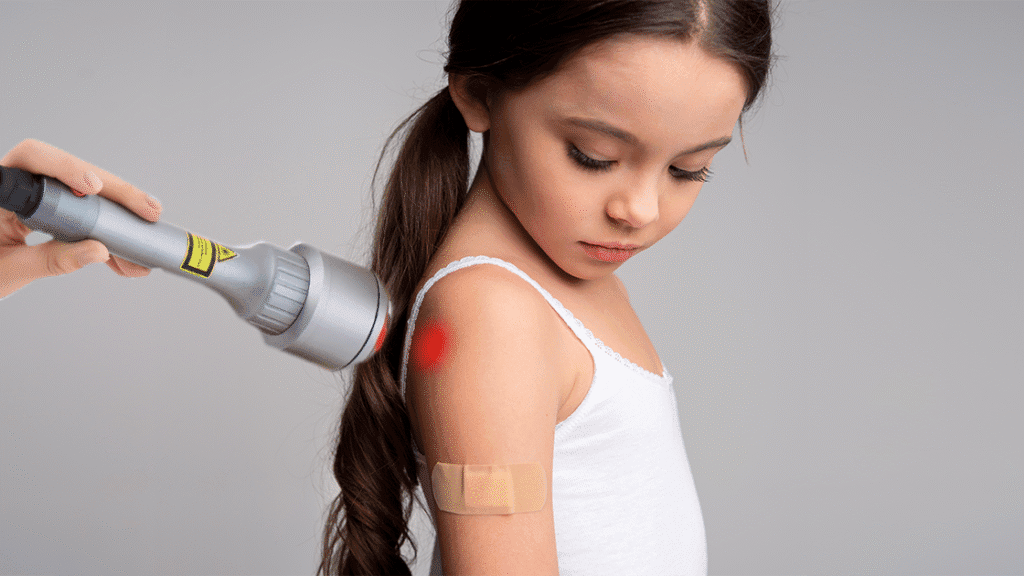
5. Benefits of Laser Therapy for Pediatric Patients
Understanding the specific advantages laser therapy offers pediatric patients helps parents make informed treatment decisions. These benefits extend beyond symptom relief to encompass broader quality of life improvements.
5.1 Drug-Free Pain Relief
Laser therapy provides effective analgesia without the potential side effects associated with pharmaceutical interventions in children. The therapy stimulates endorphin release while modulating pain signal transmission through nerve pathways. This mechanism offers particular value for children who cannot tolerate certain medications or whose parents prefer non-pharmacological approaches. Clinical studies demonstrate pain reduction comparable to conventional analgesics for many conditions. The absence of systemic effects eliminates concerns about drug interactions or adverse reactions in pediatric patients.
5.2 Reduced Inflammation and Faster Recovery
Photobiomodulation significantly reduces inflammatory mediators including prostaglandins, leukotrienes, and various cytokines associated with tissue damage. This anti-inflammatory effect accelerates the transition from inflammatory to proliferative healing phases. Children typically experience faster return to normal activities following injuries or surgical procedures. The therapy enhances lymphatic drainage, reducing edema and promoting toxin clearance from affected tissues. Research demonstrates measurably improved healing rates when laser therapy supplements conventional pediatric treatment protocols.
5.3 No Needles, No Crying: Ideal for Anxious Children
The non-invasive nature of laser therapy eliminates anxiety associated with injections or invasive procedures in pediatric patients. Children typically find the warm, tingling sensation pleasant rather than uncomfortable during treatment sessions. This characteristic makes laser therapy particularly valuable for managing needle-phobic children or those with medical trauma histories. The quiet operation of most therapeutic lasers creates a calming treatment environment. Parents often report improved cooperation with subsequent medical treatments following positive laser therapy experiences.
5.4 Improved Quality of Life for Chronic Conditions
Children with chronic conditions often experience significant quality of life improvements through regular laser therapy protocols. The therapy’s cumulative effects help manage symptoms while supporting overall health and development. Families report reduced healthcare utilization and decreased school absences following laser therapy implementation. The treatment’s ability to enhance sleep quality contributes to improved cognitive function and emotional well-being. Long-term protocols may help prevent condition exacerbations and reduce the need for more aggressive interventions.
6. Real Cases: Success Stories in Pediatric Care
Examining specific case examples helps parents understand laser therapy’s practical applications and potential outcomes. These real-world scenarios demonstrate the therapy’s versatility across different pediatric conditions.
6.1 Laser Therapy for Pediatric Sports Injuries
A 14-year-old soccer player presented with acute hamstring strain during tournament season, threatening scholarship opportunities. Traditional rest protocols would have required 6-8 weeks of activity modification, missing crucial competitive events. Laser therapy initiated within 48 hours of injury included daily treatments for the first week, followed by alternate-day sessions. The athlete returned to full competition within three weeks with complete symptom resolution. Follow-up at six months showed no reinjury, demonstrating the therapy’s ability to promote complete tissue healing.
6.2 Managing Chronic Mouth Ulcers in Kids
An 8-year-old child suffered from recurrent aphthous stomatitis, experiencing painful ulcers every 2-3 weeks that interfered with eating and speaking. Previous treatments included topical steroids and oral analgesics with limited success and concerning side effects. Laser therapy protocol involved treatment of active lesions followed by preventive sessions during remission periods. After six months, ulcer frequency decreased by 80%, and pain severity scores improved dramatically. The child’s nutritional status and school performance improved significantly following treatment implementation.
6.3 Eczema and Scar Management with Lasers
A 6-year-old with severe atopic dermatitis resistant to conventional therapies experienced constant pruritus and frequent secondary infections. Parents sought alternatives to increasing steroid potency due to concerns about skin atrophy and systemic absorption. Laser therapy targeting inflammatory lesions was combined with standard moisturizing protocols over 12 weeks. Dermatology Life Quality Index scores improved by 70%, and topical steroid requirements decreased significantly. The child’s sleep quality and family stress levels improved markedly throughout the treatment course.
7. How to Get Started
Parents considering laser therapy for their children need practical guidance for navigating the treatment process. Understanding what to expect helps ensure positive outcomes and appropriate expectations.

7.1 Finding a Certified Pediatric Laser Provider
Begin by consulting your child’s primary care physician or specialist for referrals to qualified laser therapy providers with pediatric experience. Verify provider credentials through professional laser therapy organizations and state licensing boards. Inquire about specific pediatric training and the provider’s experience treating children with similar conditions. Many healthcare facilities now offer laser therapy services, but pediatric expertise varies significantly among providers. Consider scheduling consultations with multiple providers to compare approaches and comfort levels.
7.2 What Happens During a Treatment Session?
Initial consultations involve comprehensive medical history review and physical examination to determine treatment candidacy and develop appropriate protocols. Providers explain the procedure, demonstrate equipment, and address any child or parent concerns before beginning. Treatment sessions typically last 5-20 minutes depending on the condition and area being treated. Children wear protective eyewear while the provider applies laser energy to specific anatomical sites. Most children find the experience comfortable, often describing sensations as warm or tingling.
7.3 Number of Sessions and Cost Estimates
Treatment protocols vary significantly based on condition severity, chronicity, and individual response patterns. Acute conditions may require 3-6 sessions over 1-2 weeks, while chronic conditions often need 8-12 sessions over several months. Session costs typically range from $50-150, with package deals sometimes available for extended treatment courses. Insurance coverage varies widely, with some plans covering specific indications while others consider laser therapy experimental. Parents should verify coverage before beginning treatment and explore payment plan options when necessary.
7.4 Questions Parents Should Ask Before Starting
Essential questions include provider credentials, pediatric-specific training, treatment protocols, expected outcomes, and potential risks or side effects. Inquire about device specifications, safety protocols, and emergency procedures should complications arise. Discuss alternative treatment options and how laser therapy fits into overall care plans. Ask about treatment scheduling flexibility, missed appointment policies, and criteria for treatment modifications. Request references from other parents whose children received similar treatments for comparable conditions.
8. Conclusion: When to Consider Laser Therapy for Your Child
Laser therapy represents a valuable addition to pediatric healthcare options, offering safe and effective treatment for numerous conditions. The therapy’s non-invasive nature, excellent safety profile, and proven efficacy make it particularly well-suited for pediatric applications. Parents should consider laser therapy when conventional treatments prove inadequate, when avoiding pharmaceutical interventions is desired, or when children experience anxiety with traditional medical procedures. The decision to pursue laser therapy should involve collaboration between parents, children (when age-appropriate), and healthcare providers. Realistic expectations, proper provider selection, and adherence to established protocols optimize treatment outcomes. As research continues to expand our understanding of photobiomodulation in pediatric patients, laser therapy’s role in children’s healthcare will likely continue growing. Ultimately, laser therapy offers families another tool for promoting healing and improving quality of life for children facing various health challenges. When administered by qualified professionals using appropriate protocols, the therapy provides a safe, effective, and comfortable treatment option that aligns with many families’ preferences for gentle, non-invasive healthcare approaches.
9. FAQs
In many cases, yes. Pediatric laser therapy can reduce pain and inflammation without drugs, which is ideal for children sensitive to medications or when parents want to avoid long-term pharmaceuticals.
No. Laser therapy uses non-ionizing light, not harmful radiation. It stimulates healing at the cellular level without damaging tissue or DNA.
Not necessarily. Sessions are short, and therapists are trained in treating wiggly little ones. Some clinics even make it feel like a game.
Yes. Low-level laser therapy has shown benefits in reducing inflammation and boosting immune response in ENT conditions like sinusitis and tonsillitis.
Laser therapy promotes skin regeneration and reduces itch and redness. It’s often used to manage eczema, reduce scar visibility, and calm inflammation safely.
Look for providers certified in pediatric laser therapy or with experience using FDA-cleared devices for children. Ask if they follow age-appropriate protocols.
 English
 العربية
 Français
 日本語
日本語 Português
 Español
 Русский
 Deutsch