

Содержание страницы
1. Introduction: Cold Sores and the Search for Better Treatment
Cold sores represent one of the most persistent and frustrating dermatological conditions affecting millions worldwide. These painful vesicular lesions, caused by the herpes simplex virus type 1 (HSV-1), create both physical discomfort and emotional distress for sufferers. While traditional treatments have provided some relief, emerging therapeutic modalities are revolutionizing how we approach this common viral infection.
1.1 The Frustration of Recurring Cold Sores
The cyclical nature of herpes labialis creates a profound impact on patients’ quality of life, extending far beyond the visible lesions. Recurrent episodes typically occur 2-4 times annually, with each outbreak lasting 7-10 days when untreated. The unpredictable timing often coincides with important social or professional events, causing psychological stress that may paradoxically trigger additional outbreaks. The prodromal symptoms—tingling, burning, and localized pain—serve as unwelcome harbingers of impending lesions, creating anticipatory anxiety that compounds the condition’s burden.
1.2 Traditional Solutions: How Acyclovir Cream Works
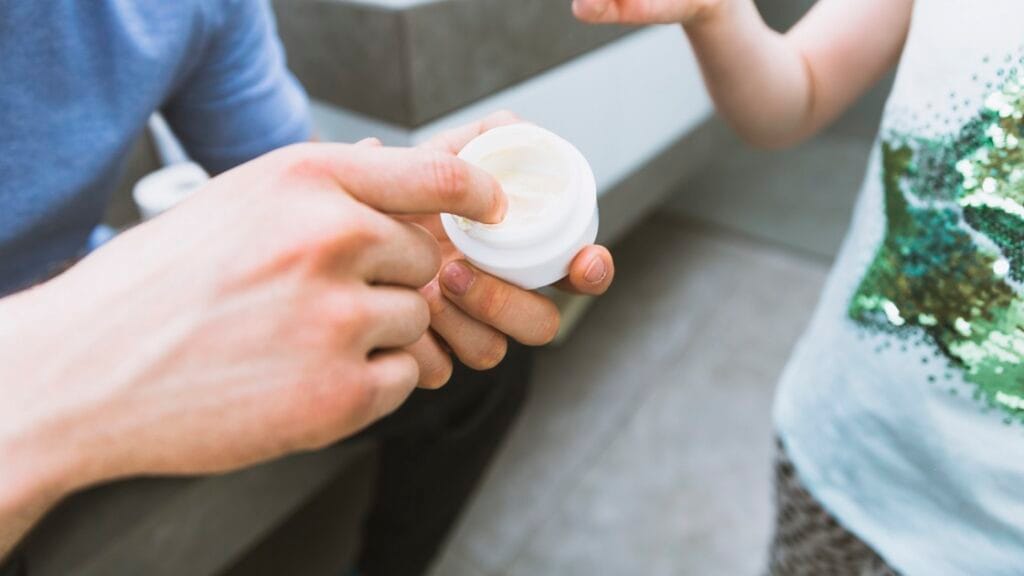
Acyclovir cream has served as the gold standard topical treatment for herpes labialis since its introduction in the 1980s. This nucleoside analog functions by inhibiting viral DNA polymerase, effectively disrupting HSV-1 replication within infected keratinocytes. The medication requires phosphorylation by viral thymidine kinase to become active, demonstrating selective toxicity against infected cells. When applied five times daily during the prodromal phase, acyclovir cream can reduce lesion duration by approximately 0.5-1 day, though this modest improvement often falls short of patient expectations.
1.3 Why Laser Therapy Is Emerging as a Superior Alternative
Высокоуровневая лазерная терапия (HLLT) represents a paradigm shift in cold sore management, offering rapid symptom relief and potential preventive benefits that surpass traditional pharmaceutical approaches. Unlike topical antivirals that merely suppress viral replication, laser therapy employs photobiomodulation to enhance cellular repair mechanisms, reduce inflammation, and accelerate tissue regeneration. Clinical studies demonstrate that laser treatment can reduce pain within hours of application and significantly shorten healing times compared to conventional therapies. This non-invasive approach eliminates concerns about drug resistance and systemic side effects while providing immediate, tangible relief.
2. Understanding Cold Sores: The HSV-1 Virus Unmasked
To appreciate the superiority of laser therapy, we must first understand the complex pathophysiology of HSV-1 infection and its impact on oral tissues. This knowledge forms the foundation for evaluating treatment modalities and their mechanisms of action.
2.1 What Is Herpes Simplex Virus Type 1 (HSV-1)?
HSV-1 is a double-stranded DNA virus belonging to the Alphaherpesvirinae subfamily, characterized by its neurotropic properties and ability to establish lifelong latency. The virus primarily infects epithelial cells of the oral mucosa before traveling retrograde along sensory nerve fibers to the trigeminal ganglion, where it remains dormant. This latent state involves the integration of viral DNA into host cell nuclei, protected from immune surveillance by the blood-brain barrier. The virus possesses sophisticated immune evasion mechanisms, including the production of proteins that inhibit complement activation and interfere with major histocompatibility complex class I presentation.
2.2 Common Triggers: Stress, UV Exposure, Hormonal Changes
Viral reactivation occurs when the delicate balance between viral latency and host immune control is disrupted by various environmental and physiological factors. Psychological stress elevates cortisol levels, suppressing cell-mediated immunity and creating favorable conditions for viral replication. Ultraviolet radiation damages DNA within infected neurons, potentially triggering viral gene expression and subsequent reactivation. Hormonal fluctuations, particularly during menstruation, pregnancy, or menopause, can alter immune function and increase susceptibility to outbreaks. Other triggers include fever, immunosuppression, local trauma, and certain medications that compromise immune responses.

2.3 The Cold Sore Life Cycle: From Tingling to Healing
The progression from viral reactivation to complete healing follows a predictable sequence of histopathological changes. The prodromal phase begins with viral replication in the ganglion and anterograde transport to the infection site, manifesting as tingling, burning, or localized pain 12-24 hours before visible lesions appear. The vesicular stage involves massive viral replication within keratinocytes, leading to cell death and the formation of fluid-filled blisters containing millions of infectious viral particles. Subsequent ulceration exposes underlying dermis, creating painful erosions that gradually dry and form protective crusts. The healing phase involves re-epithelialization, collagen deposition, and tissue remodeling, typically completing within 7-10 days.
2.4 The Importance of Early Intervention
The therapeutic window for optimal treatment effectiveness is narrowest during the prodromal phase, when viral replication is initiating but tissue damage remains minimal. Early intervention can significantly impact lesion severity, duration, and viral shedding patterns. During this critical period, both antiviral medications and laser therapy demonstrate maximum efficacy, though through different mechanisms. The challenge lies in patient recognition of prodromal symptoms and immediate access to treatment, as delays of even 24 hours can substantially reduce therapeutic outcomes. This urgency underscores the importance of patient education and treatment accessibility.
3. Acyclovir Cream: Standard but Slow
Despite decades of clinical use, acyclovir cream’s limitations have become increasingly apparent as patient expectations for rapid, effective treatment have evolved. Understanding these constraints is essential for appreciating the advantages of alternative therapeutic approaches.
3.1 How Acyclovir Works at the Molecular Level
Acyclovir’s antiviral activity depends on a complex cascade of biochemical reactions within infected cells. The inactive prodrug requires initial phosphorylation by viral thymidine kinase, an enzyme present only in HSV-infected cells, conferring selectivity for viral rather than host cell targets. Subsequent phosphorylation by cellular kinases produces acyclovir triphosphate, the active metabolite that competes with deoxyguanosine triphosphate for incorporation into viral DNA. Once incorporated, acyclovir acts as a chain terminator, lacking the 3′-hydroxyl group necessary for DNA elongation. This mechanism effectively halts viral DNA synthesis and prevents formation of progeny virions, though it cannot eliminate latent viral reservoirs.
3.2 Timing Matters: Best Application Window
The efficacy of acyclovir cream is critically dependent on application timing relative to the viral replication cycle. Maximum benefit occurs when treatment begins during the prodromal phase, before significant viral replication has occurred and tissue damage is minimal. Studies demonstrate that treatment initiated within 24 hours of symptom onset provides the greatest reduction in lesion duration and severity. However, many patients fail to recognize early symptoms or delay treatment until vesicles are clearly visible, significantly reducing therapeutic effectiveness. The narrow therapeutic window represents a major limitation of topical acyclovir, as patients often miss the optimal treatment period.
3.3 Pros: Widely Available, Well-Tolerated
Acyclovir cream offers several advantages that have maintained its position as a first-line treatment for herpes labialis. Its widespread availability without prescription in many countries ensures patient access during acute outbreaks. The topical formulation generally exhibits excellent tolerability, with local side effects occurring in fewer than 5% of users. Systemic absorption is minimal, eliminating concerns about drug interactions or systemic toxicity. The cream’s established safety profile extends to special populations, including pregnant women and immunocompromised patients, where systemic antivirals may be contraindicated. Additionally, the medication’s affordability makes it accessible to patients across various socioeconomic backgrounds.
3.4 Cons: Limited Efficacy, Slow Healing, Antiviral Resistance
Despite its advantages, acyclovir cream’s clinical limitations have become increasingly apparent through decades of use. Studies have shown that they can make cold sores go away about one day sooner, representing a modest improvement that often fails to meet patient expectations. The medication’s inability to penetrate deeply into tissues limits its effectiveness against established infections, particularly after vesicle formation. Emerging antiviral resistance, while still uncommon, poses a growing concern, especially in immunocompromised patients requiring frequent treatment. The need for frequent applications (five times daily) creates compliance challenges, and the cream’s texture may be cosmetically unacceptable to some patients, potentially affecting adherence and treatment outcomes.
4. Laser Therapy: A Modern Breakthrough for HSV-1
High-level laser therapy represents a revolutionary approach to cold sore management, harnessing the power of photobiomodulation to accelerate healing and provide rapid symptom relief. This non-pharmacological intervention addresses multiple aspects of the inflammatory response while promoting tissue repair.
4.1 What Is Laser Therapy?
Laser therapy for cold sores utilizes specific wavelengths of coherent light to stimulate cellular processes involved in tissue repair and inflammation resolution. Unlike low-level laser therapy (LLLT), which operates at power densities below 500 mW/cm², high-level laser therapy employs higher power densities to achieve deeper tissue penetration and more pronounced biological effects. The treatment involves directing focused laser energy onto affected tissues, where photons are absorbed by cellular chromophores, triggering a cascade of beneficial biochemical reactions. This photobiomodulation process enhances cellular metabolism, increases ATP production, and promotes the release of growth factors essential for tissue regeneration.
4.2 How It Works: Biostimulation, Cellular Repair & Inflammation Control
The therapeutic effects of laser therapy result from complex interactions between photons and cellular components, particularly cytochrome c oxidase in mitochondria. Photon absorption increases electron transport chain efficiency, leading to enhanced ATP synthesis and improved cellular energy metabolism. This biostimulation promotes protein synthesis, collagen production, and angiogenesis, accelerating the natural healing process. Simultaneously, laser therapy modulates inflammatory responses by reducing pro-inflammatory cytokine production while enhancing anti-inflammatory mediator release. The treatment also stimulates endorphin release, providing rapid pain relief that often exceeds that achieved by topical anesthetics. These combined effects create an optimal environment for tissue repair while minimizing discomfort.
4.3 Cold Sore Lasers: Wavelengths, Pulse Modes, and Devices
Effective laser therapy for cold sores typically employs red or near-infrared wavelengths (630-904 nm) that provide optimal tissue penetration while minimizing thermal damage. Red light lasers (630-670 nm) excel at treating superficial lesions and promoting epithelial regeneration, while near-infrared wavelengths (810-904 nm) penetrate deeper to address underlying inflammatory processes. Modern devices offer both continuous wave and pulsed delivery modes, with pulsed treatments often providing enhanced therapeutic effects while minimizing heat accumulation. Power densities typically range from 50-500 mW/cm², with treatment protocols adjusted based on lesion stage and patient response. Handheld devices designed for home use have made laser therapy increasingly accessible to patients seeking immediate treatment options.
5. Laser Therapy vs Acyclovir Cream: Head-to-Head Comparison
Direct comparison between laser therapy and acyclovir cream reveals significant differences in treatment outcomes, patient satisfaction, and long-term benefits. Clinical evidence supports laser therapy’s superiority across multiple parameters relevant to cold sore management.
5.1 Symptom Relief: Pain, Redness, and Healing Time
Researchers found that light therapy increased the healing rates of cold sore ulcers in 69% of patients. In addition to accelerating healing, light therapy reduced 88% of painful cold sore lesions within two days. This dramatic pain reduction contrasts sharply with acyclovir cream’s gradual onset of action, which typically requires 3-5 days to demonstrate noticeable improvement. Laser therapy’s anti-inflammatory effects rapidly reduce erythema and edema, improving cosmetic appearance within hours of treatment. The enhanced cellular repair mechanisms accelerate re-epithelialization, often reducing total healing time by 2-3 days compared to topical antivirals. This rapid symptom relief significantly improves patient quality of life and reduces the psychological impact of visible lesions.
5.2 Long-Term Outcomes: Frequency and Severity of Recurrences
Beyond immediate symptom relief, laser therapy demonstrates promising effects on long-term outbreak patterns. Regular laser treatments may reduce the frequency and severity of recurrent episodes by modulating local immune responses and potentially affecting viral latency. Some studies suggest that laser therapy can extend the interval between outbreaks and reduce the intensity of subsequent lesions. This preventive potential represents a significant advantage over acyclovir cream, which provides no long-term benefits beyond the treated episode. The ability to potentially modify the natural history of recurrent herpes labialis makes laser therapy an attractive option for patients with frequent outbreaks who seek more than temporary symptomatic relief.
5.3 Duration of Effectiveness and Preventive Potential
The duration of laser therapy’s benefits extends well beyond the immediate treatment period, with some patients reporting sustained improvement in outbreak patterns for months following treatment. This prolonged effect may result from enhanced local immune function, improved tissue integrity, or modifications in viral-host interactions at the cellular level. In contrast, acyclovir cream’s benefits are limited to the current outbreak, requiring repeated applications for each subsequent episode. The potential for laser therapy to provide preventive benefits makes it particularly valuable for patients with frequent recurrences or those facing known trigger situations such as stress, sun exposure, or medical procedures.
5.4 Cost Comparison: Over-the-Counter vs. Clinic Sessions
While acyclovir cream offers lower upfront costs, repeated purchases for frequent outbreaks can accumulate significant expenses over time. Laser therapy sessions, though initially more expensive, may prove cost-effective for patients with frequent recurrences due to their potential preventive benefits. The reduced need for symptomatic treatments, fewer missed work days, and improved quality of life contribute to the overall economic value of laser therapy. Additionally, many insurance plans are beginning to recognize laser therapy as a legitimate medical treatment, potentially reducing out-of-pocket expenses for patients. The long-term cost-benefit analysis often favors laser therapy for patients with chronic, recurring cold sores.
5.5 User Experience and Compliance
Patient satisfaction with laser therapy consistently exceeds that reported for topical antivirals. The rapid onset of pain relief, minimal side effects, and convenient treatment schedule enhance patient compliance and satisfaction. Unlike acyclovir cream, which requires multiple daily applications and may cause skin irritation, laser therapy typically involves brief, comfortable sessions with immediate benefits. The non-invasive nature of laser treatment appeals to patients who prefer to avoid medications or have experienced adverse reactions to topical antivirals. The ability to receive treatment without disrupting daily activities or causing cosmetic concerns further enhances the user experience.
6. Clinical Evidence Supporting Laser Therapy
The growing body of clinical evidence supporting laser therapy for cold sores includes controlled trials, systematic reviews, and real-world effectiveness studies that demonstrate its therapeutic superiority over conventional treatments.
6.1 Key Studies: Laser vs Acyclovir in HSV-1 Management
This study aimed to evaluate the effect of Low level laser therapy on the treatment of patients with herpes labialis compared to acyclovir cream in a randomized clinical trial involving 60 patients. The results demonstrated significant advantages for laser therapy in terms of pain reduction, healing time, and patient satisfaction. One study showed using a near-infrared device compared to a sham device shortened lesion time from seven to five days when using the light for three minutes, three times a day for two days. These findings have been replicated in multiple independent studies, establishing a consistent pattern of laser therapy superiority across diverse patient populations and clinical settings.
6.2 How Laser Reduces Future Outbreaks
The mechanisms underlying laser therapy’s potential preventive effects involve complex interactions between photobiomodulation and local immune function. Laser treatment appears to enhance antigen presentation, stimulate dendritic cell activation, and promote balanced Th1/Th2 immune responses that may suppress viral reactivation. The therapy’s ability to strengthen epithelial barrier function and reduce inflammation may also create a less favorable environment for viral replication. Additionally, laser therapy’s stress-reducing effects through endorphin release may indirectly reduce outbreak frequency by addressing one of the primary triggers for viral reactivation. These multifaceted mechanisms suggest that laser therapy addresses the underlying pathophysiology of recurrent herpes labialis rather than merely treating symptoms.
6.3 Dermatologist Perspectives and Consensus Statements
Leading dermatologists increasingly recognize laser therapy as a valuable addition to the therapeutic armamentarium for herpes labialis. Professional organizations have begun incorporating laser therapy into treatment guidelines, acknowledging its safety profile and clinical efficacy. Consensus statements emphasize the therapy’s particular value for patients with frequent recurrences, those experiencing side effects from topical antivirals, or individuals seeking rapid symptom relief. The growing acceptance within the medical community reflects accumulating evidence and positive clinical experiences reported by practitioners worldwide. This professional endorsement enhances patient confidence in laser therapy as a legitimate treatment option.
6.4 Patient-Centered Results: Quality of Life Improvements
Patient-reported outcomes consistently demonstrate superior quality of life improvements with laser therapy compared to traditional treatments. Validated questionnaires measuring pain, functional impairment, and emotional distress show significant advantages for laser-treated patients. The rapid resolution of symptoms reduces social embarrassment, improves self-esteem, and minimizes disruption to daily activities. Patients report greater satisfaction with their appearance during treatment, reduced anxiety about future outbreaks, and improved overall well-being. These patient-centered benefits, while difficult to quantify objectively, represent crucial outcomes that significantly impact treatment decisions and long-term adherence to therapy.
7. When Laser Therapy Is the Smarter Choice
Specific clinical scenarios and patient characteristics make laser therapy the preferred treatment option, offering superior outcomes and patient satisfaction compared to conventional approaches.
7.1 For Chronic and Frequent Cold Sore Sufferers
Patients experiencing more than four outbreaks annually represent ideal candidates for laser therapy, as the cumulative benefits of treatment often exceed those achieved with repeated courses of topical antivirals. The potential for reduced outbreak frequency and severity makes laser therapy particularly valuable for this population. Chronic sufferers often develop tolerance to conventional treatments or experience diminishing returns from repeated acyclovir use. The multi-modal effects of laser therapy—combining immediate symptom relief with potential long-term preventive benefits—address the complex needs of patients with frequent recurrences. The investment in laser therapy sessions often proves cost-effective when compared to the cumulative expenses of repeated topical treatments.
7.2 When Creams Cause Skin Irritation or Allergies
Patients who experience contact dermatitis, allergic reactions, or skin irritation from topical antivirals find laser therapy an ideal alternative. The non-chemical nature of laser treatment eliminates concerns about hypersensitivity reactions while providing effective symptom relief. Individuals with sensitive skin, eczema, or other dermatological conditions may find topical medications exacerbate their underlying skin problems. Laser therapy’s gentle, non-invasive approach makes it suitable for patients with compromised skin barriers or those prone to secondary infections. The absence of preservatives, fragrances, or chemical irritants in laser therapy makes it the preferred choice for patients with multiple medication sensitivities or those seeking natural treatment approaches.
7.3 For Rapid Pain Relief and Appearance Recovery
The immediate pain relief provided by laser therapy makes it invaluable for patients facing important social or professional events. Unlike topical antivirals, which require days to demonstrate noticeable improvement, laser therapy often provides significant pain reduction within hours of treatment. The rapid reduction in inflammation and improved appearance allows patients to return to normal activities without the self-consciousness associated with visible lesions. This immediate benefit is particularly important for individuals in public-facing professions or those with active social lives. The ability to quickly restore normal appearance and function represents a significant quality-of-life advantage over conventional treatments.
7.4 As a Preemptive Option Before Travel or Stress Events
Laser therapy’s preventive potential makes it an excellent choice for patients facing known triggers such as travel, stress, or medical procedures. Prophylactic laser treatment may reduce the likelihood of outbreak occurrence or minimize severity if reactivation does occur. This preemptive approach is particularly valuable for patients with predictable trigger patterns who wish to avoid the inconvenience of managing active lesions during important events. The ability to “prime” the immune system and strengthen tissue defenses through laser therapy represents a proactive approach to cold sore management that goes beyond reactive treatment of established lesions.
8. What to Expect During a Laser Therapy Session
Understanding the laser therapy experience helps patients prepare for treatment and sets appropriate expectations for the therapeutic process and outcomes.

8.1 Session Duration and Sensation During Treatment
A typical laser therapy session for cold sores lasts 10-15 minutes, including preparation time and post-treatment assessment. The actual laser application usually requires only 3-5 minutes per treatment area, making it a convenient option for busy patients. Most patients describe the sensation as mildly warming or tingling, with some reporting a slight throbbing sensation during treatment. The procedure is generally well-tolerated, with most patients finding it comfortable or even pleasant. Some devices incorporate cooling mechanisms to enhance comfort, while others use pulsed delivery modes to minimize thermal sensations. The non-invasive nature of the treatment allows patients to return to normal activities immediately following the session.
8.2 Post-Treatment Care and Skin Reactions
Post-treatment care following laser therapy is minimal, typically requiring only basic skin hygiene and sun protection. Patients may experience mild erythema or warmth in the treated area for 1-2 hours following treatment, which represents a normal physiological response to photobiomodulation. Some individuals notice increased tingling or mild discomfort during the first few hours post-treatment, often followed by rapid improvement in symptoms. Unlike topical medications, laser therapy does not require specific application schedules or create cosmetic concerns about cream residue. Patients should avoid direct sun exposure for 24 hours following treatment and maintain good oral hygiene to prevent secondary bacterial infection of healing lesions.
8.3 How Many Sessions Are Typically Needed?
The number of laser therapy sessions required depends on lesion severity, patient response, and treatment goals. Most patients with early-stage lesions achieve significant benefit from 2-3 sessions over consecutive days, while established lesions may require 4-5 treatments. Some protocols involve daily treatments for the first 2-3 days, followed by every-other-day sessions until complete healing occurs. For preventive purposes, monthly maintenance sessions may be recommended for patients with frequent recurrences. Individual response variability means that treatment schedules should be tailored to each patient’s specific needs and outcomes. The cumulative benefits of laser therapy often become more apparent with repeated sessions, making consistent treatment important for optimal results.
8.4 Contraindications and Known Side Effects
Laser therapy for cold sores has few absolute contraindications, making it suitable for most patients seeking treatment. Pregnancy is generally considered a relative contraindication due to limited safety data, though no adverse effects have been reported. Patients with active skin cancer in the treatment area should avoid laser therapy, as should individuals with photosensitive conditions or those taking photosensitizing medications. Patients with pacemakers or other electronic implants may require special precautions depending on the laser device used. Side effects are generally mild and transient, including temporary erythema, mild discomfort, or rare instances of hyperpigmentation. The excellent safety profile of laser therapy makes it appropriate for patients who cannot tolerate conventional treatments.
9. Real-World Experiences and Long-Term Results
Patient experiences and long-term outcomes provide valuable insights into the practical benefits and limitations of laser therapy for cold sore management.
9.1 First-Time Users: Initial Impressions and Healing Speed
First-time laser therapy users consistently report surprise at the rapid onset of pain relief and the comfortable nature of the treatment experience. Many patients describe immediate or near-immediate reduction in burning, tingling, and throbbing sensations that typically accompany cold sore outbreaks. The visible improvement in lesion appearance within 24-48 hours often exceeds patient expectations, particularly for those accustomed to the gradual improvement seen with topical antivirals. Initial skepticism about the effectiveness of “light therapy” quickly transforms into enthusiasm as patients experience tangible benefits. The convenience and speed of treatment appeal to patients seeking immediate relief without the inconvenience of frequent medication applications.
9.2 Repeat Users: Reduced Outbreak Frequency Over Time
Patients who incorporate laser therapy into their cold sore management routine often report decreased outbreak frequency and severity over time. Many individuals notice longer intervals between episodes and less severe symptoms when outbreaks do occur. Some patients report that subsequent outbreaks resolve more quickly, even without immediate laser treatment, suggesting lasting benefits from previous sessions. The cumulative effects of laser therapy appear to strengthen local immune responses and improve tissue resilience, creating a more favorable environment for preventing viral reactivation. These long-term benefits make laser therapy particularly attractive for patients with chronic, recurrent cold sores who seek more than temporary symptom relief.
9.3 Before-and-After Results (Healing Time & Appearance)
Documented before-and-after results demonstrate laser therapy’s dramatic impact on healing time and cosmetic outcomes. Photographic evidence shows significant improvement in lesion appearance within 24-48 hours of treatment, with complete healing often occurring 2-3 days earlier than expected with conventional treatment. The quality of healing is often superior, with less scarring, better color matching, and smoother tissue texture compared to naturally healed lesions. Patients frequently comment on the improved appearance of treated areas, with some reporting that treated lesions heal so well that they become virtually undetectable. This enhanced healing quality contributes to patient satisfaction and confidence in choosing laser therapy for future outbreaks.
10. Conclusion: A Smarter Way to Treat Cold Sores
Лазерная терапия появилась как a clinically superior option for cold sore treatment, offering faster pain relief, shorter healing time, and reduced recurrence rates compared to topical antivirals like acyclovir. Unlike creams that only suppress viral activity, laser therapy promotes cellular repair and modulates inflammation, addressing both symptoms and root causes. This shift from pharmaceutical suppression to photobiomodulation represents a more holistic, effective approach. Backed by scientific studies and dermatologist support, laser therapy is increasingly recognized as a viable standard of care for managing herpes labialis. For patients frustrated with the limitations of traditional creams, laser therapy presents a safe, efficient, and forward-thinking solution. As technology becomes more accessible, it offers real hope for those seeking better long-term outcomes in cold sore prevention and relief.
11. FAQs: Choosing Between Laser and Acyclovir
Yes, laser therapy is safe for treating cold sores around the lips and nose when performed correctly. The wavelengths used are non-invasive and have been proven effective without harming surrounding tissue. Devices are designed with safety features like calibrated output and protective eyewear. Thousands of treatments have been safely performed in perioral areas with minimal side effects.
Laser therapy may not eliminate outbreaks entirely but can reduce their frequency and severity. It enhances local immunity and tissue repair, which helps prevent viral reactivation. Many patients report longer symptom-free intervals and milder recurrences. It’s not a cure, but an effective long-term management tool for HSV-1.
Laser therapy offers fast symptom relief without the side effects of oral drugs. Unlike antivirals, it doesn’t affect the digestive system or interact with other medications. While oral antivirals reduce episode duration slightly, laser therapy provides faster pain reduction and healing—ideal for patients avoiding systemic medication.
Laser therapy often reduces pain and swelling within hours—sometimes immediately. Its anti-inflammatory action lessens redness and swelling, typically within 24 hours. Many users report faster relief than with topical antivirals, making it a preferred option for quick symptom control.
Yes, laser can be used with topical or oral antivirals. They work through different mechanisms and may enhance each other’s effects. Combination therapy is sometimes used for severe or frequent outbreaks, though many patients find laser alone sufficient for symptom relief and faster healing.
 English
 العربية
 Français
 日本語
日本語 Português
 Español
 Русский
 Deutsch