

Содержание страницы
1. Introduction: The Convergence of Science and Sports Healing
The intersection of advanced physics and sports medicine has ushered in a new era of athletic injury management. Class IV laser therapy represents a paradigm shift in how we approach musculoskeletal healing, combining rigorous scientific principles with practical clinical applications. This evidence-based modality leverages the power of concentrated light energy to accelerate tissue repair, reduce inflammation, and restore function in injured athletes. As the demand for non-invasive treatment options continues to grow, understanding the biophysical mechanisms underlying this technology becomes increasingly important for both healthcare providers and patients seeking optimal recovery outcomes.
1.1 What Is Class IV Laser Therapy?
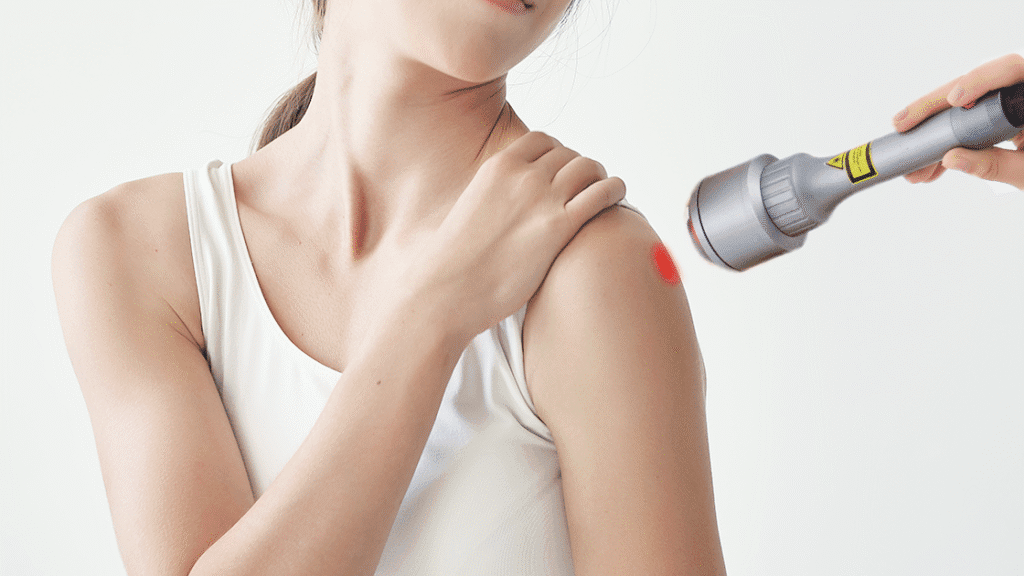
Лазерная терапия класса IV, также известная как high-intensity laser therapy (HILT), utilizes therapeutic lasers with power outputs exceeding 500 milliwatts to deliver photonic energy deep into biological tissues. Unlike lower-class lasers, Class IV devices can penetrate 3-5 centimeters beneath the skin surface, reaching muscles, tendons, ligaments, and joint capsules. These lasers operate primarily within the near-infrared spectrum (800-1000 nanometers), where tissue absorption and scattering properties optimize therapeutic effects while minimizing thermal damage to superficial structures.
1.2 Why It Matters in Modern Sports Medicine
The prevalence of sports-related injuries continues to escalate, with approximately 8.6 million injuries reported annually in the United States alone. Traditional treatment modalities often require extended recovery periods, potentially sidelining athletes for weeks or months. Class IV laser therapy offers a compelling alternative by reducing healing time by 30-50% in many cases. The treatment’s non-invasive nature, absence of pharmaceutical side effects, and compatibility with concurrent rehabilitation protocols make it particularly valuable for athletes seeking rapid return-to-play without compromising tissue integrity or long-term joint health.
1.3 The Growing Demand for Non-Invasive Sports Injury Treatments
Contemporary athletes and healthcare consumers increasingly prioritize treatment options that avoid surgical interventions and minimize reliance on analgesic medications, particularly opioids. This shift reflects growing awareness of surgery-associated risks, including infection, prolonged rehabilitation, and potential complications. Additionally, the opioid epidemic has intensified scrutiny of pain management strategies. Class IV laser therapy addresses these concerns by providing effective analgesia through endogenous mechanisms, stimulating natural healing processes rather than masking symptoms. This approach aligns with current evidence-based medicine principles emphasizing conservative, patient-centered care.
1.4 How Biophysics Powers the Future of Athletic Recovery
The application of fundamental physics principles to biological systems—biophysics—provides the theoretical foundation for photobiomodulation therapy. Understanding how electromagnetic radiation interacts with cellular chromophores, influences mitochondrial respiration, and modulates inflammatory cascades enables clinicians to optimize treatment parameters for specific tissue types and injury presentations. As our comprehension of photon-tissue interactions deepens through advanced spectroscopy and molecular biology techniques, laser therapy protocols continue to evolve, promising even greater efficacy. This scientific rigor distinguishes Class IV laser therapy from pseudoscientific modalities, grounding it firmly in reproducible, mechanistic evidence.
2. Understanding the Biophysics Behind Class IV Laser Therapy
The therapeutic efficacy of Class IV laser therapy stems from sophisticated interactions between photonic energy and biological tissues at molecular, cellular, and systemic levels. These biophysical processes involve specific wavelength-dependent absorption patterns, subsequent biochemical cascades, and measurable physiological responses. A comprehensive understanding of these mechanisms enables evidence-based parameter selection and treatment optimization for various musculoskeletal pathologies.
2.1 The Science of Photobiomodulation (PBM)
Photobiomodulation describes the process whereby non-ionizing electromagnetic radiation in the visible and near-infrared spectrum produces beneficial biological effects without thermal tissue destruction. This phenomenon operates through non-thermal photochemical reactions rather than heat generation. The term “photobiomodulation” replaced earlier designations like “low-level laser therapy” to accurately reflect the mechanism of action and encompass both laser and LED light sources. PBM research has identified multiple cellular targets, including cytochrome c oxidase in the mitochondrial respiratory chain, which serves as the primary photoacceptor for red and near-infrared wavelengths.
2.2 How Light Energy Interacts with Human Cells
When photons encounter biological tissues, they may be reflected, scattered, transmitted, or absorbed depending on wavelength-specific tissue optical properties. Absorption by chromophores—molecules that selectively absorb specific wavelengths—initiates photochemical reactions. Cytochrome c oxidase, hemoglobin, myoglobin, and melanin represent key chromophores in musculoskeletal tissues. Near-infrared wavelengths (800-1000nm) minimize absorption by melanin and hemoglobin while maximizing penetration depth and cytochrome c oxidase interaction. Scattered photons extend the effective treatment volume beyond the primary beam path, creating a therapeutic zone significantly larger than the laser aperture suggests.
2.3 Mechanisms of Action: ATP Production, Mitochondrial Stimulation, and Cellular Repair
Photon absorption by cytochrome c oxidase enhances electron transport chain efficiency, increasing adenosine triphosphate (ATP) synthesis and cellular energy availability. This metabolic boost accelerates anabolic processes essential for tissue repair, including collagen synthesis, fibroblast proliferation, and extracellular matrix remodeling. Simultaneously, PBM reduces oxidative stress by modulating reactive oxygen species (ROS) levels—paradoxically, transient ROS increases trigger beneficial adaptive responses through redox-sensitive transcription factors like NF-κB. Additional mechanisms include increased nitric oxide release promoting vasodilation, enhanced lymphatic drainage reducing edema, and modulation of inflammatory mediators including prostaglandins and cytokines.
2.4 Optimal Wavelengths, Power, and Penetration Depth for Musculoskeletal Healing
Class IV laser systems typically employ wavelengths between 800-980nm, balancing penetration depth with chromophore absorption efficiency. Power outputs of 1-15 watts enable delivery of therapeutic energy densities (4-12 joules/cm²) within clinically practical timeframes. Penetration depth follows an exponential decay pattern; approximately 50% of incident energy reaches 2-3cm depth with optimal wavelengths. Treatment parameters must account for tissue composition, injury depth, chronicity, and desired biological endpoints. Pulsed versus continuous wave delivery, beam geometry, and total energy fluence all influence therapeutic outcomes. Contemporary protocols increasingly utilize patient-specific parameter adjustments based on tissue impedance measurements and thermal imaging feedback.
3. Evidence-Based Benefits and Clinical Research
The scientific validation of Class IV laser therapy rests upon decades of controlled research spanning cellular studies, animal models, and human clinical trials. This body of evidence demonstrates consistent benefits across multiple outcome measures, though optimal protocols continue to evolve as our mechanistic understanding deepens.
3.1 Key Clinical Trials Supporting Class IV Laser Therapy
Multiple randomized controlled trials (RCTs) have established Class IV laser therapy’s efficacy for musculoskeletal conditions. A landmark 2015 study published in Lasers in Medical Science demonstrated significant pain reduction and improved function in patients with chronic knee osteoarthritis compared to sham treatment. Another pivotal trial in Photomedicine and Laser Surgery showed accelerated healing in acute ankle sprains with laser therapy combined with standard care versus standard care alone. Systematic reviews and meta-analyses consistently report moderate-to-large effect sizes for pain reduction, with number-needed-to-treat values of 3-5 for various conditions, indicating clinically meaningful benefits.
3.2 Comparative Studies: Laser Therapy vs Traditional Rehab Modalities
Comparative effectiveness research reveals Class IV laser therapy’s advantages over conventional physical therapy modalities. Studies comparing laser therapy to ultrasound therapy for rotator cuff tendinopathy showed superior outcomes in pain scores and range of motion at 12-week follow-up. When compared to transcutaneous electrical nerve stimulation (TENS) for chronic low back pain, laser therapy demonstrated faster onset of analgesia and longer-lasting effects. However, combination approaches integrating laser therapy with exercise therapy, manual therapy, and neuromuscular reeducation often yield optimal results, suggesting complementary rather than exclusive applications within comprehensive rehabilitation programs.
3.3 Pain Relief, Tissue Regeneration, and Range of Motion Improvements
Clinical outcomes encompass multiple domains beyond simple pain reduction. Histological studies demonstrate enhanced collagen organization, increased tensile strength in healing tendons, and accelerated revascularization in treated tissues. Functional improvements include 20-40% increases in range of motion measurements for various joint pathologies. Pain relief occurs through multiple mechanisms: reduced inflammatory mediator concentration, decreased nerve sensitization, and endogenous opioid release. Importantly, these improvements reflect actual tissue healing rather than symptomatic masking, as evidenced by diagnostic ultrasound and MRI showing structural improvements corresponding with clinical gains. Long-term follow-up studies indicate sustained benefits, with lower recurrence rates compared to conservative management alone.
3.4 Patient Outcomes: From Elite Athletes to Weekend Warriors
Clinical experience demonstrates broad applicability across athletic populations. Professional athletes in the NFL, NBA, and Olympic programs have incorporated Class IV laser therapy into training and rehabilitation protocols, reporting reduced downtime from injuries. Weekend warriors and recreational athletes experience similar relative benefits, though baseline recovery capacity differences influence absolute outcomes. Patient-reported outcome measures consistently show high satisfaction rates (>85%) and willingness to recommend treatment. Notably, older athletes with age-related healing impairments show proportionally greater benefits, suggesting laser therapy partially compensates for diminished regenerative capacity.
3.5 Real-World Testimonials and Case Studies
Clinical case reports illustrate practical applications and treatment trajectories. A 28-year-old collegiate soccer player with grade 2 hamstring strain achieved return-to-play in 18 days with laser therapy versus projected 4-6 weeks with conventional management. A 45-year-old marathon runner with chronic Achilles tendinopathy experienced complete symptom resolution after 12 treatment sessions following 18 months of failed conservative treatments. While individual cases cannot establish causation definitively, consistent patterns across diverse presentations support the controlled trial findings. Patient testimonials emphasize not only pain relief but improved quality of life, restoration of athletic identity, and psychological benefits of accelerated recovery.
4. Class IV Laser Therapy in Sports Medicine Applications
The versatility of Class IV laser therapy enables treatment of numerous sports-related injuries, from acute traumatic injuries to chronic overuse syndromes. Understanding condition-specific applications and optimal integration with other therapeutic interventions maximizes clinical outcomes.
4.1 Treating ACL Tears: Restoring Function Without Surgery
Anterior cruciate ligament (ACL) injuries represent devastating setbacks for athletes, traditionally requiring surgical reconstruction. While complete ruptures typically necessitate surgery, partial tears and post-surgical rehabilitation benefit significantly from laser therapy. Treatment protocols target the healing ligament, surrounding joint capsule, and associated musculature. Studies demonstrate reduced postoperative pain, decreased swelling, and faster achievement of rehabilitation milestones including range of motion and strength benchmarks. Some protocols incorporate laser therapy during arthroscopic procedures, applying energy directly to healing tissues. Conservative management of partial ACL tears with laser therapy, bracing, and neuromuscular training shows promising results in selected patients.
4.2 Managing Common Sports Injuries: Tendonitis, Muscle Strains, and Joint Pain
Tendinopathies including tennis elbow (lateral epicondylitis), jumper’s knee (patellar tendinopathy), and rotator cuff tendinitis respond particularly well to laser therapy. Treatment stimulates tenocyte metabolism, enhances collagen remodeling, and reduces inflammatory infiltration within degenerative tendon tissue. Acute muscle strains benefit from immediate treatment reducing hematoma formation and accelerating myofiber regeneration. Joint pain from osteoarthritis, post-traumatic arthritis, or synovitis improves through anti-inflammatory effects and cartilage preservation. Protocol modifications account for tissue type, injury phase (acute vs. chronic), and anatomical considerations. Typical treatment courses involve 6-12 sessions over 2-4 weeks, with maintenance treatments for chronic conditions.
4.3 Reducing Inflammation and Accelerating Recovery Time
Inflammation represents both a necessary healing component and potential pathological process when excessive or prolonged. Class IV laser therapy modulates inflammatory responses through multiple pathways: reducing pro-inflammatory cytokines (IL-1, IL-6, TNF-α), increasing anti-inflammatory mediators, and promoting M2 macrophage polarization favoring tissue repair over continued inflammation. This balanced modulation contrasts with non-steroidal anti-inflammatory drugs (NSAIDs) that broadly suppress inflammatory processes, potentially impairing healing. Clinical studies demonstrate 30-50% reductions in recovery time for various acute injuries, translating to earlier return-to-sport with lower re-injury risk. Edema reduction occurs rapidly, often within 24-48 hours, through enhanced lymphatic drainage and reduced vascular permeability.
4.4 Deep Tissue Healing: How Laser Therapy Enhances Circulation and Oxygenation
Vascular effects represent crucial components of laser therapy’s therapeutic mechanism. Photobiomodulation triggers nitric oxide release from hemoglobin and endothelial cells, causing vasodilation and increased blood flow to treated regions. Enhanced perfusion delivers oxygen, nutrients, and immune cells while removing metabolic waste products that accumulate in injured tissues. Studies using laser Doppler flowmetry demonstrate 40-60% increases in microcirculation during and immediately following treatment, with sustained improvements accumulating over treatment courses. Improved tissue oxygenation enhances aerobic metabolism, further supporting ATP production and cellular repair processes. This mechanism proves particularly valuable for poorly vascularized tissues like tendons and cartilage, where limited blood supply typically constrains healing.
4.5 Combining Laser Therapy with Physiotherapy and Rehabilitation Exercises
Optimal outcomes emerge from comprehensive treatment programs integrating laser therapy with evidence-based rehabilitation. Therapeutic exercise addresses strength deficits, neuromuscular control impairments, and movement pattern dysfunctions underlying many sports injuries. Manual therapy techniques mobilize restricted joints and soft tissues, complementing laser therapy’s anti-inflammatory effects. Functional progression protocols gradually restore sport-specific demands while laser treatments support ongoing tissue remodeling. Treatment sequencing matters: many clinicians perform laser therapy before exercise sessions to reduce pain and enhance exercise tolerance. Patient education regarding activity modification, injury prevention strategies, and home exercises extends clinical benefits beyond treatment sessions.
5. The Future of Biophysics in Sports Injury Management
Ongoing research and technological innovation promise to expand Class IV laser therapy’s applications and effectiveness. Emerging trends suggest increasingly personalized, evidence-guided treatment approaches integrating multiple biophysical modalities.
5.1 Emerging Research and Technological Innovations
Current research explores combination therapies pairing laser treatment with focused shockwave therapy, pulsed electromagnetic fields, or platelet-rich plasma injections to amplify regenerative responses. Advances in dosimetry utilize real-time tissue impedance measurements and thermal imaging to optimize energy delivery for individual patients and tissue types. Artificial intelligence algorithms analyze treatment responses to predict optimal protocols based on injury characteristics and patient factors. Novel wavelength combinations and beam delivery systems under development may enhance targeting of specific chromophores or cellular processes. Portable Class IV devices enabling home treatment could democratize access while reducing healthcare costs, though ensuring proper training and safety remains crucial.
5.2 Potential for Preventive and Performance Medicine
Beyond injury treatment, laser therapy shows promise for injury prevention and performance enhancement. Prophylactic treatment of high-stress anatomical regions (Achilles tendons in runners, throwing shoulders in pitchers) may reduce overuse injury incidence by supporting tissue adaptation to training loads. Pre-competition treatments potentially enhance muscle contractility and fatigue resistance through metabolic optimization. Post-exercise recovery protocols using laser therapy accelerate lactate clearance and reduce delayed-onset muscle soreness (DOMS), enabling higher training volumes. However, anti-doping regulations and ethical considerations regarding performance enhancement require careful navigation. The World Anti-Doping Agency (WADA) currently does not prohibit laser therapy, but evolving policies merit attention as evidence regarding performance effects accumulates.
6. Conclusion: Light-Powered Recovery for the Modern Athlete
Class IV laser therapy unites biophysics and sports medicine to provide athletes with a proven, non-invasive approach for musculoskeletal recovery. By harnessing photon–chromophore interactions and enhancing mitochondrial function, it promotes cellular repair and reduces inflammation, setting it apart from less evidence-based modalities. Research consistently shows improvements in pain relief, mobility, and tissue healing across diverse injuries. With advancing technology and growing insight into photobiomodulation, laser therapy’s role in sports rehabilitation is expanding. Its strong safety record, compatibility with other treatments, and ability to shorten recovery time without medication align with modern, patient-centered healthcare. For athletes aiming for optimal recovery, Class IV laser therapy offers a scientifically grounded route to faster healing and a safe return to performance. Success depends on proper patient selection, protocol accuracy, and professional supervision to ensure individualized, evidence-based outcomes.
 English
 العربية
 Français
 日本語
日本語 Português
 Español
 Русский
 Deutsch