
Содержание страницы
1. Introduction: Why Inflammation and Mobility Matter
Inflammation and mobility represent two interconnected pillars of musculoskeletal health that profoundly impact quality of life, functional independence, and overall well-being. When воспаление disrupts normal tissue function and mobility becomes compromised, patients often find themselves trapped in a cycle of pain, stiffness, and progressive functional decline that affects every aspect of daily living. Understanding how these processes interact and identifying effective interventions becomes crucial for restoring optimal function and preventing long-term disability.
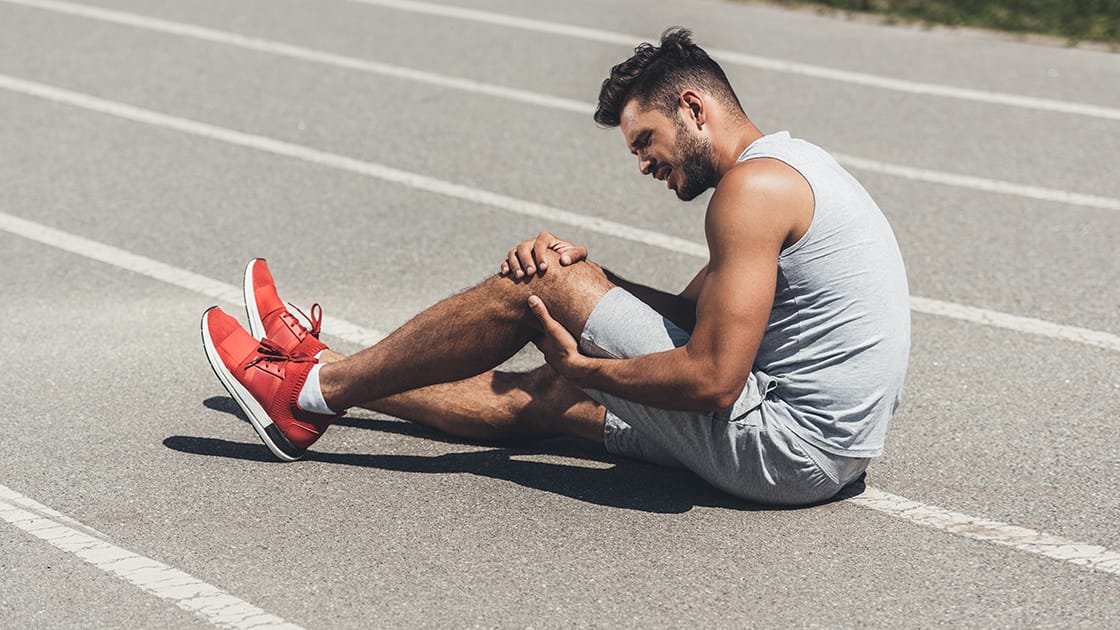
1.1 How Inflammation Triggers Pain, Stiffness, and Limited Movement
The inflammatory cascade involves a complex interplay of cellular and molecular events that, while initially protective, can become self-perpetuating and destructive when chronic. Pro-inflammatory cytokines such as interleukin-1β, tumor necrosis factor-α, and interleukin-6 promote vasodilation, increase vascular permeability, and sensitize nociceptors, creating the characteristic symptoms of pain, swelling, and heat. These inflammatory mediators also stimulate the production of prostaglandins and leukotrienes, which further amplify pain signals and contribute to tissue edema. The resulting mechanical pressure on nerve endings and joint structures creates additional pain while restricting normal range of motion and functional movement patterns.
1.2 Conditions Where Reduced Mobility Impacts Daily Life (Arthritis, Sports Injuries, Chronic Pain)
Arthritis affects millions of individuals worldwide, with osteoarthritis and rheumatoid arthritis representing the most prevalent forms that significantly compromise joint mobility and functional capacity. Sports-related injuries including tendinopathies, muscle strains, and ligamentous sprains create acute inflammatory responses that can progress to chronic pain syndromes when inadequately managed. Chronic pain conditions such as fibromyalgia, chronic low back pain, and cervical dysfunction perpetuate inflammatory processes through central sensitization mechanisms. These conditions collectively impact activities of daily living, occupational performance, recreational activities, and social participation, creating far-reaching consequences beyond the primary musculoskeletal pathology.
1.3 Why Patients Seek Non-Invasive, Drug-Free Alternatives
Growing awareness of potential adverse effects associated with long-term pharmaceutical interventions has motivated patients to seek alternative treatment modalities for chronic inflammatory conditions. Non-steroidal anti-inflammatory drugs carry risks of gastrointestinal bleeding, cardiovascular complications, and renal dysfunction, particularly concerning for elderly patients with multiple comorbidities. Opioid medications present addiction potential, respiratory depression risks, and tolerance development that limit their long-term utility for chronic pain management. Invasive procedures including injections and surgical interventions involve procedural risks, potential complications, and extended recovery periods that many patients prefer to avoid when effective non-invasive alternatives exist.
2. Fighting Inflammation with Class IV Laser Therapy
The therapeutic application of high-intensity laser light represents a sophisticated approach to inflammatory modulation that operates through well-established photobiomodulation mechanisms. Class IV laser therapy offers unique advantages in targeting inflammatory processes at multiple cellular and tissue levels simultaneously, creating comprehensive anti-inflammatory effects that address both acute and chronic inflammatory conditions.
2.1 How Class IV Lasers Work at the Cellular Level (ATP, Mitochondria, Oxidative Stress)
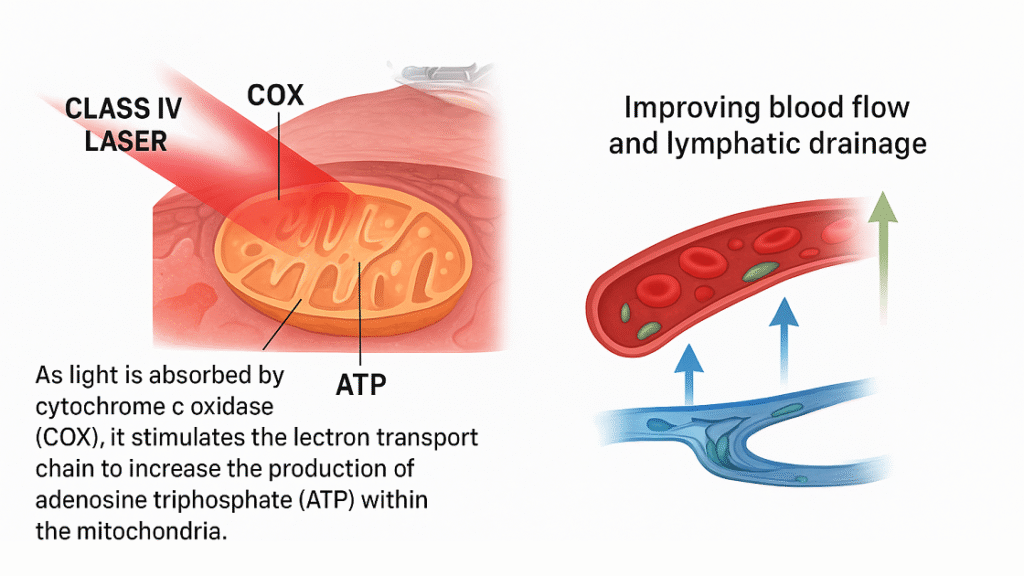
As light is absorbed by Cytochrome C oxidase (COX), it stimulates the electron transport chain to increase the production of adenosine triphosphate (ATP) within the mitochondria. The leading hypothesis is that photons dissociate inhibitory nitric oxide from the enzyme, leading to an increase in electron transport, mitochondrial membrane potential and ATP production. This enhanced cellular energetics improves cell membrane stability, enhances protein synthesis, and promotes cellular repair mechanisms. The increased ATP availability supports active transport processes, enzyme function, and metabolic pathways essential for tissue healing. Additionally, photobiomodulation modulates reactive oxygen species production, converting potentially harmful oxidative stress into beneficial cellular signaling that promotes tissue repair and regeneration.
2.2 Reducing Pro-Inflammatory Cytokines for Lasting Relief
Class IV Laser Therapy effectively targets inflammation at the cellular level. The laser light reduces the production of inflammatory mediators, helping to decrease swelling and redness in the joints. Photobiomodulation (PBM) also known as low-level level laser therapy is the use of red and near-infrared light to stimulate healing, relieve pain, and reduce inflammation. The therapy modulates nuclear factor-κB activation, a key transcription factor controlling inflammatory gene expression, resulting in decreased production of pro-inflammatory cytokines including TNF-α, IL-1β, and IL-6. Simultaneously, photobiomodulation enhances anti-inflammatory mediator production including IL-10 and transforming growth factor-β, shifting the inflammatory balance toward resolution and healing. These molecular changes create sustained anti-inflammatory effects that persist beyond the treatment session.
2.3 Improving Blood Flow and Lymphatic Drainage to Speed Healing
Photobiomodulation therapy enhances microvascular function through multiple mechanisms including nitric oxide release, endothelial cell activation, and smooth muscle relaxation in arterioles and venules. The increased blood flow delivers enhanced oxygen and nutrient supply to metabolically active tissues while facilitating the removal of inflammatory metabolites and cellular debris. Lymphatic drainage improvement reduces tissue edema and promotes the clearance of inflammatory proteins and cellular waste products that perpetuate chronic inflammation. The combination of enhanced arterial inflow and improved lymphatic outflow creates optimal tissue conditions for healing while reducing the mechanical factors that contribute to pain and stiffness in inflammatory conditions.
2.4 Clinical Evidence: Success in Arthritis, Tendonitis, and Joint Pain
To date, there are now over 6000 Proof Positive Clinical Studies, Research Papers and randomized, double-blind studies that reveal beyond a shadow of a doubt that laser therapy, phototherapy aka Photobiomodulation (PBM) demonstrates effectiveness for various inflammatory conditions. Several studies have shown that laser is an excellent therapy to help address the symptoms related to both osteo and rheumatoid arthritis. While it will not restore damaged cartilage, it can help improve ROM of the affected joints. Research in tendinopathies shows significant improvements in pain reduction, functional outcomes, and tissue healing rates when Class IV laser therapy is integrated with comprehensive rehabilitation programs. Clinical trials consistently demonstrate superior outcomes compared to placebo treatments across multiple inflammatory conditions.
3. Boosting Mobility Through Class IV Laser Therapy
The restoration of functional mobility represents a primary therapeutic goal that extends beyond simple pain reduction to encompass comprehensive movement quality, joint function, and activity participation. Class IV laser therapy addresses mobility limitations through multiple interconnected mechanisms that target both the underlying pathophysiology and the functional consequences of musculoskeletal disorders.
3.1 Pain and Stiffness Relief That Restores Movement
Pain reduction through photobiomodulation occurs via multiple neurological pathways including direct effects on nociceptor sensitivity, modulation of nerve conduction velocity, and influence on central pain processing mechanisms. The therapy affects substance P release, reduces inflammatory sensitization of pain receptors, and promotes endorphin production through hypothalamic-pituitary axis activation. Joint stiffness reduction results from decreased inflammatory mediator concentrations, improved tissue hydration, and enhanced collagen flexibility through thermal and photochemical effects. These combined effects enable patients to achieve greater range of motion, reduced morning stiffness, and improved tolerance for movement-based activities essential for functional recovery and maintenance.
3.2 Supporting Soft Tissue Flexibility and Joint Range of Motion
Photobiomodulation therapy influences collagen synthesis and remodeling processes that directly impact tissue extensibility and joint mobility. The treatment enhances fibroblast activity and promotes the formation of properly aligned collagen fibers that maintain tissue strength while preserving flexibility. Hyaluronic acid production increases in response to laser therapy, improving synovial fluid viscosity and joint lubrication that reduces friction during movement. Capsular tissue and periarticular structures respond to photobiomodulation with improved elasticity and reduced adhesion formation. These tissue-level changes translate into measurable improvements in passive and active range of motion across multiple joint systems, enabling more functional movement patterns and reducing compensatory dysfunction.
3.3 Faster Recovery After Sports Injuries and Surgery
This therapy has been proven to work for chronic pain, arthritis, sports injuries, and even post-surgical recovery. The enhanced cellular metabolism and improved tissue perfusion associated with Class IV laser therapy accelerate the natural healing timeline for both traumatic injuries and surgical interventions. Protein synthesis rates increase in response to improved ATP availability, supporting faster tissue repair and remodeling processes. Inflammatory resolution occurs more rapidly due to enhanced clearance of inflammatory mediators and improved immune system modulation. The combination of reduced inflammation, enhanced circulation, and improved cellular energetics creates optimal conditions for tissue healing while minimizing the risk of chronic pain development or functional limitations.
3.4 Real-Life Outcomes: Returning to Walking, Exercise, and Daily Activities
Clinical outcomes research demonstrates significant improvements in functional capacity measures including walking distance, stair climbing ability, and activities of daily living performance following Class IV laser therapy interventions. Patients report enhanced confidence in movement activities, reduced fear of re-injury, and improved quality of life measures across multiple domains. Return-to-sport timelines show acceleration when laser therapy is integrated with comprehensive rehabilitation programs, with athletes achieving pre-injury performance levels more rapidly than with traditional interventions alone. Work-related functional capacity improvements enable earlier return to occupational duties and reduced disability claims. These real-world outcomes translate into meaningful improvements in independence, social participation, and overall life satisfaction for patients across diverse age groups and activity levels.
4. Что такое лазерная терапия класса IV?
Understanding the fundamental principles and characteristics of Class IV laser therapy provides essential context for appreciating its therapeutic applications and clinical advantages. This advanced form of photobiomodulation represents a significant evolution in laser therapy technology, offering enhanced penetration depth, improved treatment efficiency, and superior clinical outcomes compared to earlier generation laser systems.
4.1 Definition and Simple Explanation
Class IV laser therapy, also known as high-intensity laser therapy (HILT), utilizes coherent light energy delivered at wavelengths typically between 800-1000 nanometers with power outputs exceeding 500 milliwatts. The classification system established by the American National Standards Institute and International Electrotechnical Commission defines Class IV lasers as devices capable of producing immediate skin and eye damage, requiring strict safety protocols during clinical application. Despite safety requirements, when properly applied by trained professionals, these devices provide therapeutic benefits through controlled delivery of photonic energy to target tissues. The “high-intensity” designation refers to the laser’s ability to deliver significant photon density to deeper tissue structures while maintaining safe surface temperatures.
4.2 How It Differs from Cold Lasers and Other Light Treatments
Class IV lasers differ fundamentally from lower-class “cold” lasers in their power output capabilities, tissue penetration depth, and treatment efficiency parameters. Cold lasers (Class I-III) typically operate below 500 milliwatts and require longer treatment times to deliver therapeutic photon doses to target tissues. Light-emitting diode (LED) devices provide incoherent light that lacks the focused beam characteristics and penetration capabilities of coherent laser light. Class IV systems achieve therapeutic tissue temperatures of 40-45°C, creating mild hyperthermia that enhances photobiomodulation effects without causing thermal damage. The higher power output enables treatment of larger surface areas in shorter timeframes while achieving greater tissue penetration depths of 3-5 centimeters compared to 1-2 centimeters with lower-class devices.
4.3 The Science of Photobiomodulation and Tissue Repair
Photobiomodulation uses red or NIR light to stimulate healing and regeneration in tissue. The primary chromophores are cytochrome c oxidase in mitochondria and light/heat gated ion channels. Both mechanisms lead to generation of reactive oxygen species that can activate transcription factors. Photobiomodulation (PBM) is a noninvasive photonic-based therapy, capable of dealing with immune-inflammatory, neurological, and musculoskeletal disorders, as well as healing oral and chronic skin wounds. The therapeutic mechanism involves absorption of photons by cellular chromophores, primarily cytochrome c oxidase in the mitochondrial respiratory chain, leading to increased ATP production, enhanced cellular metabolism, and improved tissue oxygenation. Secondary effects include modulation of growth factors, cytokine production, and gene expression patterns that promote healing and reduce inflammation throughout the treatment area.
5. Patient Experience: What to Expect from Class IV Laser Therapy
The patient experience during Class IV laser therapy treatments is generally characterized by comfort, convenience, and minimal disruption to daily activities. Understanding what to expect during and after treatment helps patients make informed decisions and optimize their therapeutic outcomes through proper preparation and compliance with treatment protocols.
5.1 What a Session Feels Like (Warmth, Relaxation, No Downtime)
The treatment is quick, with most sessions lasting between 3-7 minutes and no downtime required. During treatment, patients typically experience a gentle warming sensation in the treated area as the laser energy penetrates tissues and creates mild therapeutic hyperthermia. Many patients find the treatment relaxing and comfortable, often comparing the sensation to a warm heating pad or gentle massage. Unlike some medical procedures, Class IV laser therapy produces no discomfort, burning, or painful sensations when properly administered. The absence of needles, medications, or invasive procedures makes the treatment suitable for patients with needle phobias or medication sensitivities. Following treatment, patients can immediately resume normal activities without restrictions, making the therapy convenient for busy schedules and active lifestyles.
5.2 Safety Profile and Suitability for Most Patients
Studies show significant improvements in pain reduction and mobility. According to OSHA’s guidelines on Class IV lasers, these lasers are safe and effective with proper protocols. The safety profile of Class IV laser therapy is excellent when administered by trained professionals following established protocols and safety guidelines. Contraindications are relatively few and include pregnancy, active malignancy in the treatment area, and certain photosensitizing medications. Patients with pacemakers, metal implants, or bleeding disorders can typically receive treatment with appropriate precautions and modifications. Side effects are minimal and may include temporary fatigue or mild skin irritation that resolves within hours. The non-invasive nature of the treatment eliminates risks associated with injections, medications, or surgical procedures while providing effective therapeutic outcomes.
5.3 Treatment Frequency and Duration of Results
Typical treatment protocols involve 6-12 sessions scheduled 2-3 times per week depending on the condition severity, chronicity, and individual patient response patterns. Acute conditions often require fewer sessions with more rapid improvement, while chronic conditions may benefit from extended treatment courses with maintenance sessions. Many patients experience some improvement within the first few treatments, with cumulative benefits developing throughout the treatment course. Results can last several months following completion of the initial treatment series, with some patients achieving long-term remission of symptoms. Maintenance treatments may be recommended for chronic conditions or patients with high activity demands. The duration of benefit varies based on factors including condition type, severity, patient compliance with home exercise programs, and lifestyle modifications.
5.4 Combining Laser Therapy with Physical Therapy, Exercise, and Lifestyle Changes
Class IV laser therapy demonstrates enhanced effectiveness when integrated with comprehensive rehabilitation programs that address movement dysfunction, strength deficits, and lifestyle factors. Physical therapy interventions including manual therapy, therapeutic exercise, and neuromuscular re-education work synergistically with laser therapy to optimize functional outcomes. The pain reduction and improved tissue healing achieved through photobiomodulation enable more aggressive rehabilitation protocols and better patient tolerance for therapeutic exercises. Lifestyle modifications including proper nutrition, adequate sleep, stress management, and activity modification complement the biological effects of laser therapy. Patient education regarding ergonomics, movement mechanics, and injury prevention strategies helps maintain treatment benefits and reduce recurrence risk. The multimodal approach addresses both the underlying pathophysiology and the functional consequences of musculoskeletal disorders for optimal long-term outcomes.
6. Who Benefits Most from Class IV Laser Therapy?
While Class IV laser therapy demonstrates broad therapeutic applications across numerous musculoskeletal conditions, certain patient populations show particularly favorable responses based on clinical research and practical experience. Understanding which conditions and patient characteristics predict successful outcomes helps optimize treatment selection and improve therapeutic efficiency.
6.1 Patients with Arthritis and Degenerative Joint Conditions
Arthritis patients, particularly those with osteoarthritis and rheumatoid arthritis, represent an ideal population for Class IV laser therapy due to the underlying inflammatory pathophysiology that responds favorably to photobiomodulation. It is the main cause of chronic musculoskeletal pain and disability among the elderly population. The therapy’s ability to reduce inflammatory cytokines, improve circulation, and enhance cellular metabolism directly addresses the key pathological processes in arthritic conditions. Patients with mild to moderate joint degeneration typically show better responses than those with end-stage disease requiring joint replacement. The non-invasive nature makes it particularly suitable for elderly patients with multiple comorbidities who may not be candidates for more aggressive interventions or who wish to avoid medication side effects.
6.2 Athletes Recovering from Sports Injuries
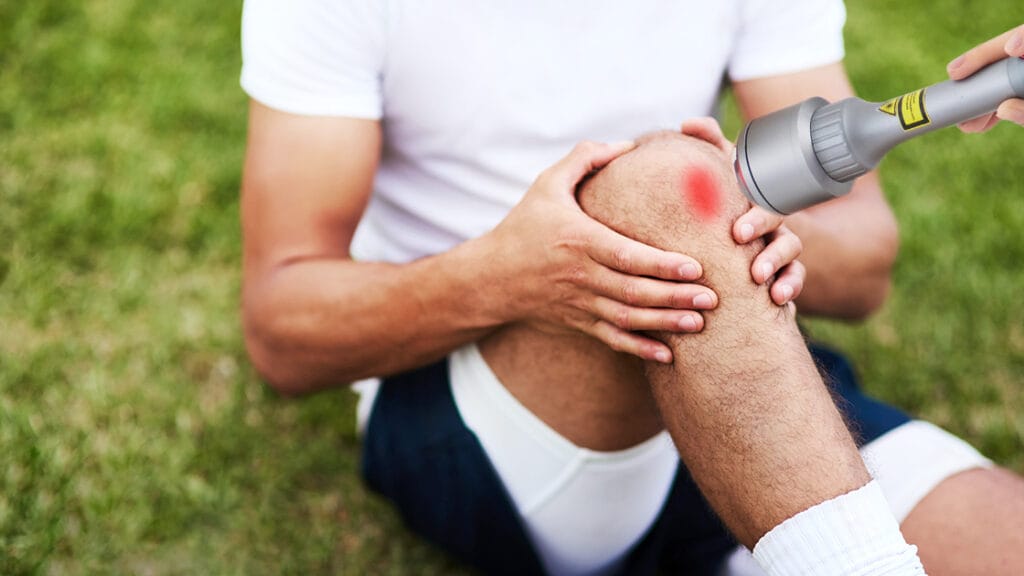
Athletes represent an optimal patient population for Class IV laser therapy due to their high motivation for recovery, excellent baseline health status, and demanding functional requirements. The therapy’s ability to accelerate tissue healing, reduce inflammation, and minimize recovery time aligns perfectly with athletic performance goals and competition schedules. Acute sports injuries including muscle strains, tendon injuries, and ligamentous sprains respond particularly well to early intervention with photobiomodulation therapy. The treatment’s compatibility with other rehabilitation modalities enables integration into comprehensive sports medicine programs. Athletes also benefit from the drug-free nature of the treatment, avoiding concerns about banned substances or medication side effects that could impact performance or compliance with anti-doping regulations.
6.3 Individuals with Chronic Back, Neck, or Muscle Pain
Chronic pain syndromes involving the spine and associated musculature often respond favorably to Class IV laser therapy, particularly when inflammatory components contribute to the pain experience. Conditions such as chronic low back pain, cervical spondylosis, myofascial pain syndrome, and fibromyalgia may benefit from the anti-inflammatory and analgesic effects of photobiomodulation. The therapy’s ability to improve circulation and cellular metabolism helps address tissue hypoxia and metabolic dysfunction common in chronic pain states. Patients who have not responded adequately to conservative treatments or who wish to avoid long-term medication use often find laser therapy provides meaningful symptom relief. The treatment’s safety profile makes it suitable for patients with chronic conditions requiring long-term management strategies.
6.4 Older Adults Seeking Mobility and Independence
Elderly patients facing age-related mobility decline and functional limitations represent a growing population that can benefit significantly from Class IV laser therapy interventions. Age-related changes in tissue healing capacity, circulation, and inflammatory response patterns often respond favorably to the cellular stimulation provided by photobiomodulation. The therapy’s safety profile and minimal side effects make it particularly suitable for older adults with multiple health conditions and medication regimens. Improvements in pain, mobility, and function can have profound impacts on independence, fall risk reduction, and quality of life for elderly patients. The non-invasive nature eliminates concerns about surgical risks or medication interactions that may be problematic in this population. Integration with fall prevention programs and mobility enhancement interventions can provide comprehensive approaches to healthy aging.
7. Conclusion: Is Class IV Laser Therapy the Right Choice for You?
Class IV laser therapy offers a safe, drug-free, and non-invasive option for reducing inflammation and improving mobility. By targeting cellular processes, it not only eases pain but also promotes tissue repair and circulation, creating comprehensive therapeutic benefits with minimal side effects. Its convenience and lack of downtime make it practical for patients with busy lifestyles, while its safety profile suits those with medication sensitivities or multiple health conditions. Realistic expectations are essential, as the therapy may not fully reverse severe degeneration but works best as part of a holistic plan including exercise and lifestyle changes. Patients with arthritis, sports injuries, or chronic pain often experience significant relief, especially when guided by qualified practitioners. With a growing base of clinical evidence and expanding applications, Class IV laser therapy stands as a promising treatment option for individuals seeking improved function, reduced pain, and better quality of life.
 English
 العربية
 Français
 日本語
日本語 Português
 Español
 Русский
 Deutsch