

Содержание страницы
Введение
Acupuncture clinics have continued to evolve as more practitioners explore ways to combine traditional approaches with modern wellness technologies. While acupuncture remains widely recognized for supporting balance, relaxation, and overall wellness, many clinics are now expanding their service options by introducing advanced light-based technologies. Class IV Laser Therapy, based on photobiomodulation principles, uses concentrated light energy to support cellular activity, circulation, and tissue recovery processes. By integrating high-power laser technology into acupuncture settings, practitioners can create more comprehensive care approaches for clients seeking non-invasive support for discomfort management, mobility improvement, and overall recovery.
1. Understanding the Connection Between Acupuncture and Class IV Laser Therapy
Traditional acupuncture and modern laser technology may appear different, but both approaches focus on stimulating natural biological responses within the body. Understanding their relationship helps explain why some integrative clinics are exploring combined approaches.
1.1 The Evolution of Modern Acupuncture Practices
Acupuncture has a long history as a traditional practice that focuses on stimulating specific points throughout the body. Modern acupuncture clinics increasingly combine traditional knowledge with contemporary technologies to meet changing client expectations.
Today’s integrative wellness environment often includes approaches such as manual techniques, rehabilitation support, nutritional guidance, and light-based technologies. This evolution allows practitioners to provide broader service options while maintaining the principles of personalized care.
Лазерная терапия класса IV represents one example of how acupuncture practices are adapting to modern technology. Instead of replacing traditional acupuncture methods, laser technology can serve as an additional tool that supports customized wellness programs.
1.2 What Is Class IV Laser Therapy?
Class IV Laser Therapy is a high-power photobiomodulation technology that uses specific wavelengths of light to interact with biological tissues. Unlike lower-powered light devices, Class IV systems are designed to deliver higher levels of therapeutic energy, allowing light to reach deeper tissue structures such as muscles, tendons, and joints.
The process involves light absorption by cellular components, especially mitochondria, which are associated with cellular energy production. This interaction may support cellular activity, circulation, and natural tissue recovery processes.
For acupuncture professionals, this technology provides another option when developing individualized wellness plans focused on comfort, mobility, and recovery support.
1.3 Why Acupuncture Clinics Are Exploring Laser Technology
Many acupuncture clinics are expanding beyond traditional services because clients increasingly seek diverse, non-invasive wellness solutions.
Common reasons clinics consider Class IV Laser Therapy include:
- Supporting clients with muscle tension
- Providing additional options for mobility concerns
- Enhancing recovery-focused programs
- Expanding integrative care approaches
The combination of acupuncture expertise and advanced photobiomodulation technology creates opportunities for clinics to develop more personalized service experiences.
2. How Photobiomodulation Supports Modern Acupuncture Applications
The science behind Class IV Laser Therapy is based on the interaction between light energy and biological tissues. Understanding this mechanism helps acupuncture professionals evaluate how the technology may fit into their existing practices.
2.1 The Role of Light Energy in Photobiomodulation
Photobiomodulation (PBM) describes the use of specific light wavelengths to influence cellular responses. During laser therapy, photons interact with cellular structures and may support processes related to energy production and tissue function.
High-power laser systems use controlled energy delivery to reach targeted areas while allowing professionals to adjust settings based on individual needs.
For acupuncture clinics, PBM technology offers another method of supporting natural recovery processes while maintaining a non-invasive treatment environment.
2.2 Combining Acupuncture Philosophy With Modern Laser Science
Acupuncture focuses on specific points and individualized assessment, while laser therapy focuses on delivering controlled light energy to selected areas. Although their mechanisms are different, both approaches share an emphasis on personalized care.
A modern acupuncture clinic may consider laser technology as a complementary option alongside traditional techniques. For example, practitioners may design wellness programs that address muscle discomfort, joint mobility concerns, or recovery needs through multiple supportive approaches.
The combination reflects a broader trend toward integrative healthcare, where traditional knowledge and modern technology work together.
2.3 Supporting Different Areas of Wellness Care
Class IV Laser Therapy may be considered in acupuncture settings for various wellness applications, including:
- Muscle tension management
- Joint comfort support
- Soft tissue recovery programs
- Mobility improvement goals
The flexibility of laser technology allows practitioners to adjust treatment parameters according to different body areas and individual requirements.
Rather than focusing on a single application, many modern clinics view laser therapy as a versatile addition to broader wellness and recovery strategies.
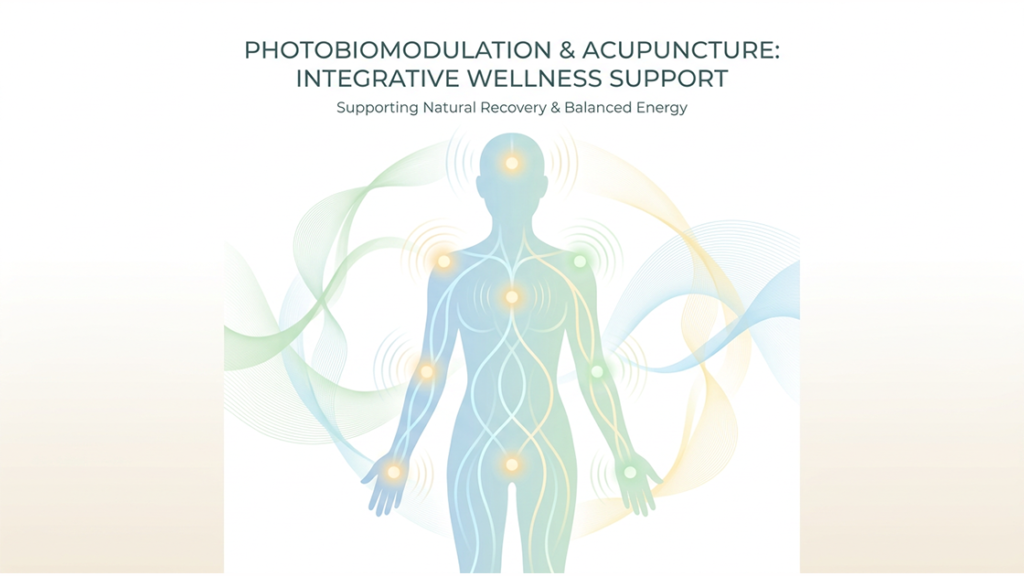
3. Benefits of Integrating Class IV Laser Therapy Into Acupuncture Clinics
For acupuncture professionals, introducing advanced technology involves understanding how it can complement existing services and improve overall clinic capabilities.
3.1 Expanding Non-Invasive Care Options
Many clients today prefer approaches that fit into active lifestyles and support their wellness goals without invasive procedures.
Class IV Laser Therapy provides acupuncture clinics with another non-invasive option that can be incorporated into personalized care plans.
By offering additional technology-based services, clinics can address different client preferences while maintaining a holistic approach to wellness.
3.2 Supporting Muscle and Soft Tissue Recovery Programs
Muscle and soft tissue concerns are common reasons people seek acupuncture and wellness services.
Class IV Laser Therapy may support recovery-focused programs by delivering light energy to targeted areas. The technology is often discussed in relation to circulation support, tissue recovery processes, and comfort management.
For acupuncture professionals, this creates opportunities to combine traditional point-based approaches with modern recovery technology.
3.3 Creating More Personalized Client Experiences
Personalization has become an important factor in modern wellness care. Each individual may have different lifestyle factors, activity levels, and wellness goals.
Laser technology allows practitioners to adjust settings based on factors such as:
- Treatment area
- Tissue depth considerations
- Individual comfort requirements
This flexibility supports acupuncture clinics in creating more customized experiences instead of using a single approach for every client.
4. Implementing Class IV Laser Therapy in Acupuncture Clinic Services
As acupuncture clinics continue to develop modern wellness programs, technology integration has become an important consideration for practitioners. Adding Class IV Laser Therapy requires understanding how this technology can complement existing services, improve workflow, and support individualized client care.
4.1 Creating Integrated Acupuncture and Laser Therapy Programs
Many modern acupuncture clinics are moving toward integrative approaches that combine traditional techniques with contemporary technologies. Class IV Laser Therapy can be incorporated as a complementary service alongside acupuncture sessions, allowing practitioners to provide broader wellness options.
The combination of acupuncture and photobiomodulation focuses on different stimulation methods. Acupuncture uses specific points to support the body’s natural balance, while laser therapy uses controlled light energy to interact with tissues and support cellular responses. Together, these approaches may provide a more comprehensive experience for clients seeking non-invasive wellness support.
For example, acupuncture clinics may include laser technology within programs designed around muscle comfort, mobility support, and recovery-focused care. The goal is not to replace traditional acupuncture methods but to expand available options based on individual needs.
4.2 Selecting Appropriate Laser Parameters for Different Applications
One important advantage of Class IV Laser Therapy is its ability to provide adjustable settings based on different treatment goals. Professional systems may allow practitioners to modify factors such as wavelength, energy output, and application time.
Different tissues respond differently to light energy. Superficial areas may require different considerations compared with deeper structures such as muscles, tendons, and joints.
For acupuncture professionals, understanding laser parameters helps create more personalized approaches. Instead of applying the same settings for every client, practitioners can consider body area, comfort level, and wellness objectives when developing a suitable plan.
This customized approach aligns with the traditional acupuncture philosophy of individualized care while incorporating modern technology.
4.3 Improving the Client Experience Through Technology Integration
Client expectations within the wellness industry continue to change. Many individuals are looking for services that combine professional expertise, comfort, and modern technology.
Class IV Laser Therapy offers a non-invasive experience that fits well into many wellness environments. The technology does not involve needles, making it another option for individuals who prefer light-based approaches.
By introducing advanced technology, acupuncture clinics can create a more diverse service environment while maintaining their focus on personalized care and professional guidance.
5. The Future of Class IV Laser Therapy in Integrative Medicine
The combination of traditional medicine practices and modern technology represents a growing trend within the wellness industry. As research and technology continue to develop, Class IV Laser Therapy may become an increasingly recognized tool within integrative healthcare environments.
5.1 The Growing Role of Photobiomodulation in Healthcare Innovation
Photobiomodulation continues to attract attention because of its ability to influence biological processes through targeted light energy. Research has explored its potential applications in areas related to pain management, tissue recovery, and functional improvement.
For acupuncture clinics, this development represents an opportunity to explore how modern science can complement traditional practices.
As more practitioners become familiar with laser technology, integrative clinics may continue developing new service models that combine acupuncture knowledge with advanced recovery technologies.
The future of acupuncture care may focus more on personalized combinations of different approaches rather than relying on only one technique.
5.2 How Class IV Laser Therapy Supports the Evolution of Acupuncture Clinics
The healthcare and wellness industries are moving toward more customized and technology-supported experiences. Acupuncture clinics are increasingly adapting by incorporating tools that align with client expectations for modern, comfortable, and effective wellness solutions.
Class IV Laser Therapy provides another pathway for clinics to expand their professional capabilities. With applications related to muscle comfort, tissue support, and mobility programs, laser technology can become part of a broader integrative care strategy.
By combining traditional acupuncture expertise with photobiomodulation technology, practitioners can continue exploring new ways to support clients’ wellness goals.
FAQ
What is Class IV Laser Therapy in acupuncture clinics?
Class IV Laser Therapy is a high-power photobiomodulation technology that uses focused light energy to support cellular activity and tissue recovery processes.
Can laser therapy replace acupuncture?
No. Laser therapy is considered a complementary technology that can be used alongside acupuncture approaches.
Why do acupuncture clinics use laser technology?
Clinics may use laser technology to expand non-invasive wellness options and support personalized recovery programs.
What is photobiomodulation therapy?
Photobiomodulation uses specific wavelengths of light to interact with biological tissues and support natural cellular responses.
Is Class IV Laser Therapy painful?
Most people experience a comfortable treatment process, and many describe the sensation as gentle warmth.
Can laser therapy support muscle recovery?
Class IV Laser Therapy may support muscle comfort, circulation, and natural recovery processes as part of a personalized wellness plan.
Заключение
The combination of acupuncture and Class IV Laser Therapy reflects the growing connection between traditional wellness practices and modern technology. By using photobiomodulation principles and high-power laser energy, acupuncture clinics can explore additional options for supporting comfort, mobility, and recovery-focused programs. As integrative healthcare continues to evolve, technologies that complement personalized care approaches may become valuable additions to modern acupuncture practices.
References
Photobiomodulation Therapy: Mechanisms and Clinical Applications
https://pmc.ncbi.nlm.nih.gov/articles/PMC3418129
Photobiomodulation and Its Role in Pain Management and Tissue Recovery
https://pmc.ncbi.nlm.nih.gov/articles/PMC11503318
Laser Acupuncture and Photobiomodulation Therapy in Bell’s Palsy With a Duration of Greater Than 8 Weeks: A Randomized Controlled Trial
https://doi.org/10.1007/s10103-023-03970-4
Laser Acupuncture: A Concise Review
https://pmc.ncbi.nlm.nih.gov/articles/PMC3690635
Photobiomodulation Therapy in Acupuncture and Integrative Medicine Applications
 English
 العربية
 Français
 日本語
日本語 Português
 Español
 Русский
 Deutsch