
Содержание страницы
Введение
Active aging has become an important focus in modern wellness and fitness programs as more older adults seek ways to maintain mobility, independence, and participation in daily activities. Aging naturally brings changes in muscle strength, flexibility, circulation, and recovery ability, which may influence how seniors approach exercise and physical wellness. Class IV Laser Therapy, a high-intensity form of photobiomodulation therapy, uses concentrated light energy to support cellular activity and tissue response in targeted areas. When combined with structured fitness programs, rehabilitation exercises, and professional guidance, this technology provides an additional approach for senior fitness centers, rehabilitation facilities, and wellness professionals who focus on maintaining movement quality and physical comfort.
1. Understanding Active Aging and Changing Physical Needs in Older Adults
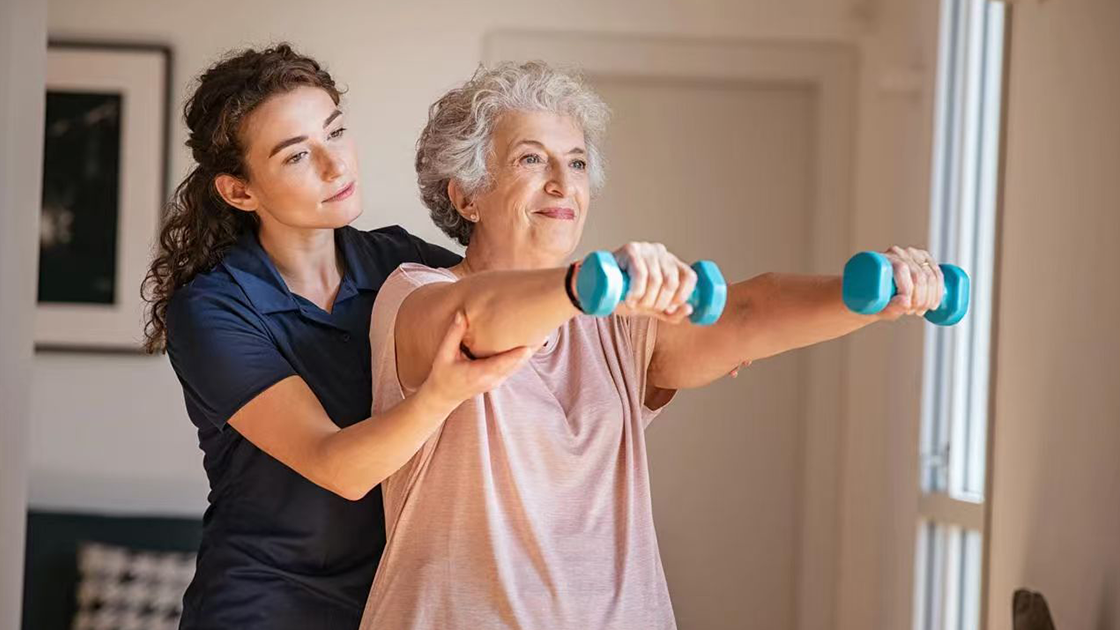
Active aging focuses on helping older adults remain physically engaged, socially connected, and capable of participating in daily activities. As people age, changes in the musculoskeletal system can affect exercise habits and recovery patterns, making personalized support strategies increasingly important.
1.1 How Aging Influences Muscle Function and Mobility
The aging process can involve gradual changes in muscle mass, balance, flexibility, and joint movement. These changes may influence how older adults perform activities such as walking, climbing stairs, strength training, and recreational exercise.
Muscle fatigue and reduced recovery speed are common concerns among older adults who want to maintain an active lifestyle. Senior fitness programs often focus on improving movement quality through strength exercises, balance training, and mobility routines that match individual abilities.
Лазерная терапия класса IV adds another supportive option by using high-powered light energy to interact with targeted tissues. This approach is designed to complement exercise-based wellness programs rather than replace physical activity.
1.2 The Growing Importance of Senior Fitness Programs
Senior fitness programs have expanded beyond traditional exercise classes. Many modern programs now include strength training, mobility exercises, rehabilitation-based movements, and recovery strategies designed for older adults.
Fitness professionals increasingly recognize that older adults have different physical goals compared with younger populations. Instead of focusing only on performance, many programs emphasize maintaining functional movement, supporting confidence during exercise, and encouraging long-term participation.
Technologies such as photobiomodulation are becoming part of discussions around modern recovery approaches because they focus on biological responses at the cellular level.
1.3 Why Recovery Support Matters for Active Seniors
Recovery plays an important role in maintaining consistent exercise habits. Older adults may require additional attention to muscle comfort and physical readiness between training sessions.
A balanced approach that combines exercise, lifestyle habits, professional supervision, and supportive technologies can help create a more complete wellness environment.
Class IV Laser Therapy provides senior fitness professionals with an additional tool that can be incorporated into broader mobility and recovery programs.
2. How Class IV Laser Therapy Supports Senior Wellness Programs
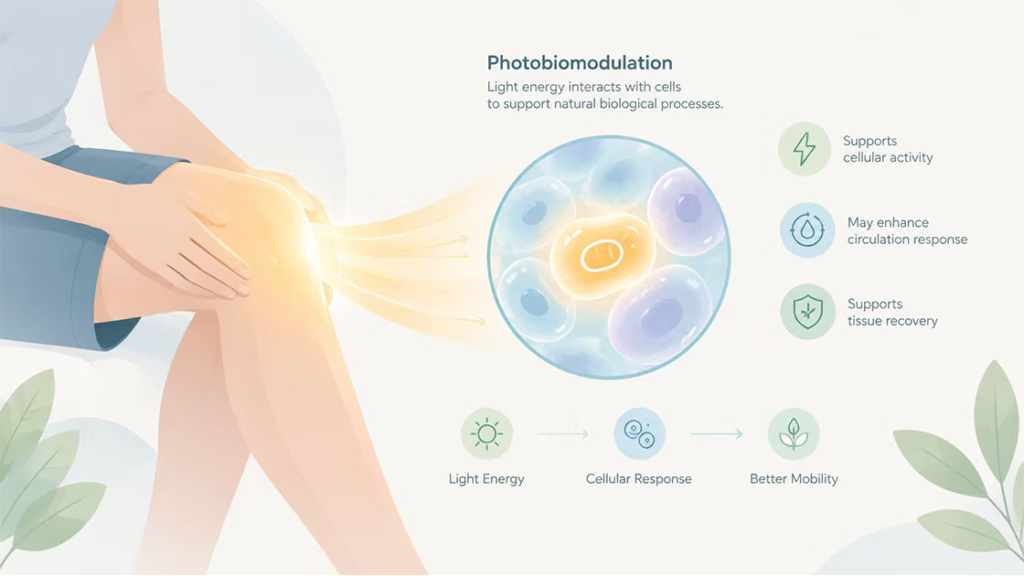
Class IV Laser Therapy uses high-intensity laser energy to deliver light into targeted areas. More specifically, this technology is based on photobiomodulation principles, where specific wavelengths interact with cells and tissues to support natural biological processes.
2.1 The Science Behind Photobiomodulation and Cellular Response
Photobiomodulation involves the use of non-ionizing light energy to influence cellular activity. Light energy may interact with cellular structures such as mitochondria, which play an important role in energy production.
This process is commonly discussed in relation to supporting cellular function, circulation responses, and tissue recovery processes.
For senior wellness applications, photobiomodulation is often considered as a complementary approach that can work alongside exercise and rehabilitation programs.
2.2 The Role of Deep Tissue Laser Energy in Mobility Support
One feature of Class IV Laser Therapy is its ability to deliver higher levels of energy compared with lower-powered laser systems.
The deeper energy delivery allows professionals to focus on areas involving muscles, connective tissues, and joints that experience daily physical demands.
For senior fitness programs, targeted laser applications may be considered around areas commonly involved in movement activities, such as knees, shoulders, hips, and lower back.
2.3 Combining Laser Technology With Exercise-Based Programs
Exercise remains a key component of healthy aging. Strength training, balance exercises, and mobility routines help older adults maintain physical activity levels.
Class IV Laser Therapy is most effective when considered as part of a comprehensive wellness strategy. Combining technology with movement programs allows professionals to address both active training and recovery considerations.
Research exploring photobiomodulation alongside resistance exercise has examined its relationship with muscle performance, functional capacity, and physical activity among older adults.
3. Applications of Class IV Laser Therapy in Senior Fitness Settings
Senior fitness centers, rehabilitation facilities, and wellness clinics are continuously developing more personalized approaches for older adults. In this context, Class IV Laser Therapy can be integrated into these environments as part of a broader mobility support program.
3.1 Supporting Exercise Recovery After Strength Training
Strength training is increasingly included in senior fitness programs because maintaining muscle function is an important part of active aging.
However, older adults may experience longer recovery periods after physical activity. Recovery-focused strategies can help individuals maintain consistency with their exercise routines.
Class IV Laser Therapy may be used as a supportive technology before or after exercise sessions to focus on areas experiencing temporary physical stress.
3.2 Supporting Mobility-Focused Wellness Programs
Mobility programs often include stretching, balance exercises, functional movements, and flexibility training.
For older adults, maintaining comfortable movement patterns is an important part of staying active. Fitness professionals may combine mobility exercises with supportive technologies to create more personalized wellness plans.
Laser therapy applications are often selected according to individual needs, targeted areas, and professional assessment.
3.3 Supporting Active Lifestyles Beyond Traditional Fitness
Active aging is not limited to structured workouts. Many seniors participate in activities such as gardening, walking groups, swimming, dancing, and recreational sports.
These activities require continuous movement and physical participation.
By supporting recovery-focused wellness strategies, Class IV Laser Therapy may become part of a broader approach designed for older adults who want to remain engaged in their preferred activities.
4. The Role of Class IV Laser Therapy in Modern Rehabilitation and Wellness Facilities
As the senior population continues to grow, rehabilitation and wellness facilities are exploring more comprehensive approaches to support mobility and quality of life.
4.1 Creating Personalized Recovery Plans for Older Adults
Every older adult has different physical abilities, activity levels, and wellness goals.
Personalized programs consider factors such as exercise experience, mobility needs, and lifestyle preferences.
Class IV Laser Therapy allows professionals to adjust application areas and settings according to individual requirements, making it suitable for customized wellness programs.
4.2 Supporting Professionals in Senior Care Environments
Physical therapists, fitness professionals, and wellness specialists often work together to create effective senior mobility programs. In addition, technology-based solutions can provide additional support within these multidisciplinary environments. As a result, by combining professional expertise with advanced recovery tools, facilities can create more diverse options for older adults.
4.3 Expanding the Future of Senior Wellness Technology
Technology continues to influence how aging populations approach health and fitness.
From wearable fitness devices to recovery technologies, modern solutions are becoming more focused on personalization and convenience.
Class IV Laser Therapy represents one example of how light-based technology is being explored within modern wellness and rehabilitation environments.
5. The Future of Class IV Laser Therapy in Active Aging Programs
As interest in healthy aging continues to increase, senior fitness programs are evolving toward more complete approaches that include exercise, recovery, and personalized wellness strategies.
5.1 Growing Interest in Non-Invasive Recovery Technologies
Older adults and wellness professionals are increasingly interested in non-invasive technologies that can complement traditional fitness and rehabilitation methods.
Photobiomodulation continues to receive attention because of its potential applications in areas related to muscle function, mobility support, and physical recovery.
Current literature continues to explore how different laser parameters, wavelengths, and application methods influence outcomes in older populations.
5.2 Building a More Complete Approach to Healthy Aging
Healthy aging involves maintaining physical activity, social engagement, and personal independence.
No single technology replaces exercise, professional care, or healthy lifestyle choices. Instead, supportive tools such as Class IV Laser Therapy can become part of a broader approach that helps professionals design more comprehensive senior wellness programs.
As active aging continues to gain attention, combining movement science with advanced recovery technologies may shape the future of senior fitness.
FAQ
Что такое лазерная терапия класса IV?
Class IV Laser Therapy is a high-intensity photobiomodulation technology that uses concentrated laser energy to support cellular and tissue responses.
Can seniors use Class IV Laser Therapy with exercise programs?
Class IV Laser Therapy can be used as a complementary approach alongside structured exercise and wellness programs under professional guidance.
What areas are commonly targeted in senior wellness programs?
Common areas may include knees, shoulders, hips, lower back, and other regions involved in daily movement.
Does Class IV Laser Therapy replace exercise?
No. It is designed to support wellness programs and does not replace physical activity, rehabilitation exercises, or professional guidance.
Why is photobiomodulation discussed in senior wellness?
Photobiomodulation is studied for its interaction with cellular processes and its potential role as a supportive technology for older adults.
Заключение
Class IV Laser Therapy represents an emerging technology within modern senior fitness and wellness programs. By using high-intensity photobiomodulation principles, this approach provides professionals with another option for supporting mobility-focused programs, exercise recovery, and active aging strategies. When combined with structured movement, personalized fitness plans, and professional support, Class IV Laser Therapy can contribute to a more comprehensive approach for older adults who want to maintain an active and healthy lifestyle.
References
Photobiomodulation therapy as an adjunct to resistance exercises on muscle metrics, functional balance, functional capacity, and physical performance among older adults: A systematic scoping review
https://pubmed.ncbi.nlm.nih.gov/39225877
Efficacy of Photobiomodulation Therapy in Older Adults: A Systematic Review
https://pmc.ncbi.nlm.nih.gov/articles/PMC11274037
The Effects of Photobiomodulation on Knee Function, Pain, and Exercise Tolerance in Older Adults: A Meta-analysis of Randomized Controlled Trials
https://pubmed.ncbi.nlm.nih.gov/37419235
Light buckets and laser beams: mechanisms and applications of photobiomodulation (PBM) therapy
https://pubmed.ncbi.nlm.nih.gov/39826026
Comparative efficacy of high intensity laser therapy (Class IV) and ibuprofen gel phonophoresis in the treatment of knee osteoarthritis
 English
 العربية
 Français
 日本語
日本語 Português
 Español
 Русский
 Deutsch