
Содержание страницы
1. Introduction: Understanding Class IV Laser Therapy for Horses
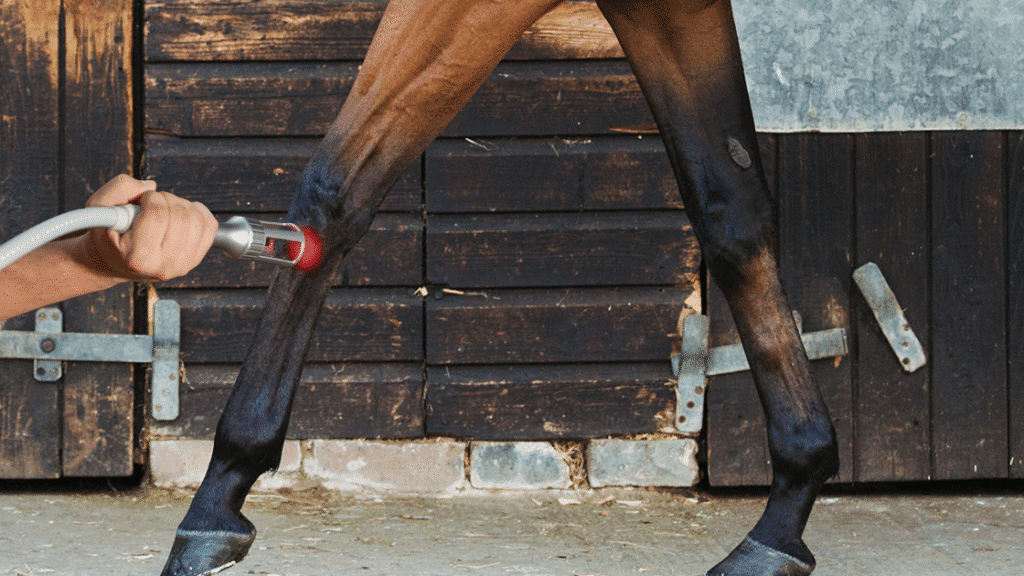
The landscape of equine veterinary medicine is evolving with non-invasive, drug-free therapies. Among them, Class IV laser therapy has gained recognition for accelerating healing, reducing inflammation, and managing pain in horses. As both performance horses and aging companions face physical challenges, this advanced photobiomodulation technique offers effective rehabilitation and performance support. Understanding its principles, mechanisms, and applications is essential for veterinarians and horse owners seeking modern, science-backed solutions in equine healthcare.
1.1 What Is Class IV Laser Therapy?
Class IV laser therapy, also known as high-intensity laser therapy or фотобиомодуляция therapy (PBMT), represents the most powerful category of therapeutic lasers approved for medical use. Unlike lower-class lasers, Class IV devices deliver photon energy exceeding 500 milliwatts, with many therapeutic units operating between 5 to 60 watts of continuous power output. This higher power capacity enables deeper tissue penetration and more substantial photobiological effects compared to Class III lasers. The classification system established by the American National Standards Institute and the International Electrotechnical Commission defines Class IV lasers based on their output power and potential biological effects on tissue.
1.2 How Does It Work?
The therapeutic mechanism of Class IV laser therapy operates through photobiomodulation, a sophisticated biological process whereby photons of specific wavelengths interact with cellular chromophores, particularly cytochrome c oxidase located within mitochondrial membranes. When laser light in the near-infrared spectrum (typically ranging from 800 to 1000 nanometers) penetrates equine tissue, it triggers a cascade of cellular events. These photons stimulate adenosine triphosphate (ATP) synthesis, enhance mitochondrial respiration, and modulate reactive oxygen species production. Subsequently, this increases cellular metabolism, promotes vasodilation through nitric oxide release, reduces pro-inflammatory cytokines, and accelerates protein synthesis necessary for tissue repair and regeneration throughout affected structures.
1.3 Why Horse Owners and Veterinarians Use It
Veterinary professionals and equine caretakers increasingly incorporate Class IV laser therapy into comprehensive treatment protocols due to its multifaceted therapeutic benefits and exceptional safety profile. The modality provides immediate analgesic effects through endorphin release and nerve signal modulation, reduces dependence on pharmaceutical interventions including non-steroidal anti-inflammatory drugs (NSAIDs) and corticosteroids, and offers completely non-invasive application without sedation requirements or recovery time. Additionally, treatments can be administered in familiar environments, minimizing stress for anxious or reactive horses. The versatility of Class IV laser therapy makes it applicable across diverse equine populations, from elite performance horses requiring rapid recovery to geriatric companions needing gentle pain management solutions.
2. Top 10 Equine Conditions That Benefit from Class IV Laser Therapy
The clinical versatility of Class IV laser therapy has been demonstrated across numerous equine pathologies, with particularly impressive outcomes in conditions involving inflammation, tissue damage, and chronic pain. The following ten conditions represent those most responsive to photobiomodulation therapy, backed by clinical evidence and widespread veterinary application. Each condition benefits from the laser’s ability to penetrate deep tissue structures, modulate inflammatory responses, and stimulate cellular repair mechanisms that are fundamental to equine musculoskeletal health.
2.1 Arthritis and Joint Pain in Horses
Osteoarthritis remains one of the most prevalent degenerative conditions affecting equine athletes and aging horses, characterized by progressive cartilage deterioration, synovial inflammation, subchondral bone remodeling, and periarticular soft tissue changes. Class IV laser therapy addresses arthritic pathology through multiple mechanisms: reducing synovial inflammation and joint effusion, decreasing nociceptive signaling from sensitized joint capsules, improving synovial fluid viscosity and nutrient exchange, and potentially stimulating chondrocyte metabolism. Treatment protocols typically target affected joints including the carpus, fetlock, hock, and stifle, with penetration depths sufficient to reach intra-articular structures. Regular photobiomodulation sessions can significantly improve range of motion, reduce lameness grades, and enhance comfort during work, making it invaluable for managing both acute joint inflammation and chronic degenerative joint disease.
2.2 Tendon and Ligament Injuries
Tendinopathies and ligamentous injuries represent career-limiting conditions in performance horses, with structures such as the superficial digital flexor tendon (SDFT), deep digital flexor tendon (DDFT), suspensory ligament apparatus, and accessory ligament of the deep digital flexor being particularly vulnerable to strain and rupture. Class IV laser therapy significantly impacts tendon healing by enhancing collagen synthesis and organizational alignment, increasing fibroblast proliferation and metabolic activity, improving vascular supply to relatively avascular tendinous tissue, and reducing adhesion formation during the healing process. The photobiomodulation effect promotes type I collagen production over type III collagen, resulting in stronger, more functional scar tissue with improved tensile strength and elasticity compared to spontaneous healing patterns observed without intervention.
2.3 Back Pain and Kissing Spine Syndrome
Thoracolumbar pain syndromes, including the common diagnosis of overriding dorsal spinous processes (kissing spine syndrome), affect a significant proportion of performance horses across disciplines. These conditions manifest through paravertebral muscle spasm, interspinous ligament inflammation, periosteal pain at contact points, and compensatory movement patterns that perpetuate discomfort. Class IV laser therapy provides targeted treatment by penetrating through substantial muscle and fascial layers to reach affected vertebral structures, reducing inflammatory mediators within interspinous tissues, relaxing hypertonic paraspinal musculature including the longissimus dorsi and multifidus muscles, and improving local circulation to promote resolution of chronic inflammation. Combined with appropriate rehabilitation exercises, laser therapy often enables horses to return to comfortable athletic function without requiring invasive surgical intervention.
2.4 Wound Healing and Post-Surgical Recovery
Dermal and deeper tissue injuries in horses, whether traumatic wounds or planned surgical incisions, benefit substantially from photobiomodulation therapy throughout all healing phases. Class IV laser application accelerates the inflammatory, proliferative, and remodeling phases of wound repair by enhancing epithelialization rates and wound contraction, stimulating angiogenesis to improve tissue oxygenation, promoting granulation tissue formation with reduced exuberant granulation (proud flesh), and modulating bacterial colonization through enhanced local immune function. Post-operative applications reduce surgical site inflammation and discomfort, minimize seroma and hematoma formation, decrease infection rates through improved tissue perfusion, and accelerate return to normal activity. Treatment can commence immediately following surgery or injury, with protocols adjusted based on wound characteristics and healing progression.
2.5 Laminitis and Hoof Pain
Laminitis represents a devastating condition involving inflammation and structural failure of the laminar interface between the hoof wall and coffin bone, with acute, subacute, and chronic manifestations requiring aggressive multimodal management. While Class IV laser therapy cannot reverse permanent structural damage, it provides significant palliative and therapeutic benefits including profound analgesia through modulation of nociceptive pathways, reduction of inflammatory cytokines within compromised laminar tissue, improvement of digital circulation which is often compromised in laminitic cases, and potentially supporting regeneration of damaged laminar attachments during recovery. Treatment protocols target the coronary band, hoof wall, and sole regions, with some practitioners utilizing specialized applicators designed for circumferential hoof treatment. Integration with proper farriery, nutritional management, and medical therapy provides optimal outcomes for affected horses.
2.6 Muscle Soreness and Spasms
Myofascial pain syndromes, delayed onset muscle soreness (DOMS), and protective muscle spasm represent common sources of performance limitation and discomfort in athletic horses. These conditions arise from microtrauma, metabolic fatigue, trigger point development, and compensatory tension patterns throughout the extensive equine musculature. Class IV laser therapy addresses muscular dysfunction through accelerated removal of metabolic byproducts including lactic acid, enhanced oxygen delivery to hypoxic muscle tissue, reduction of inflammation within affected myofascial structures, and normalization of aberrant muscle tone through nerve modulation. Treatment over major muscle groups including the gluteals, hamstrings, pectorals, and neck musculature produces rapid symptomatic relief. Many performance horses receive prophylactic laser therapy sessions following intense training or competition to minimize recovery time and maintain muscular health.
2.7 Nerve Injuries and Neurological Conditions
Peripheral nerve injuries in horses, whether traumatic, compressive, or iatrogenic in origin, can result in significant functional deficits including motor weakness, sensory disturbances, and muscular atrophy. Conditions such as suprascapular nerve injury (sweeny), radial nerve paralysis, and facial nerve deficits benefit from photobiomodulation therapy through several neuroprotective and neuroregenerative mechanisms. Class IV laser treatment supports nerve recovery by reducing perineural inflammation and edema that impedes regeneration, stimulating Schwann cell proliferation and remyelination processes, improving axonal regeneration rates along damaged nerve pathways, and maintaining function of denervated muscle tissue during the recovery period. While nerve regeneration occurs slowly (approximately one millimeter daily), consistent laser therapy throughout the healing timeline optimizes functional outcomes and may reduce permanent deficits associated with incomplete nerve recovery.
2.8 Swelling, Edema, and Inflammation
Acute and chronic inflammatory conditions with associated tissue edema occur frequently in horses due to trauma, infection, immune-mediated processes, or lymphatic compromise. Localized or regional swelling involving limbs, joints, or body regions creates discomfort, impairs function, and may progress to fibrotic changes if inadequately managed. Class IV laser therapy exerts powerful anti-inflammatory and lymphatic effects by enhancing lymphatic drainage and reducing interstitial fluid accumulation, decreasing vascular permeability and inflammatory exudate production, modulating inflammatory cell migration and cytokine release, and promoting resolution of acute inflammatory processes. Treatment can address stocking up in stabled horses, post-exercise inflammation, cellulitis or lymphangitis, and chronic lymphedema conditions. The photobiomodulation effect on inflammatory mediators often produces visible reduction in swelling within hours of treatment, providing both comfort and functional improvement.
2.9 Hoof Abscesses and Soft Tissue Infections
Subsolar abscesses and soft tissue infections present common yet painful conditions requiring drainage, antimicrobial therapy, and supportive care. Following appropriate veterinary intervention including abscess drainage or debridement of infected tissue, Class IV laser therapy serves as valuable adjunctive treatment. Photobiomodulation supports resolution of infectious processes through enhanced local immune function and leukocyte activity, improved tissue oxygenation which creates unfavorable conditions for anaerobic bacteria, accelerated healing of damaged tissue following abscess resolution, and significant pain reduction during the recovery period. Treatment should never replace appropriate antimicrobial therapy and surgical management but meaningfully augments conventional approaches. Applications can occur through the hoof wall for subsolar abscesses or directly over affected soft tissue areas, with treatment frequency adjusted based on clinical response and resolution progression.
2.10 Performance Recovery in Sport Horses
Elite equine athletes across disciplines including racing, eventing, show jumping, dressage, and western performance face enormous physical demands that create cumulative microtrauma, inflammatory burden, and recovery challenges. Proactive application of Class IV laser therapy as part of comprehensive conditioning programs provides competitive advantages through accelerated recovery between training sessions or competitions, prevention of overuse injuries through early intervention on subclinical problems, maintenance of optimal tissue health and muscular function, and enhancement of overall performance capability and career longevity. Many top equine facilities incorporate regular laser therapy sessions into standard training protocols, treating horses prophylactically rather than waiting for injury development. This preventive approach targets commonly stressed anatomical areas, promotes consistent athletic availability, and potentially extends competitive careers by minimizing cumulative damage that leads to premature retirement.
3. Benefits of Class IV Laser Therapy in Equine Care
Beyond addressing specific pathological conditions, Class IV laser therapy offers broad advantages that enhance overall equine healthcare delivery and outcomes. The modality’s multifaceted benefits extend across pain management, tissue healing, circulation enhancement, and performance optimization. These advantages have contributed to widespread adoption throughout equine veterinary practice, rehabilitation centers, and high-level training facilities. Understanding the comprehensive benefits helps horse owners and professionals make informed decisions about incorporating photobiomodulation therapy into individualized treatment and management plans for their equine partners.
3.1 Non-Invasive and Drug-Free Pain Management
Chronic reliance on pharmaceutical analgesics presents significant concerns in equine medicine, including gastrointestinal ulceration from NSAID administration, right dorsal colitis risk, potential medication rule violations in competitive contexts, and incomplete pain control in refractory conditions. Class IV laser therapy provides powerful analgesic effects without systemic drug administration through multiple mechanisms: stimulation of endogenous opioid release including endorphins and enkephalins, modulation of nerve conduction velocity and action potential generation, reduction of inflammatory pain mediators at the tissue level, and normalization of peripheral and central sensitization in chronic pain states. This drug-free approach enables pain management in horses with contraindications to pharmacological interventions, reduces overall medication burden and associated side effects, and provides compliant pain control for horses in active competition or under medication restrictions.
3.2 Faster Healing and Recovery Times
Time-dependent healing processes represent significant concerns for horse owners and trainers, particularly when injuries threaten competitive schedules or result in extended layoff periods. Class IV laser therapy demonstrably accelerates tissue repair across various injury types, reducing overall recovery timelines by enhancing cellular metabolism and ATP production for energy-intensive healing processes, stimulating growth factor expression and cellular proliferation, improving collagen synthesis and maturation for structural integrity, and optimizing inflammatory response resolution to prevent chronic inflammation. Clinical observations and research studies indicate healing time reductions of 30-50% compared to conventional management alone for many conditions. This acceleration translates to earlier return to training protocols, reduced economic impact of injury-related downtime, decreased risk of secondary complications from prolonged rest periods, and improved long-term outcomes through more complete tissue repair.
3.3 Improved Circulation and Cellular Repair
Adequate tissue perfusion represents a fundamental requirement for healing, with compromised circulation contributing to delayed recovery, tissue necrosis, and chronic pathology in numerous equine conditions. Class IV laser therapy exerts profound effects on vascular function and microcirculation through photobiomodulation-induced nitric oxide release causing vasodilation, stimulation of angiogenesis and neovascularization in hypoxic tissue, enhanced oxygen delivery and carbon dioxide removal from metabolically active cells, and improved nutrient supply to support energy-intensive repair processes. These circulatory improvements benefit poorly vascularized structures including tendons and ligaments, support healing in compromised tissue such as contaminated wounds, enhance delivery of systemic medications to affected areas, and create favorable conditions for stem cell and regenerative medicine applications. The combination of improved blood flow and enhanced cellular metabolism creates optimal conditions for tissue repair and regeneration.
3.4 Enhanced Performance and Longevity in Sport Horses
The cumulative physical demands placed on athletic horses inevitably lead to deterioration if adequate recovery and maintenance strategies are not employed. Integration of Class IV laser therapy into comprehensive management programs supports sustained high-level performance through maintenance of musculoskeletal health and tissue quality, early intervention on minor issues before they become limiting injuries, optimization of training adaptation and recovery between exercise bouts, and reduction of inflammation-related performance decrements. Regular photobiomodulation sessions help preserve the structural and functional integrity of highly stressed tissues, potentially extending competitive careers beyond typical timeframes. Many successful equine athletes across disciplines receive routine laser therapy as standard practice, with protocols targeting sport-specific areas of high stress. This proactive approach represents investment in long-term soundness rather than reactive treatment of established pathology, ultimately supporting both performance excellence and equine welfare throughout extended athletic careers.
4. What Horse Owners Should Know Before Starting It for Those Conditions
While Class IV laser therapy offers remarkable therapeutic potential, informed implementation requires understanding of safety considerations, treatment expectations, and integration strategies. Horse owners contemplating laser therapy for their animals should engage in thorough discussions with qualified veterinary professionals regarding appropriate applications, realistic outcomes, and optimal protocols. Successful therapeutic outcomes depend not only on proper laser application but also on accurate diagnosis, appropriate case selection, and integration within comprehensive treatment plans that address underlying causes and contributing factors. The following considerations help establish realistic expectations and guide decision-making regarding photobiomodulation therapy implementation.
4.1 Is Class IV Laser Therapy Safe for Horses?
Class IV laser therapy demonstrates an exceptional safety profile when administered by trained professionals following established protocols and safety guidelines. The modality presents minimal risk of adverse effects, with proper application producing no thermal damage or tissue injury despite high power outputs. Safety considerations include contraindications over neoplastic tissue due to potential tumor stimulation, avoidance of direct eye exposure requiring appropriate eye protection for both horse and operator, caution over growth plates in young horses though research suggests minimal risk, and evaluation of pacemaker presence though rare in equine patients. Horses typically tolerate treatment extremely well, often showing relaxation responses during application. Serious adverse events are exceptionally rare, and the non-invasive nature eliminates risks associated with needles, anesthesia, or systemic medications.
4.2 How Many Sessions Do Horses Typically Require?
Treatment protocols vary considerably based on condition chronicity, severity, affected tissue type, and individual patient response, making standardized recommendations challenging without specific case evaluation. General guidelines suggest acute conditions may respond to 3-6 treatments over 1-2 weeks, chronic conditions typically require 6-12 sessions over 3-6 weeks with potential maintenance therapy, post-surgical applications often involve daily treatments initially with tapering frequency, and performance recovery protocols may include 1-2 weekly sessions throughout training periods. Response assessment should occur after initial treatment series, with protocols modified based on clinical improvement, diagnostic imaging changes, and functional outcome measures. Some horses show dramatic improvement after single treatments, while others require cumulative sessions before significant benefits manifest. Veterinary guidance regarding optimal frequency, duration, and treatment endpoints ensures appropriate resource allocation and realistic outcome expectations.
4.3 Integrating Laser Therapy into a Holistic Treatment Plan
Use alongside conventional treatments such as medications, joint injections, or wound care when needed.
Incorporate physical therapy and controlled exercise to restore mobility and strengthen tissues.
Support with proper farriery to correct hoof balance and biomechanics.
Enhance recovery through nutrition that promotes tissue repair and reduces inflammation.
Adjust management practices (workload, turnout, environment) to minimize stress and prevent recurrence.
5. Заключение
Лазерная терапия класса IV - это a transformative, non-invasive treatment in equine veterinary medicine, benefiting horses of all ages and disciplines. From managing arthritis and joint pain to accelerating soft tissue healing in performance horses, it has proven versatile and effective. Its mechanisms—photobiomodulation-induced cellular energy enhancement, inflammation reduction, pain relief, and improved circulation—promote faster healing, reduced lameness, and decreased reliance on medications. Safe with minimal side effects, it suits both acute injuries and chronic conditions in geriatric horses. Success depends on proper case selection, accurate diagnosis, and integration into a holistic management plan, including rehabilitation, nutrition, and veterinary guidance. With growing research supporting its efficacy, Class IV laser therapy is becoming a cornerstone of modern equine care, offering horse owners evidence-based, humane solutions that enhance health, comfort, and quality of life, enabling horses to recover, perform, and thrive.
 English
 العربية
 Français
 日本語
日本語 Português
 Español
 Русский
 Deutsch