
Conteúdo da página
1. Introduction: When Wisdom Teeth Become a Problem
Wisdom teeth, the third set of molars that typically emerge between ages 17-25, often create significant oral health challenges for patients worldwide. These late-arriving teeth frequently lack adequate space for proper eruption, leading to impaction, pericoronitis, and various complications that can severely impact quality of life. The traditional approach to wisdom tooth problems has long relied on extraction procedures and pharmaceutical interventions, but modern dentistry is witnessing a revolutionary shift toward precision treatment modalities.
1.1 Why This Topic Matters
The clinical significance of wisdom tooth complications extends far beyond temporary discomfort. Pericoronitis, the inflammation of gingival tissue surrounding partially erupted wisdom teeth, affects approximately 81% of individuals aged 20-29 years according to epidemiological studies. This condition can progress to serious complications including cellulitis, Ludwig’s angina, and necrotizing fasciitis if left untreated. Traditional management protocols often involve aggressive antibiotic therapy and surgical intervention, which carry inherent risks and side effects. Understanding alternative treatment modalities becomes crucial for both patients and healthcare providers seeking optimal outcomes with minimal invasive procedures.
1.2 The Rise of Minimally Invasive Dentistry
Contemporary dental practice emphasizes tissue preservation, patient comfort, and accelerated healing through minimally invasive techniques. This paradigm shift reflects growing evidence supporting precision medicine approaches that target specific pathophysiological mechanisms while preserving healthy tissue architecture. Photobiomodulation therapy, commonly known as laser therapy, represents the pinnacle of this evolution, offering targeted therapeutic effects without the systemic complications associated with pharmaceutical interventions. The integration of laser technology into routine dental practice has demonstrated remarkable success rates in managing inflammatory conditions, promoting tissue regeneration, and enhancing patient satisfaction scores across multiple clinical parameters.
1.3 The Laser Advantage in Oral Health
Therapeutic laser applications in dentistry harness specific wavelengths of electromagnetic radiation to achieve precise biological effects at the cellular level. Lasers are absorbed by chromophores that react to laser light. After exposure to the laser, the production of ATP will begin. ATP is the major carrier of cell energy in the cells. This fundamental mechanism underlies the therapeutic benefits observed in laser-assisted dental procedures, including enhanced wound healing, reduced inflammation, and improved tissue regeneration. The selectivity of laser wavelengths allows clinicians to target specific tissue types and pathological processes while minimizing collateral damage to surrounding healthy structures, creating an ideal therapeutic window for wisdom tooth-related complications.
2. Understanding the Pain: Why Wisdom Teeth Wreak Havoc
The anatomical and physiological challenges associated with wisdom tooth eruption create a complex clinical scenario requiring comprehensive understanding of underlying pathological mechanisms. These challenges stem from evolutionary changes in jaw size, modern dietary patterns, and genetic predispositions that collectively contribute to the high prevalence of wisdom tooth complications in contemporary populations.
2.1 What Are Wisdom Teeth and Why Do They Cause Trouble?
Wisdom teeth, scientifically termed third molars, represent vestigial structures from our evolutionary past when larger jaw dimensions accommodated additional grinding surfaces for processing coarse, fibrous diets. Modern human jaw architecture has decreased significantly over millennia, creating spatial constraints that prevent proper wisdom tooth eruption in approximately 85% of the population. This evolutionary mismatch results in various impaction patterns including mesioangular, distoangular, vertical, and horizontal orientations. Each impaction type presents unique challenges for oral hygiene maintenance, periodontal health, and adjacent tooth integrity. The confined space also creates anaerobic environments conducive to pathogenic bacterial proliferation, establishing conditions for recurrent inflammatory episodes and progressive tissue destruction.
2.2 When Removal Becomes Necessary
Clinical indications for wisdom tooth extraction encompass a broad spectrum of pathological conditions that compromise oral health and patient wellbeing. Primary indications include recurrent pericoronitis episodes, carious lesions affecting the wisdom tooth or adjacent second molar, periodontal disease with bone loss, orthodontic considerations for space management, and cystic lesions associated with impacted teeth. The decision-making process involves comprehensive radiographic evaluation, clinical examination findings, patient symptoms, and risk-benefit analysis considering age, medical comorbidities, and anatomical factors. However, emerging evidence suggests that prophylactic laser therapy may prevent or significantly delay the need for surgical intervention in certain cases by addressing inflammatory processes and optimizing local tissue health. This preventive approach aligns with contemporary medical philosophy emphasizing early intervention and tissue preservation strategies.
2.3 Common Symptoms That Laser Therapy Can Help
The clinical presentation of wisdom tooth complications encompasses a constellation of signs and symptoms that significantly impact patient quality of life and oral function. Laser therapy has demonstrated particular efficacy in managing these manifestations through multiple therapeutic mechanisms.
2.3.1 Swollen Gums
Gingival edema represents the body’s inflammatory response to bacterial accumulation and tissue irritation around partially erupted wisdom teeth. The pathophysiology involves vasodilation, increased vascular permeability, and inflammatory mediator release, resulting in tissue swelling and tenderness. Laser therapy addresses this condition through photobiomodulation effects that modulate inflammatory cascades, reduce prostaglandin synthesis, and enhance lymphatic drainage. Most lasers operate in the 635nm (Red), the 810 nm (IR), and the 900 to 1080nm (IR) range, with each wavelength offering specific therapeutic advantages for gingival inflammation management. Clinical studies demonstrate significant reduction in gingival index scores following laser therapy applications, with patients reporting improved comfort and function within 24-48 hours of treatment initiation.
2.3.2 Jaw Stiffness or Lockjaw
Trismus, or limited mouth opening, occurs secondary to muscle spasm and inflammation affecting the masticatory muscles, particularly the medial pterygoid and temporalis muscles. This condition can severely compromise nutritional intake, oral hygiene practices, and speech articulation. The pathophysiology involves inflammatory mediator release, muscle fiber irritation, and protective guarding responses that perpetuate the cycle of dysfunction. Laser therapy interrupts this pathological cascade through multiple mechanisms including direct muscle relaxation effects, anti-inflammatory action, and neural modulation. The therapeutic wavelengths penetrate deeply into muscle tissue, promoting cellular metabolism and reducing inflammatory burden. Patients typically experience gradual improvement in mouth opening capacity over 3-5 treatment sessions, with complete resolution achieved in most cases within two weeks.
2.3.3 Bad Breath and Pus Formation
Halitosis and purulent discharge indicate active bacterial infection within the periodontal tissues surrounding impacted wisdom teeth. The anaerobic bacterial flora produces volatile sulfur compounds and other malodorous metabolites that create characteristic offensive odors. Concurrent tissue necrosis and abscess formation may result in visible purulent exudate, indicating advanced infectious processes. Laser therapy addresses these conditions through powerful antimicrobial effects that eliminate pathogenic bacteria without the resistance patterns associated with antibiotic therapy. The photodynamic action of specific laser wavelengths disrupts bacterial cell walls, denatures enzymes, and creates an inhospitable environment for anaerobic organisms. Additionally, improved tissue oxygenation and enhanced immune response contribute to rapid resolution of infectious processes and elimination of associated symptoms.
2.3.4 Difficulty Chewing or Opening the Mouth
Masticatory dysfunction represents a complex interplay of pain, inflammation, and mechanical interference that severely impacts nutritional status and quality of life. Patients may experience sharp pain during biting forces, limited mouth opening range, and compensatory chewing patterns that stress other oral structures. The underlying pathophysiology involves nociceptor sensitization, inflammatory mediator release, and mechanical impingement of erupting teeth against adjacent structures. Laser therapy provides comprehensive management through analgesic effects, anti-inflammatory action, and tissue healing promotion. The therapeutic mechanisms include endogenous opioid release, nerve conduction modulation, and enhanced tissue repair processes. Clinical outcomes demonstrate significant improvement in pain visual analog scale scores, increased mouth opening measurements, and restoration of normal masticatory function following laser therapy protocols.
3. Laser Therapy: The High-Tech Solution
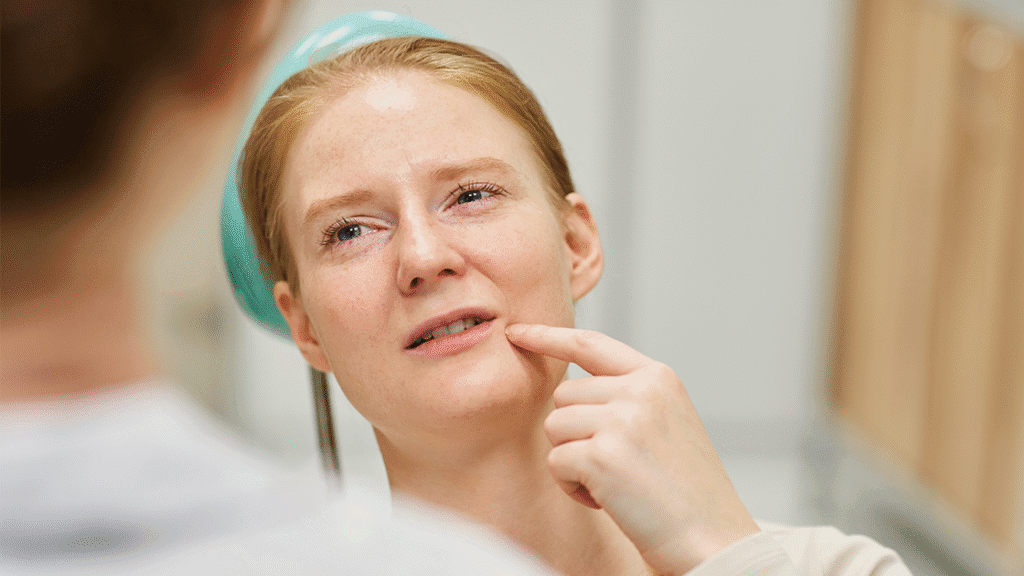
The integration of laser technology into wisdom tooth management represents a paradigm shift toward precision medicine approaches that address underlying pathophysiological mechanisms with unprecedented accuracy and efficacy. Understanding the scientific principles and clinical applications of laser therapy provides essential foundation for appreciating its transformative potential in contemporary dental practice.
3.1 How Laser Therapy Works in Dental Procedures
Laser therapy operates through photobiomodulation mechanisms that utilize specific wavelengths of electromagnetic radiation to achieve targeted therapeutic effects at the cellular and molecular levels. The fundamental principle involves absorption of photon energy by cellular chromophores, including cytochrome c oxidase in mitochondria, which initiates a cascade of beneficial cellular responses. The light absorbed by the mitochondria affects the heme protein, cytochrome c, which is responsible for the synthesis of a cellular energy molecule, ATP (adenosine triphosphate). The result is increased cellular energy. This enhanced cellular metabolism promotes tissue healing, reduces inflammation, and provides analgesic effects through multiple interconnected pathways.
3.2 Laser Therapy for Soft Tissue Problems Around Wisdom Teeth
Soft tissue complications surrounding wisdom teeth encompass a spectrum of inflammatory and infectious conditions that benefit significantly from laser therapy interventions. Pericoronitis, the most common complication, involves inflammation of the operculum (gum flap) covering partially erupted wisdom teeth. This condition creates ideal conditions for bacterial accumulation, tissue necrosis, and progressive inflammatory responses that can extend to adjacent anatomical structures. Laser therapy addresses pericoronitis through multiple therapeutic mechanisms including direct antimicrobial effects, anti-inflammatory action, and tissue healing promotion. The photodynamic properties of specific wavelengths create reactive oxygen species that eliminate pathogenic bacteria while preserving beneficial oral flora. Simultaneously, the anti-inflammatory effects reduce tissue edema, hyperemia, and pain sensation through modulation of inflammatory mediator release. Enhanced cellular metabolism and improved tissue oxygenation accelerate healing processes and restore normal tissue architecture. Clinical protocols typically involve multiple treatment sessions over 7-10 days, with patients experiencing progressive symptom relief and tissue normalization throughout the treatment course.
3.3 Pre-Surgical Laser Disinfection and Pain Relief
The pre-operative application of laser therapy in wisdom tooth extraction cases represents an innovative approach to optimizing surgical outcomes and minimizing post-operative complications. This preventive strategy addresses existing inflammatory processes, reduces microbial burden, and prepares tissues for optimal healing responses following surgical intervention.
3.3.1 Reducing Microbial Load Before Extraction
Pre-surgical decontamination protocols utilizing laser therapy have demonstrated remarkable efficacy in reducing pathogenic bacterial populations within the surgical site. The antimicrobial mechanisms involve direct photodynamic effects that disrupt bacterial cell walls, denature critical enzymes, and create inhospitable environmental conditions for microbial survival and proliferation. This approach offers distinct advantages over traditional antiseptic protocols, including deeper tissue penetration, selective bacterial targeting, and absence of antimicrobial resistance development. The clinical protocol involves systematic laser application to all accessible tissue surfaces surrounding the impacted wisdom tooth, including periodontal pockets, gingival margins, and areas of obvious infection or inflammation. Treatment parameters typically utilize wavelengths in the 810-980nm range with power settings between 1-3 watts, applied in continuous or pulsed modes depending on tissue response and clinical objectives. The bactericidal effects are immediate and sustained, creating optimal conditions for subsequent surgical procedures. Research demonstrates up to 99.9% reduction in pathogenic bacterial counts following pre-surgical laser decontamination protocols, significantly reducing the risk of post-operative infections and healing complications.
3.3.2 Minimizing Swelling and Discomfort Beforehand
Pre-operative anti-inflammatory protocols utilizing laser therapy provide significant advantages in managing existing inflammatory processes and preventing excessive post-surgical tissue reactions. The therapeutic mechanisms involve modulation of inflammatory cascade pathways, reduction of prostaglandin synthesis, and enhancement of lymphatic drainage capacity. These effects create optimal tissue conditions for surgical intervention while minimizing patient discomfort and accelerating recovery timelines. The photobiomodulation effects of appropriate laser wavelengths stimulate cellular metabolism, enhance tissue oxygenation, and promote natural anti-inflammatory responses at the molecular level. LLLT works by affecting various cellular activities, such as increasing the production of adenosine triphosphate (ATP), promoting protein and prostaglandin synthesis, which contributes to improved tissue health and reduced inflammatory burden. Clinical application involves systematic tissue treatment 24-48 hours prior to surgical intervention, utilizing parameters specifically calibrated for anti-inflammatory effects. Patients typically experience significant reduction in pre-existing pain, swelling, and tissue sensitivity, creating optimal conditions for successful surgical outcomes and accelerated post-operative recovery. This approach aligns with contemporary pain management philosophy emphasizing preemptive analgesia and multimodal therapeutic strategies.
4. Healing with Light: Post-Op Laser Benefits
Post-operative laser therapy applications represent a revolutionary advancement in wisdom tooth extraction recovery management, offering comprehensive therapeutic benefits that address multiple aspects of the healing process simultaneously. The scientific foundation underlying these benefits involves complex cellular and molecular mechanisms that optimize tissue repair, minimize complications, and accelerate return to normal function.
4.1 Biostimulation and Improved Circulation
Laser therapy accelerates healing by enhancing cellular metabolism and circulation. Light energy is absorbed by mitochondrial enzymes—especially cytochrome c oxidase—boosting ATP production, which fuels tissue regeneration. This promotes fibroblast activity, collagen formation, and extracellular matrix development, all vital for wound healing. At the vascular level, laser therapy triggers nitric oxide release, causing vasodilation and improved blood flow to injured tissues. Enhanced oxygenation and nutrient delivery create optimal conditions for repair. Lymphatic drainage also improves, reducing swelling and removing inflammatory byproducts. These circulatory benefits support immune cell access, speeding up healing. Clinical studies consistently show increased tissue perfusion, faster wound closure, and improved healing quality after laser application. This dual effect—on cellular energy and microcirculation—makes laser biostimulation a key component of post-extraction care.
4.2 Avoiding Opioids Through Light-Based Relief
Laser therapy offers potent, drug-free pain relief by modulating nerve signaling and stimulating natural analgesic pathways. Specific wavelengths reduce pain signal transmission along peripheral nerves and spinal pathways, limiting central pain perception. Photobiomodulation also triggers the release of endogenous opioids—like endorphins and enkephalins—providing natural, systemic relief. The therapy leverages the gate control theory, where laser-induced sensory stimulation blocks pain signals at the spinal level. Unlike pharmaceutical analgesics, especially opioids, laser treatment avoids side effects, dependency risks, and tolerance development. Its benefits extend beyond analgesia, as improved circulation and tissue oxygenation also reduce inflammation and promote healing. Clinical studies report pain reduction levels comparable to medications—without gastrointestinal, hepatic, or cognitive side effects. As pain control strategies shift toward safer, multimodal approaches, laser therapy stands out as a frontline non-pharmacological option for post-wisdom tooth extraction management.
4.3 Laser Coagulation and Sealing Open Wounds
Therapeutic lasers offer precise hemostasis, sealing open wounds and minimizing post-surgical bleeding without harming surrounding tissue. Using controlled photothermal effects, laser energy denatures proteins, activates platelets, and contracts collagen to create clots that stop bleeding efficiently. This process preserves tissue vitality while maintaining a sterile wound site. Particularly valuable in patients with clotting issues or on anticoagulants, laser coagulation reduces the need for sutures or chemical agents. Simultaneous antibacterial effects further minimize infection risk. Low-power laser settings allow targeted application to bleeding sites with minimal thermal damage. Patients benefit from reduced post-op bleeding, faster clot stabilization, and cleaner wound margins. This not only shortens healing time but also improves aesthetic outcomes. Clinically, it offers a reliable, minimally invasive method for wound management after third molar extractions, especially in complex or high-risk surgical environments.
4.4 Antibacterial Effects Without Side Effects
Laser therapy delivers strong antibacterial effects without antibiotics, reducing infection risk after wisdom tooth extraction. It works through photodynamic action—laser-activated reactive oxygen species (ROS) like singlet oxygen and hydroxyl radicals rapidly damage bacterial membranes and enzymes. These mechanisms are lethal to pathogens but spare healthy tissue and beneficial oral bacteria. Unlike antibiotics, laser therapy doesn’t lead to microbial resistance or disrupt gut flora. Additionally, DNA-altering effects hinder bacterial replication. Clinical evidence shows laser therapy eliminates over 99% of key oral pathogens including Streptococcus mutans, P. gingivalis, and F. nucleatum. This makes it ideal for patients allergic to antibiotics or those at risk for resistant infections. Laser disinfection is immediate and localized, providing a clean wound bed that accelerates healing. As antimicrobial resistance grows globally, light-based therapy offers a sustainable, effective, and side effect–free alternative for infection prevention in oral surgery.
4.5 ATP Production and Cellular Repair
Laser therapy enhances tissue repair by increasing ATP production and activating critical cellular repair mechanisms. Light energy stimulates mitochondrial respiratory chains, boosting ATP synthesis—fuel for protein formation, DNA repair, and membrane regeneration. This energy surge promotes fibroblast activation, collagen deposition, and matrix remodeling. Additionally, photobiomodulation triggers an immune cascade—activating mast cells, macrophages, and growth factors that accelerate tissue turnover. Laser therapy also improves oxygen utilization, enhances cellular transport systems, and optimizes tissue pH, creating a healing-friendly environment. Clinical data shows increased protein synthesis, faster wound contraction, and better tissue quality in laser-treated areas. These regenerative effects persist beyond the immediate post-op window, supporting sustained healing and structural integrity. By empowering cells at the metabolic level, laser therapy promotes deep and durable recovery after surgical interventions like wisdom tooth extraction.
4.6 Regrowth of Healthy Gum Tissue
Laser therapy stimulates gum tissue regeneration, restoring structure and function after surgical trauma. Light energy activates stem cells and upregulates growth factors that guide tissue remodeling. It also enhances angiogenesis—forming new capillaries that improve oxygen and nutrient supply to regenerating areas. These effects promote periodontal ligament and epithelial cell proliferation, essential for rebuilding healthy attachment structures. Anti-inflammatory properties minimize scarring and promote organized collagen alignment. Clinically, laser-treated gums show reduced probing depths, improved attachment levels, and better tissue tone. Over time, normal gingival contours return, with enhanced aesthetics and resilience. Laser therapy also supports bone regeneration by stimulating osteoblasts, making it valuable in cases with extensive soft or hard tissue loss. This regenerative potential positions laser treatment as a powerful tool for comprehensive oral rehabilitation—not just symptom relief.
5. Is Laser Therapy Right for Your Wisdom Teeth?
The determination of laser therapy appropriateness requires comprehensive evaluation of individual patient factors, clinical presentation characteristics, and treatment objectives. Understanding the indications, contraindications, and limitations of laser therapy ensures optimal patient selection and treatment outcomes while avoiding unnecessary complications or disappointed expectations.
5.1 Who’s a Good Candidate?
Patients with recurrent pericoronitis, chronic pain, or post-extraction complications.
Individuals seeking non-pharmaceutical alternatives for inflammation and pain management.
Patients with slow healing due to conditions like: Diabetes mellitus, autoimmune diseases, and chronic inflammatory disorders.
Candidates with allergies to medications (e.g., NSAIDs, antibiotics), concerns over antibiotic resistance and a preference for natural healing approaches.
Older adults with reduced healing capacity and increased inflammatory response.
Medically compromised patients who may not tolerate aggressive surgical or pharmaceutical treatments.
Ideal for patients requiring minimally invasive, low-risk post-op recovery support.
5.2 Contraindications and Precautions
Absolute Contraindications:
Pregnancy – especially in the treatment area vicinity.
Active malignancy – in or near the treatment zone.
Photosensitivity disorders – including lupus or porphyria.
Use of photosensitizing medications – such as certain antibiotics or retinoids.
Implanted electronic devices – such as pacemakers, unless laser type and parameters are verified safe.
Relative Contraindications:
Bleeding disorders or those on anticoagulant therapy.
Active systemic infections – may impact healing response.
Compromised immune function – due to chronic illnesses or immunosuppressive therapy.
Autoimmune conditions – which may alter tissue response.
5.3 When Laser Is Not Enough
Laser therapy has clear benefits, but it’s not a one-size-fits-all solution. In certain cases, more aggressive interventions are necessary. Severe infections, extensive tissue necrosis, or life-threatening complications require urgent surgery and medical management beyond laser capabilities. Likewise, complex wisdom tooth impactions involving deep bone, large cysts, or tumors call for surgical removal, as laser alone cannot address such anatomical challenges. Patients with advanced periodontal disease, deep decay, or damaged tooth structure may achieve better results through extraction followed by adjunctive laser therapy. Timing matters too—early-stage inflammation responds well to laser, while late-stage damage often doesn’t. Understanding laser therapy’s limitations helps set realistic expectations and guides proper treatment planning. In many complex cases, combining laser with other dental treatments leads to the best outcomes. Ultimately, clinical decisions should be based on professional judgment, thorough evaluation, and evidence-based guidelines to ensure patient safety and success.
6. What to Expect: Before, During, and After Laser Treatment
Understanding the comprehensive laser therapy experience from initial consultation through complete recovery enables patients to make informed decisions and actively participate in their treatment process. The treatment journey involves multiple phases, each with specific objectives, procedures, and expected outcomes that contribute to overall therapeutic success.
6.1 Consultation and Assessment
The consultation phase is essential to determine if laser therapy is suitable and to create a personalized treatment plan. It begins with a detailed review of symptoms, prior treatments, medical history, current medications, and patient goals. A thorough oral exam follows, assessing soft tissue health, inflammation, and jaw function. Diagnostic imaging—such as panoramic X-rays or cone-beam CT—helps visualize wisdom tooth position and surrounding anatomy, guiding treatment strategy. Risk factors like diabetes, immune issues, or bleeding tendencies are evaluated to anticipate healing challenges. During the consultation, the clinician discusses treatment options, expected results, possible side effects, and associated costs. This is also the time for patient education—explaining the laser procedure, aftercare steps, and outcome expectations. Informed consent is obtained once all questions are addressed. Overall, this phase ensures safe, effective, and customized laser treatment by laying the groundwork with comprehensive assessment and open communication between clinician and patient.
6.2 The Laser Procedure Experience
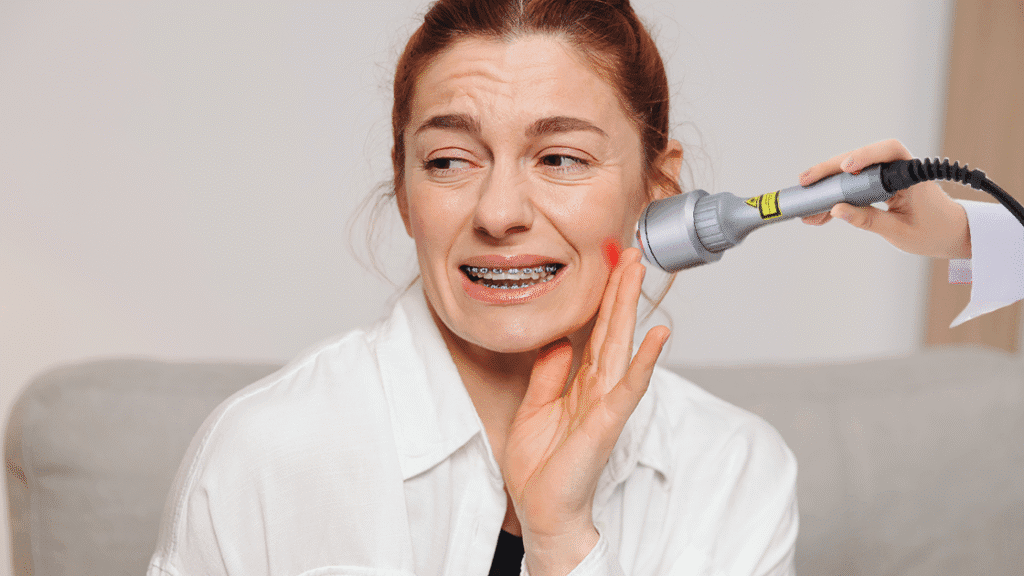
The laser procedure begins with ensuring patient comfort and safety. Patients are positioned comfortably, and protective eyewear is worn by both the patient and clinician. The treatment area is gently cleaned, and topical anesthetic may be applied depending on sensitivity. Laser settings—including wavelength, power, and pulse duration—are customized for the patient’s specific condition. The laser is applied directly to the affected area in a slow, controlled manner. Patients may feel warmth, tingling, or mild pressure, but pain is minimal and anesthesia is often unnecessary. The session typically lasts 10–20 minutes. Clinicians observe tissue response in real time and make adjustments as needed. After treatment, a quick check is done to evaluate changes in the tissue and confirm symptom relief. Detailed post-care instructions are provided, and a follow-up visit is scheduled. Because laser therapy is non-invasive, patients usually return to daily activities immediately, with minimal disruption or downtime.
6.3 Aftercare and Recovery Timeline
Post-treatment care guidelines include:
Oral hygiene: Gently rinse with saltwater or prescribed mouthwash; avoid vigorous brushing near the treated area.
Diet: Eat soft foods for a few days; avoid spicy, crunchy, or acidic items that may irritate tissues.
Pain relief: Use OTC pain medications like ibuprofen if needed; cold compresses may reduce swelling.
Activity: Avoid strenuous activity for 24–48 hours; rest supports faster healing.
Hydration and nutrition: Stay well-hydrated and maintain a balanced diet to support tissue repair.
Follow-up: Attend scheduled checkups to monitor healing and adjust care if necessary.
Expected healing timeline:
Symptom relief: within 24–48 hours
Major healing: by day 7–10
Full recovery: usually within 2–3 weeks
7. Final Thoughts: Smile Easier with Smart Healing
The integration of laser therapy into wisdom tooth management represents a transformative advancement in contemporary dental practice, offering patients unprecedented opportunities for comfortable, effective, and comprehensive treatment of complex oral health challenges. The convergence of scientific understanding, technological innovation, and clinical expertise has created therapeutic possibilities that were inconceivable just decades ago.
7.1 Wrapping Up the Wisdom
The evidence supporting laser therapy applications in wisdom tooth management continues to expand, with growing clinical research demonstrating superior outcomes across multiple therapeutic parameters including pain management, healing acceleration, infection control, and patient satisfaction. The fundamental shift from purely surgical approaches to comprehensive biologically-based interventions reflects broader healthcare trends emphasizing precision medicine, minimally invasive techniques, and patient-centered care philosophies. The implications of these advances extend beyond individual patient benefits to encompass broader healthcare system improvements including reduced antibiotic utilization, decreased complication rates, shortened recovery times, and enhanced resource utilization efficiency. The sustainable nature of laser therapy benefits, combined with absence of resistance development or significant side effects, positions this technology as a cornerstone of future oral healthcare delivery models. Professional education and technology accessibility continue to improve, making these advanced therapeutic options increasingly available to diverse patient populations across various practice settings. The ongoing evolution of laser technology promises even greater therapeutic capabilities and expanded clinical applications in the coming years.
7.2 Talk to Your Dentist About Laser Options
Patient advocacy for advanced treatment options plays a crucial role in accelerating the adoption of beneficial technologies and ensuring access to optimal care. Informed discussions with dental professionals about laser therapy possibilities enable collaborative treatment planning that incorporates patient preferences, clinical indications, and available resources. The growing body of evidence supporting laser therapy applications provides strong foundation for patient-provider discussions about treatment alternatives and optimal care strategies. Professional continuing education and technology investment decisions are often influenced by patient interest and demand for advanced treatment options. Active patient engagement in learning about available treatments and expressing preferences for minimally invasive approaches contributes to the broader advancement of dental practice standards and treatment capabilities. The integration of patient values, clinical expertise, and best available evidence represents the cornerstone of evidence-based practice that ultimately benefits all participants in the healthcare system.
8. FAQs
Laser therapy can assist in managing inflammation and speeding recovery, but it doesn’t replace surgical removal when structural issues exist.
Nope! Most patients report minimal to no discomfort. Laser energy gently targets tissues without the pulling or drilling of traditional tools.
Faster than you’d think. Swelling and bleeding are reduced, often allowing you to bounce back within days, not weeks.
Pregnancy is considered a contraindication for laser therapy due to precautionary principles, though research on safety during pregnancy remains limited.
It can help! By sterilizing tissues and enhancing healing, lasers reduce bacteria and inflammation that often lead to infection.
If there’s severe infection, extensive bone involvement, or tumors, traditional surgery and broader medical care may still be essential.
 English
 العربية
 Français
 日本語
日本語 Português
 Español
 Русский
 Deutsch