

Conteúdo da página
1. Introdução
Big toe joint pain, medically known as hallux rigidus or arthritis of the first metatarsophalangeal (MTP) joint, is a common condition affecting millions worldwide. Pain, swelling, and stiffness in the big toe can severely impact mobility and quality of life. While traditional treatments like NSAIDs, corticosteroids, or surgical interventions exist, many patients seek non-invasive alternatives to manage their symptoms effectively. In recent years, Class IV laser therapy has emerged as a revolutionary treatment for musculoskeletal and joint disorders, including big toe arthritis. Its ability to reduce pain, promote tissue repair, and decrease inflammation makes it an attractive option for those who want to avoid the risks of surgery or long-term drug use. Understanding how this therapy works and its benefits can empower patients to make informed decisions about managing toe arthritis.
1.1 Overview of Big Toe Joint Pain (Hallux Rigidus & Arthritis)
Big toe joint pain, commonly caused by hallux rigidus, is characterized by progressive stiffness and limited dorsiflexion of the first MTP joint. Hallux rigidus results primarily from degenerative osteoarthritis, where articular cartilage wears down over time, causing bone-on-bone friction and chronic inflammation. Secondary causes may include gout, trauma, or repetitive stress injuries, each contributing to joint degeneration and pain. Symptoms often include swelling, tenderness, reduced mobility, and difficulty wearing shoes. The progression of the condition can severely impact daily life, affecting walking patterns, exercise routines, and overall activity levels. If left untreated, patients may develop compensatory gait changes, leading to pain in adjacent joints or the lower back. Early intervention, particularly with non-invasive therapies like diode Class IV laser therapy, can address inflammation, reduce pain, and improve joint function, providing an alternative to long-term medication or surgery.
1.2 Rising Popularity of Non-Invasive Treatments for Toe Arthritis
In recent years, non-invasive therapies for big toe arthritis have gained significant popularity. Patients increasingly seek treatments that avoid surgery, reduce reliance on medications, and offer faster recovery. Traditional therapies, such as NSAIDs or corticosteroid injections, often provide only temporary relief and may cause gastrointestinal, cardiovascular, or systemic side effects when used long-term. Meanwhile, surgical options, though effective, carry risks of complications, extended rehabilitation, and sometimes incomplete restoration of joint mobility. Non-invasive approaches, including physical therapy, orthotics, and laser therapy, aim to address both symptoms and underlying causes. Among these, Class IV diode laser therapy has emerged as a preferred solution due to its ability to penetrate deep tissues, reduce inflammation, relieve pain, and promote tissue repair without invasive procedures. This growing interest reflects a broader shift in musculoskeletal medicine toward safer, patient-centered, and biologically driven treatment strategies.
1.3 Why Modern, Non-Invasive Treatments Are Key for Big Toe Arthritis
Modern, non-invasive treatments are essential in managing big toe arthritis because the condition is progressive and can worsen without intervention. Conservative approaches aim to reduce inflammation, relieve pain, and preserve joint function while minimizing risk. Invasive procedures, while effective, require recovery periods and may lead to complications, making non-surgical options preferable for many patients. Class IV diode laser therapy exemplifies this approach by targeting the cellular and molecular processes underlying joint degeneration. It promotes tissue regeneration, reduces inflammatory mediators, and improves blood flow, providing long-term functional benefits. Combined with orthotics, exercise, and lifestyle modifications, these therapies empower patients to actively manage their condition, maintain mobility, and delay or even avoid surgery. Non-invasive treatment strategies are increasingly recognized as first-line interventions in evidence-based musculoskeletal medicine.
1.4 What is Class IV Laser Therapy and How It Relieves Big Toe Pain
Class IV laser therapy is a high-powered, non-invasive treatment that delivers concentrated light energy into tissues to stimulate cellular repair and reduce inflammation. Unlike low-level lasers, Class IV lasers, particularly diode lasers, penetrate deep into the joint, reaching cartilage, ligaments, and synovial tissue. At the cellular level, photons are absorbed by mitochondrial chromophores, increasing ATP production and enhancing cell metabolism. This process reduces oxidative stress, stimulates tissue repair, and modulates inflammatory pathways. Clinically, patients experience significant pain relief, reduced swelling, and improved joint mobility. For big toe arthritis, Class IV diode laser therapy addresses both symptomatic discomfort and underlying degenerative changes, offering a dual benefit rarely achieved with conventional treatments. Its non-invasive nature makes it suitable for patients seeking alternatives to medication or surgery, allowing repeated use without significant side effects.
2. Understanding Big Toe Joint Pain
Big toe joint pain results from a combination of structural, inflammatory, and metabolic factors. Understanding the causes, symptoms, and limitations of traditional treatments is critical for selecting effective interventions. By identifying the underlying pathology, clinicians can provide targeted therapies, including non-invasive modalities like Class IV diode laser therapy, which address both pain and tissue repair.
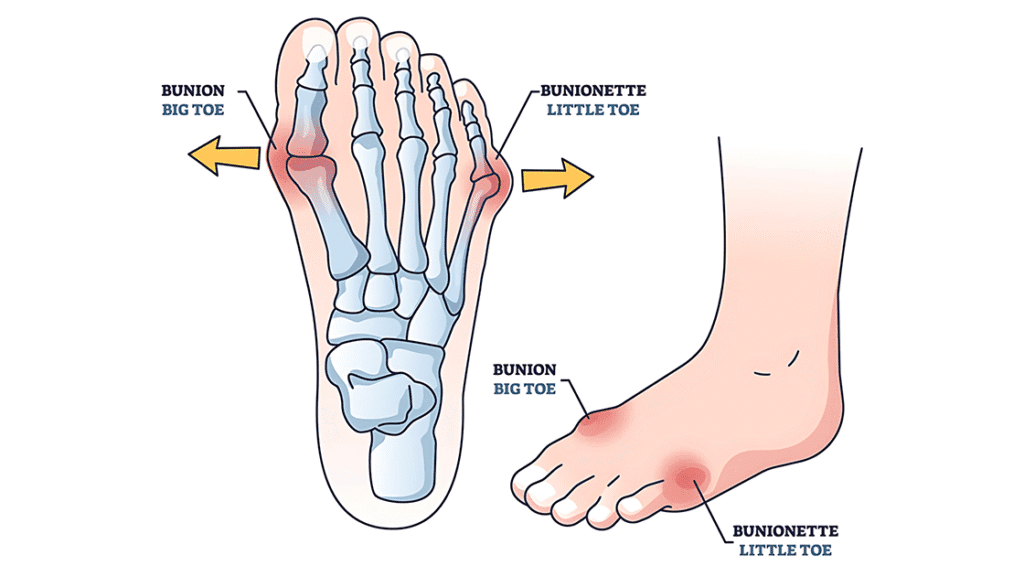
2.1 Common Causes
Osteoarthritis: Wear and tear of cartilage causes bone-on-bone friction and chronic inflammation in the big toe joint.
Gout: Deposition of urate crystals leads to sudden, severe pain and swelling.
Trauma: Fractures or ligament tears disrupt joint stability and accelerate degeneration.
Repetitive Stress: Continuous strain from activities or sports can damage cartilage over time.
Improper Footwear: Shoes that do not support the foot can contribute to joint deterioration.
Obesity: Excess weight increases stress on the big toe joint, promoting degeneration.
Genetic Predisposition: Family history can make certain individuals more susceptible to arthritis.
2.2 Symptoms and Impact on Daily Life
Pain: Aching or sharp pain in the first MTP joint, especially during movement.
Stiffness: Reduced flexibility makes it difficult to bend or lift the toe.
Swelling and Tenderness: Inflamed joint tissues cause discomfort and make wearing shoes painful.
Limited Range of Motion: Difficulty in dorsiflexion can alter walking patterns.
Balance and Mobility Issues: Changes in gait can affect overall stability.
Secondary Pain: Compensatory movements may lead to discomfort in knees, hips, or lower back.
Daily Life Disruption: Pain and limited function can hinder walking, exercise, and normal activities.
2.3 Conventional Treatments and Their Limitations
Traditional treatments for big toe arthritis include NSAIDs, corticosteroid injections, orthotics, and surgery. While NSAIDs reduce pain and inflammation, long-term use may cause gastrointestinal, cardiovascular, or renal side effects. Corticosteroid injections provide temporary relief but do not repair joint damage. Orthotics and shoe modifications improve comfort but do not halt disease progression. Surgical options, such as cheilectomy or joint fusion, are effective but invasive, requiring recovery and sometimes resulting in permanent changes to joint mobility. These limitations highlight the need for non-invasive, regenerative treatments like Class IV diode laser therapy, which can provide pain relief, reduce inflammation, and support tissue repair without the risks associated with drugs or surgery.
3. Class IV Laser Therapy Explained
Big toe arthritis is not only painful but also degenerative, affecting cartilage, ligaments, and surrounding tissues. Understanding how Class IV diode laser therapy works requires examining both the technological differences compared to lower-class lasers and its physiological effects at the cellular level. In the following sections, we will first explore how Class IV lasers differ from Class III devices, then dive into the cellular mechanisms that enable pain reduction, anti-inflammatory action, and tissue regeneration. Finally, we will review the various types of Class IV diode lasers and wavelengths to show how treatment can be customized for optimal results.
3.1 Difference Between Class III and Class IV Lasers
Class III and Class IV lasers differ mainly in power, tissue penetration, and therapeutic impact. Class III, or low-level “cold” lasers, typically deliver under 500 mW, providing superficial stimulation for minor pain and inflammation. Their limited penetration makes them less effective for deep structures like the first metatarsophalangeal (MTP) joint. In contrast, Class IV diode lasers operate at much higher power, often above 5,000 mW, enabling deep penetration into cartilage, ligaments, and synovial tissue. This higher energy promotes cellular metabolism, reduces oxidative stress, and accelerates tissue repair. Class IV lasers also produce mild heat that improves local circulation, enhancing recovery. For big toe arthritis, the deeper reach and stronger photobiomodulation make Class IV therapy far more effective than Class III, addressing both pain and structural degeneration. Patients can achieve lasting relief without invasive procedures, making it a superior non-surgical treatment option for chronic joint issues.
3.2 How Class IV Laser Therapy Works at Cellular Level
Class IV diode laser therapy works at the cellular and molecular level to promote healing and reduce pain in arthritic joints. The laser emits photons absorbed by mitochondrial chromophores, stimulating increased production of ATP, the cell’s energy molecule. This boost enhances cellular metabolism, supporting tissue repair and regeneration. Additionally, the therapy modulates inflammatory pathways by reducing the release of pro-inflammatory cytokines, which are key contributors to joint pain and swelling. Enhanced microcirculation delivers oxygen and nutrients to affected tissues while facilitating waste removal, promoting faster healing. At the cellular level, Class IV laser therapy also reduces oxidative stress and stabilizes cell membranes, mitigating tissue damage. These mechanisms combine to provide comprehensive relief, targeting both symptoms and underlying joint pathology, making it an effective non-invasive option for patients with big toe arthritis.
3.2.1 Pain Reduction Mechanisms for Big Toe Joint Pain
Class IV diode laser therapy provides pain relief through multiple mechanisms. Firstly, it stimulates the release of endorphins, the body’s natural painkillers, reducing the perception of discomfort. Secondly, laser energy modulates nerve conduction, decreasing the transmission of pain signals from the joint to the central nervous system. Thirdly, by reducing local inflammation and edema, the therapy relieves pressure on nociceptors, the nerve endings responsible for pain sensation. Thermal effects generated by the laser also improve microcirculation, aiding in the removal of pain-inducing metabolic byproducts. These combined mechanisms make Class IV therapy effective in both acute flare-ups and chronic arthritis of the big toe, allowing patients to resume daily activities more comfortably and reducing dependence on medications or injections.
3.2.2 Anti-Inflammatory Effects on Arthritic Toe Joints
Inflammation is a primary driver of pain and joint degeneration in hallux rigidus and other forms of big toe arthritis. Class IV diode laser therapy reduces inflammation by inhibiting pro-inflammatory cytokines and stimulating anti-inflammatory mediators at the cellular level. Improved microcirculation helps clear inflammatory metabolites, while enhanced lymphatic drainage reduces local swelling. Additionally, the therapy mitigates oxidative stress, which contributes to chronic inflammation and cartilage breakdown. Clinically, patients often notice decreased joint warmth, swelling, and tenderness within a few sessions. By controlling inflammation without drugs or invasive procedures, Class IV laser therapy provides a safe and effective approach to managing arthritis symptoms, protecting joint structures, and improving overall toe function.
3.2.3 Tissue Repair & Regeneration Benefits
One of the most significant advantages of Class IV diode laser therapy is its ability to promote tissue repair and regeneration. Photobiomodulation stimulates fibroblast activity, collagen synthesis, and angiogenesis, which support the healing of ligaments, tendons, and cartilage. Enhanced cellular metabolism accelerates recovery from micro-injuries and degenerative changes common in big toe arthritis. Over time, repeated laser sessions can strengthen joint structures, improve flexibility, and restore functional range of motion. Unlike temporary symptomatic treatments, this regenerative effect addresses the underlying pathology, making it a valuable adjunct to conservative management plans. Patients benefit not only from reduced pain but also from long-term improvements in joint stability, mobility, and quality of life, highlighting the therapy’s role as a non-invasive, tissue-preserving treatment option.
3.3 Types of Class IV Laser Devices and Wavelengths
Class IV lasers come in different diode types and wavelengths, each optimized for specific tissue depths and therapeutic effects. Commonly used wavelengths range from 800 nm to 980 nm, with shorter wavelengths targeting superficial tissues and longer wavelengths penetrating deeper into cartilage and ligaments. Device configurations vary from handheld units to stationary multi-probe systems, allowing customized treatment based on the patient’s condition and joint anatomy. Power output, pulse mode, and treatment duration can be adjusted to balance pain relief, anti-inflammatory effects, and tissue regeneration. Selecting the appropriate laser type and wavelength is crucial for achieving optimal results in big toe arthritis. Diode lasers are preferred for their precision, deep tissue penetration, and ability to stimulate cellular repair without causing thermal damage, ensuring safety and efficacy during repeated treatments.
4. Benefits of Class IV Laser Therapy for Big Toe Pain
The therapeutic mechanisms of Class IV laser therapy translate directly into measurable clinical benefits for patients with big toe arthritis. By targeting pain, inflammation, and tissue degeneration simultaneously, this non-invasive intervention can significantly improve daily function and quality of life. In the subsections that follow, we will detail how the therapy provides rapid pain relief, increases joint mobility, reduces swelling, offers a drug-free treatment alternative, and complements other interventions such as physical therapy and orthotics. These benefits demonstrate why Class IV diode laser therapy has become a preferred non-surgical solution for chronic toe joint pain.
4.1 Rapid Pain Relief for Big Toe Arthritis with Minimal Side Effects
Class IV diode laser therapy provides fast-acting pain relief for patients with hallux rigidus or other forms of big toe arthritis. Within a few sessions, many patients report a noticeable reduction in pain intensity, improved walking comfort, and decreased reliance on NSAIDs or analgesics. The therapy achieves this without the systemic side effects associated with long-term medication, such as gastrointestinal or cardiovascular complications. Its non-invasive nature eliminates risks linked to injections or surgery, making it suitable for a broad patient population, including older adults and those with comorbidities. Additionally, the precise targeting of the first MTP joint ensures that adjacent tissues are not adversely affected. By combining rapid symptomatic relief with a strong safety profile, Class IV diode laser therapy offers a compelling alternative for patients seeking effective, non-drug solutions for chronic toe joint pain.
4.2 Increased Joint Mobility and Function
Beyond pain relief, Class IV diode laser therapy improves joint mobility and functional performance in patients with big toe arthritis. Photobiomodulation enhances tissue elasticity, reduces stiffness, and promotes repair of tendons, ligaments, and cartilage, resulting in a more flexible and functional joint. Improved dorsiflexion and range of motion restore the patient’s ability to walk, run, and engage in daily activities comfortably. By addressing the structural limitations caused by arthritis, the therapy also helps correct altered gait patterns, reducing strain on adjacent joints and the lower back. Patients often notice gradual improvements in overall foot function after several sessions, demonstrating that Class IV laser therapy supports both symptomatic and biomechanical recovery.
4.3 Reduced Swelling and Inflammation
Swelling and inflammation are major contributors to pain and limited mobility in hallux rigidus. Class IV diode laser therapy targets these processes by reducing pro-inflammatory cytokines, enhancing lymphatic drainage, and improving microcirculation. This leads to decreased edema, reduced joint warmth, and less tenderness. By controlling inflammation, the therapy prevents further cartilage deterioration and protects joint integrity. Patients often report a visible reduction in swelling and improved comfort within a few treatments. As a non-invasive, drug-free option, it is particularly valuable for individuals who cannot tolerate NSAIDs or steroid injections. The anti-inflammatory effects of Class IV laser therapy not only alleviate pain but also promote a healthier joint environment, supporting long-term mobility and function.
4.4 Non-Invasive, Drug-Free Treatment
Class IV diode laser therapy offers a non-invasive, drug-free alternative for managing big toe arthritis. Unlike oral medications, it does not carry risks of systemic side effects or organ toxicity. Unlike injections or surgery, there are no incisions, anesthesia, or prolonged recovery periods. The therapy can be administered safely in a clinic setting, often in sessions lasting 10–20 minutes. Patients benefit from repeated treatments without risk of cumulative damage or dependence. This approach aligns with modern pain management principles, emphasizing minimally invasive, biologically driven therapies that support natural tissue repair while reducing discomfort. By avoiding pharmacological interventions, patients maintain overall health while effectively managing chronic toe joint pain.
4.5 Complementary to Physical Therapy and Orthotics
Class IV diode laser therapy works synergistically with physical therapy and orthotic devices to optimize outcomes. While the laser reduces pain and inflammation and promotes tissue repair, physical therapy strengthens surrounding muscles, enhances flexibility, and improves gait mechanics. Orthotics provide structural support, redistribute pressure, and reduce joint stress during walking or standing. Combined, these approaches address both symptoms and biomechanical contributors to big toe arthritis, enhancing long-term functional recovery. Patients experience faster improvements in mobility, reduced pain recurrence, and better overall foot health. This integrative strategy underscores the value of Class IV laser therapy as part of a comprehensive, multi-modal treatment plan for chronic toe joint pain.
5. Evidence and Clinical Results
Clinical evidence is critical for validating the effectiveness of any medical intervention, including Class IV diode laser therapy for big toe joint pain. Studies and patient experiences provide insight into both short-term and long-term outcomes, demonstrating the therapy’s impact on pain reduction, joint mobility, and overall quality of life. In the subsections below, we will examine published clinical trials, patient testimonials, and the safety profile, highlighting the evidence-based rationale for using Class IV laser therapy in managing Hallux Rigidus and arthritis of the first metatarsophalangeal joint.
5.1 Clinical Studies on Hallux Rigidus and Big Toe Arthritis
Multiple clinical studies have investigated the effects of Class IV diode laser therapy on Hallux Rigidus and arthritis-related big toe pain. Research consistently shows significant reductions in pain scores and improvements in joint function after several treatment sessions. In these studies, objective measures such as range of motion, dorsiflexion, and gait analysis demonstrated enhanced joint mobility. The therapy’s photobiomodulation effects promote cellular repair and reduce inflammation, contributing to sustained symptom relief. Importantly, these studies also confirm the non-invasive nature of the treatment and its ability to complement conventional therapies such as orthotics and physical therapy.
5.2 Patient Outcomes and Testimonials
Patient-reported outcomes highlight real-world benefits of Class IV laser therapy. Many patients report rapid pain relief within the first few sessions, reduced reliance on analgesics, and improved ability to walk or exercise without discomfort. Testimonials often emphasize improvements in daily life, including enhanced shoe comfort, increased activity levels, and restoration of normal gait mechanics. Patients with early-stage arthritis or those unsuitable for surgery particularly benefit from this non-invasive approach. Collectively, clinical and anecdotal evidence suggests that diode Class IV laser therapy not only alleviates symptoms but also improves functional outcomes, supporting its adoption in standard conservative care for big toe joint arthritis.
5.3 Safety Profile and Side Effects
Safety is a paramount concern for any therapeutic modality. Class IV diode laser therapy has a favorable safety profile, with minimal reported side effects such as temporary warmth, mild redness, or transient tingling at the treatment site. Unlike oral anti-inflammatories or corticosteroid injections, there is no systemic toxicity, gastrointestinal risk, or dependency issues. Properly administered laser therapy also avoids tissue overheating, burns, or structural damage. Overall, the low-risk nature of this treatment, combined with clinical efficacy, makes it an attractive option for patients seeking non-invasive alternatives for big toe arthritis.
6. Treatment Protocol
Effective results from Class IV diode laser therapy depend on an organized treatment protocol tailored to each patient’s condition. Understanding who can administer the therapy, session structure, preparation, and post-treatment care ensures optimal outcomes while minimizing risks. In the following subsections, we will provide detailed guidance on therapy administration, recommended treatment frequency, pre- and post-care considerations, and the expected timeline for pain reduction.
6.1 Who Can Administer Class IV Laser Therapy
Class IV diode laser therapy should be performed by licensed healthcare professionals trained in laser therapy techniques. These professionals may include physical therapists, podiatrists, chiropractors, or physicians who have completed specific certification programs for laser therapy. Proper training is essential to ensure the correct wavelength, energy settings, and technique are used for each patient, minimizing any potential risks. These experts take into account the patient’s specific condition, including the severity of arthritis, age, and comorbidities, and tailor the protocol to suit individual needs. For example, they can adjust treatment parameters such as energy density and exposure duration based on the patient’s response. Proper training also helps minimize the risks of tissue damage, ensuring that the treatment is both safe and effective for long-term use.
6.2 Typical Session Duration and Frequency
A typical Class IV laser therapy session usually lasts between 10 to 20 minutes, depending on the patient’s condition and the areas being treated. For big toe arthritis, the therapy targets the first metatarsophalangeal (MTP) joint and the surrounding tissues. The frequency of treatment can range from 2–3 sessions per week, with a total treatment cycle of 6–12 sessions for most patients. This frequency can vary based on the severity of symptoms, response to therapy, and overall progress. Class IV lasers are more powerful than Class III lasers, offering deeper penetration and higher energy output with fewer sessions. As treatment progresses, the clinician will adjust the number of sessions based on the patient’s pain levels, joint flexibility, and response to therapy, ensuring continued improvement in function and mobility.
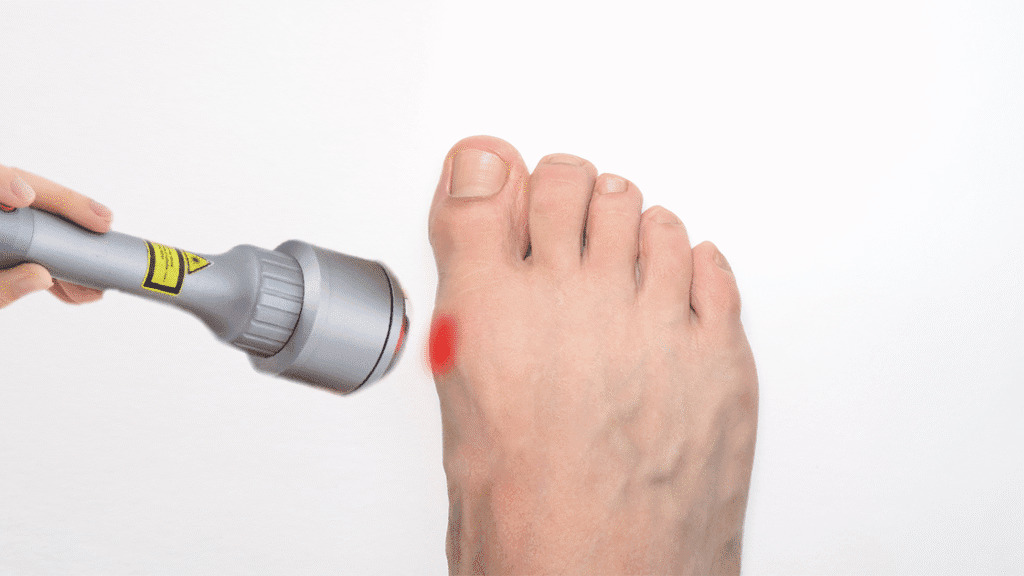
6.3 Pre-Treatment Considerations
Before beginning Class IV laser therapy, a thorough assessment of the patient’s health history is necessary. This includes identifying underlying conditions, imaging of the affected joint, and a pain level evaluation. Contraindications, such as active infections, cancers, or photosensitivity disorders, must be ruled out to ensure the therapy is safe. Patients should also refrain from applying any lotions, ointments, or medications to the treatment area, as these may interfere with the laser’s effectiveness. If necessary, a patient’s footwear will need to be removed to expose the foot for optimal treatment. Patients should also be educated on the sensations they may experience during the session, which typically include a mild warmth or tingling, allowing them to set realistic expectations and provide informed consent. Ensuring these considerations will enhance the effectiveness of the treatment and minimize the risks associated with laser therapy.
6.4 Post-Treatment Care and Maintenance
After each laser therapy session, patients are encouraged to rest and avoid intense physical activity for 12 to 24 hours. This period allows the body to focus on the repair processes initiated by the laser. Patients may also be instructed to perform gentle stretching or engage in prescribed physical therapy exercises to support joint mobility and flexibility. In some cases, patients may notice temporary redness or mild swelling around the treated area, which is a normal response and typically resolves within a few hours. Long-term, ongoing maintenance may involve periodic booster sessions to maintain pain relief and prevent flare-ups. This helps ensure that the improvements in mobility and function are sustained over time. Regular follow-up visits allow clinicians to monitor progress and adjust therapy protocols as necessary.
6.5 Expected Timeline for Pain Reduction
Most patients experience noticeable pain relief within 2 to 3 sessions of Class IV diode laser therapy. Functional improvements, such as increased joint mobility and flexibility, are often felt after 4 to 6 sessions. Full therapeutic effects, including reduced inflammation and restored tissue function, typically become apparent after completing the full course of 6 to 12 sessions. The timeline may vary depending on the severity of the arthritis, age, and the patient’s adherence to post-treatment care instructions. For patients with more severe cases or advanced stages of arthritis, longer treatment times may be needed, and outcomes may take more time to achieve. However, consistent improvement has been documented in numerous clinical studies and patient testimonials, confirming the overall efficacy of this approach.
7. Who Can Benefit Most
Class IV diode laser therapy is a versatile, non-invasive treatment for big toe joint pain, but its effectiveness varies depending on the patient’s condition and medical history. Understanding who is most likely to benefit can help clinicians recommend appropriate interventions and manage patient expectations. The following subsections explore patient populations that derive the greatest advantages from this therapy, including those with early-stage arthritis, individuals unsuitable for surgical procedures, and people seeking drug-free pain management solutions.
7.1 Patients with Hallux Rigidus or Early-Stage Big Toe Arthritis
Patients in the early stages of Hallux Rigidus or big toe arthritis are among the most ideal candidates for Class IV diode laser therapy. At this stage, cartilage damage and joint inflammation are often still reversible, making it possible for laser therapy to reduce pain, enhance joint lubrication, and stimulate the natural repair process. Patients may experience improvement in joint flexibility, reduced stiffness, and better dorsiflexion, which are essential for maintaining a normal walking pattern. Early intervention with laser therapy has been shown to slow disease progression and delay the need for more invasive treatments, including surgery. Studies indicate that patients with early-stage arthritis tend to respond more quickly to laser therapy, achieving significant improvements in pain and mobility. Therefore, timely application of this therapy can greatly enhance long-term joint health and function.
7.2 Individuals Unsuitable for Surgery
Not all individuals suffering from big toe arthritis are candidates for surgery, due to factors like age, comorbid conditions, or personal preference. For these patients, Class IV diode laser therapy offers a promising, non-invasive alternative that provides pain relief and enhances joint function without the need for anesthesia or post-surgical recovery. Laser therapy can also serve as a “bridging” treatment, improving the condition of the joint prior to surgery for those who may eventually undergo an operative procedure. Even for patients who never opt for surgery, laser therapy offers a significant reduction in pain, improved mobility, and a higher quality of life by reducing reliance on systemic medications. This makes it an excellent treatment option for patients who prefer to avoid the risks associated with surgical procedures.
7.3 People Seeking Non-Drug Pain Relief
Many patients with big toe arthritis prefer to avoid long-term use of pharmaceuticals, such as NSAIDs, corticosteroids, or opioid analgesics, due to concerns about side effects, dependency, or long-term health risks. Class IV diode laser therapy provides a non-drug alternative that helps manage pain, reduce inflammation, and promote tissue repair at the cellular level. By stimulating circulation and encouraging the healing process, laser therapy reduces the need for medications, offering a more holistic and sustainable approach to pain management. This drug-free option can complement other treatments like physical therapy, orthotics, or lifestyle changes, providing long-term relief without the side effects of traditional medications. For patients who are particularly concerned about medication use, laser therapy can be an ideal option for managing symptoms effectively.
8. Perguntas mais frequentes (FAQs)
Most patients notice initial pain reduction within 1–3 sessions, although optimal results usually appear after completing 6–12 sessions. Early-stage arthritis responds faster due to less cartilage damage.
While it cannot reverse severe cartilage loss, laser therapy can slow disease progression, improve joint mobility, and reduce pain, potentially delaying or avoiding surgical intervention in early to moderate cases.
Yes, it is non-invasive and generally safe for patients with conditions such as diabetes or cardiovascular disease. However, patients with active infections, tumors near the joint, or photosensitivity should avoid treatment or consult their physician.
Absolutely. Combining laser therapy with physical therapy exercises, stretching, and orthotics enhances joint mobility, supports tissue healing, and maximizes long-term functional outcomes.
Results vary depending on arthritis severity and lifestyle factors. While laser therapy alleviates pain and promotes tissue repair, ongoing joint care, proper footwear, and periodic maintenance sessions may be required for sustained benefits.
9. Summary of Benefits of Class IV Laser Therapy for Big Toe Pain
Class IV diode laser therapy offers a highly effective, non-invasive approach for managing big toe joint pain, particularly in cases of Hallux Rigidus and early-stage arthritis. Key benefits include rapid pain relief, reduced inflammation, and improved joint mobility, allowing patients to resume daily activities with minimal disruption. The therapy stimulates tissue repair and regeneration at the cellular level, addressing underlying pathology rather than merely masking symptoms. Its non-drug, non-surgical nature makes it ideal for patients unsuitable for surgery or those seeking alternative pain management strategies. Additionally, laser therapy complements conventional treatments such as physical therapy, orthotics, and lifestyle modifications, creating a holistic approach to long-term joint health. Overall, Class IV diode laser therapy represents a safe, evidence-based option that enhances functional outcomes, promotes patient independence, and improves quality of life.
 English
 العربية
 Français
 日本語
日本語 Português
 Español
 Русский
 Deutsch