

Conteúdo da página
1. Introduction: Understanding Class IV Laser Therapy for Pain Relief and Recovery
Modern medicine continues to evolve, introducing innovative technologies that transform how we approach pain management and tissue healing. Among these breakthroughs, Class IV laser therapy has emerged as a powerful, non-invasive treatment modality that harnesses the natural healing potential of light energy. This advanced therapeutic approach offers hope to millions suffering from musculoskeletal injuries, chronic pain conditions, and post-surgical complications. Unlike conventional treatments that merely mask symptoms, Class IV laser therapy addresses the root cause of dysfunction at the cellular level, promoting genuine tissue regeneration and sustainable recovery.
1.1 O que é a terapia laser de classe IV?
Terapia laser de classe IV represents an advanced form of photobiomodulation treatment utilizing high-powered laser devices capable of delivering therapeutic energy deep into damaged tissues. Distinguished by power outputs exceeding 500 milliwatts, these medical-grade lasers emit specific wavelengths of red and near-infrared light, typically ranging from 650 to 1064 nanometers. The term “Class IV” refers to the FDA classification system for laser devices, indicating sufficient power for deep tissue penetration while maintaining safety protocols. Through sophisticated light-tissue interactions, these therapeutic lasers stimulate cellular metabolism, enhance microcirculation, and modulate inflammatory responses, creating optimal conditions for accelerated healing and pain reduction.
1.2 The Rise of Laser Therapy in Sports Medicine and Physical Rehabilitation
The integration of laser therapy into sports medicine and rehabilitation practices has experienced exponential growth over the past two decades. Following FDA clearance in the early 2000s, healthcare professionals recognized the tremendous potential of photobiomodulation for treating athletic injuries and accelerating recovery timelines. Professional sports teams, Olympic training centers, and rehabilitation facilities worldwide have incorporated Class IV laser therapy into their treatment protocols. This widespread adoption reflects compelling clinical evidence demonstrating superior outcomes in tissue repair, inflammation management, and functional restoration. As research continues to validate efficacy and safety, laser therapy has transitioned from experimental treatment to mainstream therapeutic modality.
1.3 Why Athletes and Active Individuals Are Turning to Class IV Laser Therapy
Athletes and physically active individuals increasingly seek treatment options that minimize downtime, avoid pharmaceutical dependency, and support optimal performance. Class IV laser therapy addresses these priorities by offering rapid pain relief without compromising tissue integrity or requiring extended recovery periods. The non-invasive nature eliminates surgical risks, while the drug-free approach circumvents concerns about medication side effects or performance-enhancing substance regulations. Additionally, the therapy’s ability to accelerate cellular repair processes enables athletes to return to training and competition faster than traditional treatment methods allow. This combination of safety, efficacy, and efficiency has positioned Class IV laser therapy as a preferred intervention among competitive athletes and recreational fitness enthusiasts alike.
2. The Science Behind Class IV Laser Therapy
Class IV laser therapy works through photobiomodulation, where specific wavelengths of light interact with cells to trigger beneficial biochemical responses. These reactions influence mitochondrial activity, cellular signaling, and tissue metabolism, promoting healing without harmful heat. Rooted in decades of research, this therapy uses visible and near-infrared light to produce measurable physiological effects. Understanding these cellular mechanisms and optimal treatment parameters is essential to applying Class IV laser therapy effectively.
2.1 How Class IV Laser Therapy Works: The Cellular Mechanism
The therapeutic effects of Class IV laser therapy originate from sophisticated cellular processes initiated when photons penetrate tissue and interact with specific molecular targets. This photobiomodulation process represents a well-documented biological phenomenon supported by extensive scientific literature and clinical investigation.
2.1.1 Photobiomodulation and Cellular Energy (ATP) Production
The primary mechanism of action centers on the cytochrome c oxidase enzyme complex located within the inner mitochondrial membrane. When therapeutic wavelengths of light energy are absorbed by this photoacceptor, it stimulates the electron transport chain, dramatically increasing adenosine triphosphate synthesis. This metabolic enhancement provides damaged cells with abundant energy resources necessary for repair processes, including protein synthesis, cellular replication, and extracellular matrix remodeling. Research demonstrates that photobiomodulation can increase ATP production by 150-200% above baseline levels, fundamentally accelerating the pace of tissue regeneration. Additionally, light absorption modulates reactive oxygen species and stimulates nitric oxide release, further supporting cellular function and vascular health throughout the treatment area.
2.1.2 Enhanced Oxygenation and Blood Circulation
Beyond direct cellular effects, Class IV laser therapy produces significant improvements in regional hemodynamics and tissue oxygenation. The photobiomodulation process triggers vasodilation through multiple pathways, including nitric oxide-mediated smooth muscle relaxation and direct effects on vascular endothelium. This increased blood vessel diameter enhances perfusion, delivering oxygen, glucose, and essential nutrients to metabolically active tissues while facilitating removal of inflammatory mediators and cellular waste products. Improved microcirculation reduces tissue hypoxia—a critical factor in chronic pain and delayed healing. Enhanced lymphatic drainage further contributes to edema reduction and inflammation resolution, creating an optimal microenvironment for tissue repair and functional restoration.
2.2 Difference Between Class IV and Class III (Cold) Laser Therapy
While both Class III and Class IV lasers operate through photobiomodulation principles, significant distinctions exist in power output, tissue penetration depth, and clinical applications. Class III devices, commonly termed “cold lasers” or “low-level laser therapy,” deliver power outputs between 5 and 500 milliwatts. These lower-powered units effectively treat superficial tissues but demonstrate limited penetration into deeper musculoskeletal structures. Class IV lasers, generating power outputs from 500 milliwatts to 60 watts, achieve substantially greater tissue penetration—reaching depths of 10-13 centimeters depending on tissue composition and wavelength selection. This enhanced penetration capacity enables treatment of deep-seated pathologies including spinal disc conditions, hip disorders, and large muscle groups. Additionally, higher power output reduces treatment duration from 20-30 minutes to 3-10 minutes per session, improving patient convenience and clinical efficiency.
2.3 Optimal Wavelengths and Power Output for Deep Tissue Penetration
Therapeutic efficacy in laser therapy depends critically on appropriate wavelength selection and power parameters. Research has identified an “optical window” between 650 and 1100 nanometers where biological tissue demonstrates optimal light transmission with minimal absorption by melanin, hemoglobin, and water. Within this therapeutic window, wavelengths around 810 nanometers and 980 nanometers prove particularly effective for musculoskeletal applications. The 810nm wavelength offers excellent penetration characteristics while minimizing water absorption, making it ideal for deep tissue treatment. The 980nm wavelength demonstrates preferential absorption by vascular structures, enhancing hemodynamic effects. Power density typically ranges from 0.5 to 3 watts per square centimeter, with total energy doses between 4 and 15 joules per square centimeter depending on condition chronicity, tissue depth, and treatment objectives.
3. Accelerating Healing in Muscle and Joint Injuries
Class IV laser therapy effectively treats musculoskeletal injuries, including acute trauma and chronic degenerative disorders of muscles, tendons, ligaments, and joints. Through photobiomodulation, it modulates inflammation, repairs cellular damage, and restores metabolic balance, accelerating natural healing and functional recovery. Clinical research consistently shows faster recovery and improved outcomes across various injuries, from minor strains to complex joint conditions, by enhancing tissue repair and reducing inflammation.
3.1 Muscle Injury Recovery: Repairing Microtears and Reducing Inflammation
Muscle injuries, ranging from exercise-induced microtrauma to complete strain injuries, respond exceptionally well to Class IV laser therapy. The photobiomodulation process enhances satellite cell activation and myoblast proliferation, critical steps in muscle fiber regeneration. Increased ATP production supports the energy-intensive synthesis of contractile proteins necessary for tissue reconstruction. Simultaneously, laser therapy modulates the inflammatory response by reducing pro-inflammatory cytokines such as interleukin-1 and tumor necrosis factor-alpha while promoting anti-inflammatory mediators. This balanced inflammatory regulation prevents excessive tissue damage while maintaining beneficial healing responses. Additionally, enhanced microcirculation delivers oxygen and nutrients essential for myofiber repair, while improved lymphatic drainage reduces edema and accelerates debris clearance, significantly shortening recovery timelines.
3.2 Joint Injury Healing: Supporting Cartilage and Ligament Regeneration
Joint injuries present unique therapeutic challenges due to limited vascularity and slow regeneration rates of cartilaginous and ligamentous structures. Class IV laser therapy addresses these limitations through multiple mechanisms. Photobiomodulation stimulates chondrocyte activity and increases proteoglycan synthesis, essential components of cartilage matrix. Enhanced cellular metabolism supports collagen production by fibroblasts within ligamentous tissue, promoting structural integrity and tensile strength. The anti-inflammatory effects reduce synovial inflammation and joint effusion, alleviating pain while preserving articular surfaces. Research demonstrates that laser therapy can decrease matrix metalloproteinase activity—enzymes responsible for cartilage degradation—thereby protecting existing tissue from further damage. These combined effects create favorable conditions for joint healing, particularly valuable in managing osteoarthritis, ligament sprains, and post-traumatic arthropathy.
3.3 Reducing Downtime and Restoring Mobility Faster
One of the most significant advantages of Class IV laser therapy lies in its ability to compress recovery timelines and accelerate functional restoration. By simultaneously addressing pain, inflammation, and tissue repair, the treatment enables earlier initiation of therapeutic exercise and functional activities. Reduced pain perception allows patients to engage in rehabilitation protocols with greater intensity and adherence, accelerating strength and mobility gains. Accelerated cellular repair shortens the inflammatory and proliferative phases of healing, enabling faster progression through rehabilitation stages. Clinical observations indicate that laser therapy can reduce recovery times by 30-50% compared to conventional treatment approaches. This rapid restoration of function proves particularly valuable for athletes facing competition deadlines, workers requiring prompt return to occupational duties, and elderly patients at risk of deconditioning.
3.4 Case Studies: Real Results from Class IV Laser Therapy Treatments
Documented clinical cases provide compelling evidence of laser therapy’s effectiveness in diverse injury scenarios. A 28-year-old marathon runner with chronic Achilles tendinopathy experienced complete pain resolution and return to competitive running after eight laser therapy sessions combined with eccentric strengthening exercises. A 45-year-old construction worker suffering from rotator cuff tendinitis achieved 80% pain reduction and full range of motion restoration within four weeks of treatment. A collegiate basketball player with grade II medial collateral ligament sprain returned to play in three weeks—significantly faster than the typical six-week timeline—following intensive laser therapy protocol. These cases exemplify the therapy’s capacity to accelerate healing across various tissue types and injury severities.
4. Key Benefits of Class IV Laser Therapy
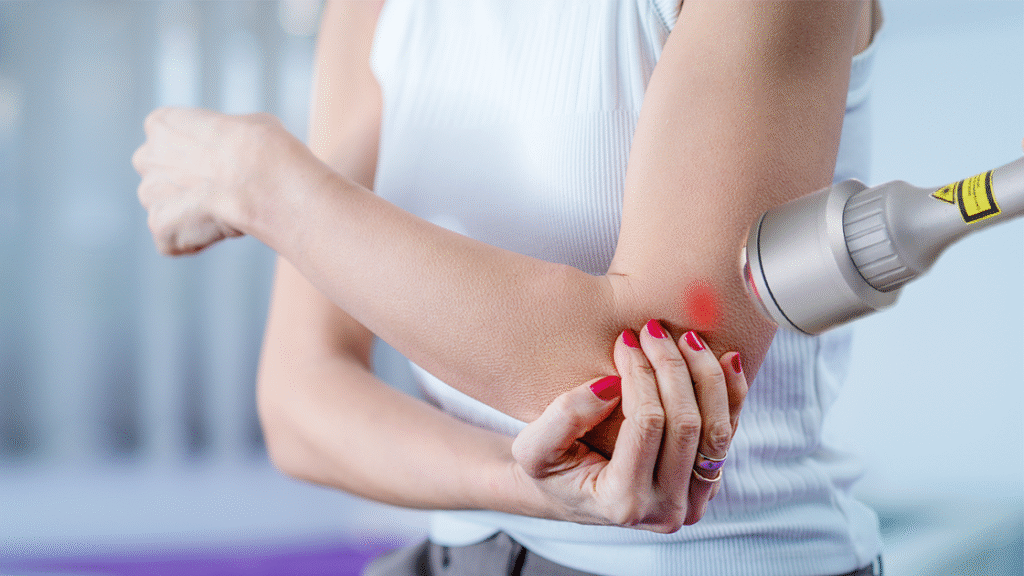
Class IV laser therapy offers more than pain relief—it enhances tissue health, functional recovery, and overall rehabilitation outcomes. Through photobiomodulation, it produces biological effects that translate into faster healing and lasting regeneration. Clinical evidence and practitioner experience show its value from immediate symptom reduction to long-term tissue repair, making it a versatile, evidence-based treatment widely adopted in modern healthcare and comprehensive recovery programs.
4.1 Rapid Pain Relief and Anti-Inflammatory Effects
Class IV laser therapy delivers significant analgesic effects through multiple neurophysiological mechanisms. The treatment reduces nerve conduction velocity in pain-transmitting C-fibers, directly diminishing nociceptive signaling to the central nervous system. Photobiomodulation stimulates endogenous opioid release, particularly beta-endorphins, providing natural pain relief without pharmaceutical intervention. Additionally, the anti-inflammatory action reduces prostaglandin synthesis and decreases bradykinin levels—key mediators of pain and tissue irritation. Patients typically experience noticeable pain reduction within 24-48 hours following initial treatment, with progressive improvement throughout the therapeutic course. The rapid onset distinguishes laser therapy from many conventional approaches requiring weeks for meaningful symptom improvement, offering immediate quality-of-life enhancement.
4.2 Enhanced Tissue Repair and Collagen Production
The regenerative capacity of Class IV laser therapy stems from profound effects on cellular metabolism and tissue remodeling processes. Photobiomodulation increases fibroblast proliferation rates by 150-170%, accelerating connective tissue formation across injured structures. Enhanced ATP availability supports the energetically demanding process of collagen synthesis, the fundamental structural protein comprising tendons, ligaments, fascia, and wound matrices. Research demonstrates that laser-treated tissues exhibit superior collagen organization with improved fiber alignment and cross-linking patterns, resulting in greater mechanical strength compared to naturally healed tissue. These molecular improvements translate to reduced reinjury risk and enhanced long-term functional outcomes, particularly critical for athletes and physically demanding occupations.
4.3 Improved Range of Motion and Functional Recovery
Restoration of normal movement patterns represents a primary rehabilitation goal, making the functional benefits of laser therapy particularly valuable. By reducing pain, inflammation, and muscle guarding simultaneously, the treatment facilitates earlier and more aggressive range-of-motion exercises. Improved tissue extensibility results from enhanced collagen remodeling and reduced fascial restrictions, allowing greater joint excursion without discomfort. Enhanced proprioceptive function emerges from improved neural tissue health and reduced inflammatory interference with mechanoreceptor signaling. Clinical assessments consistently demonstrate faster return to activities of daily living, recreational pursuits, and athletic performance compared to conventional treatment protocols. This functional restoration significantly impacts patient satisfaction and overall treatment success.
4.4 Non-Invasive, Drug-Free, and Safe for Repeated Use
The safety profile and non-invasive nature of Class IV laser therapy constitute significant advantages in contemporary healthcare. Unlike surgical interventions carrying infection risks, prolonged recovery periods, and potential complications, laser therapy requires no incisions, anesthesia, or postoperative restrictions. The absence of pharmaceutical agents eliminates concerns about medication side effects, drug interactions, gastrointestinal complications, or dependency potential—particularly relevant given current opioid crisis awareness. Extensive clinical experience spanning four decades and millions of treatment sessions worldwide documents an exceptional safety record with minimal adverse effects. The therapy can be safely repeated multiple times weekly without cumulative toxicity or diminishing returns, enabling aggressive treatment protocols when clinically indicated.
5. Common Conditions Treated with Class IV Laser Therapy
Class IV laser therapy effectively treats a wide range of musculoskeletal and pain-related conditions, including acute injuries, chronic degenerative disorders, inflammation, and post-surgical recovery. Through photobiomodulation, it enhances cellular metabolism, reduces inflammation, improves circulation, and accelerates tissue repair. Clinicians in sports medicine, orthopedics, physical therapy, chiropractic care, and podiatry use it to optimize patient outcomes. Identifying conditions most responsive to therapy allows for targeted treatment planning and improved clinical efficiency.
5.1 Sports Injuries: Sprains, Strains, and Tendonitis
Athletic injuries represent an ideal indication for Class IV laser therapy given the demand for rapid recovery and high-level functional restoration. Ankle sprains, hamstring strains, rotator cuff tendinitis, patellar tendinopathy, and plantar fasciitis respond exceptionally well to photobiomodulation. The therapy accelerates ligamentous healing in sprain injuries while reducing excessive scar tissue formation that might limit flexibility. Muscle strains benefit from enhanced myofiber regeneration and reduced inflammation, enabling faster return to training loads. Tendinopathies, particularly chronic overuse injuries resistant to conservative management, demonstrate significant improvement with laser therapy through enhanced tenocyte function and collagen remodeling. The ability to treat athletes during active competition provides strategic advantages for sports medicine practitioners.
5.2 Chronic Pain Conditions: Arthritis, Bursitis, and Fibromyalgia
Long-standing pain conditions often resistant to conventional treatments demonstrate remarkable responsiveness to Class IV laser therapy. Osteoarthritis patients experience reduced joint pain, decreased stiffness, and improved function through combined anti-inflammatory and regenerative effects on articular cartilage and synovial tissue. Rheumatoid arthritis symptoms can be modulated through immunoregulatory effects of photobiomodulation, reducing disease activity markers. Bursitis responds rapidly to laser therapy through enhanced resolution of inflammatory fluids and tissue repair. Fibromyalgia patients benefit from improved mitochondrial function, reduced central sensitization, and enhanced endorphin production, addressing the complex pathophysiology underlying this challenging condition. The cumulative effects of serial treatments often produce sustained improvement in chronic pain populations.
5.3 Post-Surgical Rehabilitation and Scar Tissue Healing
The post-operative period presents opportunities for laser therapy to accelerate healing and optimize surgical outcomes. Treatment initiated immediately following procedures reduces postoperative pain, enabling earlier mobilization and reduced reliance on analgesic medications. Photobiomodulation enhances incision healing through increased collagen synthesis and angiogenesis, potentially reducing infection risk and improving cosmetic appearance. Scar tissue formation can be modulated through laser therapy, promoting organized collagen deposition rather than excessive or restrictive adhesions. This proves particularly valuable following arthroscopic procedures, tendon repairs, and joint replacements where scar tissue might limit range of motion or cause persistent discomfort. Integration into post-surgical protocols improves patient satisfaction and functional outcomes.
5.4 Nerve-Related Pain and Peripheral Neuropathy Relief
Neurological pain conditions respond favorably to Class IV laser therapy through multiple mechanisms affecting neural tissue health and function. Peripheral neuropathy, particularly diabetic neuropathy affecting lower extremities, demonstrates improvement in sensory function, pain reduction, and nerve conduction velocity following laser treatment. The therapy enhances Schwann cell activity and myelin repair, addressing fundamental pathology in nerve damage. Radicular pain from disc herniation or spinal stenosis benefits from reduced inflammation around affected nerve roots and improved tissue healing. Carpal tunnel syndrome and other entrapment neuropathies improve through reduced local inflammation and enhanced nerve tissue metabolism. These neurological applications expand the therapeutic scope beyond purely musculoskeletal conditions.
6. Integrating Class IV Laser Therapy into a Comprehensive Recovery Plan
Class IV laser therapy achieves best results when combined with comprehensive rehabilitation, including complementary therapies, lifestyle changes, and evidence-based protocols. This integrated approach addresses biological, mechanical, nutritional, and behavioral aspects of healing, optimizing tissue repair and functional recovery. Effective outcomes require coordinated care, patient education, and strategic treatment sequencing. Incorporating supportive lifestyle modifications and long-term maintenance further enhances laser therapy benefits, promoting sustained recovery and improved overall rehabilitation results.
6.1 Combining Laser Therapy with Physical Therapy or Chiropractic Care
The complementary relationship between Class IV laser therapy and manual therapy approaches creates powerful synergies in rehabilitation. Physical therapy exercises performed following laser treatment capitalize on reduced pain and inflammation, enabling greater exercise tolerance and movement quality. Manual therapy techniques, including joint mobilization and soft tissue manipulation, prove more effective when tissue metabolism and healing are enhanced through photobiomodulation. Chiropractic adjustments benefit from improved tissue pliability and reduced muscle guarding created by laser therapy, facilitating more comfortable and effective spinal manipulation. The combination addresses both tissue healing and biomechanical dysfunction, producing faster and more complete recovery. Treatment sequencing typically involves laser therapy preceding manual interventions to optimize tissue conditions.
6.2 Lifestyle and Nutritional Support for Faster Healing
Supporting cellular repair processes through optimal nutrition and lifestyle modifications significantly enhances laser therapy outcomes. Adequate protein intake provides essential amino acids for collagen synthesis and tissue regeneration—aim for 1.6-2.0 grams per kilogram body weight daily during active healing. Anti-inflammatory dietary patterns emphasizing omega-3 fatty acids, colorful fruits and vegetables, and minimizing processed foods support the inflammatory modulation initiated by laser therapy. Hydration maintains tissue health and facilitates metabolic waste removal, recommended at 0.5-1.0 ounces per pound of body weight daily. Quality sleep enables optimal growth hormone secretion and cellular repair processes, with 7-9 hours nightly being ideal. Stress management techniques reduce cortisol levels that otherwise impair healing responses.
6.3 Long-Term Maintenance and Injury Prevention
Transitioning from acute treatment to maintenance and prevention protocols maximizes long-term benefits and reduces recurrence risk. Periodic maintenance laser therapy sessions, typically monthly or quarterly, support tissue health in chronic conditions or high-risk individuals. Continued therapeutic exercise addressing strength imbalances, flexibility limitations, and movement pattern dysfunction prevents compensatory injuries and maintains functional gains. Ergonomic modifications in work and recreational activities reduce repetitive strain and overuse injury risk. Regular monitoring through functional assessments identifies developing problems before they progress to symptomatic injuries. This proactive approach, combining occasional laser therapy with ongoing preventive strategies, proves particularly valuable for athletes, physically demanding occupations, and individuals with degenerative conditions.
7. Real User Experiences and Testimonials
Patient experiences with Class IV laser therapy complement clinical research by highlighting real-world outcomes and impacts on daily life, work, recreation, and overall quality of life. Testimonials reveal treatment sensations, expected timelines, and integration with other recovery strategies. Presenting diverse patient narratives illustrates common benefits while acknowledging individual differences, helping prospective patients set realistic expectations and understand how laser therapy can meaningfully improve lives affected by chronic pain and musculoskeletal injuries.
7.1 Athletes’ Success Stories and Recovery Journeys
Professional and recreational athletes consistently report remarkable outcomes with Class IV laser therapy. A collegiate volleyball player with chronic shoulder impingement successfully returned to competition after conventional treatments failed, stating that laser therapy enabled pain-free overhead serving within three weeks. A recreational runner suffering from persistent plantar fasciitis for 18 months experienced complete resolution after eight laser sessions combined with stretching protocols, describing the relief as “life-changing” and enabling return to marathon training. A high school football player with severe ankle sprain recovered sufficiently to play in championship game just two weeks post-injury following intensive laser therapy protocol. These athletic success stories emphasize rapid recovery timelines, return to high-level performance, and avoided surgical interventions.
7.2 Patient Reviews: Pain Reduction and Performance Enhancement
Non-athletic patient populations express similar enthusiasm regarding treatment outcomes and quality-of-life improvements. A 62-year-old office worker with chronic lower back pain and sciatica reported 80% pain reduction and ability to discontinue daily pain medication after 12 laser therapy sessions. A 54-year-old nurse with bilateral knee osteoarthritis described regaining ability to complete 12-hour shifts without debilitating pain, stating that laser therapy “gave me my career back.” A 38-year-old carpenter with tennis elbow resistant to conservative treatments achieved complete pain resolution and full grip strength restoration, avoiding recommended surgical release. Common themes include significant pain reduction, improved functional capacity, medication reduction, and enhanced overall well-being.
8. Conclusion: Why Class IV Laser Therapy Is a Game-Changer for Muscle and Joint Recovery
Terapia laser de classe IV is a transformative, non-invasive advancement in musculoskeletal care, offering effective alternatives to prolonged conservative treatments or surgery. Through photobiomodulation, it enhances cellular energy, reduces inflammation, improves circulation, and accelerates tissue repair, producing meaningful outcomes across various injuries and patient populations. Its safety, minimal side effects, and compatibility with other therapies make it ideal for comprehensive rehabilitation. Supported by research, clinical adoption, and patient experiences, laser therapy provides faster recovery for athletes, workers, and chronic pain sufferers. As technology and clinical expertise advance, its applications will expand, positioning providers at the forefront of modern rehabilitation. For those with muscle or joint injuries, Class IV laser therapy offers faster healing, reduced pain, and restored quality of life, marking a new era in non-invasive musculoskeletal treatment.
 English
 العربية
 Français
 日本語
日本語 Português
 Español
 Русский
 Deutsch