

Conteúdo da página
Class IV laser therapy has transformed musculoskeletal medicine by harnessing powerful photobiomodulation to accelerate healing at the cellular level. Unlike earlier laser technologies, it delivers deeper tissue penetration, higher power, and superior outcomes for diverse conditions. By stimulating mitochondrial activity, enhancing metabolism, and promoting regeneration, it offers effective, non-invasive solutions for pain management, injury recovery, and performance optimization. With strong research support and excellent safety, Class IV laser therapy is now a cornerstone in sports medicine, orthopedics, and rehabilitation.
1. Introdução
The integration of photobiomodulation technology into modern musculoskeletal care represents a paradigm shift toward precision medicine approaches that target specific cellular processes involved in tissue healing and pain perception. Understanding the scientific principles and clinical applications of Class IV laser therapy provides crucial insight into its expanding role in contemporary healthcare practice.
1.1 Understanding Class IV Laser Therapy and Its Growing Role in Musculoskeletal Care
Class IV laser therapy, also known as high-intensity laser therapy (HILT), utilizes coherent light energy with power outputs exceeding 500 milliwatts to achieve therapeutic tissue penetration depths of 4-6 centimeters. To date, there are now over 6000 Proof Positive Clinical Studies, Research Papers and randomized, double-blind studies that reveal beyond a shadow of a doubt that laser therapy, phototherapy aka Photobiomodulation (PBM) demonstrates significant clinical efficacy. The technology operates through photobiomodulation mechanisms that stimulate cellular metabolism, enhance ATP production, and accelerate tissue repair processes through precise wavelength selection typically ranging from 810-980 nanometers.
1.2 Why Scientific Evidence Matters for Injury Recovery and Pain Relief
Evidence-based medicine principles demand rigorous scientific validation of therapeutic interventions, particularly in musculoskeletal care where treatment outcomes significantly impact functional capacity and quality of life. Laser therapy involves the application of red and near-infrared light over injured tissues or superficial wounds to improve soft tissue healing and relieve both acute and chronic pain through well-documented cellular mechanisms. The substantial research base supporting Class IV laser therapy provides clinicians and patients with confidence in treatment selection, dosing protocols, and expected outcomes based on peer-reviewed clinical trials and systematic reviews.
1.3 Overview of Musculoskeletal Conditions Commonly Treated with Class IV Laser Therapy
Class IV laser therapy demonstrates clinical efficacy across a diverse spectrum of musculoskeletal pathologies including acute traumatic injuries, chronic degenerative conditions, and post-surgical rehabilitation scenarios. Common applications encompass tendinopathies, ligamentous injuries, muscle strains, joint arthritis, neuropathic pain syndromes, and wound healing acceleration. The technology’s versatility stems from its fundamental mechanisms of action that address core pathophysiological processes including inflammation, pain transmission, tissue metabolism, and cellular regeneration that are common to most musculoskeletal disorders regardless of specific anatomical location or underlying etiology.
2. The Mechanisms of Class IV Laser Therapy
The therapeutic effectiveness of Class IV laser therapy stems from complex photochemical and photophysical processes that occur when coherent light energy interacts with cellular chromophores and tissue structures. Understanding these fundamental mechanisms provides the scientific foundation for clinical applications and treatment protocol development.
2.1 How Class IV Laser Therapy Works at the Cellular Level (Photobiomodulation)
Fotobiomodulação represents the fundamental mechanism through which Class IV laser therapy exerts its therapeutic effects by stimulating specific cellular processes through light energy absorption. Photobiomodulation, also known as low-level laser/light therapy (LLLT), refers to the use of red-to-near-infrared light to stimulate cellular functions for physiological or clinical benefits, with the primary target being cytochrome c oxidase within the mitochondrial respiratory chain. The absorption of photons by cellular chromophores initiates a cascade of biochemical reactions that enhance cellular metabolism, protein synthesis, and tissue repair mechanisms without generating significant thermal effects that could damage cellular structures.
2.2 Mitochondrial Stimulation and ATP Production for Faster Healing
The cornerstone of Class IV laser therapy’s effectiveness lies in its ability to enhance mitochondrial function through stimulation of cytochrome c oxidase, the terminal enzyme in the electron transport chain. One of the most important chromophores is cytochrome c oxidase (unit IV in the mitochondrial respiratory chain), which contains both heme and copper centers and absorbs light into the near-infra-red region. The activity of cytochrome c oxidase increases the build-up of mitochondria activity, which leads to a larger production of ATP, providing enhanced cellular energy availability for accelerated tissue repair, protein synthesis, and metabolic processes essential for healing acceleration.
2.3 Laser Light Penetration Depth and Its Impact on Muscle and Joint Tissues
The superior tissue penetration capabilities of Class IV laser therapy, achieving depths of 4-6 centimeters, enable direct therapeutic effects on deep musculoskeletal structures including muscle bellies, joint capsules, and periarticular tissues. Class 4 laser therapy represents a significant advancement in therapeutic laser technology for pain. It operates by emitting a high-intensity laser beam, which penetrates deeper into the tissues compared to lower-class lasers. This enhanced penetration allows for therapeutic effects on structures that are inaccessible to lower-powered laser systems, making it particularly effective for treating conditions affecting large muscle groups, deep joints, and spinal structures where conventional therapies may have limited reach.
2.4 How Class IV Laser Therapy Reduces Inflammation and Pain Signals
Class IV laser therapy modulates inflammatory processes through multiple mechanisms including cytokine regulation, inflammatory mediator suppression, and neuropeptide modification that collectively reduce tissue inflammation and associated pain perception. The therapy influences pain transmission through effects on nerve conduction velocity, gate control mechanisms, and endogenous opioid release that provide immediate and sustained analgesic effects. Additionally, the anti-inflammatory effects include reduction of prostaglandin E2, tumor necrosis factor-alpha, and interleukin-6 levels while promoting anti-inflammatory cytokine production that creates a more favorable healing environment and reduces chronic pain states.
2.5 Vascular and Lymphatic Effects: Improved Circulation and Waste Removal
Class IV laser therapy produces significant vascular effects including vasodilation, enhanced microcirculation, and improved oxygen delivery that support tissue healing and metabolic function. Laser therapy is purported to improve blood flow in soft tissues. Modulating circulation would promote healing by controlling postinjury ischemia, hypoxia, edema, and secondary tissue damage. The enhanced circulation facilitates removal of metabolic waste products, inflammatory byproducts, and cellular debris that can impede healing processes. Lymphatic drainage improvement reduces tissue edema, decreases pressure on pain-sensitive structures, and accelerates resolution of inflammatory exudates that contribute to tissue dysfunction and delayed recovery.
3. Scientific Benefits for Musculoskeletal Healing
The therapeutic benefits of Class IV laser therapy for musculoskeletal conditions are supported by extensive research demonstrating measurable improvements in tissue healing parameters, pain reduction, and functional outcomes. These benefits stem from the technology’s ability to address multiple aspects of tissue pathophysiology simultaneously through its diverse mechanisms of action.
3.1 Accelerated Tissue Repair and Regeneration in Muscles and Tendons
Class IV laser therapy significantly enhances tissue repair processes through stimulation of fibroblast proliferation, collagen synthesis, and angiogenesis that accelerate healing timelines for muscular and tendinous injuries. Photobiomodulation has been shown to modulate cellular protein production and stimulate tendon healing in a dose-dependent manner, demonstrating the technology’s ability to influence specific cellular processes involved in tissue regeneration. The enhanced cellular metabolism and ATP production provide the energy required for intensive repair processes including protein synthesis, cellular division, and extracellular matrix production that are essential for restoring tissue integrity and strength following injury.
3.2 Pain Reduction Without Reliance on Medications
One of the most significant advantages of Class IV laser therapy is its ability to provide substantial pain relief without pharmaceutical interventions, reducing dependency on opioid medications and non-steroidal anti-inflammatory drugs. Many patients have reported significant pain relief and improved function after laser therapy sessions, with effects often beginning during treatment and continuing for extended periods post-therapy. The analgesic mechanisms include direct effects on nerve conduction, endogenous opioid release, and reduction of inflammatory mediators that contribute to nociceptive signaling, providing a multifaceted approach to pain management that addresses both symptoms and underlying causes.
3.3 Improved Joint Mobility and Functional Recovery
Class IV laser therapy enhances joint mobility and functional recovery through multiple mechanisms including reduction of periarticular inflammation, improvement of tissue extensibility, and optimization of neuromuscular control patterns. The therapy’s effects on collagen metabolism and tissue healing promote restoration of normal tissue mechanics and joint kinematics that are essential for pain-free movement and functional performance. Patients typically experience measurable improvements in range of motion, movement quality, and functional capacity that enable return to activities of daily living and athletic performance with reduced risk of re-injury or chronic dysfunction.
3.4 Reduction of Scar Tissue and Fibrosis Formation
The anti-fibrotic effects of Class IV laser therapy represent a significant advantage in preventing excessive scar tissue formation that can compromise tissue function and contribute to chronic pain syndromes. LLLT reduces the formation of scar tissue following damage from cuts, scratches, burns, or surgery, promoting more organized collagen deposition and improved tissue quality. This benefit is particularly important for tendon and ligament injuries where scar tissue formation can significantly impact tissue strength, flexibility, and function, potentially predisposing to re-injury or chronic dysfunction if not properly managed during the healing process.
3.5 Enhanced Nerve Regeneration and Neurological Benefits
Class IV laser therapy provides significant benefits for nerve healing and neurological function through stimulation of axonal regeneration, myelin repair, and neurotransmitter optimization that support recovery from peripheral nerve injuries and neuropathic conditions. The therapy’s effects on nerve conduction velocity, action potential propagation, and synaptic function contribute to improved sensory and motor function following neurological injuries. Additionally, the technology demonstrates neuroprotective effects that can prevent secondary nerve damage and support long-term neurological health in patients with chronic conditions or following traumatic nerve injuries that affect musculoskeletal function.
4. Clinical Applications of Class IV Laser Therapy
The versatility and effectiveness of Class IV laser therapy have led to its widespread adoption across diverse musculoskeletal conditions and clinical settings. Understanding specific applications and treatment protocols enables healthcare providers to optimize patient outcomes while addressing the unique characteristics and challenges associated with different pathological conditions.
4.1 Sports Injuries: Sprains, Strains, and Overuse Injuries
Class IV laser therapy has become an essential component of sports medicine treatment protocols for acute traumatic injuries and chronic overuse conditions commonly encountered in athletic populations. The technology’s ability to accelerate healing while reducing pain and inflammation makes it particularly valuable for treating ligamentous sprains, muscular strains, and tendinopathies that can sideline athletes for extended periods. Treatment protocols typically involve daily applications during acute phases with frequency reduction as healing progresses, enabling faster return to training and competition while minimizing re-injury risk through improved tissue quality and strength.
4.2 Chronic Musculoskeletal Pain: Arthritis, Tendinitis, and Bursitis
Chronic inflammatory conditions including osteoarthritis, rheumatoid arthritis, tendinitis, and bursitis respond favorably to Class IV laser therapy through its anti-inflammatory and analgesic mechanisms. Several studies have shown that laser is an excellent therapy to help address the symptoms related to both osteo and rheumatoid arthritis. While it will not restore damaged cartilage, it can help improve ROM of the affected joints and reduce pain levels. The therapy’s ability to modulate inflammatory mediators and enhance tissue metabolism provides sustainable symptom relief while potentially slowing disease progression through improved tissue environment and reduced oxidative stress.
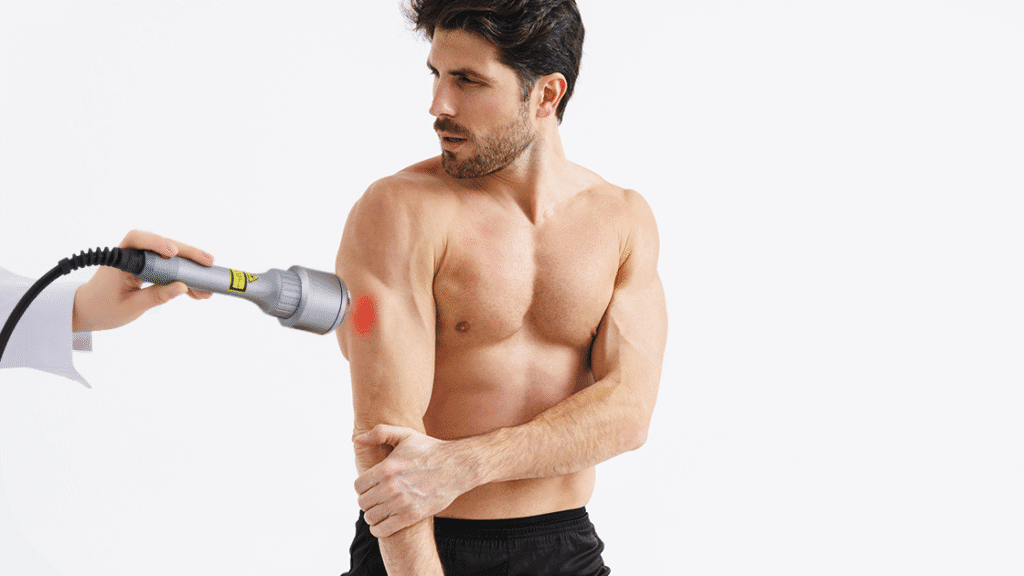
4.3 Post-Surgical Recovery and Rehabilitation Support
Class IV laser therapy significantly enhances post-operative recovery through acceleration of wound healing, reduction of post-surgical inflammation, and optimization of tissue repair processes that can reduce recovery timelines and improve surgical outcomes. The therapy’s ability to reduce pain and swelling enables earlier mobilization and rehabilitation initiation, which is crucial for preventing complications such as adhesion formation, muscle atrophy, and joint stiffness. Integration with conventional rehabilitation protocols enhances overall treatment effectiveness while potentially reducing the need for pain medications and anti-inflammatory drugs during the recovery period.
4.4 Back, Neck, and Shoulder Pain Management
Spinal and shoulder conditions represent some of the most common applications for Class IV laser therapy due to the technology’s superior tissue penetration capabilities and effectiveness in treating deep musculoskeletal structures. Conditions such as cervical and lumbar radiculopathy, myofascial pain syndrome, and rotator cuff pathology respond favorably to laser therapy through reduction of inflammation, improvement of tissue metabolism, and enhancement of pain control mechanisms. The non-invasive nature and excellent safety profile make it an ideal treatment option for patients seeking alternatives to injections or surgical interventions.
4.5 Role in Preventing Re-Injury and Supporting Long-Term Performance
Beyond acute treatment applications, Class IV laser therapy plays a valuable role in injury prevention and performance optimization through maintenance of tissue quality, enhancement of recovery processes, and optimization of neuromuscular function. Regular preventive treatments can address subclinical tissue dysfunction before it progresses to symptomatic injury, while supporting adaptive processes that enhance tissue resilience and performance capacity. This proactive approach is particularly valuable for high-level athletes and individuals with demanding physical occupations who require consistent performance and minimal injury downtime.
5. Evidence and Research Supporting Effectiveness
The clinical credibility of Class IV laser therapy is founded upon an extensive research base that includes randomized controlled trials, systematic reviews, and meta-analyses demonstrating consistent positive outcomes across diverse musculoskeletal conditions. Understanding the quality and scope of supporting evidence enables informed clinical decision-making and appropriate patient counseling regarding treatment expectations.
5.1 Key Clinical Studies on Class IV Laser Therapy for Musculoskeletal Conditions
Numerous high-quality clinical trials have demonstrated the effectiveness of Class IV laser therapy for various musculoskeletal conditions, with studies consistently showing superior outcomes compared to placebo treatments and conventional therapies. Class IV laser is a recent treatment proposed for pain reduction in MSDs, although studies supporting its use and dosage are limited, though the existing research base continues to expand with positive results. Research has documented significant improvements in pain scores, functional assessment measures, inflammatory markers, and healing timelines across conditions including tendinopathies, arthritis, muscle injuries, and post-surgical recovery scenarios.
5.2 Sports Medicine Applications Backed by Research
The sports medicine applications of Class IV laser therapy are supported by specific research demonstrating accelerated return-to-play timelines, reduced re-injury rates, and improved performance outcomes in athletic populations. Effects of Class IV Laser Therapy on Exercise-Induced Muscle Injury studies have shown measurable reductions in markers of muscle damage, inflammatory mediators, and recovery time following intense exercise or training sessions. These findings support the technology’s integration into sports medicine protocols for both treatment and prevention applications, providing athletes with evidence-based recovery and performance enhancement tools.
5.3 Comparison with Class III Lasers and Other Modalities
Comparative studies between Class IV laser therapy and lower-powered Class III systems demonstrate the superior clinical effectiveness of higher-powered units in achieving therapeutic outcomes. The enhanced tissue penetration and energy delivery capabilities of Class IV systems enable treatment of deeper structures and more severe conditions that may not respond adequately to lower-powered alternatives. Additionally, comparative research with conventional modalities such as ultrasound, electrical stimulation, and manual therapy shows Class IV laser therapy often providing superior or equivalent outcomes with reduced treatment times and enhanced patient convenience.
6. What Patients Can Expect from Class IV Laser Therapy
Understanding the patient experience, treatment protocols, and expected outcomes helps individuals make informed decisions about Class IV laser therapy while maintaining realistic expectations throughout their treatment course. Proper patient education regarding the treatment process enhances compliance and satisfaction with clinical outcomes.
6.1 Preparing for Your First Class IV Laser Therapy Session
Pre-treatment preparation for Class IV laser therapy is minimal, requiring primarily the removal of clothing and jewelry from treatment areas to ensure optimal light penetration and energy delivery. Patients should inform their healthcare provider about any medications, medical conditions, or previous treatments that might influence therapy selection or dosing parameters. Laser therapy is a painless procedure. Patients often experience a warm, soothing sensation during the treatment, which is well-tolerated. No special dietary restrictions or activity modifications are typically required before treatment, making it highly convenient for patients with busy schedules or active lifestyles.
6.2 Typical Duration, Frequency, and Treatment Protocols
Class IV laser therapy sessions typically range from 5-15 minutes depending on the condition being treated, treatment area size, and specific therapeutic objectives established during initial evaluation. Treatment frequency usually begins with daily or every-other-day sessions for acute conditions, progressing to 2-3 times per week for chronic conditions, with total treatment courses typically ranging from 6-15 sessions. Protocol customization considers factors including condition severity, patient response, tissue type, and individual healing characteristics to optimize therapeutic outcomes while minimizing treatment burden and healthcare costs for patients.
6.3 What Patients Usually Feel During and After Treatment
During Class IV laser therapy, most patients experience a gentle warming sensation that is generally described as comfortable and relaxing, with no significant discomfort or adverse sensations. Some individuals may notice immediate pain relief during or shortly after treatment, while others experience gradual improvement over the subsequent 24-48 hours as cellular processes continue. Post-treatment sensations may include temporary soreness similar to post-exercise muscle fatigue as tissues respond to enhanced metabolic activity, though most patients report overall improvement in symptoms and functional capacity following sessions.
6.4 Expected Recovery Timeline and Long-Term Outcomes
Patients often experience: Quick Pain Relief: Many report immediate relief after the first session. Reduced Inflammation: Noticeable reduction in swelling and inflammatory symptoms typically occurs within the first few treatment sessions. Acute conditions often show significant improvement within 1-2 weeks, while chronic conditions may require 4-8 weeks for optimal results as tissue healing and remodeling processes occur. Long-term outcomes are generally excellent with proper treatment compliance and appropriate lifestyle modifications, with many patients maintaining symptom relief for extended periods following treatment completion and experiencing reduced likelihood of symptom recurrence.
7. Conclusão
A terapia laser de classe IV é a significant advancement in musculoskeletal care, providing a non-invasive, evidence-based treatment option for both acute injuries and chronic conditions. Supported by extensive scientific research, it uses photobiomodulation, mitochondrial stimulation, and tissue regeneration to promote healing at the cellular level. This technology has been validated across various clinical applications, including sports medicine, pain management, and post-surgical recovery. With its excellent safety profile, minimal side effects, and high patient tolerance, Class IV laser therapy offers a powerful alternative to medications and invasive procedures. As healthcare evolves toward precision medicine, its role in musculoskeletal care will continue to grow. Providers can integrate Class IV laser therapy into their practices, relying on strong clinical evidence for effective treatment outcomes. For patients seeking drug-free solutions, this therapy delivers symptom relief, improved function, and enhanced recovery, making it an ideal choice for maintaining active, pain-free lifestyles.
 English
 العربية
 Français
 日本語
日本語 Português
 Español
 Русский
 Deutsch