
Conteúdo da página
Introdução
Golf is one of the most popular lifelong sports, allowing individuals to remain active well into their retirement years. However, many golfers over 60 begin to notice changes in shoulder mobility, flexibility, and overall comfort during practice sessions and competitive rounds. Repetitive swinging motions, age-related tissue changes, and years of accumulated physical activity can place significant demands on the shoulder complex. As a result, many golfers are exploring non-invasive solutions that support mobility and musculoskeletal wellness. Among the technologies receiving increasing attention in rehabilitation, sports medicine, and performance-focused environments is Terapia laser de classe IV. Known for its ability to deliver higher-power therapeutic laser energy to deeper tissues, Class IV Laser Therapy has become an important tool for practitioners working with active adults seeking to maintain movement quality and shoulder function.
1. Why Shoulder Mobility Becomes More Important After 60
1.1 The Shoulder’s Role in the Golf Swing
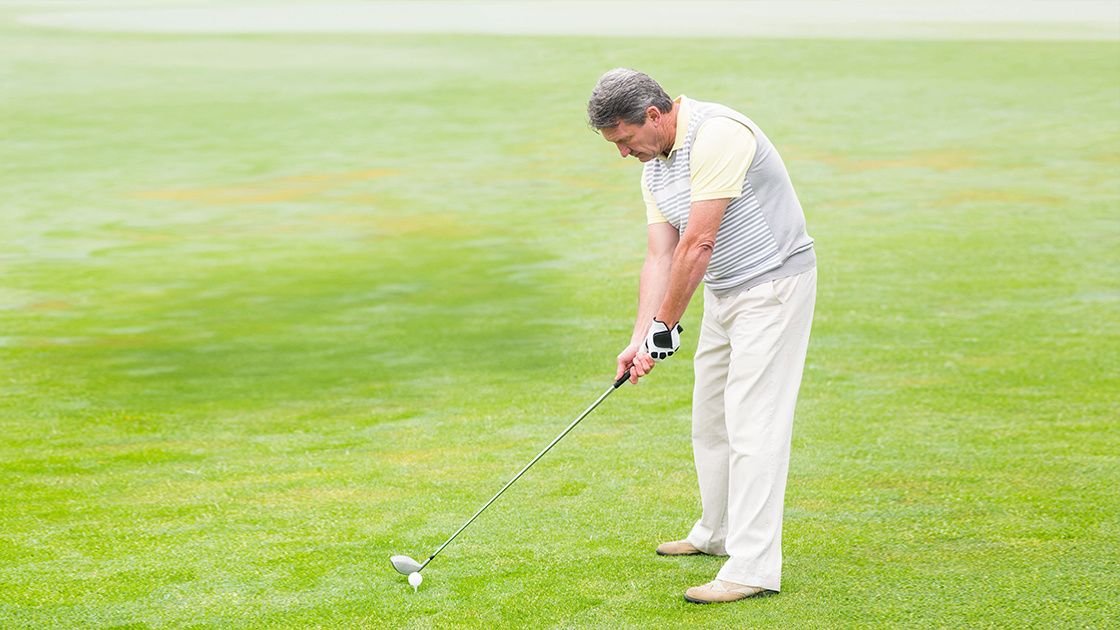
The golf swing relies heavily on coordinated shoulder movement. During the backswing and follow-through phases, the shoulders help generate rotation, control club positioning, and transfer force throughout the kinetic chain.
As golfers age, maintaining adequate shoulder mobility becomes increasingly important. Limitations in shoulder movement can influence swing mechanics, reduce range of motion, and affect overall performance on the course. Even small changes in mobility may alter posture, rotation, and consistency during play.
For golfers over 60, preserving shoulder function often becomes a key part of maintaining an enjoyable golfing experience.
1.2 Age-Related Changes in Soft Tissues
Aging naturally affects muscles, tendons, ligaments, and connective tissues. Over time, these structures may become less flexible and less resilient than they were during earlier decades.
Common shoulder-related concerns among older golfers include:
- Reduced range of motion
- Shoulder stiffness
- Rotator cuff irritation
- Tendon overload
- Delayed recovery after activity
Because golf involves repetitive motion patterns, these changes may become more noticeable during periods of frequent play, tournament participation, or intensive practice.
2. Compreender a terapia laser de classe IV
2.1 O que é a terapia laser de classe IV?
Class IV Laser Therapy is a form of photobiomodulation that utilizes higher-powered therapeutic laser energy to deliver light to targeted tissues. Unlike lower-powered laser systems, Class IV devices can deliver greater energy levels and penetrate deeper anatomical structures.
Modern Class IV laser systems are commonly used in:
- Physical therapy clinics
- Sports medicine facilities
- Chiropractic practices
- Orthopedic rehabilitation centers
- Performance recovery programs
The technology uses specific therapeutic wavelengths that interact with biological tissues through photochemical processes rather than surgical or ablative mechanisms.
2.2 Como funciona a fotobiomodulação
Photobiomodulation refers to the interaction between light energy and cellular structures. When therapeutic laser energy reaches target tissues, photons are absorbed by cellular components, particularly within mitochondria.
Mitochondria are responsible for producing adenosine triphosphate (ATP), the primary energy source used by cells. Through this process, Class IV laser therapy supports cellular activity within treated tissues.
Because the shoulder contains a complex network of muscles, tendons, ligaments, joint capsules, and connective tissues, practitioners frequently utilize Class IV laser therapy as part of comprehensive rehabilitation and mobility-focused programs.
3. Why Class IV Laser Therapy Appeals to Golfers Over 60
3.1 Supporting Active Lifestyles
Many golfers over 60 remain highly active and have no desire to reduce participation in the sport they enjoy. They often seek wellness and recovery solutions that fit within their existing routines without requiring extensive interruptions.
Class IV Laser Therapy aligns well with these goals because treatments are non-invasive and can be incorporated into broader musculoskeletal wellness programs.
Golfers frequently prioritize:
- Maintaining mobility
- Supporting flexibility
- Managing training loads
- Enhancing recovery routines
- Staying active throughout the season
Class IV laser technology has become increasingly visible in environments where these objectives are common.
3.2 Addressing Deep Musculoskeletal Structures
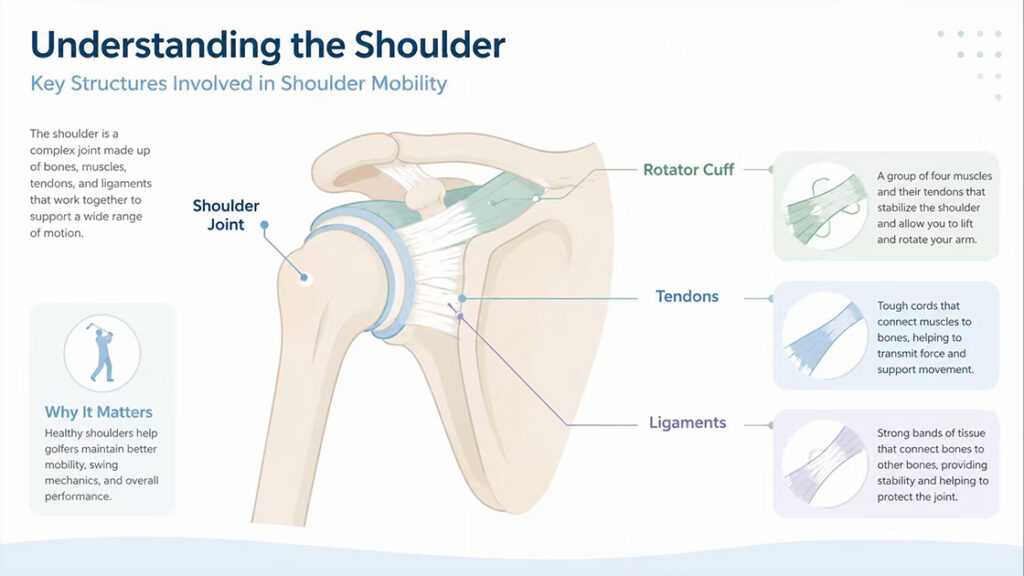
The shoulder is one of the most complex joints in the human body. It relies on coordinated interactions among multiple muscles and tendons, including the rotator cuff group.
One reason practitioners often utilize Class IV laser systems for shoulder-related applications is their ability to deliver therapeutic energy to deeper tissues. This characteristic makes the technology particularly relevant in sports medicine settings where deeper anatomical structures are involved.
For golfers who place repetitive demands on their shoulders, this capability contributes to the growing interest in laser-based rehabilitation technologies.
4. Common Shoulder Conditions Seen in Senior Golfers
4.1 Rotator Cuff-Related Concerns
The rotator cuff consists of four muscles and associated tendons that stabilize the shoulder joint and facilitate movement.
Among golfers over 60, the rotator cuff frequently becomes an area of focus due to repetitive rotational demands. Practitioners often incorporate Class IV Laser Therapy into treatment programs that address shoulder mobility challenges associated with soft tissue overload and repetitive movement patterns.
Maintaining healthy shoulder mechanics remains important for achieving a comfortable and efficient golf swing.
4.2 Shoulder Stiffness and Reduced Range of Motion
Range of motion plays a critical role in generating swing efficiency and rotational power.
As mobility declines, golfers may compensate through other movement patterns, potentially affecting swing consistency and overall biomechanics. Shoulder stiffness can also influence posture, backswing positioning, and follow-through mechanics.
Class IV laser technology is frequently utilized alongside:
- Mobility exercises
- Manual therapy
- Strengthening programs
- Flexibility training
- Rehabilitation protocols
This integrated approach allows practitioners to address multiple aspects of movement performance.
5. Class IV Laser Therapy in Modern Sports Rehabilitation
5.1 A Growing Presence in Golf Performance Programs
Sports rehabilitation continues to evolve as practitioners seek advanced technologies that support active populations.
Today, many rehabilitation facilities serving golfers incorporate Class IV laser systems into comprehensive care programs. The technology is commonly found in environments focused on:
- Athletic recovery
- Functional movement
- Joint mobility
- Sports performance
- Active aging
Its versatility allows practitioners to apply laser therapy across a wide range of musculoskeletal applications.
5.2 Supporting Long-Term Participation in Golf
For many individuals, golf represents more than a recreational activity. It provides opportunities for exercise, social interaction, travel, and lifelong engagement in physical activity.
As golfers age, preserving mobility often becomes a priority. Class IV Laser Therapy continues to gain attention because it complements broader rehabilitation and wellness strategies designed to support movement quality throughout the aging process.
Rather than focusing solely on performance outcomes, many practitioners emphasize maintaining participation and helping individuals continue enjoying the activities they value most.
FAQ
O que é a terapia laser de classe IV?
Class IV Laser Therapy is a high-power photobiomodulation technology that delivers therapeutic laser energy to targeted tissues.
Why do golfers often focus on shoulder mobility?
The shoulders play a critical role in generating rotation, maintaining swing mechanics, and supporting overall golf performance.
Is Class IV Laser Therapy commonly used in sports medicine?
Yes. It is widely used in sports medicine, physical therapy, chiropractic care, and rehabilitation settings.
Which shoulder structures are commonly addressed?
Practitioners frequently focus on muscles, tendons, ligaments, connective tissues, and rotator cuff-related structures.
Can Class IV Laser Therapy be combined with rehabilitation exercises?
Yes. Many practitioners incorporate laser therapy alongside strengthening, mobility, flexibility, and movement-based rehabilitation programs.
Conclusão
As more adults remain active well beyond the age of 60, maintaining shoulder mobility has become an important aspect of long-term golf participation. The repetitive rotational demands of the golf swing can place considerable stress on muscles, tendons, and connective tissues, making shoulder wellness a priority for many players. Class IV Laser Therapy has emerged as a valuable technology within sports medicine and rehabilitation because of its ability to deliver therapeutic laser energy to deeper musculoskeletal structures. Combined with mobility training, strengthening programs, and comprehensive rehabilitation strategies, Class IV laser technology continues to play an increasingly important role in helping golfers support movement quality, maintain activity levels, and enjoy the game for years to come.
References
Class IV Laser Therapy Technology Overview
https://smartlasertherapy.com/
Sports Medicine Applications of Laser Therapy
https://smartlasertherapy.com/blog
Photobiomodulation and Musculoskeletal Rehabilitation
https://smartlasertherapy.com/resources
Laser Therapy for Sports Recovery and Performance
https://smartlasertherapy.com/
Clinical Applications of High-Power Therapeutic Lasers
 English
 العربية
 Français
 日本語
日本語 Português
 Español
 Русский
 Deutsch