

Conteúdo da página
Introdução
Postpartum musculoskeletal pain is a common yet often under-addressed issue that affects many new mothers. From lower back discomfort to pelvic pain and shoulder tension, the demands of childbirth and caring for a newborn place significant strain on the body. Traditional pain management strategies such as rest, over-the-counter medications, and physical therapy often offer limited relief and may not fully address underlying tissue damage. Class 4 laser therapy, a high-power, non-invasive therapeutic option, has emerged as a promising solution for postpartum pain management. This blog will explore the causes of postpartum pain, the mechanisms behind Class 4 laser therapy, target treatment areas, procedural expectations, safety considerations, and frequently asked questions.
1. Understanding Postpartum Musculoskeletal Pain
Understanding the origins of postpartum pain is crucial for selecting appropriate interventions and achieving effective outcomes.
1.1 Common Causes of Postpartum Pain
Postpartum pain arises from a combination of physiological, anatomical, and lifestyle factors. During pregnancy, hormones such as relaxin cause ligaments and joints to loosen, which can lead to instability in the pelvis and lower back. The process of labor and delivery places additional stress on muscles, tendons, and fascia, particularly in the lower back, hips, and core regions. Furthermore, postpartum activities, including lifting and carrying a newborn, often exacerbate musculoskeletal strain. These factors collectively contribute to chronic or persistent pain in the postpartum period. Recognizing these causes is essential for selecting interventions that target deep tissue repair rather than only superficial symptom relief.
1.2 How Postpartum Pain Impacts Daily Life
Persistent musculoskeletal pain in postpartum women can significantly impair daily functioning. Chronic discomfort may disrupt sleep patterns, reduce mobility, and limit participation in essential childcare tasks. Beyond physical limitations, ongoing pain often contributes to emotional stress, fatigue, and decreased quality of life. If left unaddressed, minor musculoskeletal issues can develop into chronic conditions, making early and effective intervention critical. Class 4 laser therapy provides a non-invasive approach to manage pain while promoting tissue healing, offering mothers a path to regain comfort and functionality in daily life.
2. How Class 4 Laser Therapy Works
Class 4 laser therapy operates through high-powered fotobiomodulação, targeting deep tissues to promote healing and reduce inflammation.
2.1 Mecanismo de ação
Class 4 lasers deliver high-intensity light energy that penetrates deep into soft tissues. The photons are absorbed by mitochondrial chromophores, stimulating adenosine triphosphate (ATP) production and enhancing cellular metabolism. This process promotes tissue repair, reduces inflammation, and improves blood flow to damaged areas. For postpartum musculoskeletal pain, Class 4 laser therapy acts on muscles, ligaments, tendons, and fascia, facilitating collagen remodeling and relieving tension. By addressing the cellular and vascular causes of pain, this therapy provides both symptomatic relief and long-term structural benefits.
2.2 Benefits Over Traditional Pain Management
Unlike pharmacological interventions, Class 4 laser therapy offers a non-invasive, drug-free method of managing postpartum pain. It minimizes risks associated with systemic medications while directly targeting the underlying tissue damage. Patients experience reduced pain intensity, improved mobility, and accelerated soft tissue healing. When integrated with physical therapy or postpartum exercise programs, laser therapy enhances functional recovery without the side effects associated with painkillers or invasive procedures.
2.3 Safety Considerations for Postpartum Women
Class 4 laser therapy is generally safe for postpartum women, including those who are breastfeeding. However, individuals with open wounds, skin infections, or specific medical conditions should seek consultation prior to treatment. Laser therapy can be combined with postpartum rehabilitation strategies, such as core strengthening or pelvic floor exercises, to optimize recovery. Safety measures, including eye protection and proper device calibration, ensure minimal risk while maximizing therapeutic efficacy.
3. Target Areas for Postpartum Laser Therapy
Identifying specific areas of discomfort allows for targeted, effective treatment.
3.1 Lower Back Pain
Lower back pain is one of the most prevalent complaints among postpartum women. Pregnancy-induced postural changes and weakened core muscles contribute to stress on the lumbar region. Class 4 laser therapy promotes microcirculation, reduces inflammation, and relaxes hypertonic muscles. By increasing cellular activity within the deep paraspinal muscles, laser therapy accelerates tissue repair and alleviates stiffness. Patients often notice improved range of motion and reduced discomfort after a series of treatments, which supports daily functional activities such as lifting or bending.
3.2 Pelvic and Hip Pain
The pelvis and hips endure significant stress during pregnancy and delivery. Ligament laxity, muscular imbalances, and nerve sensitivity can result in persistent pain. Laser therapy targets these structures by enhancing blood flow, stimulating fibroblast activity, and reducing inflammatory mediators. The therapy is effective in addressing conditions such as sacroiliac joint discomfort, pubic symphysis pain, and muscular tension around the hip girdle. When combined with postpartum exercises, Class 4 laser therapy helps restore stability, relieve discomfort, and facilitate the return to pre-pregnancy activity levels.
3.3 Shoulder and Neck Pain
Carrying and feeding a newborn often leads to postural strain, resulting in tightness and discomfort in the shoulders and neck. Chronic tension in the trapezius and cervical muscles may lead to headaches and decreased mobility. Class 4 laser therapy penetrates deep muscle fibers, promoting oxygenation, reducing lactic acid buildup, and enhancing collagen remodeling. Over multiple sessions, patients experience a reduction in muscle stiffness and pain, improved posture, and enhanced upper body function, supporting everyday maternal activities.
4. The Treatment Process
Understanding the procedural workflow helps set realistic expectations and ensures patient compliance.
4.1 Initial Consultation and Assessment
Before initiating therapy, clinicians perform a comprehensive assessment, evaluating pain intensity, target regions, postpartum recovery stage, and medical history. This personalized evaluation guides device settings, treatment duration, and session frequency. Proper assessment ensures safety, maximizes therapeutic benefit, and identifies any contraindications. Patients are educated on expected sensations during treatment, potential side effects, and post-treatment recommendations to optimize outcomes.
4.2 Typical Session Procedure
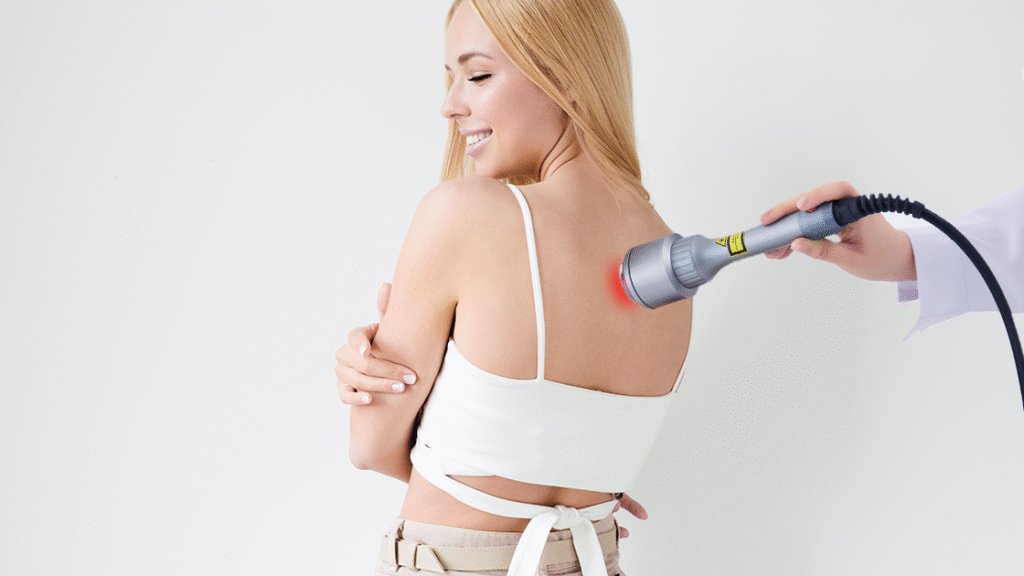
During a treatment session, the clinician applies the laser to the identified pain regions using precise, systematic techniques. Patients may feel warmth, tingling, or a gentle pulsating sensation, which is generally well-tolerated. Each session lasts approximately 20–45 minutes, depending on the area treated. Advanced Class 4 devices allow controlled energy delivery to reach deep tissues while avoiding damage to superficial layers. Treatments are typically repeated over several weeks to achieve cumulative benefits.
4.3 Post-Treatment Care
Post-treatment care is essential for sustaining results. Patients are advised to avoid excessive strain, continue recommended physical exercises, and maintain hydration. Mild redness or tenderness may occur temporarily, but these effects typically resolve within a few hours to a day. Adhering to post-care instructions enhances tissue healing, minimizes complications, and supports long-term pain relief and functional recovery.
https://smartlasertherapy.com/
5. Who Can Benefit from Postpartum Laser Therapy
Class 4 laser therapy is suitable for a range of postpartum women experiencing musculoskeletal discomfort.
5.1 Recent Mothers
Women who are six weeks or more postpartum and continue to experience musculoskeletal pain are ideal candidates. Early intervention can prevent chronicity and promote faster return to functional activities. Laser therapy offers a safe, non-invasive alternative for those seeking effective pain management without relying on medications.
5.2 Mothers with Chronic Muscle or Joint Pain
Individuals with preexisting musculoskeletal issues or chronic pain exacerbated by pregnancy and childbirth benefit significantly. Laser therapy addresses tissue inflammation, enhances soft tissue repair, and improves overall mobility. By targeting deep structures, it provides relief that complements physical therapy and rehabilitation programs.
5.3 Lifestyle and Activity Considerations
Active mothers or those managing demanding childcare routines may benefit from the accelerated recovery provided by laser therapy. By reducing pain and restoring range of motion, Class 4 laser therapy enables mothers to participate in daily activities, maintain physical fitness, and improve overall quality of life.
6. Safety, Side Effects, and Precautions
6.1 Common Side Effects
Class 4 laser therapy is well-tolerated, with side effects being mild and temporary. Patients may experience redness, warmth, or minor soreness in treated areas. These effects usually resolve within hours to a day and rarely interfere with daily activities. Proper device calibration and clinical expertise further reduce the likelihood of adverse events.
6.2 Precautions and Contraindications
Although generally safe, certain conditions require caution. Postpartum women with open wounds, active infections, or specific medical concerns should seek professional assessment prior to therapy. Laser therapy can be safely combined with postpartum rehabilitation exercises, but clinicians may adjust treatment intensity or session frequency based on individual needs.
7. Frequently Asked Questions (FAQ)
How soon after delivery can Class 4 laser therapy begin?
Most patients can safely start therapy six weeks postpartum, but a clinician evaluation is necessary to ensure tissue readiness.
Is Class 4 laser therapy safe for breastfeeding mothers?
Yes. The therapy is non-invasive and does not affect breast milk or nursing infants.
How many sessions are needed for noticeable improvement?
Typically, 6–10 sessions over 3–5 weeks are recommended, with progressive improvements in pain and mobility.
Can laser therapy replace physical therapy entirely?
No. Laser therapy complements, rather than replaces, physical rehabilitation exercises for optimal recovery outcomes.
Conclusão
Postpartum musculoskeletal pain is a multifactorial issue that can significantly impact a mother’s daily life and overall well-being. Class 4 laser therapy offers a scientifically backed, non-invasive solution that targets deep tissues to reduce inflammation, promote healing, and restore mobility. When combined with physical therapy and proper postpartum care, this treatment provides effective relief, accelerates recovery, and improves the quality of life for new mothers. By addressing both symptoms and underlying tissue dysfunction, Class 4 laser therapy represents a modern approach to postpartum pain management.
References
Smart Laser Therapy. “Class 4 Laser Therapy Overview”
https://smartlasertherapy.com/
Chow RT, Johnson MI, Lopes-Martins RA, Bjordal JM. “The Efficacy of Low-Level Laser Therapy in Musculoskeletal Pain Management”, Pain Res Manag.
https://pubmed.ncbi.nlm.nih.gov/17391052
Hamblin MR. “Mechanisms and applications of the anti-inflammatory effects of photobiomodulation”, AIMS Biophys.
https://pubmed.ncbi.nlm.nih.gov/31715242
Bjordal JM, et al. “A systematic review with procedural assessments and meta-analysis of low level laser therapy in lateral elbow tendinopathy (tennis elbow)”, BMC Musculoskelet Disord.
 English
 العربية
 Français
 日本語
日本語 Português
 Español
 Русский
 Deutsch